PART 2: UNDERSTANDING
BIODIVERSITY POLICY
What is Biodiversity Policy
Biodiversity policy is essentially the roadmap for how we protect, restore and sustainably use Earth's incredible variety of life. Think of it as society's way of figuring out how to balance human needs with keeping our natural world healthy and thriving.
COPs: Where Global Decisions Get Made
The Conferences of the Parties (COPs) under the Convention on Biological Diversity (CBD) are where countries come together to set biodiversity targets, figure out funding, and decide how to actually implement conservation and restoration efforts. The CBD COP:s take place every second year.
- COP15 in Kunming-Montreal (2022) was a game-changer. Countries adopted the Global Biodiversity Framework with 23 ambitious targets aimed at stopping and reversing biodiversity loss by 2030 (CBD, 2022).
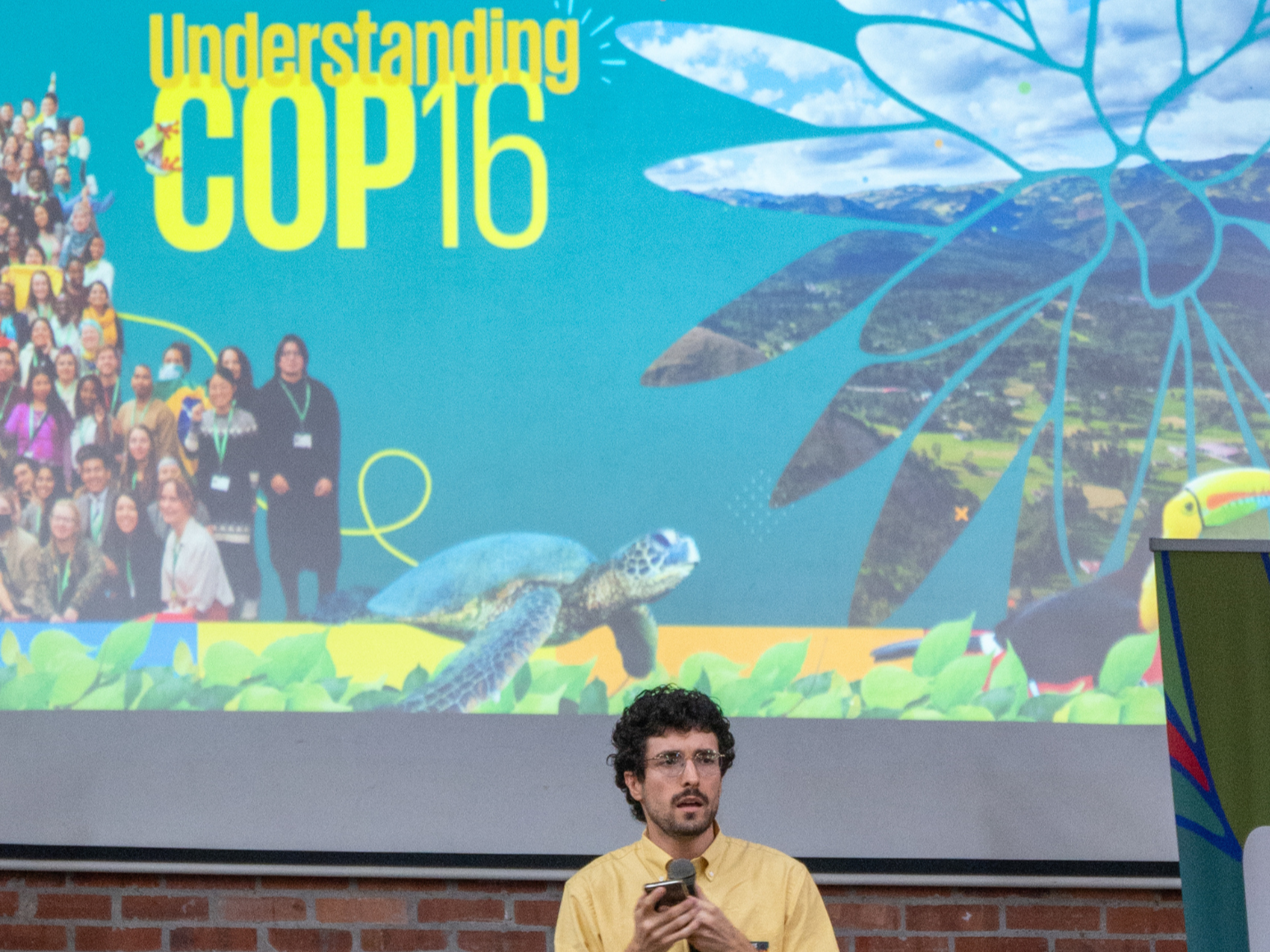
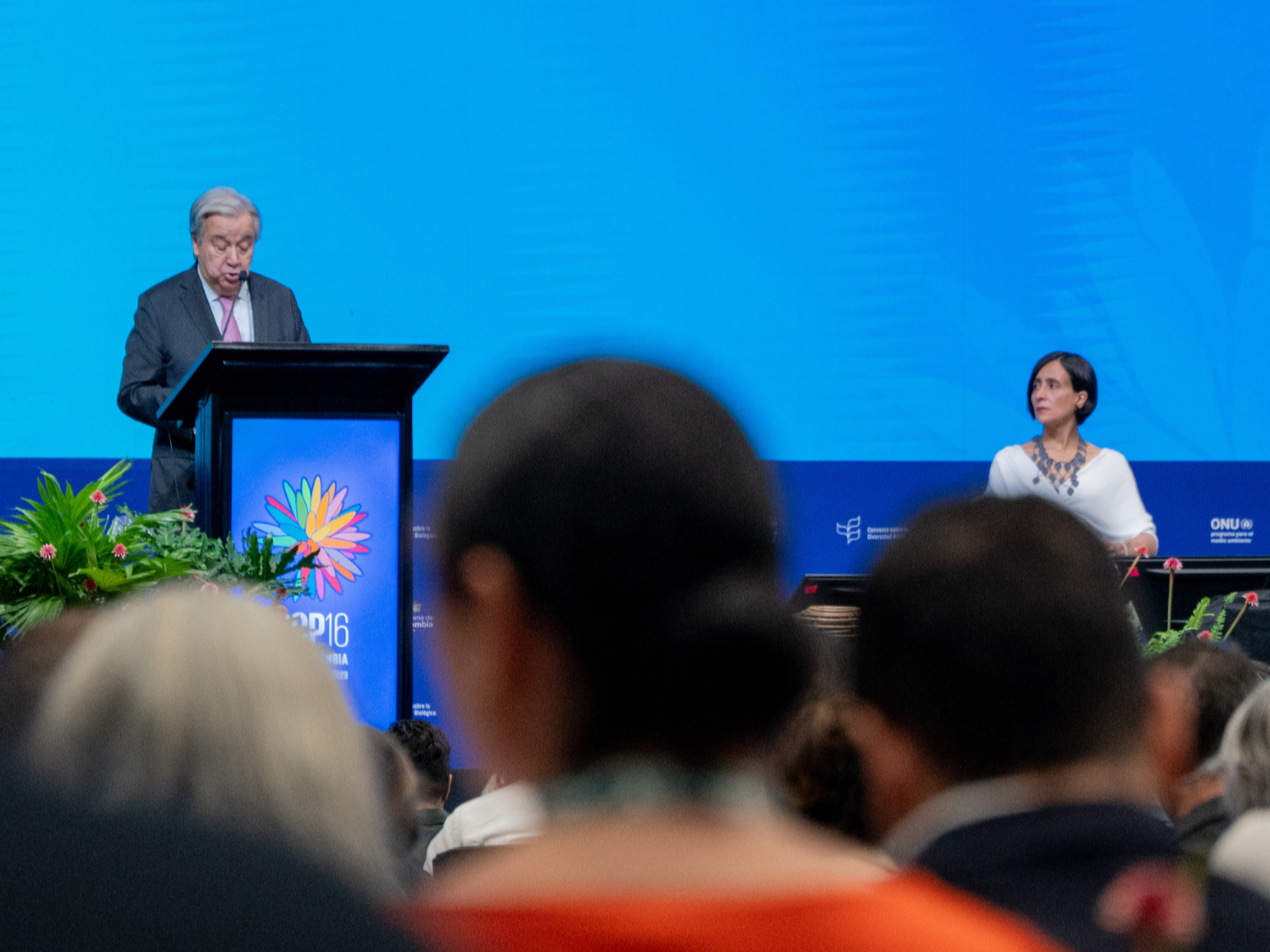
- COP16 in Cali and Rome (2024–2025) focused on making those targets reality. Key outcomes included better biodiversity financing, the creation of the "Cali Fund" to fairly share benefits from digital genetic information, and formal ways for Indigenous peoples to participate in decision-making (CBD, 2025; Cultural Survival, 2024).
The Global Biodiversity Framework: Our 2030 Blueprint
The Kunming-Montreal Global Biodiversity Framework sets out an ambitious plan to halt biodiversity loss by 2030 and restore ecosystems by 2050 (CBD, n.d.).
The Four Big Goals:
- Goal A: Keep ecosystems healthy and stop species from going extinct
- Goal B: Use biodiversity sustainably and manage it well
- Goal C: Share the benefits from genetic resources fairly
- Goal D: Bridge the massive funding gap for biodiversity work
Besides the goals, there are also 22 targets, similar to the Sustainable Development Goals (SDGs).
Key Targets You Should Know:
- Target 3: ("30x30"): Protect 30% of land and ocean by 2030 (CBD, n.d.)
- Target 15: Businesses must assess and disclose biodiversity impacts (CBD, n.d.)
- Target 19: Mobilize $200 billion annually (CBD, n.d.)
- Target 21: Ensure that knowledge is available and accessible to guide biodiversity action through, among others, education (CBD, n.d.)
- Target 22: Ensure participation of Indigenous peoples, local communities and youth (CBD, n.d.)
Justice and Biodiversity
The biodiversity crisis is not just an environmental issue, it is deeply connected to questions of justice, fairness, and cultural survival. Indigenous Peoples and Local Communities often bear the brunt of biodiversity loss, yet they are also some of our most effective biodiversity protectors. Their traditional knowledge and sustainable practices have safeguarded ecosystems for generations, Indigenous territories contain 80% of the world's remaining biodiversity, despite Indigenous peoples making up only 5% of the global population (Mongabay, 2024; World Bank, 2023).
Nordic youth strongly support inclusive approaches to biodiversity policy. According to the Nordic Youth Position Paper on Biodiversity, the majority of consulted youth believe that cultural interests should be prioritized over economic interests when these are in conflict, and they emphasize the need for Indigenous peoples to be more included in various areas of politics, especially in matters relevant to their culture and way of life (Nordic Council of Ministers, 2021).
NYBN's 2024 position paper presented at COP16 further emphasizes this commitment, demanding that Nordic countries ensure meaningful youth participation of Indigenous Peoples in decision-making when designing environmental policies, integrate Indigenous traditional knowledge into biodiversity research, and provide sufficient funding for Indigenous youth engagement in biodiversity initiatives (NYBN, 2025).
In the Nordic region, the Sámi people perfectly illustrate this reality. Their lives, culture, and identity are intimately connected to the landscapes they have traditionally cared for. Yet Sámi communities face serious challenges:
- Land Rights Conflicts: Mining, logging, and tourism operations threaten Sámi autonomy and ecological balance.
- Climate Disruption: Rising temperatures are changing grazing patterns and disrupting traditional ways of life.
- Political Exclusion: Sámi voices are often left out of decision-making.

Photo by: German Krupenin on Unsplash
Case Study: The Deatnu (Tana) River Agreement
The Deatnu (Tana) River Agreement between Norway and Finland perfectly illustrates these tensions. This cross-border agreement was designed to manage Atlantic salmon populations in one of Europe's most important salmon rivers. However, it has become a flashpoint for debates over Indigenous rights, conservation effectiveness, and consultation processes.
The river, known as Deatnu in North Sámi and Tana in Norwegian/Finnish, has been central to Sámi culture and livelihoods for centuries. Traditional fishing practices here are not just about food security, they are deeply woven into cultural identity, intergenerational knowledge transfer, and spiritual connection to the landscape.
While the agreement aims to protect declining salmon populations through fishing restrictions, Sámi communities argue that:
- They were not adequately consulted during the agreement's development.
- Their traditional ecological knowledge about sustainable fishing practices was largely ignored.
- The restrictions disproportionately affect Sámi fishing rights while allowing continued environmental pressures from hydroelectric development and climate change.
- The agreement fails to address root causes of salmon decline, focusing instead on restricting Indigenous practices that have been sustainable for generations.
This case reveals a fundamental challenge in biodiversity policy: how do you balance urgent conservation needs with Indigenous rights and traditional knowledge? The Deatnu situation shows that top-down conservation approaches, even when well-intentioned, can undermine both biodiversity goals and social justice if they do not meaningfully include Indigenous voices from the beginning.
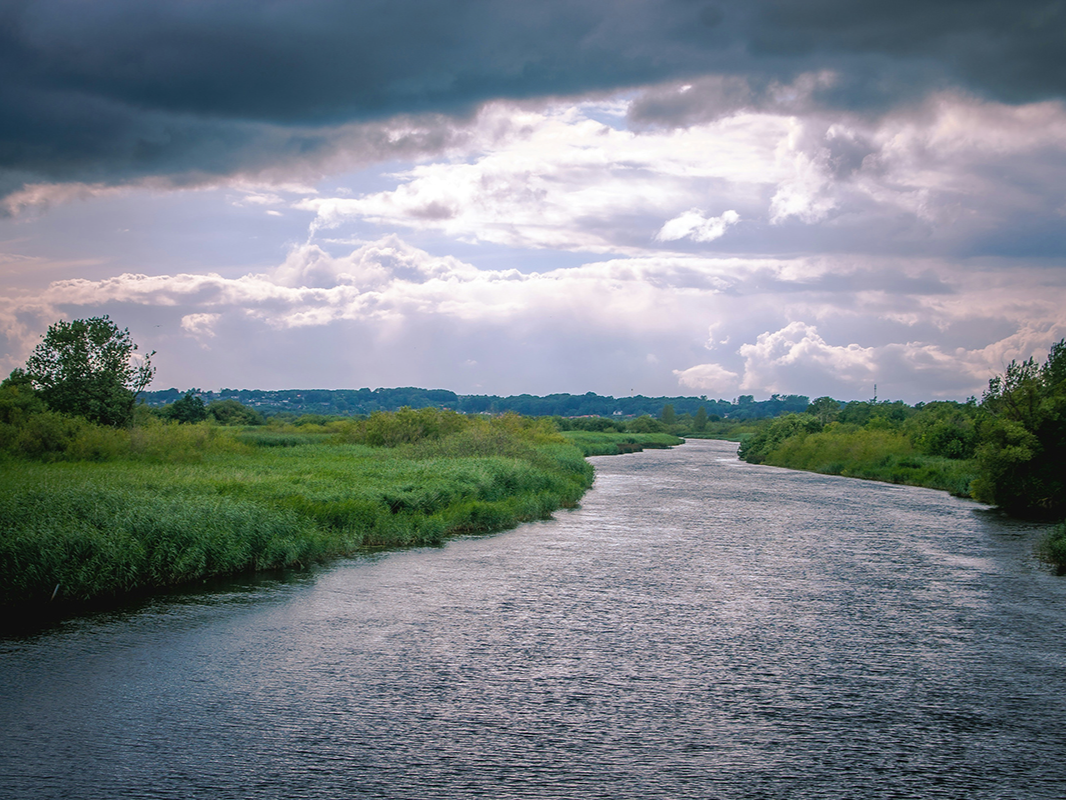
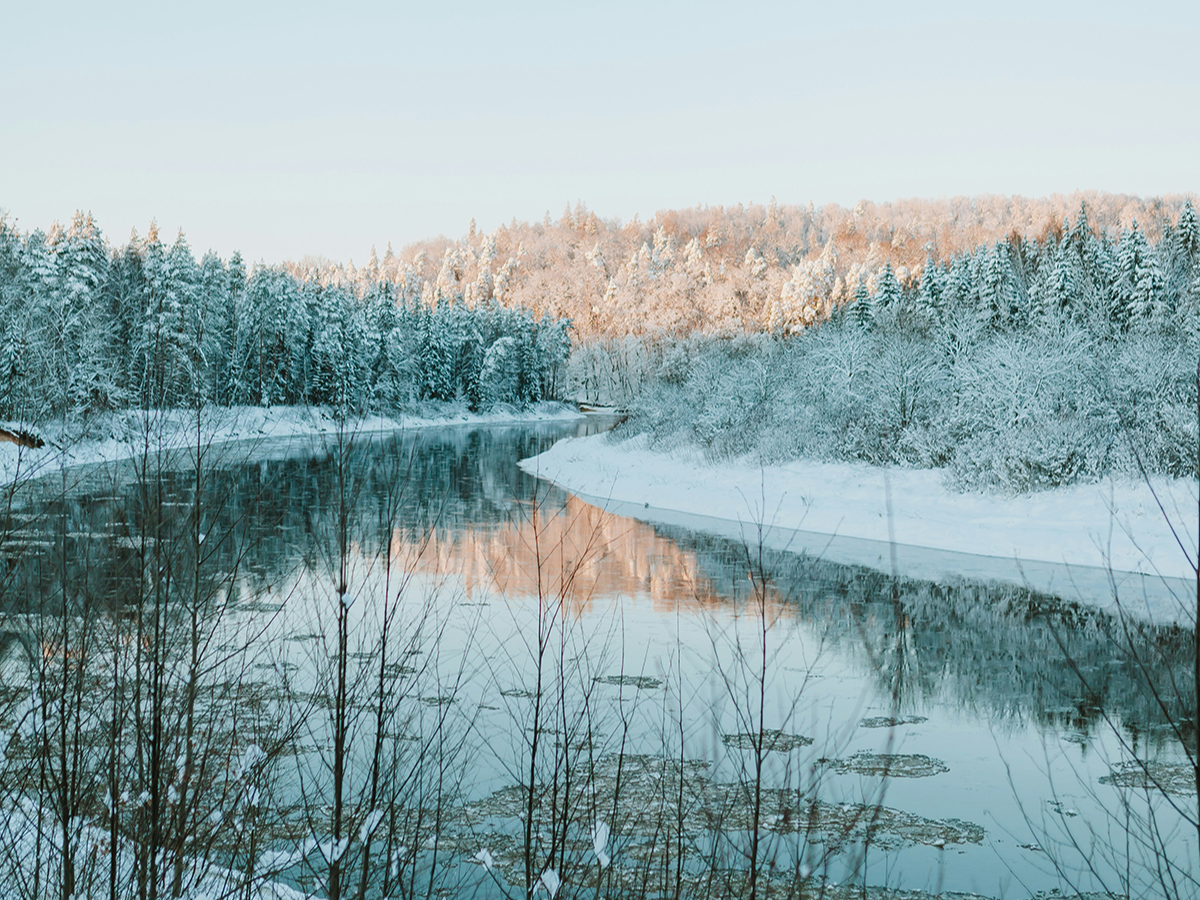
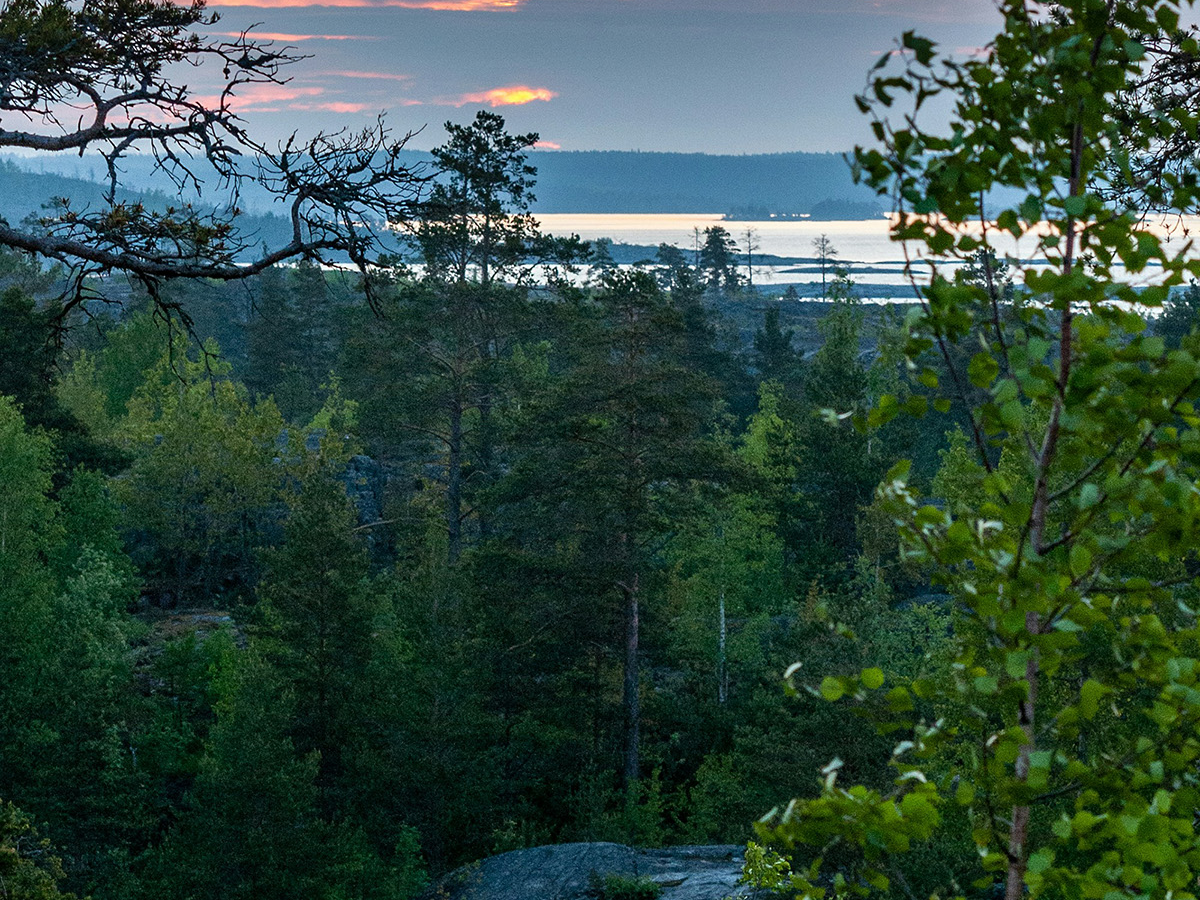
Västernorrlands län, Sweden. Photo by: Daiga Ellaby on Unsplash
Justice Checklist: Evaluating Biodiversity Policies
When you encounter biodiversity policies, ask:
- Whose voices were included in developing this policy?
- Who bears the costs and who receives the benefits?
- Does it respect Indigenous rights and traditional knowledge?
- Are there mechanisms for meaningful participation by affected communities?
The Policy Toolkit: How Biodiversity Protection Actually Works
Understanding biodiversity policy is not just about knowing the big international agreements, it is about understanding the practical tools that governments, communities, and businesses use to make conservation happen. Think of these as instruments in the biodiversity policy toolkit, each designed for different situations.
Regulatory Tools: The Legal Foundation
- Protected Areas: Designated spaces where natural ecosystems are preserved and human activities are restricted. Sweden's Sarek National Park protects one of Europe's last truly wild landscapes, while Norway's Lofoten marine zones safeguard critical spawning grounds for fish (UNEP-WCMC & IUCN, 2021).
- Species Protection Laws: Legal safeguards for specific threatened species. Denmark's strict regulations protecting the great crested newt require developers to survey for newts before construction and create replacement habitats if needed (European Environment Agency, 2019).
- Land-Use Zoning: Spatial planning that balances development with conservation. Finland uses zoning to safeguard reindeer migration routes in Sámi territories, integrating biodiversity conservation with cultural preservation.
Strengths:
Provide legal certainty and enforceable standards.
Limitations:
Only as strong as enforcement; can create conflicts if imposed top-down.
Economic Tools: Using finance for Nature
- Payments for Ecosystem Services (PES): Compensate landowners for managing land in ways that provide benefits like clean water or wildlife habitat. Sweden's programs reward forest owners who maintain old-growth patches and wildlife corridors.
- Green Subsidies: Financial support for sustainable practices. Under the EU's Common Agricultural Policy, Nordic countries offer subsidies for organic farming and creating habitat corridors on agricultural land.
- Pollution Taxes: Make environmental damage costly. Denmark's pesticide tax has led to measurable improvements in water quality and reductions in chemical use (The Local Denmark, 2018)
Key insight:
Economic tools work by changing incentives rather than just imposing rules.
Advocacy tip:
Economic arguments often persuade policymakers who are not moved by purely environmental concerns.
Collaborative Approaches: Shared Responsibility
- Community-Based Management: Empowers local communities to manage natural resources sustainably. Sámi reindeer herding practices move herds across vast landscapes following patterns that maintain both cultural traditions and ecological health.
- Public-Private Partnerships: Collaborations between government and businesses to fund conservation initiatives that neither could accomplish alone.
- Voluntary Conservation Programs: Market-driven sustainability through certification schemes like the Forest Stewardship Council (FSC), creating consumer demand for biodiversity-friendly products.
Policy Tools at a Glance - Some Examples
The following chart summarizes the policy tools mentioned above, what they are suitable for and examples of where they have been used.
Tool type | What it does | Nordic example | Best for |
Protected areas | Legally designated conservation zones | Sarek National Park (Sweden) | Protecting critical habitats |
Species laws | Legal protection for threatened species | Great crested newt protection (Denmark) | Preventing extinctions |
PES Schemes | Pay landowners for ecosystem services | Forest biodiversity payments (Sweden) | Incentivizing good stewardship |
Green Subsidies | Financial support for sustainable practices | Organic farming support (EU-wide) | Shifting sector practices |
Community Management | Local control of natural resources | Sámi reindeer herding systems | Incorporating traditional knowledge |