CREATING YOUR
PERSONAL ACTION PLAN
Effective biodiversity action starts with honest self-assessment and strategic planning. Consider your interests, skills, resources, and circumstances to develop an approach that is both impactful and sustainable for you.
Self-Assessment Questions
Interests:
- What aspects of biodiversity excite you most?
- Do you prefer hands-on restoration work, policy advocacy, education, or innovation?
- Are you drawn to local community work or international engagement?
Skills:
- What are you already good at that could contribute to biodiversity work?
- What skills do you want to develop by engaging in biodiversity-related action?
- How do your academic or professional interests connect with biodiversity?
Resources:
- How much time can you realistically commit to biodiversity action?
- What financial resources do you have available for projects or travel?
- What support networks (family, friends, institutions) can help your efforts?
Context:
- What biodiversity challenges are most pressing in your area?
- What opportunities exist in your community, region, or country?
- How do your cultural background and values inform your approach?
Action Planning Framework
- Start Small, Think Big: Begin with manageable projects that build your skills and confidence while contributing to larger biodiversity goals. Success in small projects creates credibility and resources for more ambitious efforts.
- Combine Approaches: The most effective biodiversity advocates work across multiple scales and use diverse strategies. A pollinator corridor project might include policy advocacy for pesticide restrictions and educational campaigns about native plants.
- Build Partnerships: Identify organizations, institutions, and individuals who share your conservation goals. Collaboration amplifies impact while reducing individual workload and stress.
- Plan for Learning: Treat every project as an opportunity to develop new skills and deepen your understanding. Regular reflection helps you identify what is working and what needs adjustment.
- Maintain Balance: Halting and reversing biodiversity loss is a marathon, not a sprint. Sustainable engagement requires attention to your own well-being and other life priorities.

Action Planning Template
My 6-Month Goals: | |
|---|---|
Local action: | |
Skill development: | |
Network building: | |
My 2-Year Vision: | |
Impact I want to create: | |
Role I want to play: | |
Partnerships I want to build: | |
Support I Need: | |
Learning opportunities: | |
Mentorship: | |
Resources: |
Remember: The biodiversity crisis requires urgent action, but it also offers unprecedented opportunities for our generation to reshape humanity's relationship with the natural world. Your voice, energy, and creativity are essential for creating a future where both human communities and natural ecosystems can thrive.
The time for action is now. The question is not whether you can make a difference, it is how you will choose to use your unique combination of skills, passion, and circumstances to contribute to the most important challenge of our time – the biodiversity crisis.
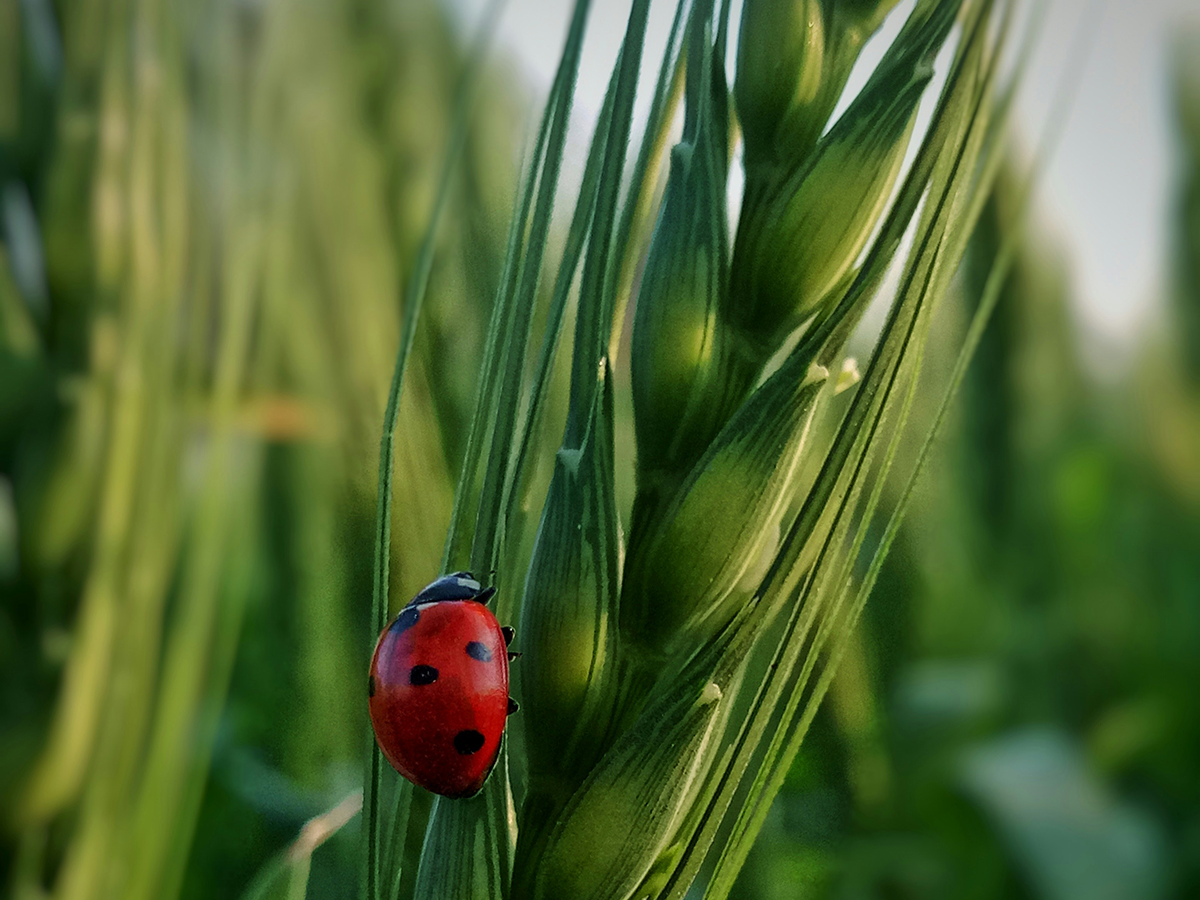
Photo by: Rafay Ansari on Unsplash