Nordic Bauhaus Events
Nordic Carbon Neutral Bauhaus Closing Event
A closing seminar and an exhibition at Form/Design Centre in Malmö, Sweden, gathered stakeholders to celebrate the shared journey and consider the possible steps towards the future in the spirit of Nordic NEB. Held in Malmö alongside the policy debate, the closing event shifted focus from policy framework to reflections on the initiative’s achievements and discussions about its integration into sustainable practices. The event was also streamed for broader audience.
During the event Helena Bjarnegård from Boverket offered a comprehensive overview and contextualization of the two-year journey of the NEB in a Nordic context from the preliminary stages onwards.
Looking back, one of the main achievements of Nordic Bauhaus has been its ability to provide a broad platform simultaneously for decision makers, policy makers, professionals, students and citizens to understand the built environment both as an integral element of current challenges related to sustainability and a medium in which it is possible to envision alternative trajectories for the future: “Architectural solutions are already here, everywhere, contributing to sustainable communities and quality of life”, as Bjarnegård concluded.
Taking NEB values into practice was further addressed in the panel discussion on the history and future steps of the Nordic Carbon Neutral Bauhaus. Guided by Harri Hakaste, the panelists Anders Vestergaard from The Nordic Council of Ministers, Helena Bjarnegård, Malin Kock Hansen from Doga, and Ólavur Jóannesarson Hansen from Landsverk provided insights on the Nordic dimension of NEB to reach climate neutrality, engage with people and lead the good life.
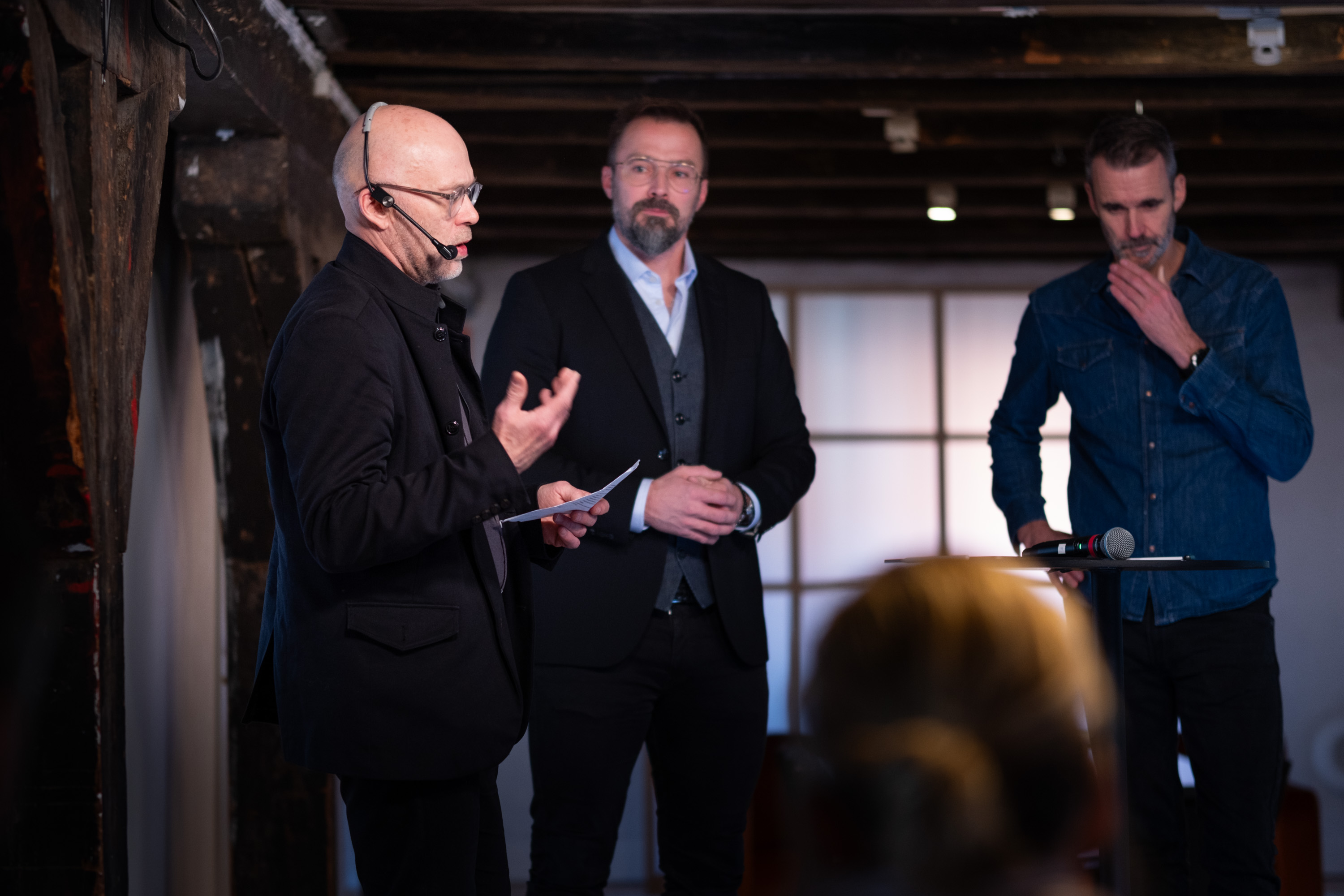
Photo 4 Harri Hakaste moderating the panel. © Daniel Engvall, Form/Design Center
The main takeaway from the panel was that while NEB values provide essential guidance, their actual impact lies in practical implementation. To achieve this, it is crucial to acknowledge the role of NEB in broader Nordic collaboration: existing networks already offer a basis for cooperation, but we must continue dismantling the barriers, foster new modes of collaboration, and recognize NEB values within Nordic sustainable building culture.
Nordic countries are fond of presenting themselves as forerunners for welfare, quality of life, down to earth happiness and sustainable architecture and design. Yet the number of resources consumed is far above the average on a global scale. As was highlighted by many of the speakers during the day, with the Nordic NEB we are also obliged to walk the talk about how Nordic is the leader’s beautiful, inclusive and sustainable way of life.
The discussion during the day offered an honest reflection of the very challenge. “How can we not build” has become the most critical common challenge for us, as Anders Vestergaard Jensen from The Nordic Council of Ministers stated in his contextualization of NEB to broader Nordic sustainable goals.
The event also reflected on Nordic Bauhaus and other NEB initiatives such as NEB-Star (NEB in Stavanger Region) and Designing the Irresistible Circular Society–Desire.
Malin Kock Hansen highlighted how NEB-Star has sought to transform and catalyze collaboration among municipalities, businesses, citizens, and other stakeholders to develop equitable and practical solutions to our climate and social challenges.
Henriette Thuen, in a similar way, shared the lessons learned from the NEB-project Desire. The most crucial element for circularity relies first and foremost on citizen involvement. Embracing innovative, interdisciplinary strategies that engage everyone is essential for a regenerative urban future. Desire’s recently launched policy recommendations can be read here.