Competition, Exhibition & Podcast
NEB Design Challenge
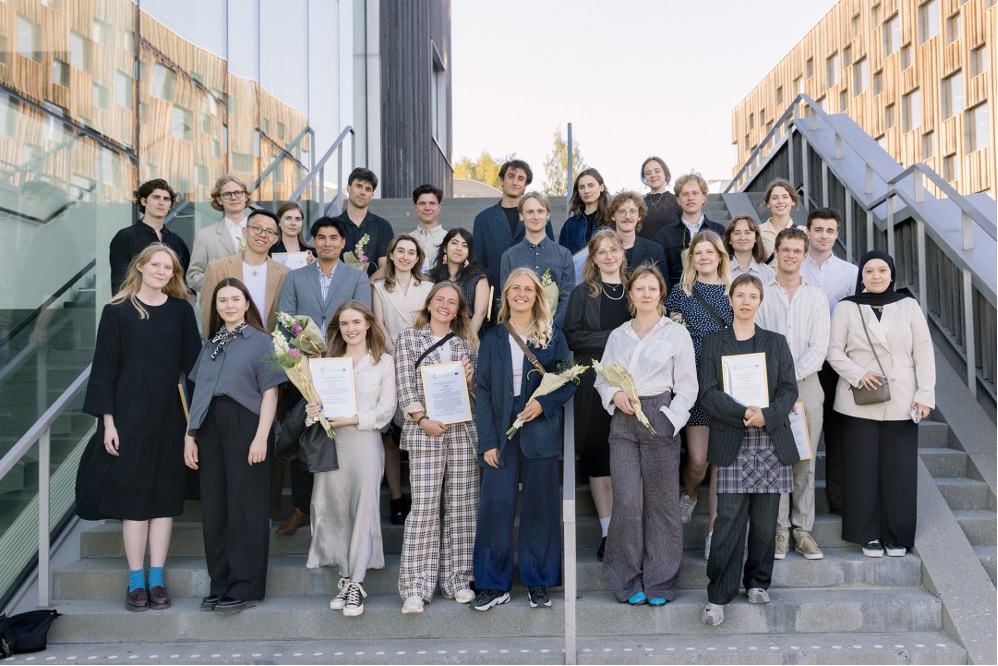
Photo 5 NEB Design challenge award ceremony took place on 30 May 2024 at Umeå School of Architecture © Malin Grönborg, RISE
In the spring of 2024, the Nordic Carbon Neutral Bauhaus project in the lead of RISE organized a student competition seeking creative solutions for the innovative re-use of existing building stock. Student teams from across the Nordic region took on the challenge of developing innovative and creative solutions for the adaptive reuse of four sites: Kvarteret Hammaren in Umeå (Sweden), Verksgata 54 in Stavanger (Norway), an old military area in Kuopio (Finland), and Gadehavegaard in Høje-Taastrup (Denmark).
The property owners of these sites shared a common goal: exploring transformation possibilities rather than opting for demolition and redevelopment.
The competition unfolded in two phases. In the first phase, all student teams were invited to submit design proposals for one of the four sites. Nearly 100 students from Nordic universities contributed a total of 29 proposals. From these, 12 were selected to advance to the second phase, where they were further refined based on the jury’s feedback.
Kvarteret Hammaren in Umeå, Sweden
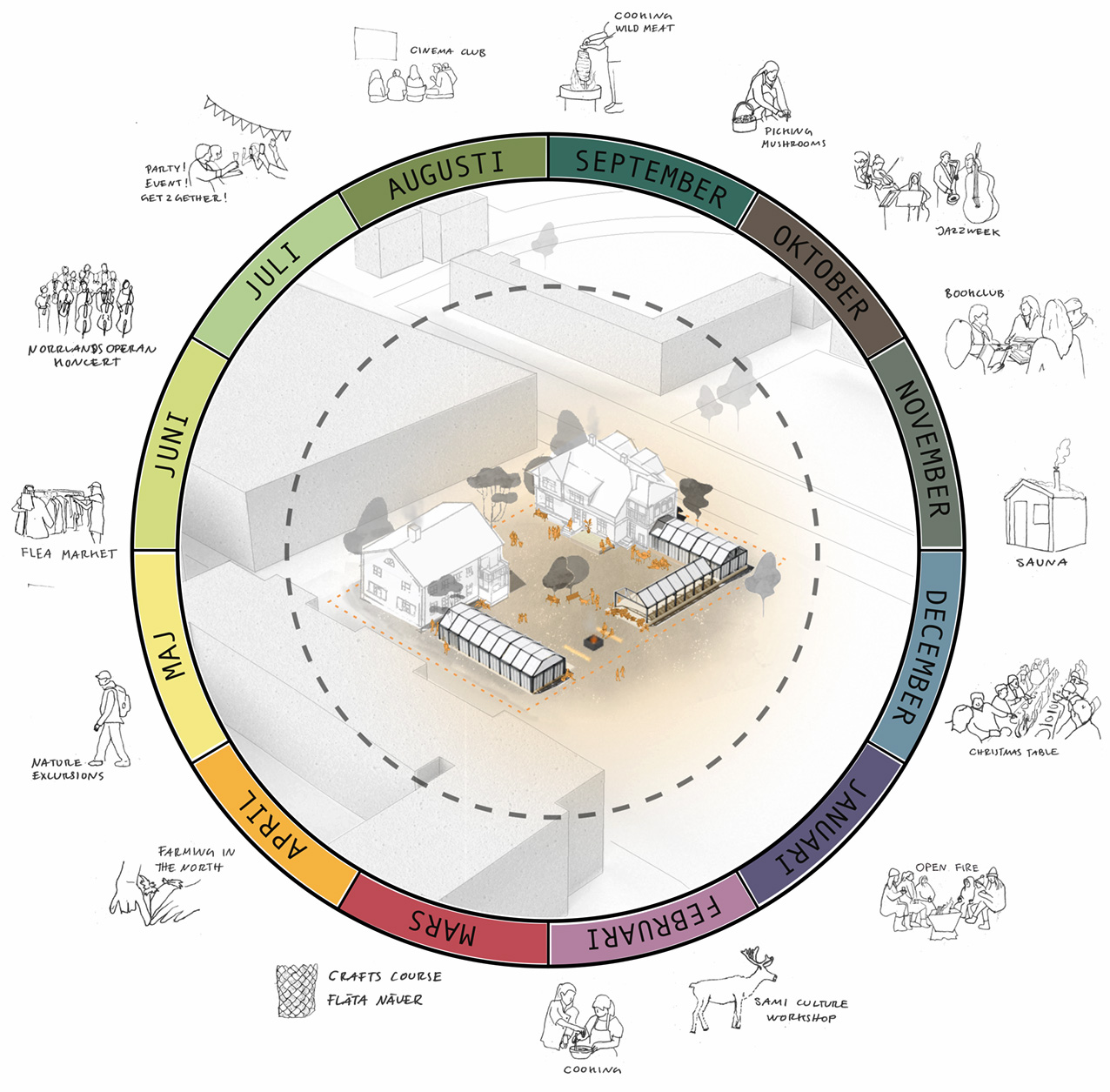
Photo 6 Intertwining Narratives © competition material
The winner Intertwining narratives by Malin Dybeck, Molly Myrsten, and Sophie Sjöberg from Lund University, Sweden presents a well-crafted and persuasive vision for bringing Kvarteret Hammaren to life year-round, drawing a diverse range of visitors. The historic buildings will be preserved, while the area will be animated with activities like sauna bathing, flea markets, and jazz festivals. The design for the new pavilions takes inspiration from traditional Västerbotten craftsmanship, particularly the weaving of birch bark, seamlessly blending local heritage with contemporary uses. The proposal recognizes the importance of cultural life in shaping Umeå’s future.
Military area in Kuopio, Finland
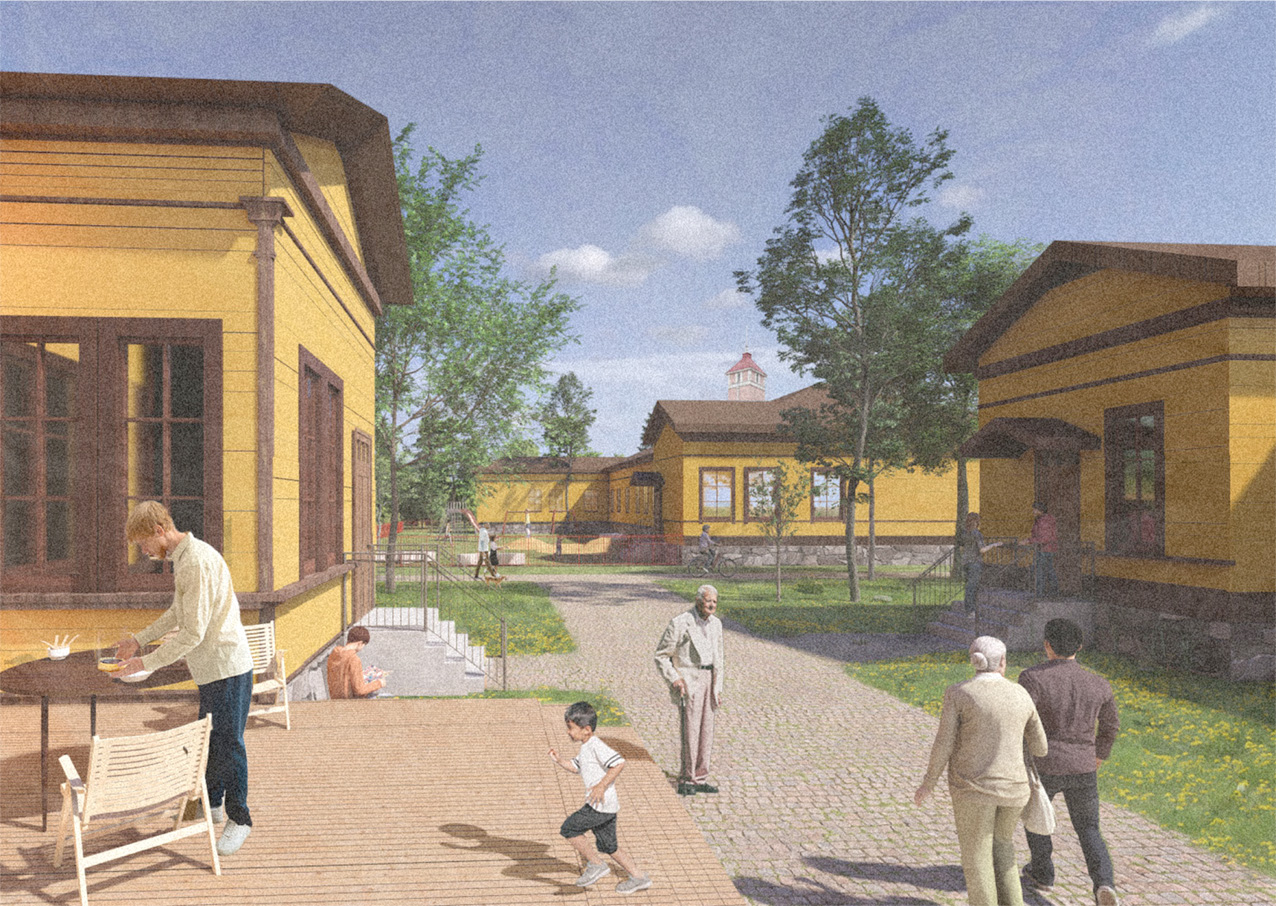
Photo 7 Resilience of Togetherness © competition material
The Kuopio design competition was won by Veera Annala and Annika Annala. Veera Annala is studying architecture at Aalto University, while Annika Annala studies architecture at Tampere University. Their winning project, Resilience of Togetherness, explores the possibilities of community living in a culturally and historically valuable environment.
The adaptation of the buildings begins with minimizing changes as much as possible. The well-preserved barracks remain externally untouched while their interiors are redesigned to accommodate new housing layouts. In the park, a more diverse landscape is introduced, featuring gardens, meadows, and trees. The proposal’s strength lies in its precise analysis of the negative effects of loneliness. Resilience of Togetherness effectively illustrates how community can reinforce society, demonstrating that architecture can help tackle significant social challenges of our time.
Verksgata 54 in Stavanger, Norway
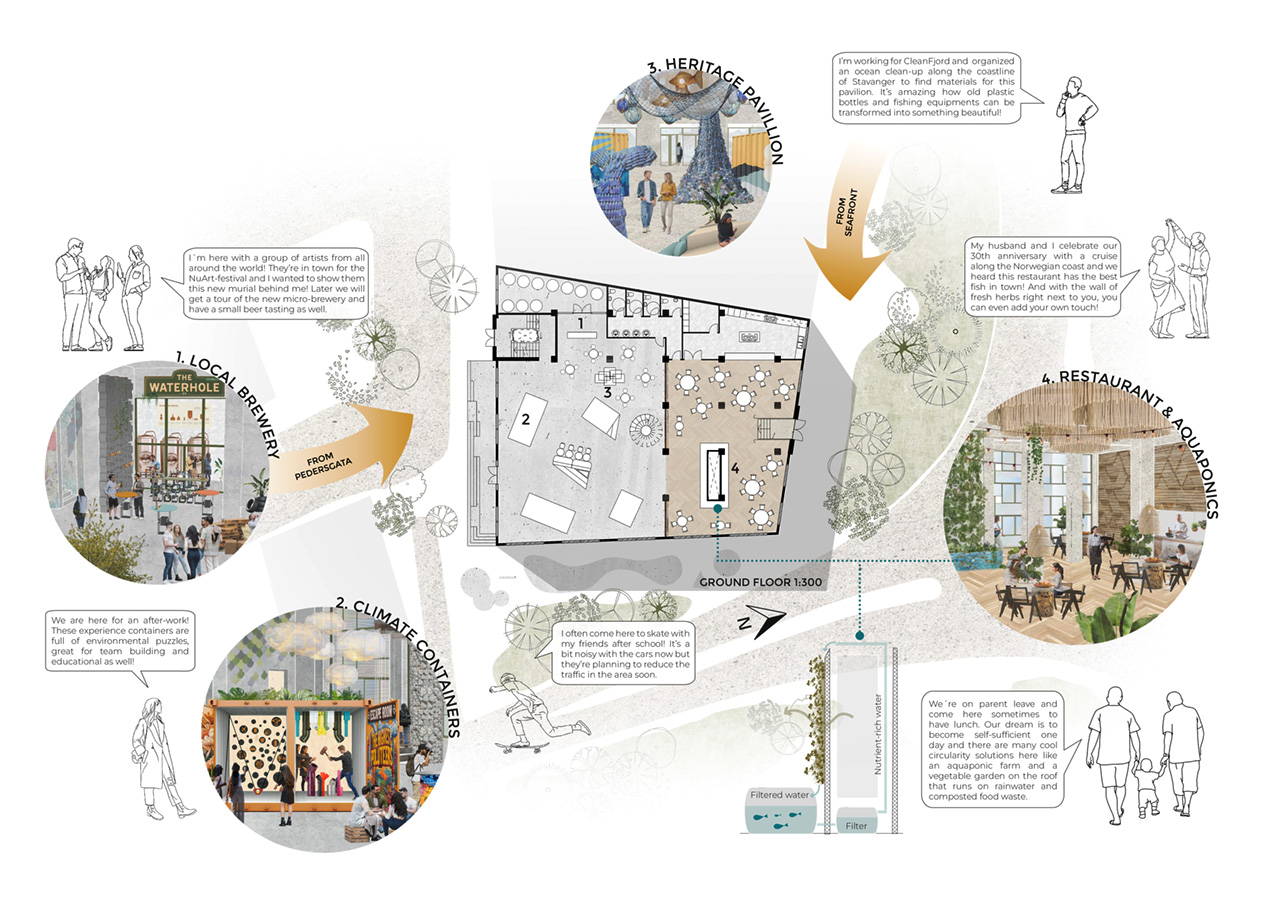
Photo 8 Fjordnest – Bringing Nature to the City © competition material
Stavanger project was won by Albina Lampa and Isabelle Olsson studying in Chalmers Institute of Technology, Sweden. Their winning proposal Fjordnest – Bringing Nature to the City is a vibrant and imaginative proposal that brings various creative reuse ideas together under one roof. By demonstrating how the aging warehouse at Verksgata 54 can be revitalized into a dynamic meeting place, the team showcases the building’s vast potential. Visitors can stay at an eco-hostel with rooftop camping, enjoy a fish restaurant that serves homegrown vegetables and house-brewed beer, or explore exhibitions on Stavanger’s maritime heritage.
Sustainability is a central theme, with practical solutions for material recycling, food production, and composting. The interior design embraces these concepts with thoughtfully crafted and visually striking proposals that reflect Stavanger’s identity as a lively port city. Repurposed oil barrels serve as washbasin stands, while broken concrete is gathered in gabion columns supporting staircases. Natural systems are cleverly integrated, such as an aquaponic setup that uses rainwater to irrigate vegetables for the restaurant Oasen.
Gadehavegaard in Høje Taastrup, Denmark
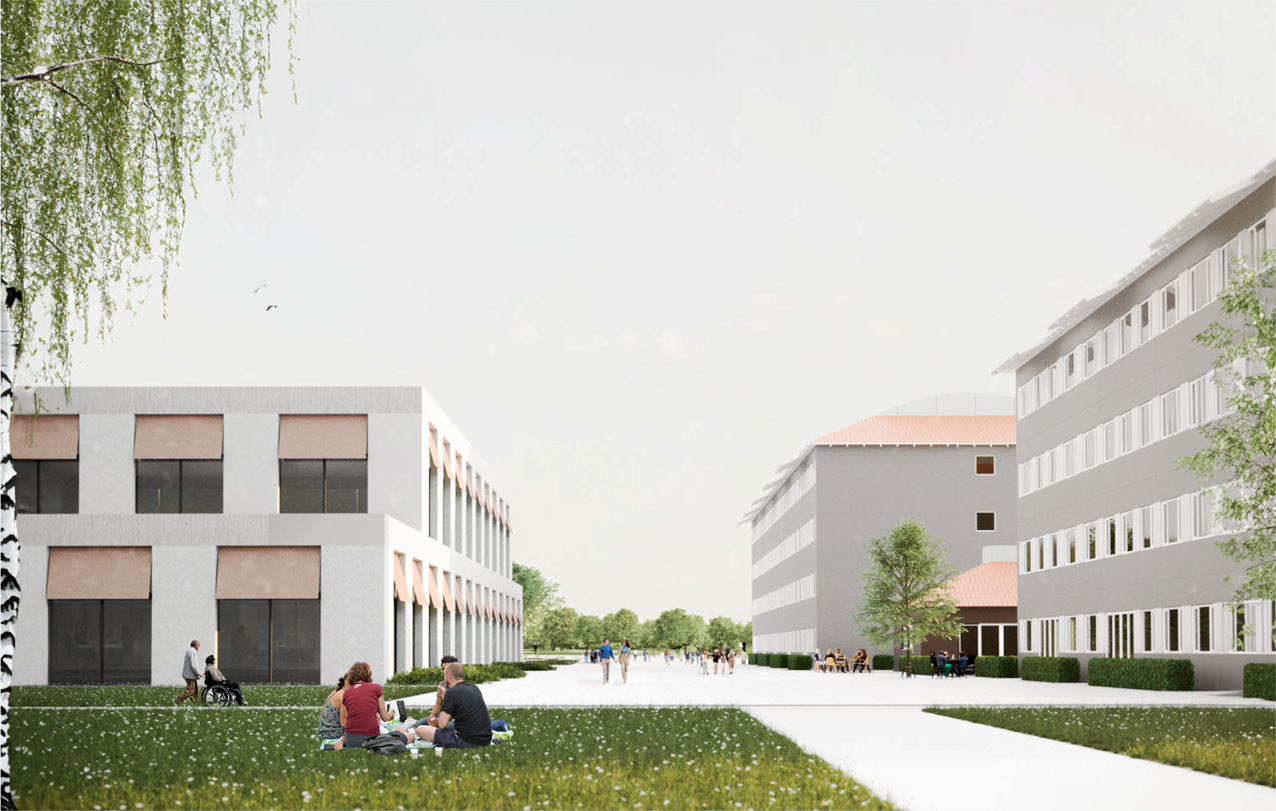
Photo 9 Again and Again © competition material
Gadehavegaard is to some extent socially vulnerable area from the 1970s. The task for students was to design a new campus and community center to the area. The winning team by Nils Österberg and Adam Sävhage from KTH Royal Institute of Technology, Sweden is building on what already exists. Again and Again-proposal focuses on repurposing demolition materials, adaptable floor plans, and enhanced park spaces. To minimize disruption to existing residential buildings, the team carefully analyzed how the extensive campus program could be integrated. They then proposed customized solutions at different scales based on the buildings’ conditions. Functions that cannot be accommodated within existing structures are housed in a new campus building with a flexible interior that can be adjusted as needed.
Reused materials are creatively incorporated throughout the project. In the proposed campus building – which includes a library and lecture hall—recycled concrete, insulation, and balcony slabs are repurposed. Demolition materials also contribute to the outdoor spaces, with reused concrete in plazas and crushed roof tiles on pathways. While the design presents a strong vision, further refinement will be necessary in later stages. Given the many vulnerable residential areas undergoing renovation or facing demolition, the proposal can serve as a regenerative model beyond Gadehavegaard.
New Ideas for the Nordic Bauhaus
The competition’s creative and thoughtful design proposals serve as models for other sites facing similar challenges and offer valuable inspiration for the broader construction industry.
In a time of global uncertainty, these proposals illustrate how architecture can play a key role in strengthening communities and fostering societal resilience. The student submissions covered a wide range of architectural approaches, from introducing new imaginative functions within existing structures to careful refurbishments and large-scale transformations.
The jury included Camilla Berggren-Tarrodi (RISE), Marlene Johansson (RISE), Ambra Trotto (EIT Culture & Creativity), Maja Westman (Kvarteret Konstruktörer), and Patrik Karlsson Ryberg (RISE). Read the full jury assessment here.