Nordic Bauhaus Events
Aligning Nordic Architectural Policies with the New European Bauhaus
The Nordic Carbon Neutral Bauhaus celebrated its culmination in a two-day event at the Form/Design Center in Malmö, Sweden, on November 20–21, 2024. The gathering brought together policymakers, architects, and sustainability experts from across the Nordic and Baltic regions to discuss the future of sustainable design and highlight the Nordic contribution to the New European Bauhaus.
The policy debate organized on the first day of the closing event, addressed NEB’s alignment with Nordic architectural policies, which similarly prioritize integrated solutions to societal issues, harnessing the transformative power of architecture and design.
Recent architectural and design policies across these nations, such as Finland’s Toward a sustainable architecture and Sweden’s Gestaltad livsmiljö (Designed Living Environment), demonstrate a shared commitment to human-centered, sustainable, and inclusive environments. Despite national variations, several key themes emerge across these policies.
A fundamental aspect of Nordic architectural policies is a strong emphasis on holistic ecological, social and cultural sustainability.
Sweden’s Gestaltad livsmiljö and Finland’s Towards a Sustainable Architecture emphasize amongst others reducing emissions in the built environment, while Norway’s National Strategy for Architecture promotes the use of local, renewable materials. Similarly, Denmark’s Architecture Policy encourages adaptive reuse and life cycle thinking to minimize environmental impact. Similar way Iceland’s recent Design and Architecture Policy until 2030 reflects a strategic commitment to embedding design and architecture into the fabric of its economic, cultural, and sustainable environmental development.
Another defining feature is their commitment to human-centered development. The built environment is seen as a crucial determinant of wellbeing, with an emphasis on accessibility, inclusivity, and social sustainability. Finnish and Swedish policies prioritize the creation of spaces that enhance public wellbeing, inclusivity, and democratic participation, while Denmark’s policy highlights the role of architecture in fostering social cohesion. Norway’s strategies focus on creating adaptable and inclusive spaces that cater to diverse user needs, particularly in response to demographic shifts and aging populations.
To summarize, these policies position architecture and design as key drivers of a sustainable, inclusive, and high-quality built environment, reinforcing the Nordic model of socially and environmentally responsible development. Implementing these policies requires heightened awareness and a strong commitment from all decision-makers, as it plays a vital role in driving social progress. The ecological transformation needs to be also a cultural transformation – as proposed by NEB as well.
The need for broad cultural change in our building culture was also highlighted during the policy debate by invited keynote speakers Anna María Bogadóttir (Úrbanistan) and Lone-Pia Bach (Kungl. Konsthögskolan). Both emphasized the role of art and creativity in exploring the deeper values of the existing buildings and the medium of architecture as way of both representing existing societal values and changing them.
Showcasing her biographical novel Jarðsetning on the demolition of a modernist bank building in Reykjavik city center, Bogadóttir put out a powerful and emotionally charged argument on simultaneously fostering social, ecological and cultural aspects of existing building stock.
Similarly, Lone-Pia Bach challenged not only the direct ecological shortsightedness of demolishing the existing building stock but, more broadly, fundamental societal and epistemological values behind it, calling for a new understanding of the relationship between the built environment, nature and the human condition.
The lectures were followed by a comparative panel discussion on architectural policies moderated by Mika Savela (Arts Promotion Center, Finland). Savela took the panelists, including Harri Hakaste (Ministry of the Environment, Finland), Suzanne Pluntke (Boverket), Anna María Bogadóttir (Úrbanistan), Helle Søholt (Gehl Architects), Hilde Sponheim (Doga) and Regina Viljasaar-Frenzel (Ministry of Climate, Estonia) to share their insights on the national policies and discuss the connections of them to NEB.
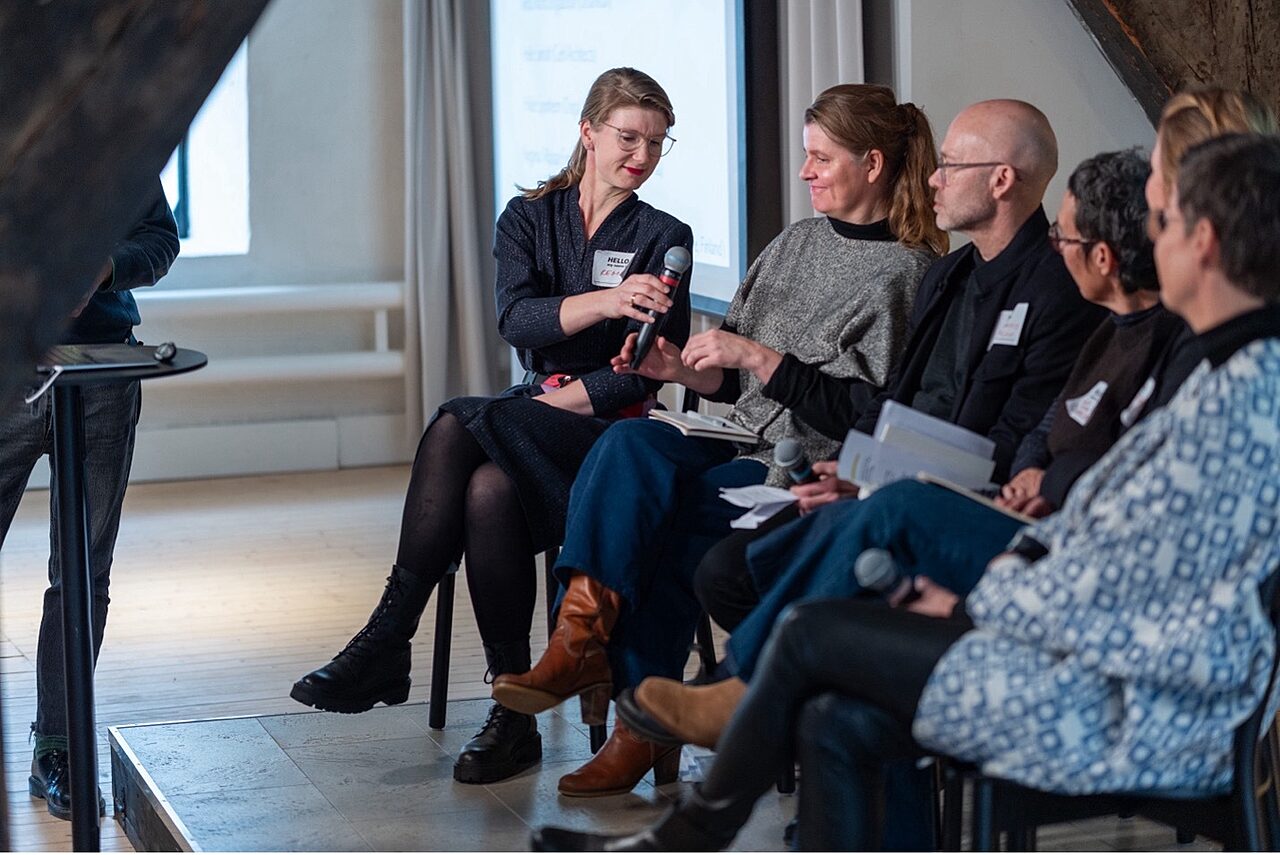
Photo 3 Panelists discussing Nordic architectural policies and NEB. © Daniel Engvall, Form/Design Center
The panelists highlighted many implicitly shared themes across Nordic architectural policies and the role of NEB as both a cultural transformation tool and a supplementary framework to existing regulations. Panelists further advocated Nordic architectural policy collaboration for sharing best examples, breaking down silos, improving procurement practices, and integrating social and cultural values into sustainable strategies.
Throughout the discussion it was illuminated how architecture, design, and infrastructure development are intertwined with social and environmental goals in all the existing architectural policies and policies in the preparation.
Nordic policies already embrace this perspective, but there is a significant opportunity to elaborate these policies through the NEB framework further. By integrating Nordic architectural policies into the New European Bauhaus initiative, these nations can reinforce their leadership in sustainable and inclusive design while benefiting from European cooperation. NEB, together with the national policies, offers a unique platform to advance shared goals.