Red list status
Red list status from IUCN (Europe) and national lists (DK, NO and SE) is provided in Table 1.
The European IUCN red list ratings vary between the listed species. Four species are Least Concern (LC), and two are Data Deficient (DD), but five are either Vulnerable (VU), Near Threatened (NT) or Endangered (EN).
Table 1 further reveals that three species are categorized by IUCN as either NT, EN or VU, but are showing increasing stock trends, namely blue ling, halibut and dogfish. This is promising, but the landings follow the same pattern, which may be putting any further recovery of these species at risk unless managed carefully.
The IUCN list and the national lists show inconsistent patterns. The Swedish list provide the most pessimistic impression, whereas the Norwegian list is the most optimistic. Note that since the listed species are not common in the Baltic Sea, the Swedish status ratings are confined to Kattegat and east Skagerrak, whereas the Danish list also include information from parts of the North Sea and the Norwegian list and IUCN include data from a much larger area extending beyond Skagerrak and the North Sea.
In addition to the species presented in Figure 4, the skates and rays complex includes species that are classified by IUCN (Europe) as LC (i.e. Rajella lintea), Critically Endangered (CR) (i.e., Dipturus batis) and NT (i.e., Raja clavata). The national lists align more or less with IUCN, except for D. batis, which is rated regionally extinct (RE) by Denmark and Sweden and R. lintea is rated NT by Sweden. The SAMSKAG status indicator was not calculated for skates and rays because of species identification issues in the surveys.
Read more about the official red list status ratings here:
NOTE
The Skagerrak focus of the study was given by the project outline. From a biological point of view another area division may have been more sensible. Furthermore, the recommendations given are common and not a direct result of this study, and they can be equally valid in other geographical areas.
The analyses presented are correlative only, they do not imply any causation or evidence for stock population dynamics. To gain a fully comprehensive understanding of the status of the stocks, more detailed studies, and ideally analytical stock assessments are required. Also, the list of species included is by no means exhaustive.
“Fisheries are known to have unintentional effects on habitats and species which are not directly targeted by fishing activity. This can include the accidental capture (bycatch) of potentially sensitive species, as well as the potential disturbance of seafloor habitats.” Quote from the homepage of the SEAWISE project on the implementation of Ecosystem Based Fisheries Management in the EU.
Read more on https://seawiseproject.org/themes/
See also:
Protecting the Skagerrak for biodiversity, food and climate pub.norden.org/nord2024-031/
Spatial population structure and connectivity among marine populations in the Skagerrak: implications for marine biodiversity conservationpub.norden.org/nord2024-033/
Atlantic wolffish (Anarhichas lupus) prefers rocky habitats, where it lives in close association with the bottom and can grow to more than one meter. The role of Atlantic wolffish in the Skagerrak ecosystem is poorly studied, but wolffish species are known to play important ecological roles because of their strong jaws and specialized teeth that enables them to eat animals few other predators can. The meat is considered high quality. The species have internal fertilization, low fecundity and parental care. The male will guard an egg ball for 8 months from spawning until hatching. There is no ICES advice for this species in Skagerrak.
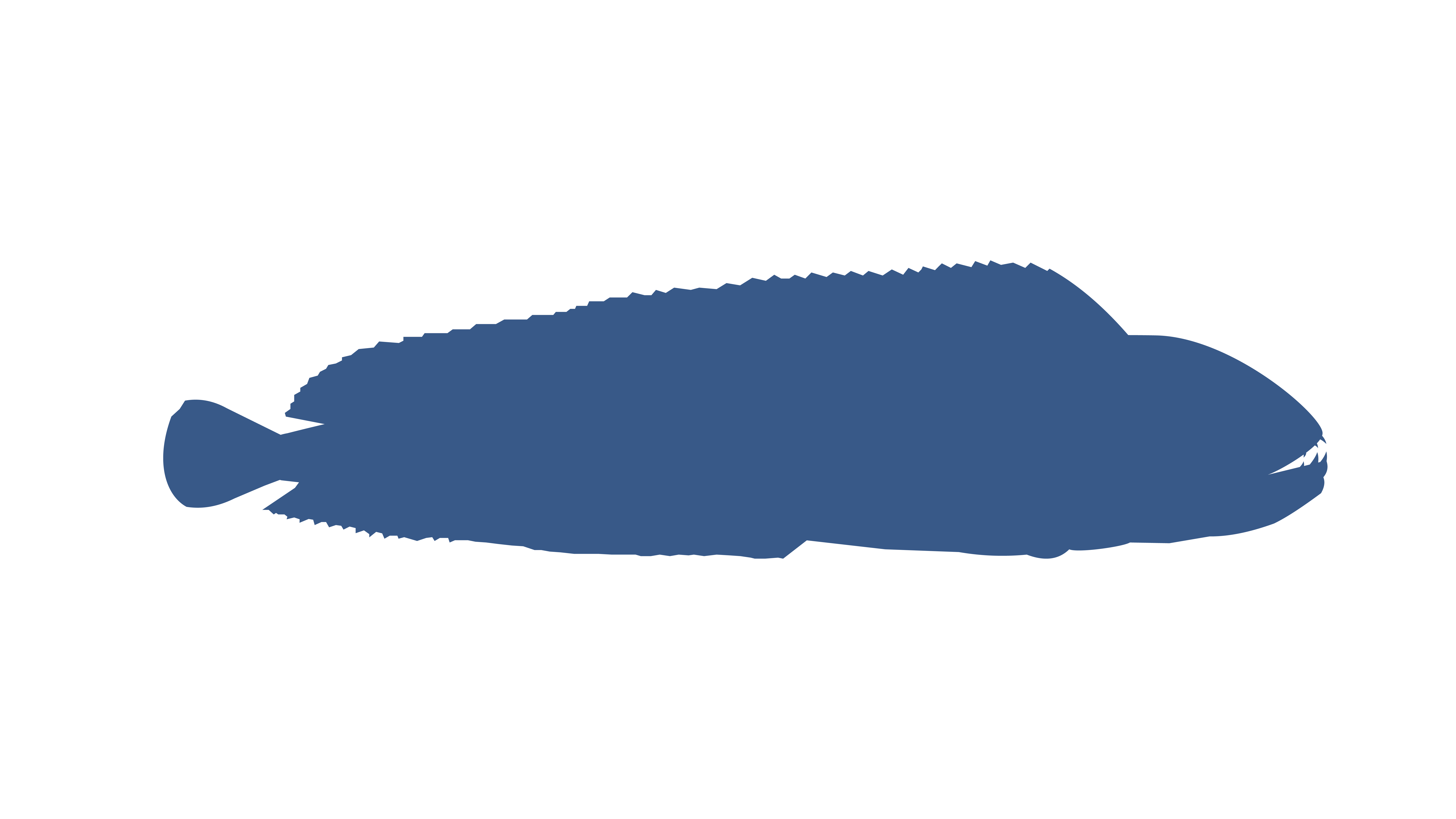
Roundnose grenadier (Coryphaenoides rupestris) is a relatively small deep-sea species. They are slow growing and mature at a relatively old age. The species undertakes vertical migrations and may play a role in the transport of biological production to the deep-sea ecosystems. Although the meat is tasty, it is mainly landed for industrial purposes. Among the species considered here, C. rupestris is occasionally caught in large numbers in the Norwegian shrimp survey, in the deeper areas of Skagerrak. The stock unit is Kattegat and Skagerrak, and the assessment is category 3. The stock was depleted by a directed fishery in 2000–2005, and recovery depends on a new strong year-class. High recruitment seems to occur rarely; the last recruitment pulse was in the early 1990s, The advice from ICES has been 0 for many years, but catches have been much higher in recent years.
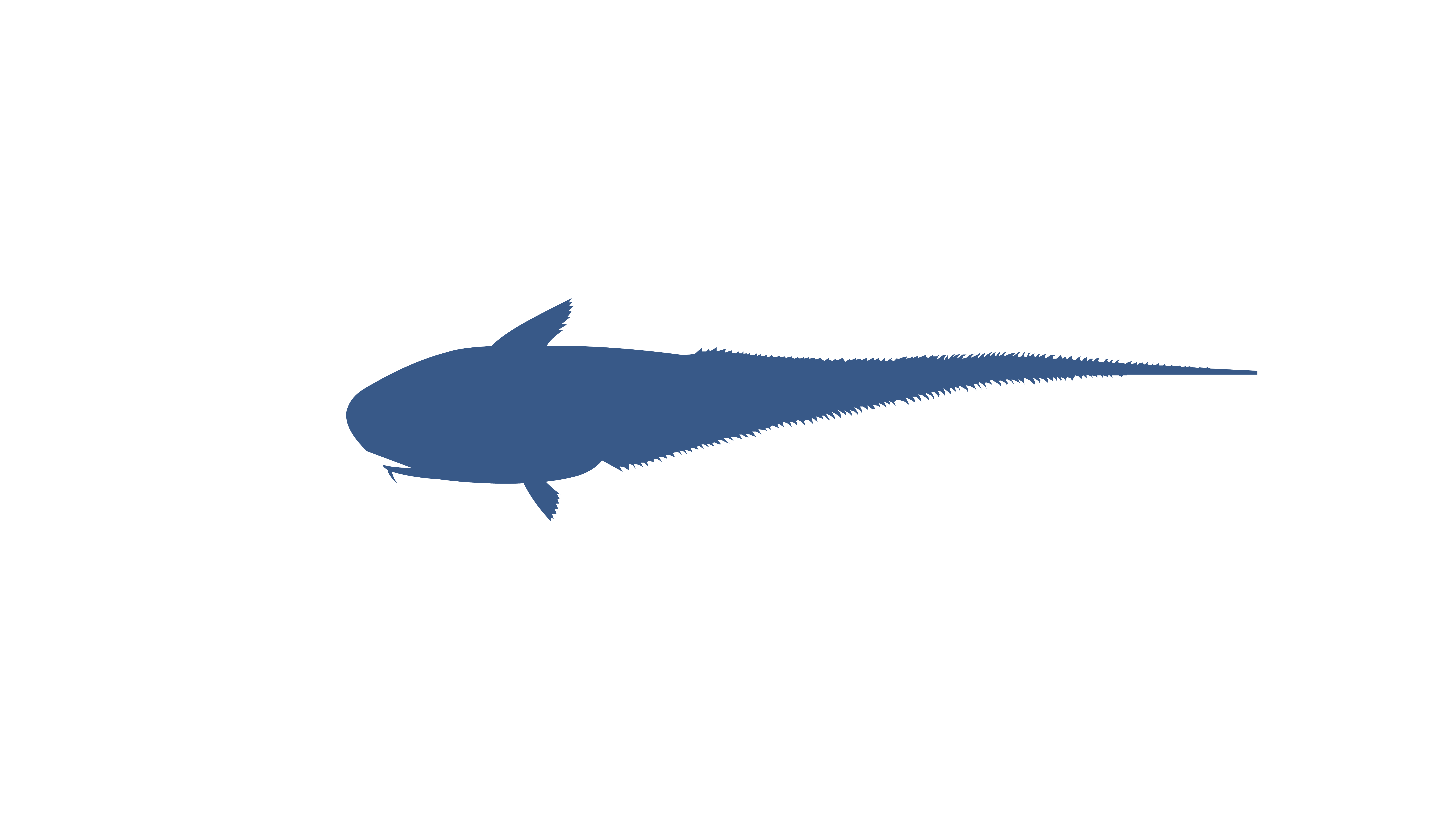
Blue ling (Molva dypterygia) is a medium size deep-sea species that grows slowly and matures late in life just like most other deep-sea species. The meat is tasty and has often been selected for by consumption fisheries in the North Atlantic, especially around Iceland. It feeds on other deep-sea fish and shrimps. The assessment is category 5, the stock unit stretches across the entire North-East Atlantic and the ICES advice is zero.
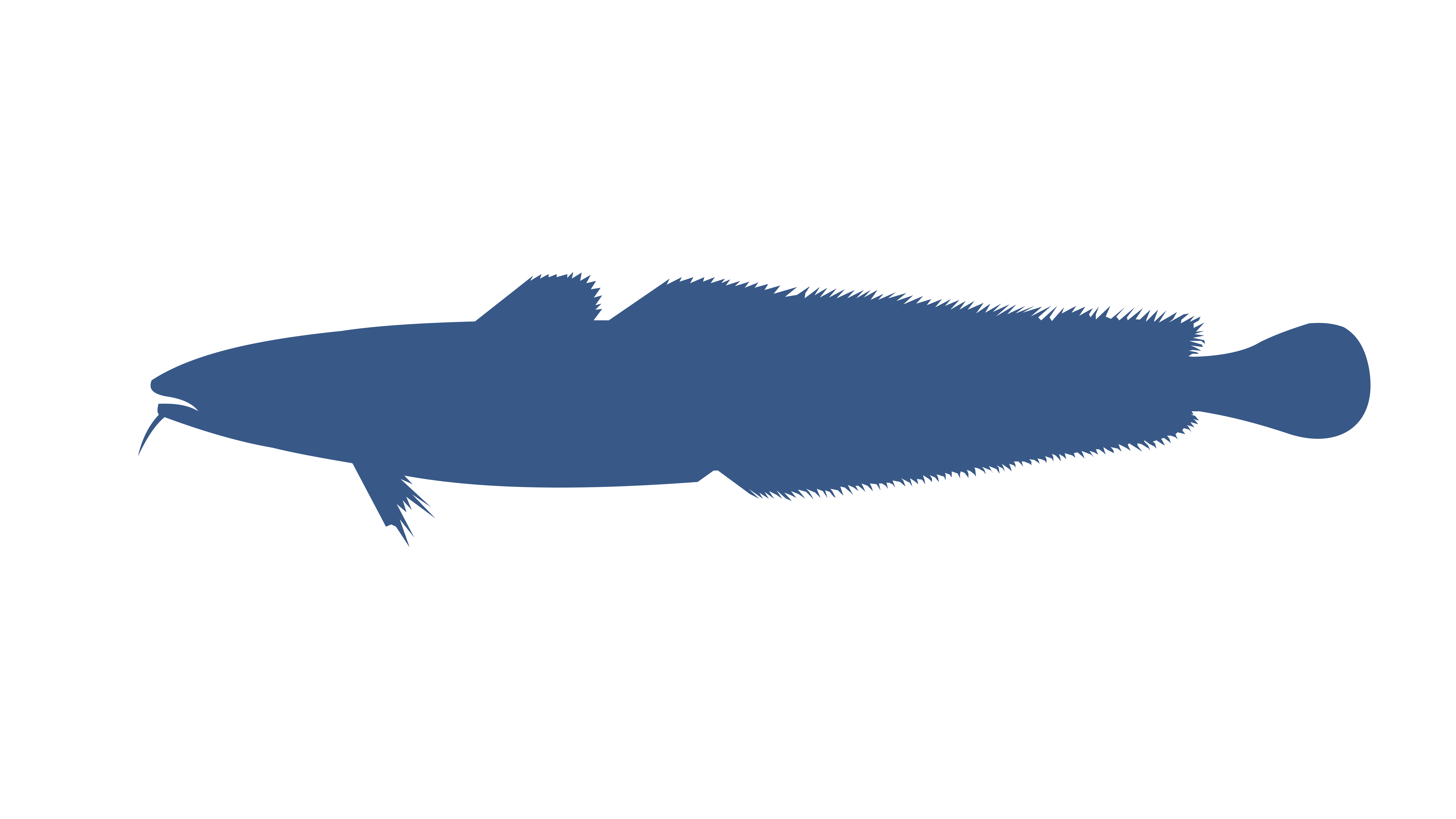
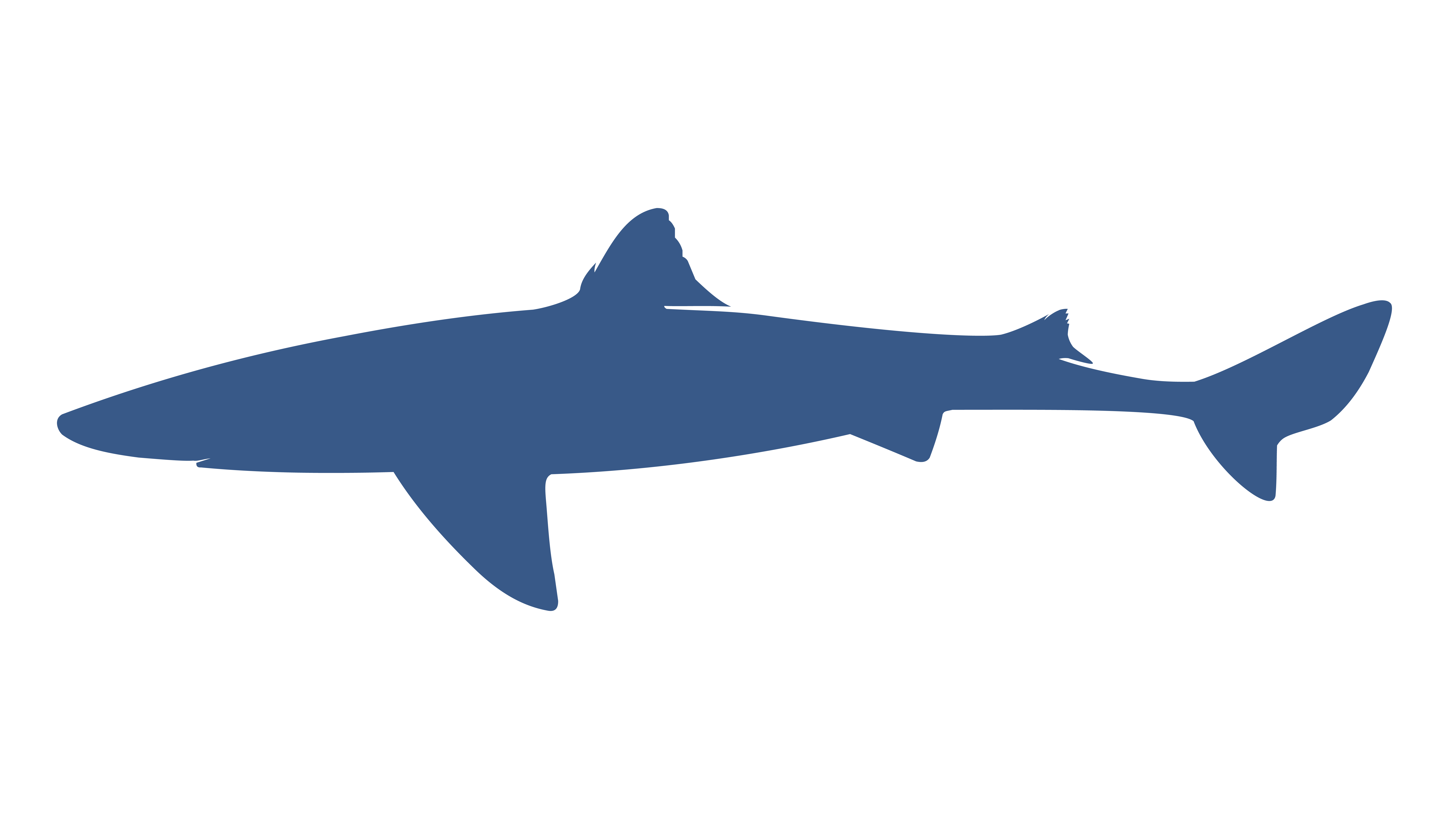
Dogfish, spurdog or spiny dogfish (Squalus acanthias) is a relatively small pelagic shark. They are highly migratory, are often found in schools and actively hunt pelagic fish species. They produce only a few, but large, eggs like most other viviparous (giving birth to offspring that develop within the mother) elasmobranchs. Among the species listed here, S. acanthias is one of the most common species to be found in both the IBTS survey and the shrimp survey in Skagerrak. In recent times, its meat has increased in popularity for human consumption. There is a category 1 assessment for the entire North-East Atlantic and adjacent water, and stocks size is estimated to have been within safe biological limits since 2013.
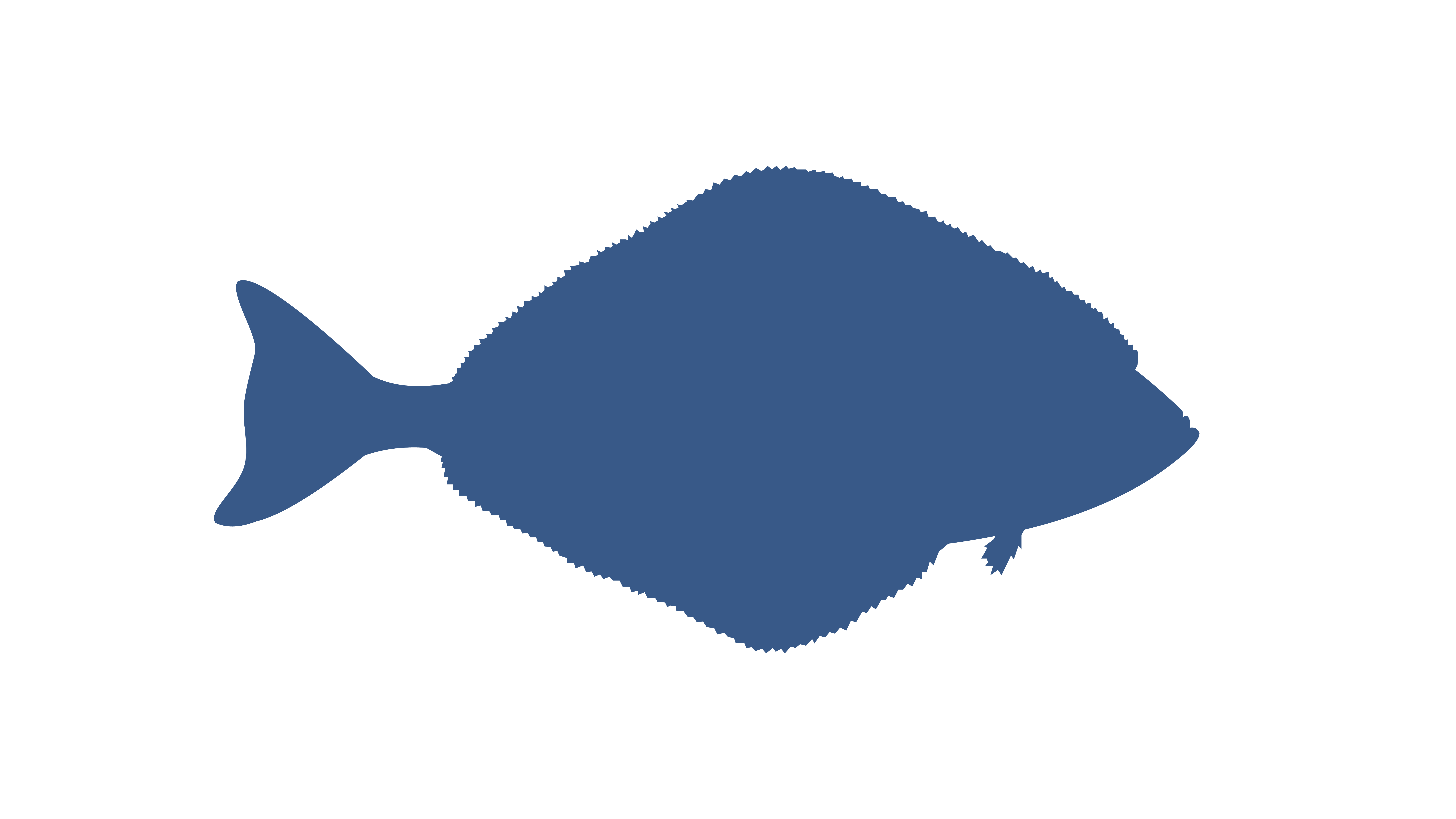
Halibut or European halibut (Hippoglossus hippoglossus) is the largest of all flatfishes. They can be found at all depths and are opportunistic top predators that can engulf large prey. Halibut is very tasty, and the meat is highly valuable. There is no ICES advice for this species in Skagerrak.
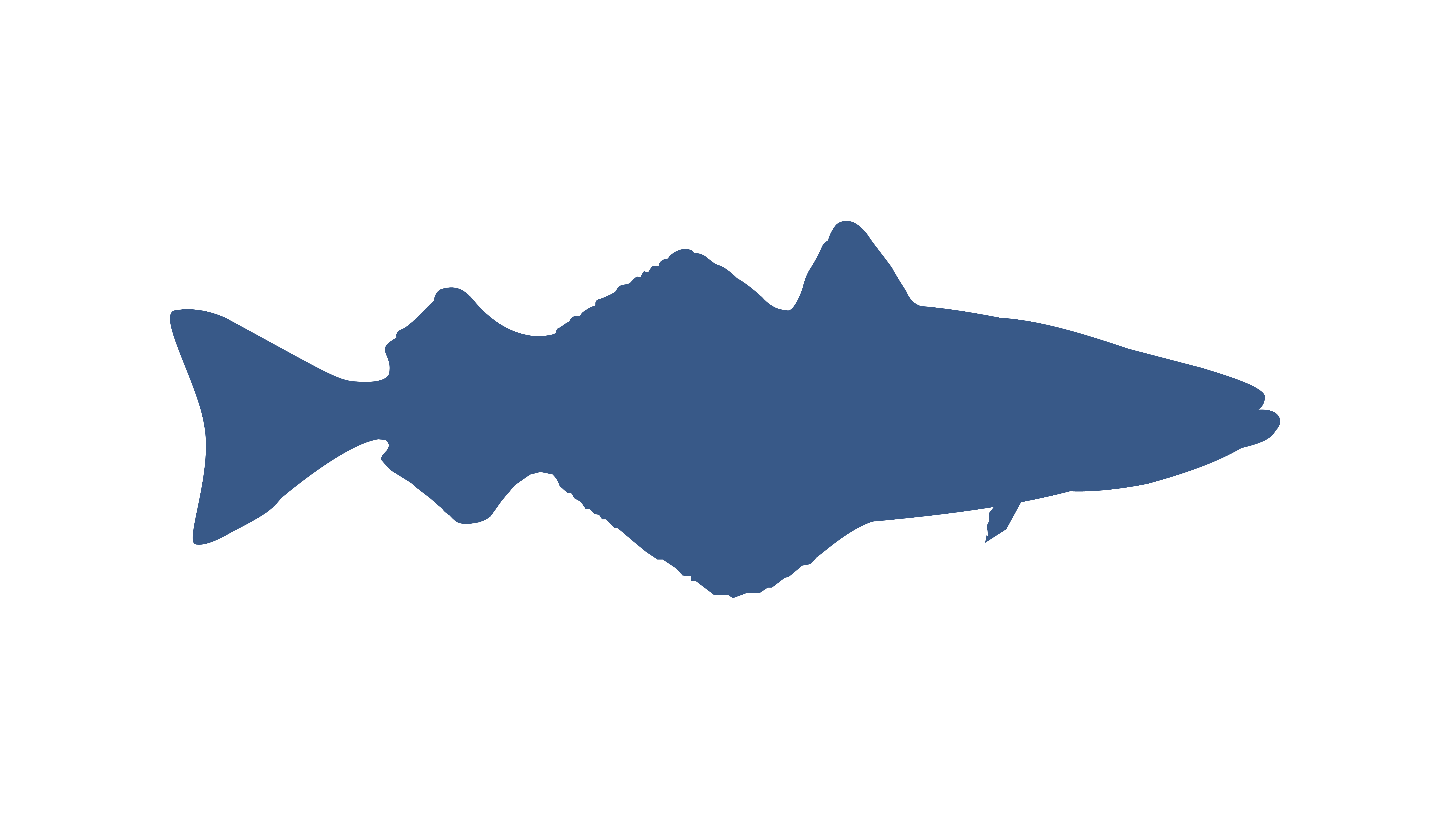
Pollack (Pollachius pollachius) is a “codfish” (a gadoid) and lives in the pelagic often close to rocky coastlines or around wrecks or offshore reefs. The meat is tasty and considered better than that of its relative, the saithe. Pollack has a category 5 assessment, the stock unit is the North Sea, Kattegat and Skagerrak and the advice has not been updated since 2022.
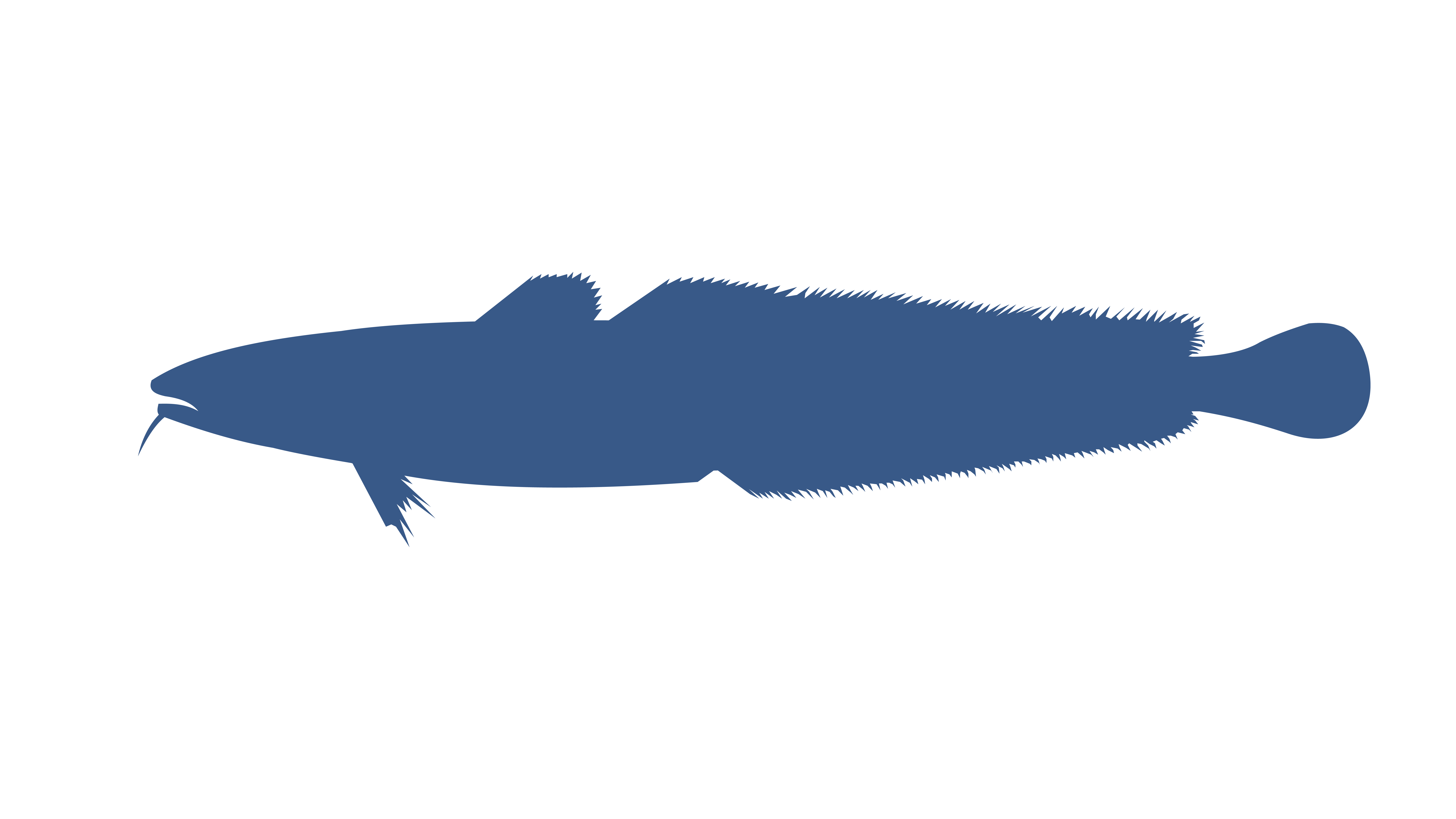
Ling (Molva molva) is a potentially large fish. It is an elongated gadoid, commonly found in relatively deep water, where they prefer rocky sea bottom or shipwrecks where they live a resident lifestyle hidden in caves and hollows. They are ambush feeders and prey mainly on fish and they are relatively old when maturing. It is an important species to consumption fisheries in some areas. The assessment is category 3, and catches currently match the ICES advice and the stock unit is the entire North-East Atlantic.
Greater forkbeard (Phycis blennoides) is a medium sized deep-sea species. The meat is tasty, but most catches are unintentional catches in bottom trawls and on long lines. Little is known about biology and distribution of spawning areas. The assessment is category 3, the stock unit stretches across the entire North-East Atlantic and adjacent waters and fisheries are catching about twice that of the ICES advice.
Anglerfish (Lophius piscatorius, L. budegassa) can grow large, but most catches consist of smaller individuals. It can be found in both relatively shallow water and in the deep sea. It is a ferocious ambush predator that eats about everything and both small and large prey. It can be relatively abundant in some areas and is therefore likely to have an important role in the food chain. They are spawning throughout their range of distribution. In 2024 the assessment went from a category 3 to a category 1 assessment and the catch advice has been tripled since 2022. The stock unit covers North Sea, Rockall and West of Scotland, Skagerrak and Kattegat and the stocks size is estimated to have been within safe biological limits since 2010, but far from the stock size in the 1980s.
Lumpfish or lumpsucker (Cyglopterus lumpus) grows to about the size of a football. Little is known about its biology, ecology, and distribution. It is found close to shore in shallow water during spawning season, where eggs are attached to hard substrate and guarded by the males. Outside the spawning season it is occasionally caught in the water columns all over the North Atlantic and at a wide range of depths. The roe is a highly priced delicacy, but the meat is considered of inferior quality. The lumpsucker has recently received a lot of attention in the Danish media because of indications that the species is in decline in some places. There is no ICES advice for this species.
Tusk (Brosme brosme) is a small to medium sized fish found on hard bottoms down to a depth of several hundred meters. The meat is tasty, and the species is targeted by commercial fisheries in many areas, and it serves as both predator and prey. ICES advice is aligned with catches, but Norway is allowed to take an additional large amount from area 4 UK zone, but haven´t done so. The stock unit is the entire North-East Atlantic. The assessment is category 3.
Skates and rays in Skagerrak consist of at least a handful of species (i.e., Amblyraja radiata, Rajella lintea, Dipturus batis, and Raja clavata), some of which are of commercial value and highly priced by restaurants, whereas others are considered game fish by anglers. Some are common and others classified as endangered or even extirpated. There is no species-specific ICES advice for these species since they are difficult to distinguish.
The redfish or rockfish (Sebastes spp.) include a small group of relatively small deep-sea species in Skagerrak. The most common species recorded in Skagerrak is S. viviparus. S. norvegicus is also found but the species are very difficult to distinguish and are therefore often registered as Sebastes spp. in landing statistics. They are slow growing and mature at a relatively old age, and S. viviparus give birth to live young (viviparous). The Norwegian shrimp survey encounter these in relatively large quantities in Skagerrak, but at present, they are only of marginal importance to the fisheries and less than 10 tonnes was caught in Skagerrak between 2013 and 2022. However, they are considered as table fish and the two larger species, S. mentella and S. norvegicus, are targeted by fisheries further north. There is no management of Sebastes spp. in Skagerrak.
Smaller individuals of Helicolenus dactylopterus, the Black belly rose fish, are common in the Norwegian shrimp survey in some years, but not recorded in the landing statistics. Due to the strong resemblance with Sebastes spp., any catches are likely to have been recorded as such.
American plaice (Hippoglossoides platessoides) are very common in the surveys and several tonnes are caught each year, for example as bycatch in the shrimp fishery, but the species is not considered of any commercial value (yet). There is no management of H. platessoides in Skagerrak.
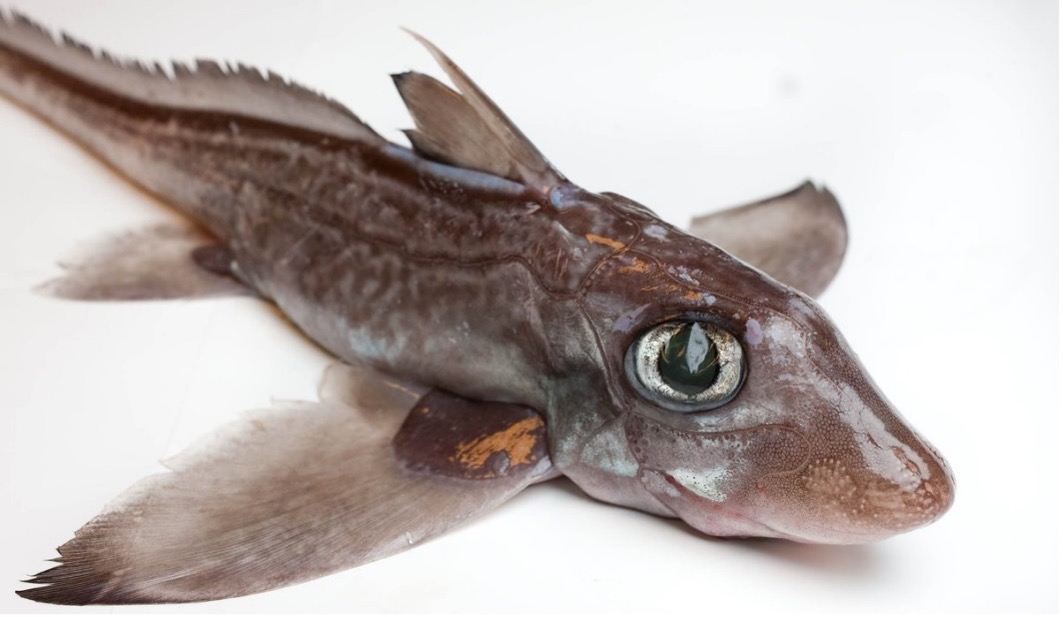
Ratfish or rabbitfish (Chimaera monstrosa) is a cartilaginous deep-sea species (Figure 5). It is considered inedible, but in some parts of the world the species is becoming increasingly attractive to fisheries because of its large oily liver, which is used to produce dietary health supplements. Among all the species mentioned here, C. monstrosa is one of the most abundant fish species in the Norwegian shrimp survey in Skagerrak. There is no management of C. monstrosa in Skagerrak.
It should be emphasized that this list is not exhaustive and only fish was considered in the study (i.e. crabs, lobsters, bivalves and cephalopods were not included)