Foreword
Small water suppliers face different and relatively more challenges in delivering safe drinking water than are encountered in larger systems. Through this project we sought practical means to increase the resilience of small water supplies to contamination solutions appropriate to their variable and challenging contexts. Our detailed findings are described in these six scientific papers:
Paper 1 Status of risk-based approach and national framework for safe drinking water in small water supplies of the Nordic water sector.
Paper 2 Implementing risk-based approaches to improve drinking water quality in small water supplies in the Nordic region – barriers and solution.
Paper 3 Water quality for citizen confidence: The implementation process of 2020 EU Drinking Water Directive in Nordic countries.
Paper 4 Small water supplies in Nordic countries: climate change effects, risks and contingency planning.
Paper 5 Lessons from Covid-19 effects on small Nordic water supplies: future resilience and vulnerability.
Paper 6 Surveillance structure and inspection challenges of small water supplies in the Nordic region.
These papers are oriented towards understanding the situation as well as challenges to improve the situation. In this final report we summarize those findings and recommendations and synthesize the results to derive system-level responses involving relevant stakeholders, together with opportunities to improve the situation in an unavoidably resource-constrained environment.
The forerunner to this project was a joint study by University of Iceland and Lund University Sweden
which showed more frequent waterborne outbreaks and much higher non-compliance with fecal contamination occurring in small supplies than in the larger ones in the Nordic region. These finding initiated the project “Improving drinking water quality at small water supplies in the Nordic countries” presented here, with participation of all the eight Nordic countries: Åland (AX), Denmark (DK), Faroe Islands (FO), Finland (FI), Greenland (GL), Iceland (IS), Norway (NO) and Sweden (SE). The work has been supported by the Nordic Council of Ministers – Nordic Working Group for Microbiology & Animal Health and Welfare (NMDD) from 2019 to 2025, along with the affiliated institutions of the authors. The contributors are listed after conclusions.
Paper 1 – Status of small water supplies in the Nordic countries: Characteristics, water quality and challenges. (2017)
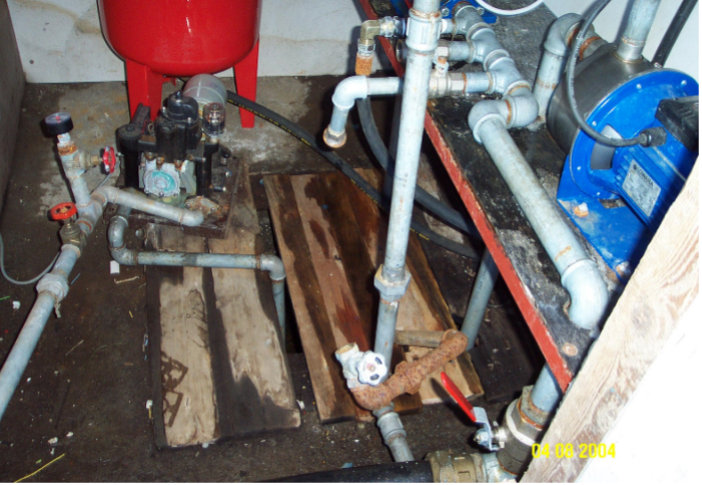
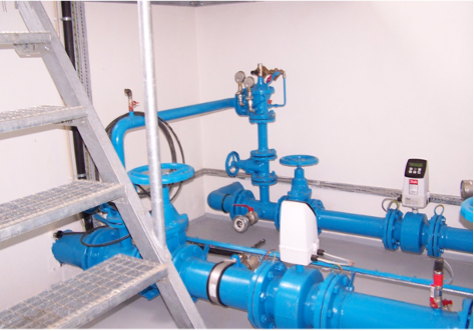
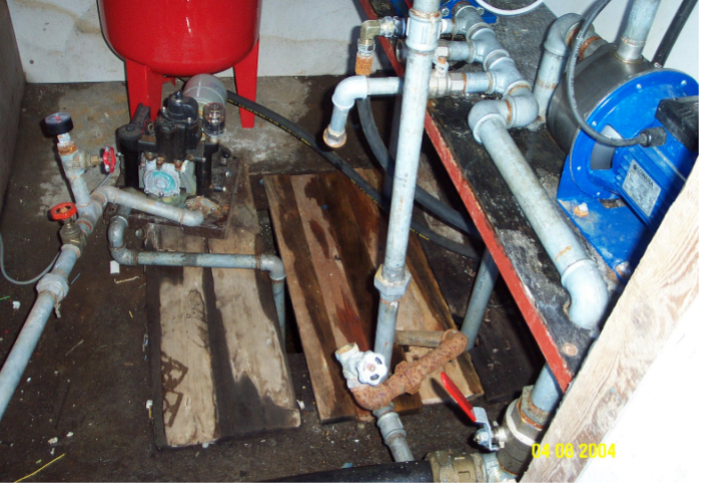
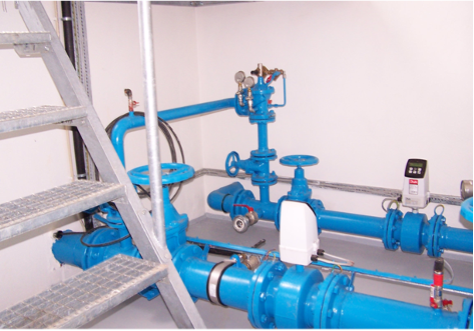
The pictures show water intakes for two small water supplies with different approach to water safety. The one on the left had a waterborne outbreak some years back where about 100 people came ill whereas the one on the right has had a risk-based approach in place for over two decades and always compliant in drinking water quality.