Session 3 Alternatives to labelling: Business and policy initiatives to ensure consumer awareness and changing buying habit
Companies along the value chain (fisher organisations, processors, supermarkets) can play a key role in engaging and educating consumers about products they put onto the market. This was the focus of the third part of the Workshop. This may involve information campaigns, consumer guides, educational tools, nudging in shops and restaurants all the way through to establishing the groundwork for certification systems that can alert consumers to GHG contents of the food products they consider buying. Likewise, the public policy toolbox includes information campaigns and labelling, but taxes and subsidies as economic market instruments may also be considered. Which of such policies and private initiatives are most effective in improving food literacy and moving consumers towards climate friendly food products was a central issue addressed in Session 3.
Jorgen Larsson (Chalmers University) talked about the use of taxes and subsidies to change consumer demand towards healthier food with lower GHG emissions. He underscored that dietary habits are both an individual choice but also a social challenge insofar as many costs are associated with obesity and unhealthy diets more generally. He mentioned that the climate effect of food intake is more than double that of the traffic polluting effect on climate. The policy options available are dietary guidelines, voluntary labelling, marketing regulations and taxes and subsidies. The work carried out in his projects showed that taxes could be an instrument of choice in moving towards a healthier food intake with a positive effect on climate. A broad majority of respondents supports an increase in tax on sugar sweetened beverages and a reduced tax on fruits and vegetables and whole grain products. The support for taxing red meat is less straight forward; it is supported only if the tax revenue is used to lower taxes on healthy food.
Anna Elizabeth Jorgensen (Espersen A/S) provided a view from the fish processors and their work on labelling for sustainability food intake and CO2. Espersen’s sustainability strategy deals with net positive fishing, resource use, supply chain integrity and worker health and welfare. Insofar as Espersen’s fish supplies are concerned almost 100 per cent of the fish is certified to standards such as MSC and ASC. That is also the case with other raw materials used in the production. Retailers are asking for additional information related to sustainability, and it is envisaged that information regarding climate impact will soon follow. However, it remains a challenge that production lines are not batch oriented and serves individual products and customers each with their requirements. In preparation for further labelling requirements Espersen has identified and agreed to carbon emission reduction targets while participating in a case study that seeks to strengthen data transparency of supply chains. This will help move toward greater transparency and product labelling for climate.
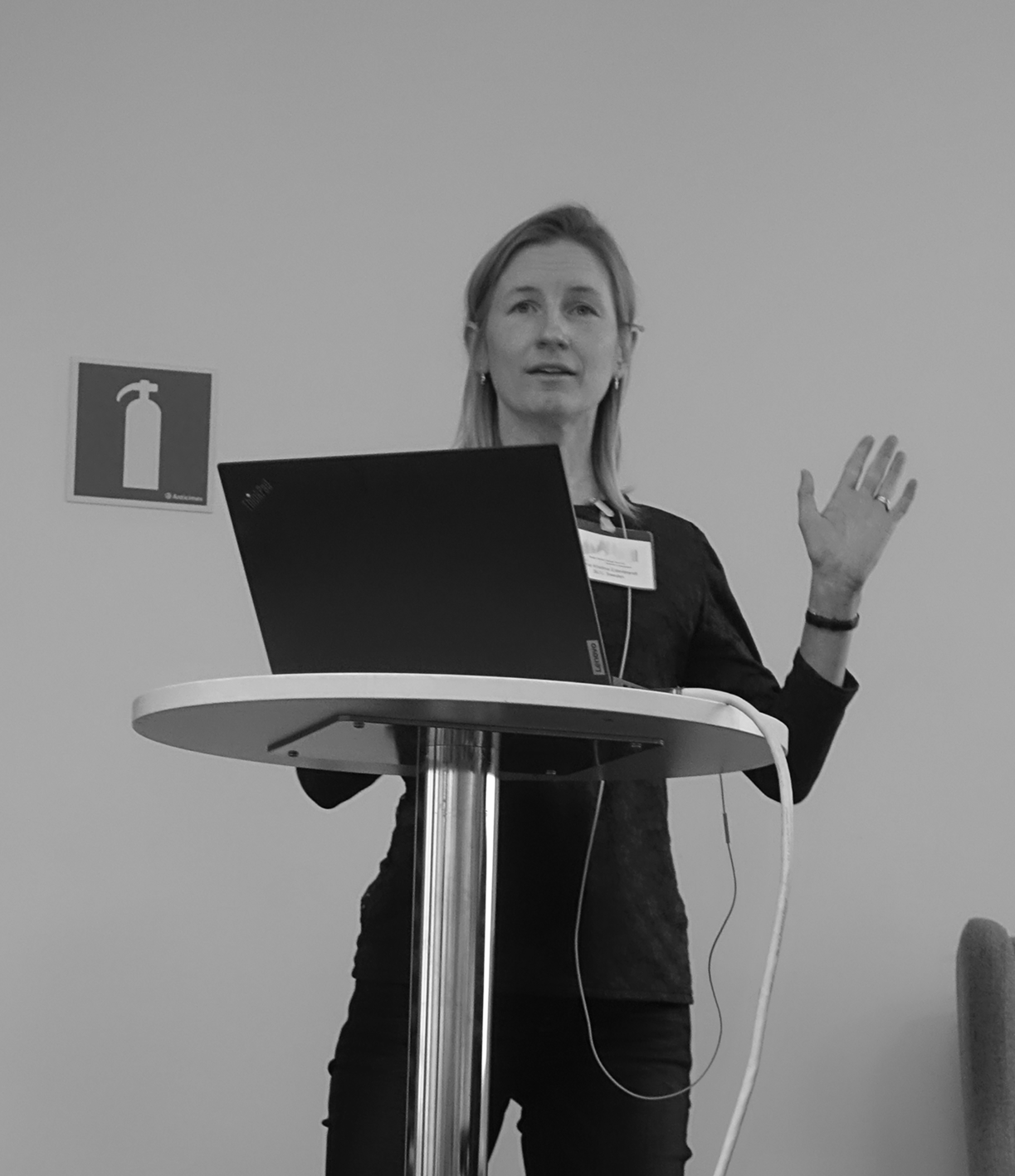
Do consumers care about labelling for climate change? was the central question posed by Anna Kristina Edenbrandt (SLU) in her presentation. She referred to a study undertaken with COOP Sweden and which analysed information from an online questionnaire and purchase data. This study concluded that the consumers with the heaviest emission pattern are also the same that know little about climate change; they are also those with the least interest in climate information on products. The study also revealed that climate labelling is a means to inform consumers and enable choice, but that this is highly dependent on the label and information design. Finally, it was observed that climate labels can inform consumers as well as producers and thus provide an incentive for processors to reduce their climate impact.
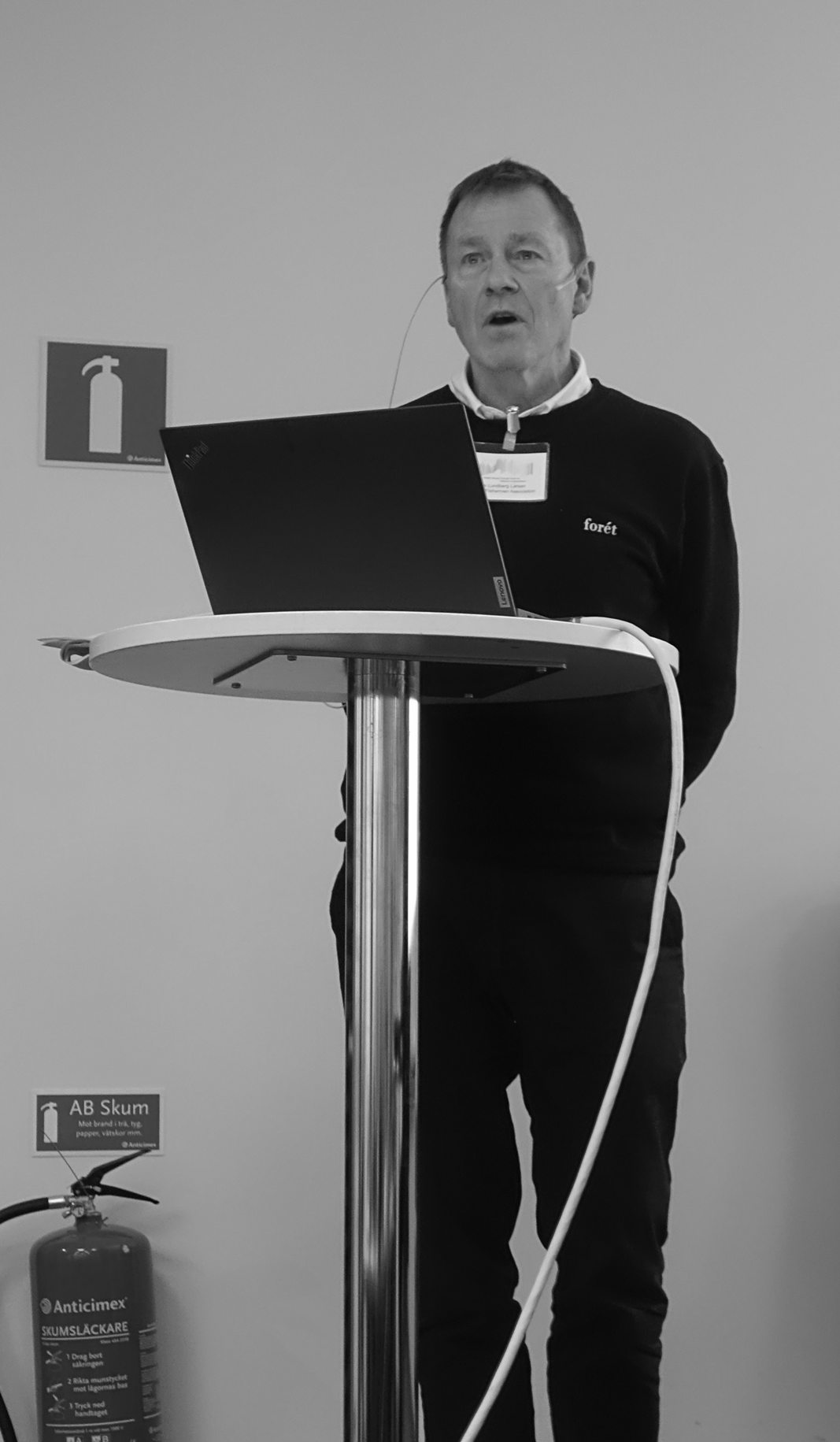
Ole Lundberg Larsen (Danish Fishermen’s Organisation) provided an overview of the functioning and activities of the Danish Fisherman’s Organisation. He highlighted that the CO2 emissions from the Danish fishing fleet have been reduced by 60 per cent since 1990. This has come about by changing fisheries management settings and resulted in fewer but bigger vessels. Additional reduction in CO2 emission is anticipated and zero emission to be reached by 2050 at the latest. He referred to an ambitious tax reform agreed to in 2022 which will introduce a CO2 tax; this will include the fisheries sector, but without a compensations arrangement decided. It is likely that this new arrangement will have consequences including that fishers will refuel abroad (where there is no CO2 tax). Green transition is not yet feasible due to technological issues and lack of innovation. The cost of the CO2 tax will be borne by the industry due to international competition and the fact that most fish is sold via auction. He then reviewed the work on the Danish climate label proposal of which the Fishermen’s Organisation had been a partner. While not yet implemented, it has not been thoroughly shown if such a national, but voluntary labelling system will have the desired effect in nudging consumers towards a healthier diet with lower climate impact.