Session 2 Life Cycle Assessment and CO2 labelling in the Nordics
In Session 2 the Forum focussed on understanding the state of the art with respect to life cycle analysis across the Nordic fisheries and aquaculture sectors. Life cycle analysis (LCA), a sine quo non method for food climate labelling, captures the greenhouse gas emissions through the value chain and is thus the crux of the matter in identifying which food product has which level of greenhouse gas emission, measured from “capture to table”. The Forum also identified data requirements, and the methodological challenges involved in establishing a comparative set of GHG measures for food products, with a focus on fish and fish products. This has implications for fisheries policy makers, fisher organisations, fish processors and supermarkets alike.
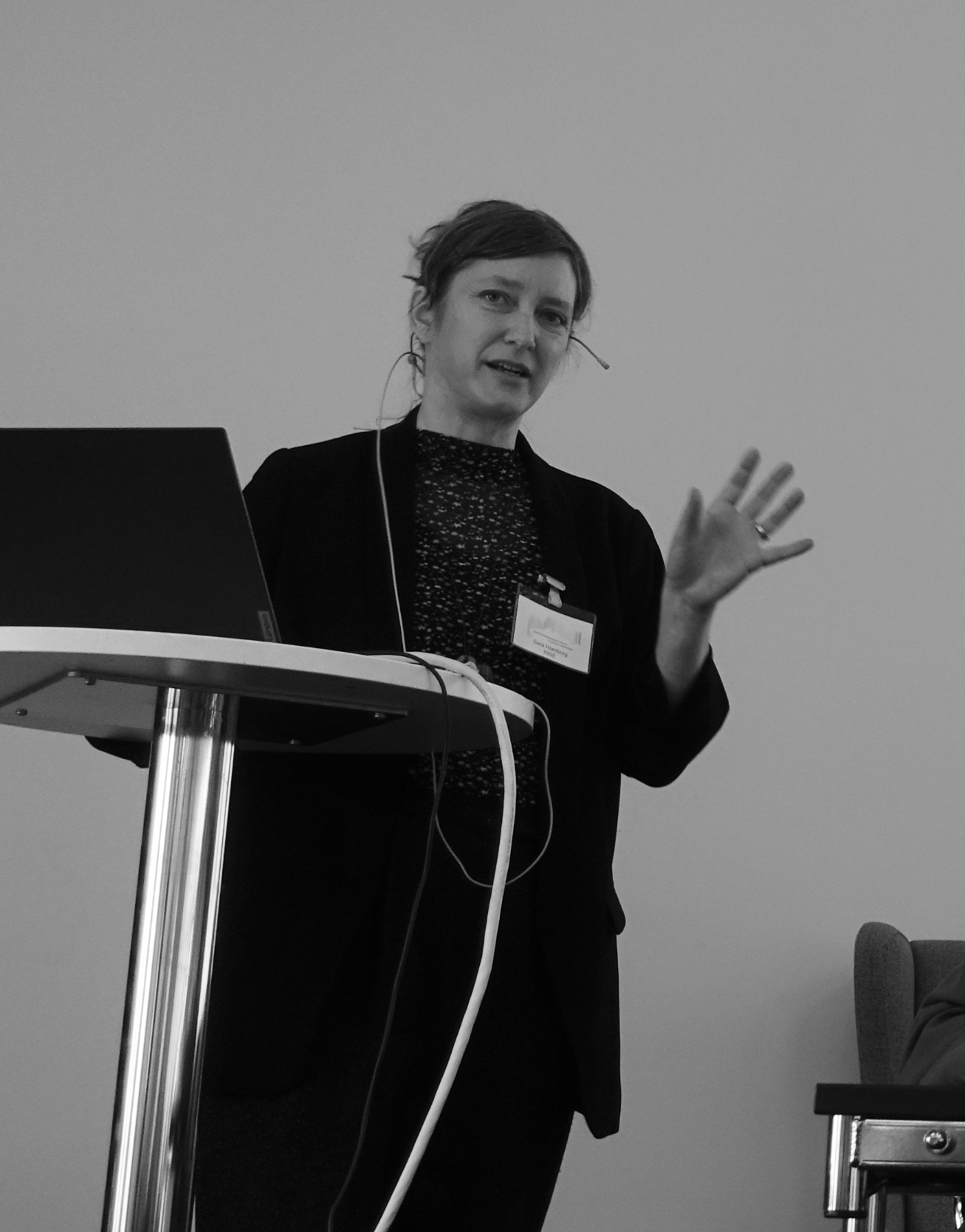
Sara Hornborg (RISE) gave a presentation dealing with the harmonisation of life cycle assessments (LCA) and looking into recent advances and further research needs for seafood LCAs. She highlighted that due to different decisions taken in LCA modelling, and different age and quality of underpinning data, it is imperative to apply caution when interpreting available LCA results across countries and products. She underscored the need for harmonizing these methodological decisions taken in individual LCAs when performing comparisons of foods in e.g., diet studies, and provided a couple of examples on how this may be done and insights gained. Furthermore, the LCA in its present form is inadequate in assessing impacts on biodiversity, but method development in rapidly taking place. One initiative in this respect is the Food Biodiversity Database at RISE. However, it is still open for discussion if LCA is the right approach to assess biodiversity impacts. Besides a lack of robust biodiversity assessment methods, in particular for seafood, another gap in the present LCA approach to assessing climate impacts of fisheries is lack of consideration of potential effects on carbon sequestration in the ocean. Moreover, biogenic emissions of aquaculture are gaining increased attention in LCA modelling. In conclusion she mentioned that improved GHG estimates for seafood in LCAs are needed, which calls for further research and data collection for a better understanding of basic ocean processes and how to accurately model them in LCAs, and that representative and harmonized LCAs are essential for informed decision-making.
The presentation by Henrik Stenwig (Norwegian Seafood Federation (Sjømat Norge)) provided an overview of the status of the product environmental footprint rules (EU-PEFCR) as they relate to marine fish for human consumption. The Product Environmental Footprint method (PEF) provides guidelines for modelling, calculating, and reporting life cycle environmental impacts of products and organisations. The PEF method, developed by the European Commission, are built upon established international practices and standards, such as ISO 14040/44. As such they provide a tool to make informed purchasing decisions. The original project started in 2014 and only finished recently covering both wild caught fish and farmed fish. The work is expected to be published shortly and will then be a useful, and (sine qua non) essential for LCA in fisheries, set of guidelines/reference document for how to assess the climate impact as well as fifteen additional environmental impacts of fish from both wild caught and farmed sources. Ultimately, this may then be the basis for consumer product information.
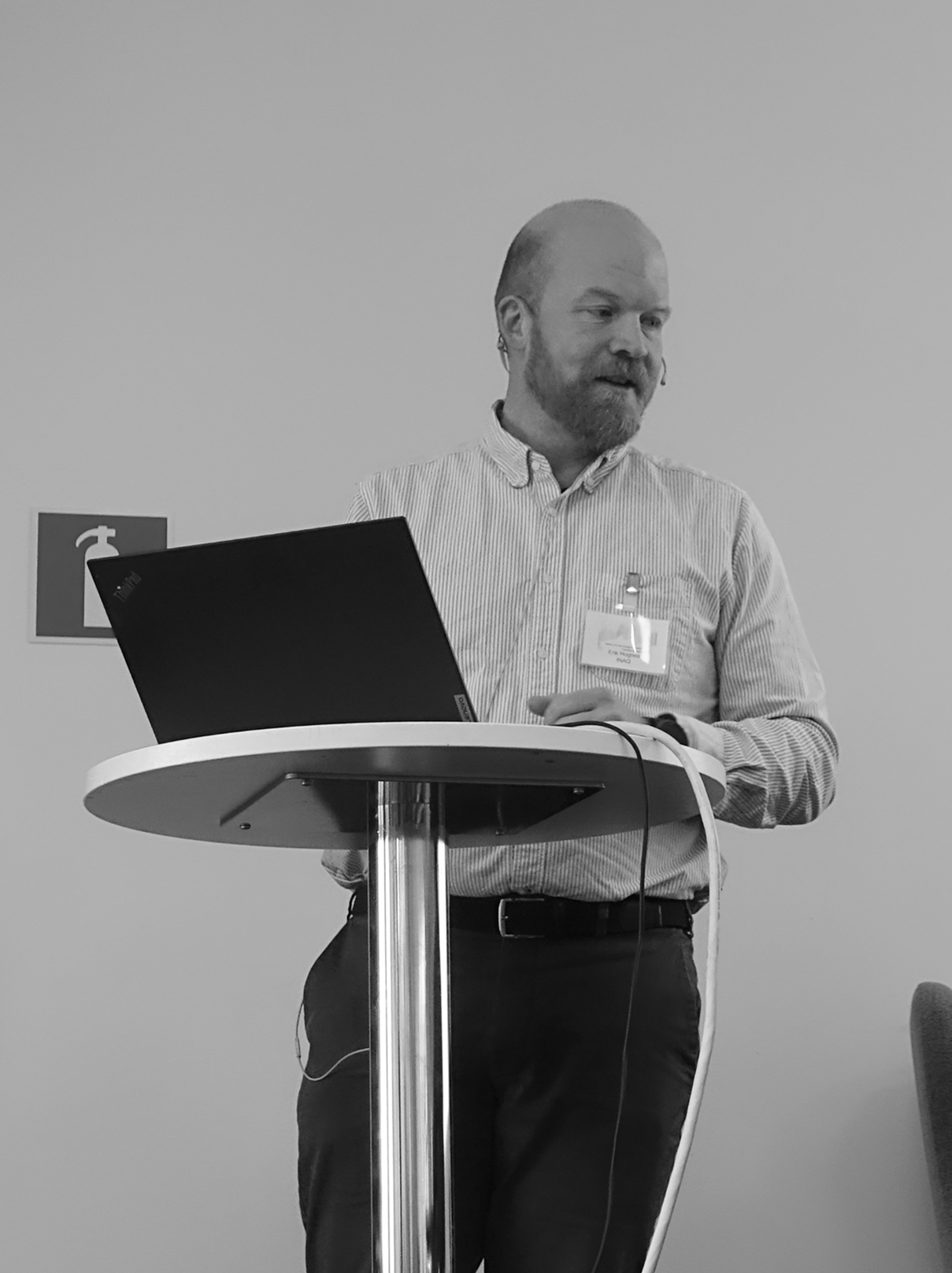
Erik Hognes (INAQ) reflected on the practical lessons from the use of LCA in the seafood industry. He underlined that for LCA to have a real impact, management and board members of companies using it need to familiarise themselves with the intricacies of these methodologies and understand their scope and limitations. He also observed that a transition towards lower GHG emissions should be driven by companies internally and not by consumers. There is a close link between the requirements for reporting on cooperate sustainability (e.g. CSR Directive) and the use of LCA as a tool to help in doing so. In conclusion, Hognes highlighted that LCA is an important conceptual tool to help advance towards better reporting and understanding of climate impact and that this should be internally driven as a means for companies to help reduce their overall climate impact.
Rannvá Danielsen (NORSUS, Norway) provided an overview of the ongoing “New Tools” project which seeks to develop environmental and social scores for food products. This is a major project involving 28 partners from throughout the food value chain and a 40 million NKK. project over five years. The methodology for assessing environmental and social impacts is Life cycle assessment and Social life cycle assessment, respectively. In order to identify the most important environmental and social impacts for food products, stakeholders were consulted through surveys and workshops. Not all of these impacts were relevant for fisheries and aquaculture, and some impacts needed specific indicators for assessing impacts related to fisheries and aquaculture. Environmental and social indicators for fisheries and aquaculture are currently being tested for their suitability and feasibility. A major challenge is the weighting of these different indicators into a single score that can be used to communicate the overall environmental and social impact of food products.
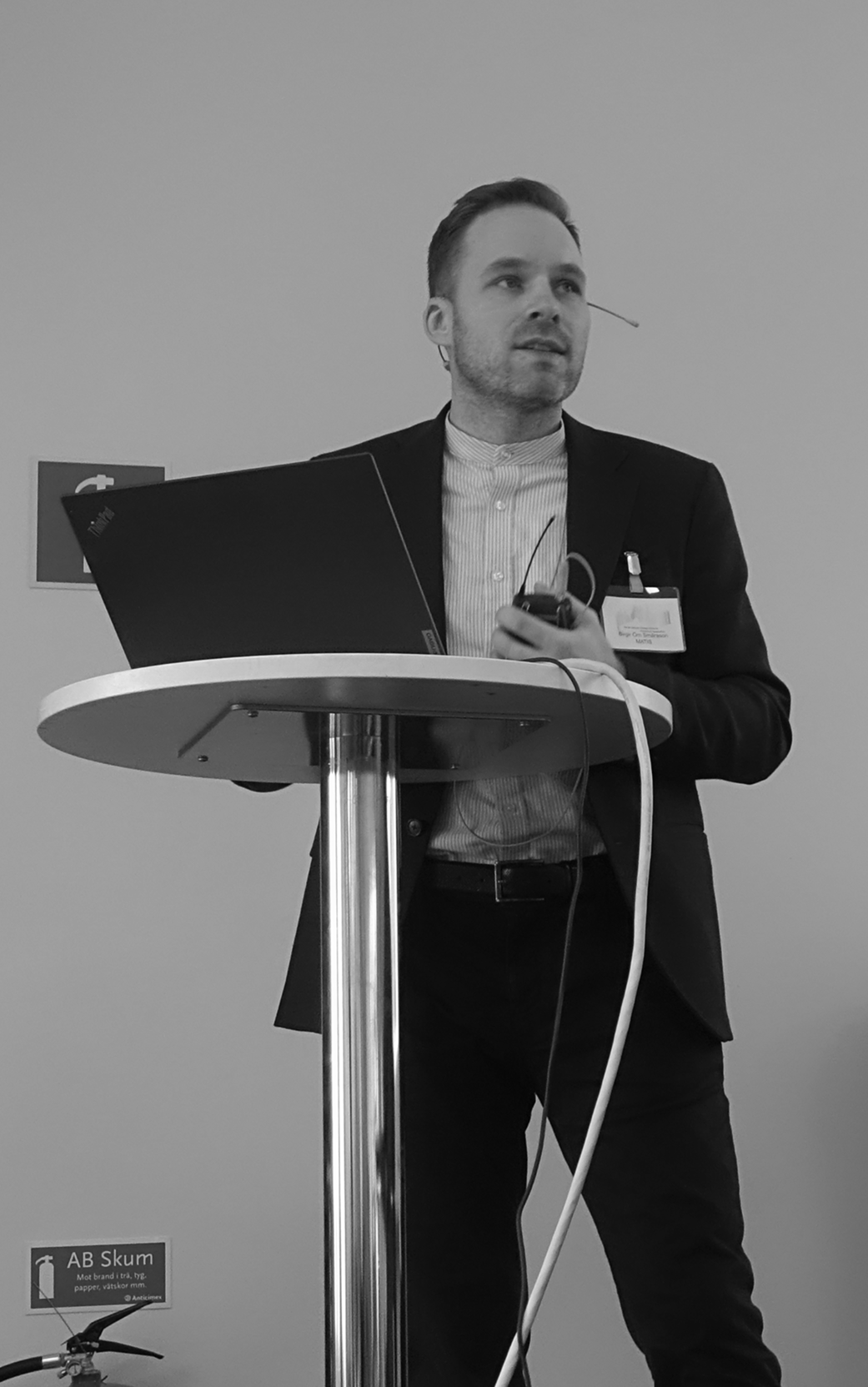
The final presentation in this session 2 by Birgir Örn Smárason (MATIS) concerned an ongoing Icelandic project on measuring the carbon footprint of Icelandic food. A major challenge in establishing an LCA for Icelandic food is data availability. The aim of the project is to provide consumers, the government and stakeholders in Iceland with reliable, transparent and comparable information about the environmental impact of food. However, data are fragmented as very few primary food producers have solid organised records. The big Icelandic fish companies are an exception, and good and accessible data that can be used for LCAs are readily available. The Icelandic project uses internally agreed LCA methodologies as outlined by ISO standards 14044 and 14040 and the EU-PEFCR. The project has so far been able to calculate carbon footprint for lamb, milk, beef, potatoes and cucumbers. Principal conclusions from the first part of the project concern the challenges of data availability and that further joint effort across stakeholders is needed on data management. Two new projects were also presented on carbon footprint assessment and the development of a tool for calculations and data management of fisheries in Iceland.