Appendix
Appendix 1: Literature review search strategy
Search terms
Searches for the literature review were performed in international and national databases. The aim was to find measures that have been evaluated during the last decade and aimed at preventing organized crime or the harm it causes and supporting desistance from crime. The development of search terms was based on the assignment and a previous literature review (see Villman & Kaakinen, 2024). In the previous literature review, external gang crime experts from Denmark and Sweden were used in the validation of the search strategy. The search terms are presented in Table 7. The search terms were translated for searches in Swedish and Danish.
Group | AND | Intervention | AND | Country |
"gang*" OR "clan*" OR "crim* network*" OR "crim* group*"OR "crim* organization*" OR "crim* organisation*"OR "organized crim*" OR "organised crim*" OR "cartel*" OR "syndicate*" OR "criminal association*" OR "criminal business*" OR "outlaw group*" OR "motorcycle gang*" | AND | "intervention*" OR "preventi*" OR "policing" OR "action*" OR "approach*" OR "initiati*" OR "cooperat*" OR "program*" OR "support*" | AND | "denmark" OR "danish" OR "swed*" |
Table 7. Literature review search terms
Search strategy and results
Systematic database searches were carried out in four different databases: Web of Science, Scopus, SwePub and Research Portal Denmark. In addition to these searches, exploratory searches were carried out in relevant databases and on organizations’ websites. Information on the matches during the different phases of the searches can be found in the flowchart (Figure 3). The first screening based on headings and summaries yielded 166 hits. After the second screening, a total of 76 reports and articles remained, which formed the material of this literature review.
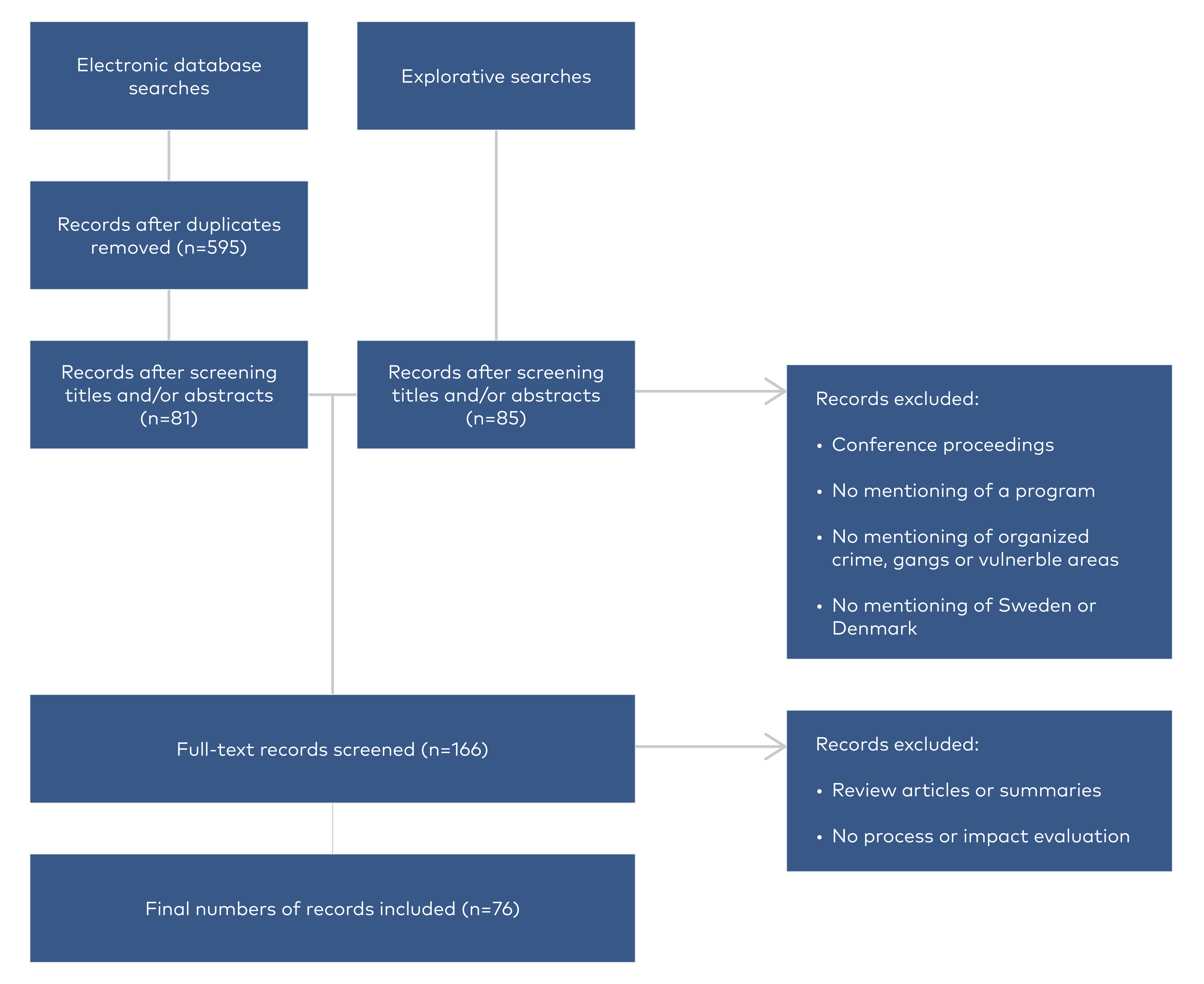
Figure 3. Flow chart of literature review
* Database searches: Web of Science, Scopus, SwePub, and Research Portal Denmark.
** Exploratory searches: Google scholar, Socialstyrelsen (Swe), Social- og boligstyrelsen (Den), Justisministeriets forskningskontor (Den), VIVE, The Danish Centre for Social Science Research, BRÅ (Swe), Det Kriminalpræventive Råd, Riksrevisionen and Rigsrevisionen.
Appendix 2: Display level classification
A key challenge in outcome evaluations is that the target groups of the measures are quite select (e.g. high risk of crime). As consequence, it is not meaningful to directly compare the changes that take place in them to other groups or regions, for example (Farrington, 2003). For this review, we have included outcome evaluation studies that measure changes in the target group of the measure before and after its implementation, and the change is compared to a control group that is as similar as possible (excluding descriptive studies). The plausibility of the comparison is reflected directly in the evidence level of the study. Randomized trial setup at the highest level of evidence facilitates the most reliable causal conclusions. Randomity is used in the selection of the targets of the measure (e.g. the selection of areas), in which case the target group does not otherwise differ from the control group. In the second-highest level of evidence, quasi-experimental setups, on the other hand, statistical methods aimed at incorporating randomity characteristic of the experimental setup, and reducing the potential impact of factors unrelated to the procedure on the results, are used. In correlative arrangements at the lowest level of evidence, the subject of the procedure is compared to one of the control subjects. The comparability of the target and control group is strengthened by statistical methods such as multivariate modeling, standardization or matching.