4. External co-operation projects
NKE has funded several projects with external actors in 2019–2024. These projects have contributed to the Nordic co-operation objectives in a wider range. In particular, projects with AMAP and HELCOM have helped to strengthen the cross-sectional co-operation in the Baltic and Arctic region. In addition, NKE has co-funded projects with other working groups under the Nordic Council of Ministers for Environment and Climate.
Examples of external projects
Risk perception awareness and knowledge of contaminants in pilot whale: Learning from 40 years of risk communication on the Faroe Islands
The aim of this project was to explore which factors contribute to risk perception, awareness and knowledge concerning contaminants in pilot whale. For decades, the consumption of pilot whale meat has been a public health debate in the Faroe Islands, due to the high levels of contaminants, such as mercury, PCB and more recently PFAS. These findings will contribute to the ongoing effort to inform the Faroese population about the risk associated with consuming contaminated pilot whale meat.
The 3rd Workshop on Pesticide Fate and Effects on Environment in Northern Zone
The workshop was held in Finland and was organised by the Natural Resources Institute Finland (Luke) in September 2024. The workshop brought together 50 experts from research institutes, administration, and competent authorities from ten European countries to present and discuss recent monitoring results of pesticide residues in the soils, surface and ground waters and biota in the Nordic countries. The outcome of the workshop will be a review article that gathers the current knowledge on the fate and effects of plant protection products in the Northern climatic and environmental conditions, to be published in an open access scientific journal. Similar workshops have been organised earlier by Sweden and Norway in the last decade.
Harmonized Regional Seas Assessment Tool (HARSAT)
The project was integrated in an ongoing collaboration between AMAP, HELCOM and OSPAR to further improve and harmonize their respective assessment tools, to make these easier to maintain and use in the future. An overarching objective of this collaborative work is to provide/disseminate an available (open source) tool that implements best practice methodology for statistical analysis, and which makes the methods and associated tools more widely available and easier to maintain. Existing tools are therefore being restructured into a user-friendly, fully documented, data science tool that is flexible (i.e., to future needs) and published under an OpenSource license.
Lead organisation | Title of a project | Year |
Research Department in Faroese Hospital System | Risk perception awareness and knowledge of contaminants in pilot whale: Learning from 40 years of risk communication on the Faroe Islands | 2024 |
Finnish Safety and Chemicals Agency (Tukes) | New approach methods (NAMs) training for regulators of Nordic countries | 2024 |
Natural Resources Institute Finland (Luke) | The 3rd Workshop on Pesticide Fate and Effects on Environment in Northern Zone | 2024 |
Swedish Chemicals Agency (KEMI) | Steps towards a re-validation of methods and models used in the risk assessment of PPP in the light of climate change | 2024 |
Arctic Monitoring Programme (AMAP) | Negative effects from litter and microplastics in animals (gap analysis) | 2023 |
Helsinki Commission | Strategisk Holistisk Handlingsplan för Giftiga Ämnen – förbättrad förvaltning för att reducera risker och påverkan | 2023 |
Arctic Monitoring Programme (AMAP) | Harmoniseret regionalt havvurderingsværktøj/Harmonized Regional Seas Assessment Tool (HARSAT) | 2023 |
Swedish Chemicals Agency (KEMI) | Förstärkning av informationskraven för ämnen i 1–10 ton i REACH | 2021 |
VTT Technical Research Center of Finland | Workshop/webinar related to the adaptation of transformation/dissolution (T/D) protocol for the assessment of ecotoxic properties of ashes | 2021 |
UBM | Closing the loop: Towards sustainable governance of chemicals | 2020 |
Stockholm Universitet | Östersjöcentrum ChemPact: Utsläpp av kemiska föroreningar via utgående vatten från reningsverk och påverkan i Östersjöns avrinningsområde | 2020 |
Aarhus Universitet | Institut för miljövidenskab Fauser et.al. Kemikalier i nedbrudt mikroplastik i det marine miljø | 2020 |
Arctic Monitoring Programme (AMAP) | Systemer til arktiske tidsserier analyser til støtte for internationale initiativer | 2019 |
Baltic Sea Center | Utsläpp av kemiska föroreningar via utgående vatten från reningsverk och påverkan i Östersjöns avrinningsområde | 2019 |
Swedish Chemicals Agency (KEMI) | Indicators for chemical information transfer in the textile value chain | 2019 |
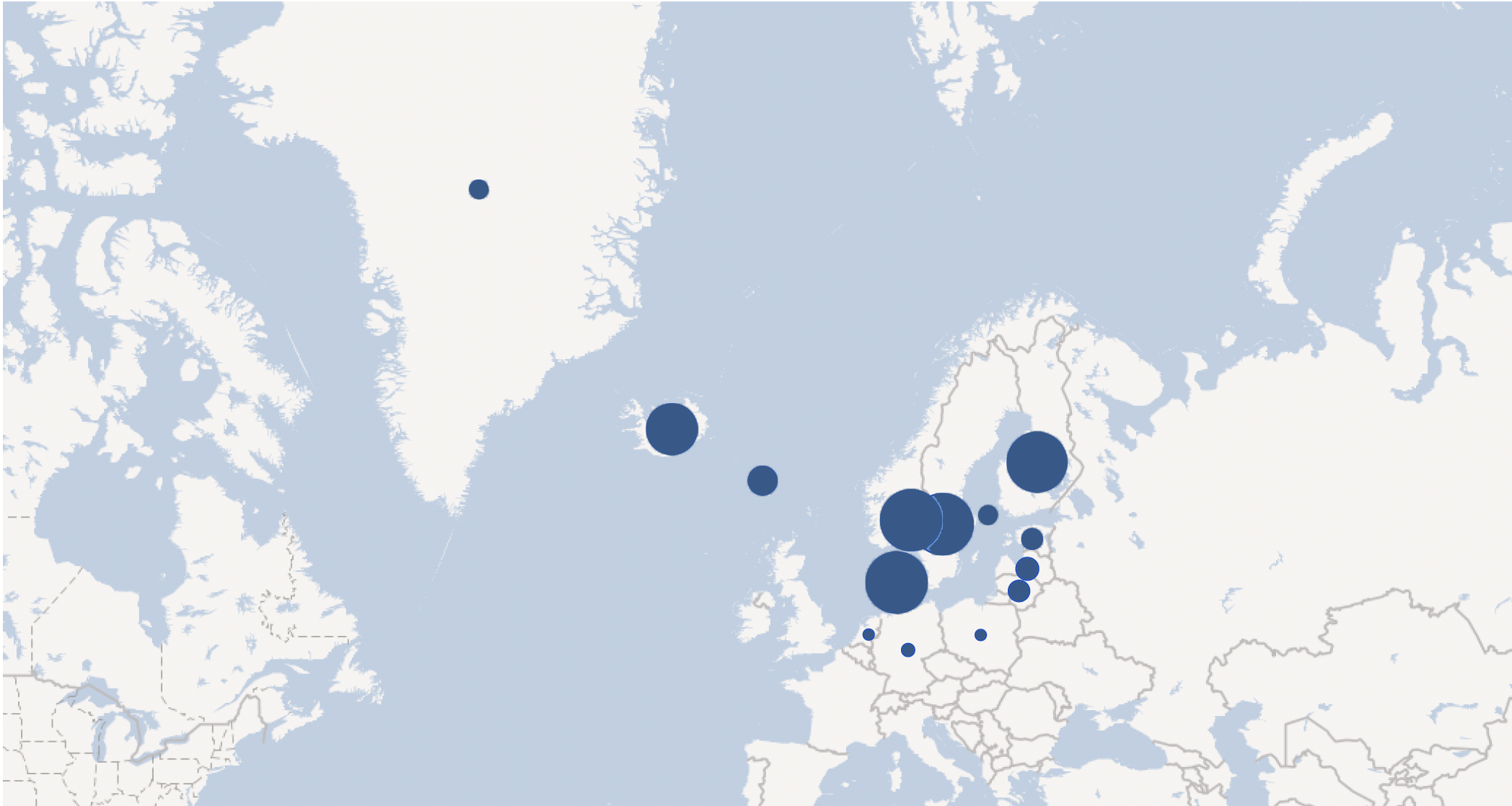
Table 1. External projects financed by NKE during co-operation period 2019–2024
Publications
Here are listed TemaNord reports from external co-operation projects. In addition to the reports listed, the projects may have published reports under their home organization or produced scientific articles.
Bylund, A., Stibolt, M. and Gustavsson, N. (2022). Indicators for chemical information transfer in the textile value chain. Nordic Council of Ministers, TN2022:549. Available at: https://www.norden.org/en/publication/indicators-chemical-information-transfer-textile-value-chain
Fauser, P., Zhu, L., Sanderson, H., Jensen, S., Bogevik, A. and Vorkamp, K. (2022). Chemical additives in weathered microplastic in the marine environment. Nordic Council of Ministers, TN2022:520. www.norden.org/en/publication/chemical-additives-weathered-microplastic-marine-environment
Wahlström, M., Tiberg, C., Fejde, K., Mäkelä, T., Kikuchi, J and Mohammadi, A. (2022). Ecotoxic properties of ashes in hazardous waste classification. Nordic Council of Ministers, TN2022:525. Available at: https://www.norden.org/en/publication/ecotoxic-properties-ashes-hazardous-waste-classification