3. Summary of subgroup results 2019–2024
The next chapters summarise the purpose and results of each sub-group under the co-operation period 2019–2024. Each chapter follows a general structure: short description of the group, relevant goals contributed to, Nordic (and other) participation to projects, a case study of a success story, and publications or other project outcomes produced by the group.
Sub-groups




















3.1. Nordic Biocides Group
3.1. Nordic Biocides Group
 | Nordic biocides group focuses on safety aspects of handling and using biocides, biocide products and articles treated with biocides. The group develops, interprets, and implements work routines and procedures related to EU biocide legislation (the Biocide Regulation EU 528/2018), including evaluations, risk assessments and product approvals. |
Activities and benefits
NBG worked with biocides according to the Biocidal Products Regulation (BPR, Regulation (EU) 528/2012). NBG ran projects on current and important biocide issues. The projects were chosen and discussed jointly and one of the countries took the leader role for managing the projects. The outcome of the projects has been published in the Nordic working paper or a Tema Nord publication.
During the period 2019–2024 altogether three projects were carried out:
- rodenticide alpha chloralose project,
- disinfection of drinking water in water treatment plant,
- a project on efficacy of surface disinfectants in Nordic animal production facilities at winter temperature.
Co-operation in the NBG has influenced the biocide work in the Nordic countries. The co-operation has increased the knowledge on biocides and given ideas and support when planning own national biocide work. Knowledge exchange about the challenges in the biocide work (e.g. in the authorisation and use of biocidal products, national restrictions and practicalities or risk assessment) and discussions about different interpretations and regulations in the biocide legislation have been important. Besides, through Nordic co-operation, individual countries have better possibility to influence EU discussions and biocidal legislation, as well as to create and strengthen the Nordic position for EU discussions.
Achievements and impact
The project results and the gained knowledge have been utilized in the risk assessment of biocidal products and biocidal actives substances as well as in communication of biocide related issues to public, relevant stakeholders, and other interest groups. Results of the projects have had impact on chemical risk management and risk mitigation measures both nationally and in the EU and on EU level agreements on common interpretation of the Biocidal Product Regulation.
One example of benefits of the cooperation has been discussions about the efficacy and use of antifouling (AF) products in the Baltic. This cooperation has influenced management of AF products in the Baltic Sea area. E.g. in Finland authorisation conditions of AF pleasure craft products have been reassessed and tightened. In addition, NBG has been active in interpretating the Competent Authorities for biocides document related to Biocidal Product Family (BPF). A proposal was made to ECHA of which way AF BPF could be divided in a harmonised way so that the mutual recognition of AF products is possible.
Nordic biocide projects have been conducted to increase knowledge on hazardous substances, i.e. evidence connecting a rodenticide alpha chloralose to cat deaths, use of drinking water disinfectants in the Nordic countries and efficacy of surface disinfectants in low temperatures. The knowledge generated in these projects is used repeatedly when efficacy requirement of the concerned disinfectants is discussed at the EU level. Some results, e.g. results on cat poisonings and antifouling results were disseminated to consumers.
Nordic biocide projects have also contributed to the guidelines on the efficacy assessment of the biocidal products on the EU-level and the knowledge gained in these projects has been utilized in the risk assessment of biocidal products. Nordic co-operation has also helped to recognize different options to implement BPR in the Nordic context and serves in benchmarking of the competent authorities.
A success story – Alpha-chloralose poisoning in cats
Nordic level | EU/EEA level | Global level |
A Nordic project on a rodenticide, alpha-chloralose used against mice, started 2019. In the project three countries, Sweden, Finland, and Norway, were involved. In all three countries it was noticed that cats were poisoned by alpha-chloralose (AC). Both authorities and veterinarians were worried that this was due to the ingestion of poisoned mice. The aim of the study was to investigate the possibility of secondary AC poisoning in cats from consuming poisoned mice, and to study metabolism and excretion of AC in cats.
The project had a good timing when all the poisoning cases were observed and there was a veterinarian in the project who had access to a network for small animal practitioners. The project received a limited funding and thus, project success was partly dependent on non-funded efforts from some of the involved parties.
Findings of studies highlighted that secondary poisoning of cats from ingestion of mice is possible and there is risk of AC poisoning to non-target species. The collected data on exposure of AC show that harmful symptoms may appear at considerably lower doses than lethal ones. This shows that secondary poisoning of cats from ingestion of mice is possible and that the ingested doses of AC can be fatal due to heat loss, disorientation, and possible anaesthesia.
It was concluded that secondary poisoning could be a problem especially for some sensitive species as for example cats and birds. Restriction of use and risk mitigation measures in the three Nordic countries were established for products containing alpha-chloralose. Non-professional (consumer) use of the rodenticide was banned. This decision was challenged in a court at the EU level. The results of the Nordic project were utilized to defend the ban in court. The court confirmed the ban.
Group setup
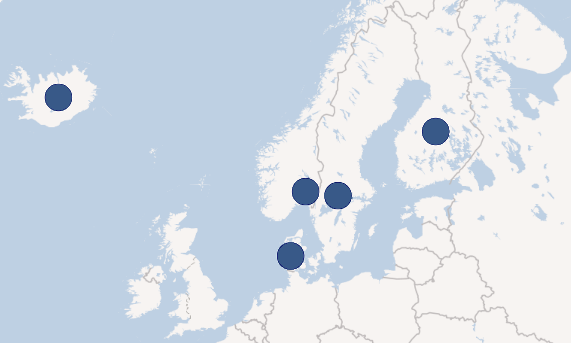
The Nordic Biocide Group (NBG) has members from each Nordic country (steering group). Organisations in the NBG were: the Danish Environmental Protection Agency (Miljøstyrelsen), Finnish Safety and Chemicals Agency (TUKES), the Environmental Agency of Iceland (Umhverfisstofnun), Norwegian Environment Agency (Miljødirektoratet), and the Swedish Chemicals Agency (KemI). NBG had an annual regulatory meeting where current biocide issues of each country were discussed. Project and ad hoc biocide issues were discussed in online meetings. Depending on the agenda of a meeting other Nordic experts have also participated when needed.
Related goals of co-operation
x | Nordic co-operation has contributed to minimising the risks that chemicals and the chemical substances in products pose to human health and environment. |
Nordic work has encouraged companies manufacturing and using chemicals to focus on substitution, so that substances of very high concern are phased out as far as possible. | |
x | Nordic work has contributed to increased knowledge on hazardous substances and the development of methods for assessing and managing the risks relating to groups of hazardous substances. |
Nordic work has contributed to increasing the level of ambition of efforts relating to chemicals in the EU and globally. | |
x | Nordic co-operation has contributed to the dissemination of knowledge to consumers about hazardous substances. |
x | Nordic co-operation has contributed to minimising the risks that chemicals and the chemical substances in products pose to human health and environment. |
Nordic work has encouraged companies manufacturing and using chemicals to focus on substitution, so that substances of very high concern are phased out as far as possible. | |
x | Nordic work has contributed to increased knowledge on hazardous substances and the development of methods for assessing and managing the risks relating to groups of hazardous substances. |
Nordic work has contributed to increasing the level of ambition of efforts relating to chemicals in the EU and globally. | |
x | Nordic co-operation has contributed to the dissemination of knowledge to consumers about hazardous substances. |
Publications
Nieminen, Timo (2020). Efficacy requirements for drinking water disinfectants - survey and proposal: Requirements according to Biocidal Products Regulation in relation to disinfection practices in the Nordic countries. Nordic Council of Ministers, NA2020:904. Available at: http://norden.diva-portal.org/smash/get/diva2:1429673/FULLTEXT01.pdf.
Windahl, U., Åberg, A., Kryuchov, F., Lundgren, S., Tegner, C., Dreimanis, K., Koivisto, S., Simola, O., Sandvik, M. and Bernhoft A. Alpha-Chloralose poisoning in cats highlights the risk of poisoning to non-target species. Nordic Council of Ministers, TemaNord 2022:565. Available at: https://www.norden.org/en/publication/alpha-chloralose-poisoning-cats.
3.2. Nordic Classification Group
3.2. Nordic Classification Group

 | Nordic Classification group focuses on classification of substances and mixtures, and on communication on hazardous chemicals. The work of the group supports interpretation and implementation of the EU legislation on classification, labelling and packaging of chemicals, namely the CLP Regulation EC 1272/2008. CLP Regulation is based on the UN Globally Harmonised System of classification and labelling of chemicals (GHS), and GHS-related issues are a common discussion point in the group’s agenda. The group’s work helps to facilitate that the objectives and priorities in the co-operation programme on disseminating information about hazardous chemicals are reached, with a view to ensure a high level of protection of human health and the environment. |
Nordic Classification group focuses on classification of substances and mixtures, and on communication on hazardous chemicals. The work of the group supports interpretation and implementation of the EU legislation on classification, labelling and packaging of chemicals, namely the CLP Regulation EC 1272/2008. CLP Regulation is based on the UN Globally Harmonised System of classification and labelling of chemicals (GHS), and GHS-related issues are a common discussion point in the group’s agenda. The group’s work helps to facilitate that the objectives and priorities in the co-operation programme on disseminating information about hazardous chemicals are reached, with a view to ensure a high level of protection of human health and the environment.
Activities and benefits
The group has facilitated exchange of experiences and competence building on classification and labelling of chemicals under the CLP Regulation and the UN GHS. The cooperation strengthened the Nordic influence in the EU on the development of identification of hazardous chemicals and information and communication on hazardous chemicals.
The NKLG has been a place for national level experts to seek advice, consult, exchange of experiences, and provide competence building in the daily work. At EU- level, NKLG has facilitated exchange of views, information, and experiences to interpret and implement the CLP regulation. The group has aimed at developing common interventions e.g. at the Commission’s expert group meetings for the competent authorities for REACH and CLP Regulations (CARACAL). At global level, the group has discussed the development of GHS classification criteria and hazard communication further, even though not all Nordic countries take part in the UN GHS Sub-committee work.
NKLG has acted as the project leaders and the steering group in all their projects. In some projects the work has been carried out by the group itself or in collaboration with another NKE subgroup. In other projects, where more expertise and resources were needed, consultants have been used.
Achievements and impact
The aim of the group has been to strengthen the Nordic influence on the development of the identification, information, and communication on hazardous chemicals. In addition to carrying out specific projects, the group has worked on current issues in the field of classification and labelling.
Currently, some members of the NKLG (Finland, Norway and Sweden) have participated in various UN GHS Sub- Committee working groups contributing to the further development of classification criteria for e.g. non-animal test methods, germ cell mutagenicity, endocrine disruption, persistence and mobility, immuno- and neurotoxicity, and terrestrial toxicity. Discussions in NKLG feed into these processes.
As an example of NKLG project on awareness raising regarding hazard communication was the creation of “Hanna’s House of Hidden Hazards”. The educational website is a tool for teaching school children about hazardous properties of chemical products and their labelling. The intention was to increase pupils’ awareness of dangerous chemicals and to reduce the number of accidents related to the use of chemicals in everyday life. “Hanna’s House” informed about the hazard labels (the so-called pictograms) on common chemical products in a fun and engaging way. The website also had in-depth articles and lesson plans for teachers. The first version of Hanna’s House was launched in 2015. In 2022 an audit project was carried out and as a result the website had to be closed due to the changes in accessibility requirements (EU 2016/2102) and due to lack of a common server. Because of resource restraints Hanna’s House was not able to be launched again during this programme period even though plans were made, and group investigated the possibility of a relaunch. Currently, a simplified version is available at KemI’s website.
A success story – Collaboration for the development of the OECD test guideline
Nordic level | EU/EEA level | Global level |
NKLG had a collaboration project with Nord-UTTE for the development of the OECD test guideline 489 “In vivo mammalian comet assay) on gonadal cells to study germ cell specific genotoxic effects”. This work will facilitate CLP hazard classification for mutagenicity, and appropriate risk management could be performed.
The basis for the project was the current global regulatory need for methods appropriate to identify whether substances are mutagenic in reproductive cells (germ cells). The main objective of this project was to modify the OECD test guideline “In vivo mammalian alkaline comet assay” (TG489) to make it easier to gather data on genetic damage specifically in male reproductive cells. Such an enhancement to the TG489 will address this regulatory need.
Presently, a few methods exist for germ cell mutagenicity studies, however, they are often expensive, time consuming, and/or require many animals, severely limiting their use. In contrast, the TG489 is relatively cheap, easy-to-perform, requires a limited number of animals, and has high sensitivity. In its present version, TG489 is not considered appropriate to measure genotoxicity in germ cells. The project aims at developing a revised TG489 that includes the analysis of data from specific germ cells without the use of additional animals.
The OECD TG for comet assay is still under development but it in time it will serve all OECD member countries. The test guideline will add to the existing tools of identifying germ cells mutagens, with less use of animals. The information generated with this test guidelines will facilitate hazard identification and classification of germ cell mutagens leading to benefits at EU and at global level.
Group setup
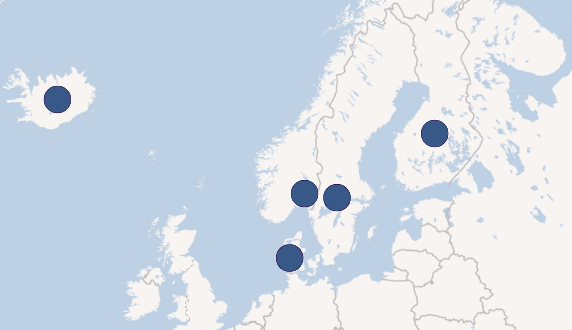
NKLG group has members from the Danish Environmental Protection Agency (Miljøstyrelsen), Finnish Safety and Chemicals Agency (TUKES), the Environmental Agency of Iceland (Umhverfisstofnun), Norwegian Environment Agency (Miljødirektoratet), and the Swedish Chemicals Agency (KemI). The group meets in person and online annually. More virtual meetings or communication was arranged when needed.
Related goals of co-operation
x | Nordic co-operation has contributed to minimising the risks that chemicals and the chemical substances in products pose to human health and environment. |
Nordic work has encouraged companies manufacturing and using chemicals to focus on substitution, so that substances of very high concern are phased out as far as possible. | |
x | Nordic work has contributed to increased knowledge on hazardous substances and the development of methods for assessing and managing the risks relating to groups of hazardous substances. |
x | Nordic work has contributed to increasing the level of ambition of efforts relating to chemicals in the EU and globally. |
x | Nordic co-operation has contributed to the dissemination of knowledge to consumers about hazardous substances. |
x | Nordic co-operation has contributed to minimising the risks that chemicals and the chemical substances in products pose to human health and environment. |
Nordic work has encouraged companies manufacturing and using chemicals to focus on substitution, so that substances of very high concern are phased out as far as possible. | |
x | Nordic work has contributed to increased knowledge on hazardous substances and the development of methods for assessing and managing the risks relating to groups of hazardous substances. |
x | Nordic work has contributed to increasing the level of ambition of efforts relating to chemicals in the EU and globally. |
x | Nordic co-operation has contributed to the dissemination of knowledge to consumers about hazardous substances. |
Publications
Hanna’s House. Available at: Hannas hus - Kemikalieinspektionen
3.3. Nordic Coordination for the Development of Test Methods in Toxicology and Ecotoxicology
3.3. Nordic Coordination for the Development of Test Methods in Toxicology and Ecotoxicology
 | The focus area for Nord-UTTE is the development of test methods for toxicology and ecotoxicology. The group collaborates on the development and validation of OECD Guidelines for the Testing of Chemicals and EU test methods. The group contributes to the objectives and priorities on the acceptance and use of these test methods in international forums, especially in the OECD Test Guideline Programme, and in line with EU chemicals legislation (e.g., REACH, CLP, and the regulations on biocides and pesticides). The NKE subgroup Nord-UTTE's collaboration and financial support have been crucial for developing and validating new, scientifically, and regulatory relevant test methods, enhancing the Nordic countries' influence in EU and OECD guidelines. |
The focus area for Nord-UTTE is the development of test methods for toxicology and ecotoxicology. The group collaborates on the development and validation of OECD Guidelines for the Testing of Chemicals and EU test methods. The group contributes to the objectives and priorities on the acceptance and use of these test methods in international forums, especially in the OECD Test Guideline Programme, and in line with EU chemicals legislation (e.g., REACH, CLP, and the regulations on biocides and pesticides). The NKE subgroup Nord-UTTE's collaboration and financial support have been crucial for developing and validating new, scientifically, and regulatory relevant test methods, enhancing the Nordic countries' influence in EU and OECD guidelines.
Activities and benefits
Nordic Coordination for the Development of Test Methods in Toxicology and Ecotoxicology (Nord-UTTE) is dedicated to the development and validation of test methods for toxicology and ecotoxicology. The group has focused on endocrine disruptors, reproductive toxicity, and genotoxicity in recent years. The group collaborates at a Nordic level and contributes to the OECD Test Guideline Programme, aligning with EU chemicals legislation like REACH and CLP. The OECD test guidelines and guidance documents for testing chemicals are the cornerstone for achieving legal certainty in the hazard and risk assessments of chemicals. Adequate test guidelines are the first step to prevent the release of future environmental toxicants.
From a Nordic perspective, it is vital that the special concerns and needs of the Nordic countries, such as policy on the protection of human health and environment are represented in the development of OECD Test Guidelines. Protection against endocrine disruptors is a highly prioritized area in the Nordic countries and the identification of endocrine disrupters is already applied in regulatory testing, which is one step towards improved regulation of this area of public concern.
Several projects in Nord-UTTE have focused on endocrine disrupters and have strengthened the Nordic competencies within this area of test method development. It continues to be strategically important to maintain a strong focus on building up knowledge about hazardous properties of chemical substances and prioritise a continued high Nordic level of activity within developing test guidelines and methods in the OECD and EU.
Achievements and impact
The work of Nord-UTTE has had several practical applications and impacts:
Regulatory Influence – the projects have been used as a basis for regulatory initiatives, particularly in the assessment of endocrine disruptors, reproductive toxicity, and genotoxicity.
International Standards – our projects have contributed to the development of international standards for chemical safety. One example is changes made to an OECD test guideline for prenatal developmental toxicity, which has improved the regulators’ options of identifying endocrine-disrupting chemicals (EDCs).
The work on endocrine disruption of the retinoid system was supported by NKE 2016 - 2019. A Nordic report and an OECD detailed review paper (no. 343) came out of this project. The 2024 ECHA report “Key areas of Regulatory Challenge” refers to this OECD publication. This highlights the impact of Nord-UTTE's work on information provided in key EU-level strategic documents.
Another example is from genotoxicity: Revising the test method to include germ cell and somatic cell analysis in the same test will facilitate the testing of germ cell mutagens and reduce the need for additional animal testing. Including germ cell analysis in the OECD test guideline in vivo mammalian alkaline Comet assay (OECD TG 489) is one of the Nord-UTTE projects and is included in the OECD work plan. As part of the project, one publication has been published (Dirven et al., 2023), which describes the principles of the method.
A success story – Inclusion of thyroid endpoints in OECD fish test guidelines
Nordic level | EU/EEA level | Global level |
The Validation Management Group for Ecotoxicity Testing (VMG-Eco) is part of the OECD’s efforts to ensure the safety and environmental impact of chemicals. This group focuses on developing and validating test methods to assess the ecological effects of chemicals, particularly on wildlife and ecosystems. The lack of thyroid hormone system-sensitive endpoints in fish tests has been raised as a point of concern by VMG-Eco. These thyroid endpoints in fish were identified as a significant deficiency in current test guidelines during the 2017 EU workshop, “Setting Priorities for Further Development and Validation of Test Methods and Testing Approaches”.
The inclusion of thyroid endpoints in existing OECD fish tests is proposed as an initiative to fill this knowledge gap and was the aim of the project. The project started with OECD test guideline 234 as the test guideline model with zebrafish as the model species. Later two other test guidelines (TG 210 and TG 236) were chosen to represent all guidelines covering fish development and the non-protected stages of fish development. NKE supported the initial literature collections and preparation of the draft detailed review paper in 2018 and 2019. This work cleared the road for a Standard Project Submission Form (SPSF) submitted to the OECD in 2019. The project was taken on the OECD work program as project 2.64 in 2019
Group setup
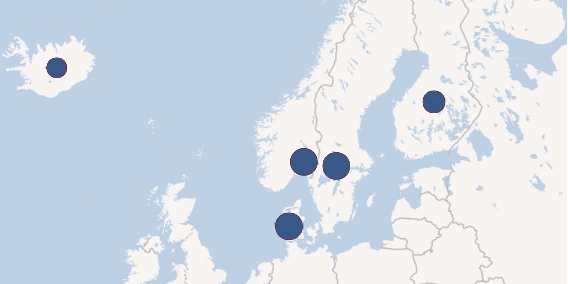
Meetings and project work of Nord-UTTE were organized to support the objectives and priorities of the Nordic Council of Ministers' co-operation program. All members of Nord-UTTE are National coordinators of the OECD Test guideline programme from Sweden, Norway, Finland, and Denmark. Nord-UTTE meets face to face during the annual meeting at OECD in Paris.
Related goals of co-operation
x | Nordic co-operation has contributed to minimising the risks that chemicals and the chemical substances in products pose to human health and environment. |
Nordic work has encouraged companies manufacturing and using chemicals to focus on substitution, so that substances of very high concern are phased out as far as possible. | |
x | Nordic work has contributed to increased knowledge on hazardous substances and the development of methods for assessing and managing the risks relating to groups of hazardous substances. |
x | Nordic work has contributed to increasing the level of ambition of efforts relating to chemicals in the EU and globally. |
Nordic co-operation has contributed to the dissemination of knowledge to consumers about hazardous substances. |
x | Nordic co-operation has contributed to minimising the risks that chemicals and the chemical substances in products pose to human health and environment. |
Nordic work has encouraged companies manufacturing and using chemicals to focus on substitution, so that substances of very high concern are phased out as far as possible. | |
x | Nordic work has contributed to increased knowledge on hazardous substances and the development of methods for assessing and managing the risks relating to groups of hazardous substances. |
x | Nordic work has contributed to increasing the level of ambition of efforts relating to chemicals in the EU and globally. |
Nordic co-operation has contributed to the dissemination of knowledge to consumers about hazardous substances. |
Publications
Nilson, Charlotte (2020). Retinoids in Mammalian Reproduction, with an Initial Scoping Effort to Identify Regulatory Methods. Nordic Council of Ministers, TemaNord 2020:507. Available at: https://pub.norden.org/temanord2020-507/.
Published articles
Dirven, Y., Eide, D. M., Henriksson, E. W., Hjorth, R., Sharma, A. K., Graupner, A., Brunborg, G., Ballangby, J., Boisen, A. M. Z., Swedmark, S., Gützkow, K. B., & Olsen, A. K. (2023). Assessing testicular germ cell DNA damage in the comet assay; introduction of a proof-of-concept. Environmental and Molecular Mutagenesis, 64(2), 88–104. Available at: https://doi.org/10.1002/em.22527.
European Chemicals Agency (2024). Key areas of Regulatory Challenge. ECHA. Available at: https://echa.europa.eu/da/research-to-enhance-protection-of-our-health-and-environment.
Holbech, H., Matthiessen, P., Hansen, M., Schüürmann, G., Knapen, D., Reuver, M., Flamant, F., Sachs, L., Kloas, W., Hilscherova, K., Leonard, M., Arning, J., Strauss, V., Iguchi, T., & Baumann, L. (2020). ERGO: Breaking Down the Wall between Human Health and Environmental Testing of Endocrine Disrupters. International journal of molecular sciences, 21(8), 2954. Available at: https://doi.org/10.3390/ijms21082954.
OECD (2021). Detailed Review Paper on the Retinoid System. OECD Series on Testing and Assessment, No. 343, OECD Publishing, Paris. Available at: https://www.oecd-ilibrary.org/detailed-review-paper-on-the-retinoid-system_4fbb70a9-en.pdf?itemId=%2Fcontent%2Fpublication%2F4fbb70a9-en&mimeType=pdf.
OECD (2023). Detailed review paper (DRP) on the thyroid hormone system in fish and identification of potential thyroid hormone system related endpoints for inclusion in existing OECD fish Test Guidelines. OECD Series on Testing and Assessment, No. 381, OECD Publishing, Paris. Available at: https://doi.org/10.1787/04805ef8-en.
3.4. Nordic Enforcement Group
3.4. Nordic Enforcement Group

 | Nordic Enforcement Group (NEG) focuses on issues related to control and enforcement of the chemicals legislation (e.g. REACH, CLP, POP, VOC, RoHS, detergents, toy, cosmetic, biocides, etc.). The group conducts joint controlling projects, co-ordinates Nordic views and priorities in relation to activities in the EU/EEA and improves the controlling and enforcement process by jointly interpreting the regulations, issuing joint responses to issues and problems, and collating best practices. The group contributes to priorities in the co-operation programme on monitoring chemicals in goods, articles, blends and products and in relation to e-trading. |
Nordic Enforcement Group (NEG) focuses on issues related to control and enforcement of the chemicals legislation (e.g. REACH, CLP, POP, VOC, RoHS, detergents, toy, cosmetic, biocides, etc.). The group conducts joint controlling projects, co-ordinates Nordic views and priorities in relation to activities in the EU/EEA and improves the controlling and enforcement process by jointly interpreting the regulations, issuing joint responses to issues and problems, and collating best practices. The group contributes to priorities in the co-operation programme on monitoring chemicals in goods, articles, blends and products and in relation to e-trading.
Activities and benefits
The NEG-network ensures a more effective and efficient control and enforcement of the European Chemicals legislation in the Nordic countries. This is done by exchanging of control plans, control and enforcement results, challenges of chemical analysing, best practices, by increasing competence by building on the competence of each participating Nordic country, by deciding common control actions, and by discussing the development of the Nordic cooperation.
The annual NEG-network meetings offer a current state update by presenting planned activities in the Nordic countries and status of joint control projects. This presents an opportunity to share experience from equal or similar control projects and to find out how the Nordic enforcement authorities can collaborate in the best way. Discussions and joint control projects enhance the common interpretation of the regulations and makes consensus on different matters among the Nordic countries. This is important to ensure efficient control and enhance and level playing field of competition in the Nordic markets.
The annual NEG- network meeting allows for networking between the inspectors of the participating Nordic countries within the NEG. This networking is used in the daily control in the national authorities. Enforcement work is intertwined as many companies market their products, articles (with chemical content or chemical blends) in several Nordic countries. These practical control- and enforcement experiences are used in the EU-work, for example, when discussing points of revision of the Common Chemical Regulation. Cooperation also allows a more coherent Nordic approach when discussing the practical implementation of control and enforcement in ECHAs Forum (The European Control and Enforcement Network of The European Chemical Agency (ECHA)).
The NEG-network’s joint control projects ensure practical experience on the latest chemical challenges. The projects enhance common actions, best practices and increases the competence in each participating Nordic country. Examples of these are enforcement project on e-trade and drop shipping as well as enforcement of PFOS and PFOA in chemical products and articles. Workshops, discussions on risk-based enforcement in practise and joint enforcement projects have resulted in increased co-operation between the countries’ inspectors also outside the joint projects.
Achievements and impact
The NEG-network ensures a more coherent Nordic approach to the work with ECHA and EU-working groups. The knowledge of the practical implementation of control and enforcement has been used e.g. for new REACH-restrictions. The practical control- and enforcement experiences are used in other EU-working groups, to point out where the Common Chemical Regulation needs to be revived in order to be enforceable.
E-trade poses a great challenge for enforcement. E-trading platforms in third countries do not have to ensure that their products fulfil the common European Chemicals legislation. The joint control project on enforcement of internet trade helped to collect best practices of the Nordic countries to address this ever-growing challenge.
Another example is a joint project on give-away products where the Nordic chemicals agencies jointly controlled the Nordic market of give-away products. The results show that economic operators lack knowledge of the applicable requirements, as well as lacking understanding of the extent of their obligations. They are missing appropriate systems to comply with the rules. Nevertheless, the Nordic chemicals agencies have observed an interest in businesses to have a better understanding and complying with the applicable rules. This joint enforcement project has also contributed to a closer collaboration between the Nordic chemicals agencies resulting in sharing information and ensuring better resource efficiency.
A success story – Nordic enforcement project on PFOS and PFOA in chemical products and articles
The project aimed to raise awareness of the restrictions in the POPs Regulation and to learn how the enforcement of the new restriction on PFASs can be carried out. The objectives of the NEG’s joint enforcement project were to inspect the compliance of chemical products and articles placed on the Nordic market with the restrictions in the POPs Regulation (EU No 2019/1021) on PFOA and PFOS. In addition, the presence of PFAS that are not yet restricted in any chemical legislation and extractable organic fluorine (EOF) were analysed. This improved the knowledge of the authorities on the use of PFASs in various products and articles.
The results from this project sparked an EU-wide debate about how to analyse the regulated PFAS’s and how to ensure enforceability. The project contributes to better Nordic co-operation regarding enforcement on chemical content in consumer goods. Thus, reducing potentially negative impacts of chemicals on health and the environment, which are hazardous for human health and the environment, and increasing safe use of chemicals. The annual NEG-network meeting played a key role in ensuring the success of the enforcement project.
Group setup
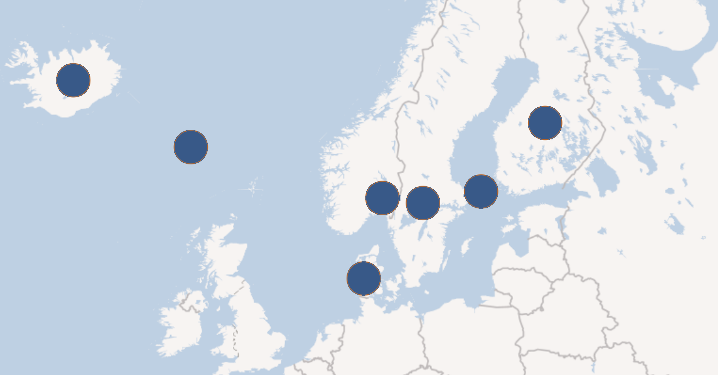
The NEG-network (NTG) has members of controlling and enforcing bodies of the chemical content of products, articles and chemical blends from all the Nordic countries. Following organisation are “Product Supervision, Norwegian Environment Agency”, “the Environmental Agency of Iceland (Umhverfisstofnun)”, “Finnish Safety and Chemicals Agency (TUKES)”, ”the Swedish Chemicals Agency (KemI)”, ”The Danish Chemical Inspection Service of The Danish Environment Agency” and sometimes observers from The Faeroe Islands, Greenland and The Åland Islands with similar task.
One of The Nordic Chemical Controlling Agencies chair the group in turns for a period of two years.
Related goals of co-operation
x | Nordic co-operation has contributed to minimising the risks that chemicals and the chemical substances in products pose to human health and environment. |
Nordic work has encouraged companies manufacturing and using chemicals to focus on substitution, so that substances of very high concern are phased out as far as possible. | |
Nordic work has contributed to increased knowledge on hazardous substances and the development of methods for assessing and managing the risks relating to groups of hazardous substances. | |
x | Nordic work has contributed to increasing the level of ambition of efforts relating to chemicals in the EU and globally. |
x | Nordic co-operation has contributed to the dissemination of knowledge to consumers about hazardous substances. |
Publications
Bakka, L. and Kvien, I. Joint Nordic Control of E-commerce Nordic Enforcement project 2023. Nordic Council of Ministers, TemaNord 2023:528. Available at: https://www.norden.org/en/publication/joint-nordic-control-e-commerce
Klar, M., Rumar, K. and Ramström, F. (2020). Nordic Working Paper: Nordic project on enforcement of internet trade. Nordic Council of Ministers, NA2020:903 N-Tilsyn. Available at: http://norden.diva-portal.org/smash/get/diva2:1424143/FULLTEXT04.pdf
Talasniemi, P., Björkqvist, S., Ashja, M., Rosen, A., Iversen, C., and Bæringsdóttir, B. (2022). Nordic enforcement project on PFOS and PFOA in chemical products and articles. Nordic Council of Ministers, NA2022:901. Available at: https://www.norden.org/en/publication/nordic-enforcement-project-pfos-and-pfoa-chemical-products-and-articles
Veulemans, M., Bakka, L., Kvien, I., Sørensen, K., Rahm, C., Westlund, C., Salamäki, T., Baldursson, E. and Bragason, Í. (2019). Nordic enforcement project on give-away products. Nordic Council of Ministers, Nord 2020:045. Available at: http://norden.diva-portal.org/smash/get/diva2:1359710/FULLTEXT01.pdf.
Ongoing projects
NEG has one ongoing project on “Dropshipping” which builds on the e-trade project. The results are planned to be published in 2025.
3.5. Nordic Exposure Group
3.5. Nordic Exposure Group

 | The Nordic Exposure Group focuses on use of chemicals and how people and the environment are exposed to them. Exposure to chemicals may occur as consumers, at work, or among the general population both directly and indirectly via the environment. The group works with information about exposure, the development and harmonisation of methods, strategies, guidelines, instructions, education, and training in methods of exposure assessment, IT tools and databases. The group operates at Nordic, European (primarily in the EU/EEA on REACH) and in some extent global level (OECD). The group’s work contributes to the objectives and priorities of the co-operation programme on chemicals, their use and exposure. |
The Nordic Exposure Group focuses on use of chemicals and how people and the environment are exposed to them. Exposure to chemicals may occur as consumers, at work, or among the general population both directly and indirectly via the environment. The group works with information about exposure, the development and harmonisation of methods, strategies, guidelines, instructions, education, and training in methods of exposure assessment, IT tools and databases. The group operates at Nordic, European (primarily in the EU/EEA on REACH) and in some extent global level (OECD). The group’s work contributes to the objectives and priorities of the co-operation programme on chemicals, their use and exposure.
Activities and benefits
NEXPO works with REACH regulation which is the European regulation on the registration, evaluation, authorization, and restriction of chemicals. REACH is the main EU law to protect human health and the environment from the risks that can be posed by chemicals. Through the projects NEXPO has given Nordic input in the work within REACH and exposure assessment. The main goal was to enable representatives from authorities and industry to develop and assess robust exposure assessments in related fields under EU/ECHA, and to a certain degree also OECD.
NEXPO usually has 1–3 projects every year which are proposed by NEXPO and funded by NKE. NEXPO has one physical meeting every year and the location rotates among the member countries. In addition, the group has several online meetings during the year where current issues and ongoing projects are discussed.
Over the years, NEXPO has conducted various trainings and workshops and published several reports. These trainings and workshops have helped to improve skills and knowledge how exposure assessment could be done in the most effective way. NEXPO has also contributed to practical guidance for authorities which are used in the daily work.
NEXPO’s focus areas have been:
- corporation and sharing of exposure related activities, information, and experience in general;
- occupational exposure estimation;
- consumer exposure estimation;
- indirect exposure to humans via the environment;
- environmental exposure estimation;
- combined exposure to multiple chemicals; and
- monitoring background levels of chemicals in humans and in the environment.
One of the NEXPO’s aim has been to discuss and share information regarding the overlapping areas of human and environmental exposure assessment and develop assessment processes and methodologies. NEXPO has been a great place to share best practicalities and update understanding in the field of exposure assessment. This have had a great impact on the daily regulatory work.
Achievements and impact
NEXPO has listed activities and projects in a long-term plan and all activities have been planned to support the objectives and priorities of the Nordic Council of Ministers' co-operation program. Nordic co-operation has made it possible to reach the project goals, as it has allowed to combine limited resources in the network in a more efficient way compared to individual countries working alone.
The Nordic countries have an active profile in EU when it comes to chemical safety topics. A joint Nordic input has had a greater impact at the EU level than carrying out similar smaller projects separately as the individual member states. NEXPO projects’ main aim has been to strengthen the Nordic competencies in exposure assessment, and when relevant, also to consider specific climatic and geographical conditions in the Nordic countries. However, several projects have benefit also other EU member states and even globally.
A success story – safety assessment of toys
Nordic level | EU/EEA level | Global level |
NEXPO was running the project “Comparison of migration media for safety assessment of toys” in 2023. In this project, the current protocols, and methodologies for migration testing of chemical substances in toys were reviewed. Chemicals may leak from toys when in contact with different media e.g. water or saliva. This leakage is tested by migration testing of potentially harmful substances from toys. Children’s exposure to harmful chemicals may have serious negative consequences e.g. affecting the hormone and reproductive systems, and by interfering with the immune system. Using better suited migration media when testing for harmful substances in toys, will help protect children from harmful substances migrating from toys.
The project aimed to provide recommendations for enhancing the accuracy and effectiveness of migrations analyses in toys. The overall goal of this project was to obtain updated knowledge on migration medias and compare migration to water with migration to other matrixes such as artificial sweat, saliva, and gastric juice. The results are currently in the publication process and the scientific article is estimated to come out in early 2025.
As children and especially babies are known to be very vulnerable to exposure of harmful chemicals, the project’s results are expected positively enhance their well-being by ensuring that chemical in toys are controlled appropriately. Results lead to concrete recommendations for updates of the standard used for testing the release or content of organic compound in toys (EN 71-10). The project benefits also relevant experts and interest groups in EU and internationally dealing with safety evaluations and release of chemicals from toys.
The project was successful with clearly defined milestones and was monitored and evaluated by NEXPO. The results with recommendations have been shared with relevant Nordic regulators, ECHA, other EU member states, and OECD WPEA (Working Party on Exposure Assessment). The scientific article will come publicly available in early 2025.
Group setup
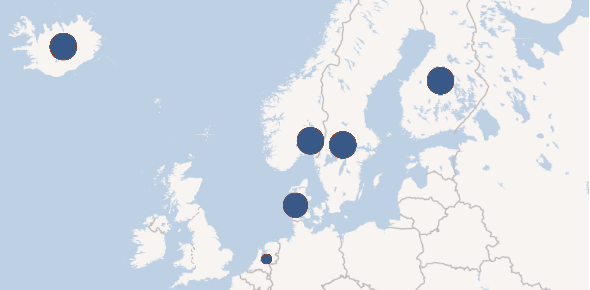
Currently NEXPO has members from the Danish Environmental Protection Agency (Miljøstyrelsen), the Swedish Chemicals Agency (KemI), Finnish Safety and Chemicals Agency (TUKES) and the Environmental Agency of Iceland (Umhverfisstofnun) and three members from Norway (2 Norwegian Environment Agency (Miljødirektoratet), 1 from the Labour Inspection Authority (Arbeidstilsynet)). Preferably the official members were at least one person from the human health area and one person from the environmental area from each Nordic country.
Related goals of co-operation
x | Nordic co-operation has contributed to minimising the risks that chemicals and the chemical substances in products pose to human health and environment. |
Nordic work has encouraged companies manufacturing and using chemicals to focus on substitution, so that substances of very high concern are phased out as far as possible. | |
x | Nordic work has contributed to increased knowledge on hazardous substances and the development of methods for assessing and managing the risks relating to groups of hazardous substances. |
x | Nordic work has contributed to increasing the level of ambition of efforts relating to chemicals in the EU and globally. |
Nordic co-operation has contributed to the dissemination of knowledge to consumers about hazardous substances. |
x | Nordic co-operation has contributed to minimising the risks that chemicals and the chemical substances in products pose to human health and environment. |
Nordic work has encouraged companies manufacturing and using chemicals to focus on substitution, so that substances of very high concern are phased out as far as possible. | |
x | Nordic work has contributed to increased knowledge on hazardous substances and the development of methods for assessing and managing the risks relating to groups of hazardous substances. |
x | Nordic work has contributed to increasing the level of ambition of efforts relating to chemicals in the EU and globally. |
Nordic co-operation has contributed to the dissemination of knowledge to consumers about hazardous substances. |
Publications
Aamodt, S. and Madslien, O. (2022). Identification and assessment of exposure scenario minimum requirements. Nordic Council of Ministers, TemaNord 2022:567. Available at: https://www.norden.org/en/publication/identification-and-assessment-exposure-scenario-minimum-requirements.
Nielsen, E. ad Olesen, P. (2023). Existing Default Values and Recommendations for Exposure Assessment. Nordic Council of Ministers, TemaNord 2023:508. Available at: https://www.norden.org/en/publication/existing-default-values-and-recommendations-exposure-assessment-0
Priha, M. (2021). Nordic Working paper: Evaluation of Specific Environmental Release Category fact sheets and their background documents Testing the applicability of the newly adopted Quality Criteria Template as a tool for the evaluation. Nordic Council of Ministers, NA2021:903. Available at: http://norden.diva-portal.org/smash/get/diva2:1533084/FULLTEXT01.pdf
Wojewodzic, M. and Andreassen, M. (2022). Nordic Workshop on New Approach Methodologies (NAMs) for Grouping and Read-Across under REACH and CLP. Nordic Council of Ministers, TemaNord 2022:526. Available at: https://www.norden.org/en/publication/nordic-workshop-new-approach-methodologies-nams.
Ongoing projects
NEXPO has two ongoing projects in 2024 with publications estimated to be ready in 2025
“Mapping and estimation of workers’ exposure to substances of very high concern” aimed to provide information on the extent of use and exposure profile of professional workers.
“Literature review of non-target and suspect screening methods used for identifying substances of regulatory relevance in articles, chemical products, and recycled materials.“
Non-target screening (NTS) and suspect screening (SS) methods have been widely used for identification of substances in the environment. In this project, a literature review of NTS and SS studies on articles, chemical products and recycled materials is performed in order to evaluate the applicability of these methods for identifying new and emerging chemicals relevant for regulatory actions.
3.6. Nordic Nanomaterial Group
3.6. Nordic Nanomaterial Group

 | Nordic nanomaterial group focuses on safety aspects of processing and using nanomaterials and reducing emissions from them. The group works on adapting legislation (REACH and CLP) and helps develop test methods and risk assessments. It contributes to international studies and the development of international efforts in this area. The group acts as an arena for Nordic co-operation on and coordination of relevant EU processes. This approach proved particularly fruitful in the amendment to REACH, which now takes into account nanoforms of substances in the registration process. |
Nordic nanomaterial group focuses on safety aspects of processing and using nanomaterials and reducing emissions from them. The group works on adapting legislation (REACH and CLP) and helps develop test methods and risk assessments. It contributes to international studies and the development of international efforts in this area. The group acts as an arena for Nordic co-operation on and coordination of relevant EU processes. This approach proved particularly fruitful in the amendment to REACH, which now takes into account nanoforms of substances in the registration process.
Activities and benefits
N-Nano subgroup is an important network within the Nordic region that promotes information exchange, knowledge transfer and consensus on nanomaterials and their regulation. The N-Nano subgroup has several meetings per year and at these meetings the group discusses project proposals, ongoing substance concerning nanomaterials in e. g. the Nordic, EU, OECD and other regions.
N-Nano subgroup is an important network within the Nordic region for the national experts. The experts also gain a broader understanding of the regulatory area and may utilise the knowledge in their role as national experts on EU level. The group members have specialisations on different areas of nanomaterial, e.g. within the EU or OECD, dealing with environmental, occupational, or consumer exposure. Information exchange between these experts is vital as no one Nordic member country alone covers all the action areas. Therefore, discussions in N-Nano network lead to a synergistic effect.
Achievements and impact
N-Nano work provided small and medium sized enterprises (SMEs) to increase their knowledge to be able to better risk assess nanomaterials and avoid hazardous substances.
Development of the eREACHNano tool provided small and medium sized enterprises (SMEs) the opportunity to understand and apply the new information requirements on nanomaterials (introduced in the EU regulation REACH in 2018). The e-tool was updated as new EU ECHA guidelines for nanomaterials were developed. In essence eREACHNano guides companies through the registration process for nanoforms and its requirements. The tool has e-learning modules developed through the eREACHNano project by the N-Nano project group in corporation with the consultant DHI A/S. The tool includes an introduction to nanoforms, describing the main elements of REACH, its actors, and their roles and responsibilities. Extra emphasis has been placed on describing the documentation on safe use and to explain where the distinction between bulk chemicals and nanoforms should be made.
In addition, eREACHNano gives guidance on options and how to make the most suitable choice of test methods to generate relevant data (e.g. test data). eREACHNano also provides links to guidance documents, additional information and help via the national EU helpdesks.
A success story – eREACHNano project
Nordic level | EU/EEA level | Global level |
The project was conducted to provided Small and Medium-Sized Enterprises (SMEs) the opportunity to understand and apply the new information requirements on Nanomaterials introduced in the EU regulation REACH in 2018. The aim was to increase knowledge of SMEs to be able to better assess risks of their materials and avoid exposure to hazardous substances. In short, eREACHNano helps companies to register nanoforms under REACH.
Dissemination of information on the e-tool was published on websites of different Nordic agencies, on EU-ECHA and information on the e-tool was provided at different EU meetings related to nanomaterials. The eREACHNano tool is frequently visited.
The development and release of the e-tool was timely with the adoption and subsequent implementation of the new information requirements in REACH. The target audience (SMEs) had the highest need for updated information and help concerning registration of Nanomaterials for REACH. The format for e-learning provided modules through a series of narrated video animations. The data requirements for nanoforms, according to REACH guidance, are explained providing both visual, audio and text information to enhance the quality of the information and make it more suited for different learning styles. Quizzes and a case-study were introduced to stimulate and broaden the learning experience.
Group setup
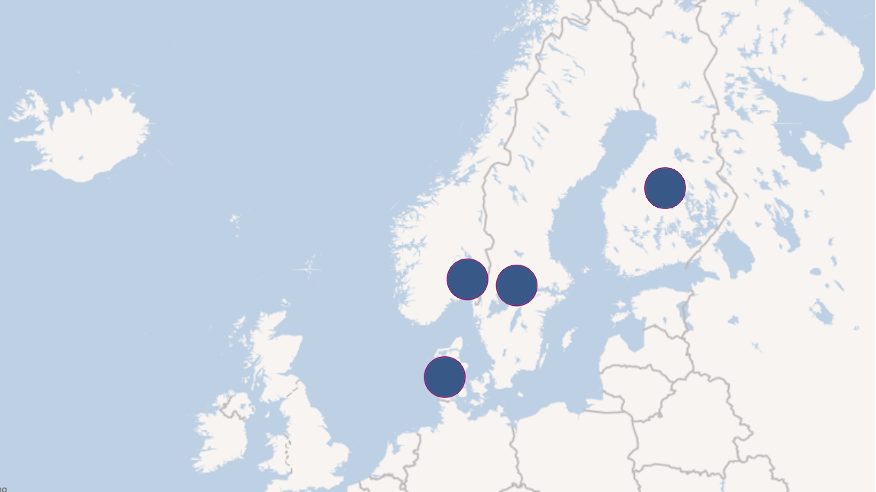
The NKE N-Nano subgroup comprises of participants from Denmark, Norway, Finland and Sweden with a rotating chairperson. Several meetings are held annually which are usually virtual with one physical coordination. At these meetings project proposals, ongoing Nano matters concerning e. g. the Nordic, EU, OECD and other regions are discussed. The chairperson is responsible for meeting minutes, developing project proposals and reporting to the NKE.
Related goals of co-operation
x | Nordic co-operation has contributed to minimising the risks that chemicals and the chemical substances in products pose to human health and environment. |
Nordic work has encouraged companies manufacturing and using chemicals to focus on substitution, so that substances of very high concern are phased out as far as possible. | |
Nordic work has contributed to increased knowledge on hazardous substances and the development of methods for assessing and managing the risks relating to groups of hazardous substances. | |
x | Nordic work has contributed to increasing the level of ambition of efforts relating to chemicals in the EU and globally. |
Nordic co-operation has contributed to the dissemination of knowledge to consumers about hazardous substances. |
x | Nordic co-operation has contributed to minimising the risks that chemicals and the chemical substances in products pose to human health and environment. |
Nordic work has encouraged companies manufacturing and using chemicals to focus on substitution, so that substances of very high concern are phased out as far as possible. | |
Nordic work has contributed to increased knowledge on hazardous substances and the development of methods for assessing and managing the risks relating to groups of hazardous substances. | |
x | Nordic work has contributed to increasing the level of ambition of efforts relating to chemicals in the EU and globally. |
Nordic co-operation has contributed to the dissemination of knowledge to consumers about hazardous substances. |
Publications
Larsen, P., Christophersen, D. and Andersen, D. (2019). The applicability of the GHS classification criteria to nanomaterials. Nordic Council of Ministers, NA2019:907 N-Nano. Available at: http://norden.diva-portal.org/smash/get/diva2:1315194/FULLTEXT02.pdf
eREACHNano. Available at: REACH-Nanomaterials-Chemicals-E-learning (ereachnano.dk)
Nanopinion. Available at: Nanopinion - European Observatory for Nanomaterials (europa.eu)
3.7. Nordic Ozone and F-gas Group
3.7. Nordic Ozone and F-gas Group

 | The Nordic ozone and F-gas group focuses on the protection of the climate and the ozone layer from the impact of human activity. The group co-ordinates Nordic and European input into international negotiations under the Montreal Protocol/Kigali Amendment, including in relation to hydrofluorocarbons (HFCs). In addition, the group provides input into the development of new EU legislation, co-ordinates compliance with existing legislation, proposes initiatives to reduce emissions, and provides information about these initiatives and about protecting the ozone layer in general. The group’s work contributes to the replacement of hazardous substances with less hazardous ones. |
The Nordic ozone and F-gas group focuses on the protection of the climate and the ozone layer from the impact of human activity. The group co-ordinates Nordic and European input into international negotiations under the Montreal Protocol/Kigali Amendment, including in relation to hydrofluorocarbons (HFCs). In addition, the group provides input into the development of new EU legislation, co-ordinates compliance with existing legislation, proposes initiatives to reduce emissions, and provides information about these initiatives and about protecting the ozone layer in general. The group’s work contributes to the replacement of hazardous substances with less hazardous ones.
Activities and benefits
NOFG works with regulations regarding ozone depleting substances (ODSs) and fluorinated greenhouse gases (F-gases), both of which aim to minimize the impact of certain man-made chemicals on the environment. In recent years, the main focus of the group has been on F-gases as the utilisation of ODSs has dramatically decreased in the Nordics.
Some of the group’s projects have had products designed to be directly applicable in institutions in the Nordic countries while others have been used as input in EU and international work, such as discussions during meetings of the Parties to the Montréal Protocol. Every project has contributed to increased knowledge of the organizations represented in the group as well as industry and the public through published reports. In addition, the co-operation of the group outside project work has strengthened the position of every member, and by extension every member’s organization, through the sharing of knowledge and experience.
The projects run by the group are generally carried out to a large extent by consultants with the group acting as a steering group and reviewer of the products. The group has not run projects every year in the period but during years without projects the group still cooperates by exchanging views and information on challenges with the implementation of the regulatory instruments concerned.
Achievements and impact
The group has focused on improving the implementation of the EU regulations covering ozone depleting substances and fluorinated greenhouse gases. The group has also contributed to a level of ambition to phase out F-gases to a greater extent than which is set out in regulatory instruments. Recent projects to this effect are “Nordic criteria for Green Public Procurement (GPP) for alternatives to high GWP HFCs in refrigeration, air conditioning and heat pump (RACHP) products” and “End-of-life treatment of Hydrofluoroolefins (HFOs)”. In January 2021 the group held a two-part virtual Workshop on the “Fight against illegal trade of hydrofluorocarbons in the Nordic and Baltic Countries, as illegal trade has been identified as a serious issue in Europe.
All of the group’s projects have aimed to reduce the impact of man-made chemical substances (ODSs, F-gases and HFOs) on the environment, thus contributing to minimising the risks posed to human health and the environment by chemicals. The group’s project on Green Public Procurement criteria encouraged companies using the environmentally harmful chemicals to focus on substitution.
By running projects aiming for a faster substitution of ODSs and F-gases than provided for in the EU regulations and the Montréal Protocol, Nordic co-operation has contributed to increasing the level of ambition of efforts relating to chemicals in the EU and globally.
A success story – Nordic criteria for Green Public Procurement (GPP) for alternatives to high GWP HFCs in refrigeration, air conditioning and heat pump (RACHP) products
Nordic level | EU/EEA level | Global level |
The aim of the project was to reduce greenhouse gas emissions by supporting a transition to alternatives to high-GWP HFCs. The stated objective of the project was to provide criteria for the green public procurement of refrigeration, air conditioning and heat pump products which could be directly implemented in the applicable authorities. A stated shorter-term criterion for success was the inclusion of these criteria in national guidelines in Nordic countries.
The project provided accessible and directly applicable criteria to make environmentally sound choices for those who are responsible for public procurement of refrigeration, air conditioning and heat pump products. The project outcomes not only utilise the purchasing power of public procurement while simultaneously enabling the public sector to lead by example – the same criteria can also be utilised by the private sector.
The results of the project were published in a report. Along with information on the background research carried out during the project, the report contains concrete proposals for three types of criteria – five exclusion criteria, two selection criteria and five award criteria – to be used in the procurement process for refrigeration, air conditioning and heat pump products. Upon the publication of the report and its dissemination to public procurement authorities in the Nordics, these criteria could be applied directly to procurement processes.
In addition to the criteria being immediately applicable by procurement authorities, the project results are also relevant to the updating of eco-label criteria documents and a Criteria Manager at the Nordic Swan had already expressed interest in the project before its commencement. Finally, the project was presented at a side event during a meeting of the Parties to the Montréal Protocol, thus reaching interested parties on a global scale.
Group setup
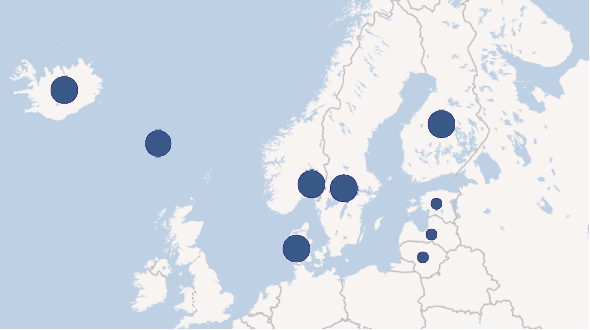
The group has members from Denmark, the Faroe Islands, Finland, Iceland, Norway and Sweden and meets online a few times a year and some years also in person. The frequency of meetings varies based on the project being carried out and e.g. current issues of the treaties and regulations handled by the members of the group.
Related goals of co-operation
x | Nordic co-operation has contributed to minimising the risks that chemicals and the chemical substances in products pose to human health and environment. |
x | Nordic work has encouraged companies manufacturing and using chemicals to focus on substitution, so that substances of very high concern are phased out as far as possible. |
Nordic work has contributed to increased knowledge on hazardous substances and the development of methods for assessing and managing the risks relating to groups of hazardous substances. | |
x | Nordic work has contributed to increasing the level of ambition of efforts relating to chemicals in the EU and globally. |
Nordic co-operation has contributed to the dissemination of knowledge to consumers about hazardous substances. |
x | Nordic co-operation has contributed to minimising the risks that chemicals and the chemical substances in products pose to human health and environment. |
x | Nordic work has encouraged companies manufacturing and using chemicals to focus on substitution, so that substances of very high concern are phased out as far as possible. |
Nordic work has contributed to increased knowledge on hazardous substances and the development of methods for assessing and managing the risks relating to groups of hazardous substances. | |
x | Nordic work has contributed to increasing the level of ambition of efforts relating to chemicals in the EU and globally. |
Nordic co-operation has contributed to the dissemination of knowledge to consumers about hazardous substances. |
Publications
Hafner, A., Gabrielii, C.H. and Widell, K. (2019). Refrigeration units in marine vessels. Alternatives to HCFCs and high GWP HFCs. Nordic Council of Ministers, TemaNord 2019:527. Available at: http://norden.diva-portal.org/smash/get/diva2:1301641/FULLTEXT01.pdf
Hansen, A., Mandrupsen, M., Hørning., P. and Fischer-Bogason, R. (2024). End-of-life treatment of Hydrofluoroolefins (HFOs). Nordic Council of Ministers, TemaNord 2024:522. Available at: https://www.norden.org/en/publication/end-life-treatment-hydrofluoroole-fins-hfos
Poulsen, T. and Pedersen, P. (2020). Nordic criteria for Green Public Procurement (GPP) for alternatives to high GWP HFCs in RAC products. Nordic Council of Ministers, TemaNord 2020:512. Available at:https://pub.norden.org/temanord2020-512/#24952
Ujfalusi, M., Gaustad, A., Paludan, D., Bæringsdóttir, B., Hansen, M., Finel, N. and Johansson, A. (2021). Illegal trade of HFCs: Report from the workshop: Fights against illegal trade of hydrofluorocarbons in the Nordic and Baltic Countries. 20th and 27th of January 2019. Nordic Council of Ministers, TemaNord 2021:907. Available at: https://www.norden.org/en/publication/illegal-trade-hfcs
3.8. Nordic Pesticides Group
 | Nordic pesticide group (NPLVG) focuses on i) safety aspects of processing and using products containing pesticides and ii) reducing emissions from pesticides. The group develops, interprets, and implements work routines and procedures regarding EU pesticide legislation, including evaluations, risk assessments, and product approval. The group operates within the Northern Zone, which is a practical forum for implementing the co-operation as stipulated in the plant protection product regulation. |
Activities and benefits
Nordic pesticide group (NPLVG) consists of the representants from Iceland, Norway, Sweden, Finland and Denmark but the group is responsible for projects within the Northern Zone as defined in plant protection products regulation ((EC) No 1107/2009), i.e. Norway, Sweden, Finland, Denmark, Iceland and the Baltic countries. The purpose of Northern zone is to evaluate applications for the approval of pesticides. The group works with legislation for the approval of the plant protection product, Regulation (EC) No 1107/2009. The Northern zone has developed a guidance document describing the application processes and national requirements of the member states in the Northern zone. The NPLVG has facilitated the co-operation and update process of the guidance document.
Achievements and impact
The NPLVG has organised workshops which have contributed to improvement and optimization of common interpretation of guidance documents. The workshops have also helped harmonization of risk assessments and evaluation procedures among Northern zone countries. The workshops of the subgroup have contributed to minimise the risks of chemicals and chemical substances to human health and environment by improving risk assessments of the pesticides. The topics of workshops have been tailored to specific needs and knowledge gaps of national risk assessors. The workshops have also acted as a platform to build competence of national experts on new risk assessment methodologies and tools.
A success story – common interpretation of legislation and guidance of plant protection products
Nordic level | EU/EEA level | Global level |
The NPLVG organised several successful workshops with the steering committee and the experts of plant protection product risk assessors and risk managers in the Northern zone. Because of a good co-operation and communication, the Northern zone has developed a guidance document describing the application processes and national requirements of the member states in the Northern zone. This document, the “Guidance document on work-sharing in the Northern zone in the authorisation of plant protection products”, is regularly updated with inputs from the group. The document gives common interpretation of legislation and guidance documents. Better Nordic co-operation, harmonization, and communication have benefited the regulators, stakeholders, and users of the plant protection products.
Group setup
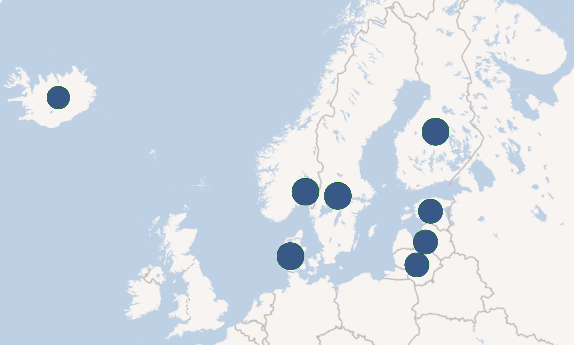
Nordic pesticide group consists of the representatives from Iceland, Norway, Sweden, Finland and Denmark but the group is responsible for projects within the Northern Zone as defined in plant protection products regulation ((EC) No 1107/2009), i.e. Norway, Sweden, Finland, Denmark, Iceland and the Baltic countries.
Related goals of co-operation
x | Nordic co-operation has contributed to minimising the risks that chemicals and the chemical substances in products pose to human health and environment. |
Nordic work has encouraged companies manufacturing and using chemicals to focus on substitution, so that substances of very high concern are phased out as far as possible. | |
Nordic work has contributed to increased knowledge on hazardous substances and the development of methods for assessing and managing the risks relating to groups of hazardous substances. | |
Nordic work has contributed to increasing the level of ambition of efforts relating to chemicals in the EU and globally. | |
Nordic co-operation has contributed to the dissemination of knowledge to consumers about hazardous substances. |
Publications
Tägt, J. and Ali, I. (2023). Nordic Working paper – Workshop on alternative in vitro methods to vertebrate studies under CLP. Nordic Council of Ministers, NA2023:901. Available at: https://www.norden.org/en/publication/workshop-alternative-vitro-methods-vertebrate-studies-under-clp
Northern Zone Steering Committee (2023). Guidance document on work-sharing in the Northern zone in the authorisation of plant protection products. Available at: NZGD_2023_Version+11.1+final_rev_Sept_2023.pdf (tukes.fi)
Environmental Protection Agency, The Ministry of Environment of Denmark. Cooperation in the Northern Zone. Available at: https://eng.mst.dk/chemicals/pesticides/applications-for-authorisation/cooperation-in-the-northern-zone
Ongoing projects
Plant Protection Products assessment in EU Northern Zone Workshop – Alignment and overall strategy for the handling in silico methods in human health assessment of plant protection products in the Northern Zone
3.9. Nordic Pollutant Release and Transfer Register
 | Nordic pollutant release and transfer register group focuses on knowledge of emissions of chemical substances in the Nordic countries. The group supports pollutant release and transfer registers (PRTRs) in the Nordic countries, as well as compliance with international initiatives (EU PRTR regulations, the UNECE-PRTR Protocol under the Aarhus Convention, and the OECD’s WP PRTR). |
Activities and benefits
The Nordic PRTR group focuses on European Pollutant Release and Transfer Register regulation (EU 166/2006). Pollutant Release and Transfer Registers (PRTRs) are inventories of pollution from industrial sites and other sources. The regulation implements Aarhus convention which was created to empower the role of citizens and civil society organisations in environmental matters. The Aarhus convention provides, for example, access to environmental information and public participation in environmental decision making. The Convention’s Protocol on Pollutant Release and Transfer Registers (adopted in May 2003 and entered into force in October 2009) aims to enhance public access to information through the establishment of coherent, nationwide pollutant release and transfer registers (PRTRs). National registers feed information to the EU wide European Industrial Emissions Portal that is maintained by European Environmental Agency (EEA).
The group shares best practices and practical examples of national PRTRs. One of the aims of the group is learning from each other and use the information to develop their national registers and services. Networking also enhances efficient co-operation both in- and outside of NPRTR group by ensuring collaboration of EPRTR experts between Nordic countries and, for example, in collaboration in EU meetings and preliminary work in EU.
Achievements and impact
PRTRs provide public access to information on inventories of pollution from industrial and other sites and aims to improve the transparency of data. Therefore, the PRTR wok enhances increased knowledge on hazardous substances not only for experts but also to general public.
The shared information in the group has been useful in conducting current state assessments and implementation of upcoming regulation. The co-operation and learning from one another helps others to develop their registers and services. The best practices and Nordic examples may also help national decision making when dealing with similar challenges or cases.
Group setup
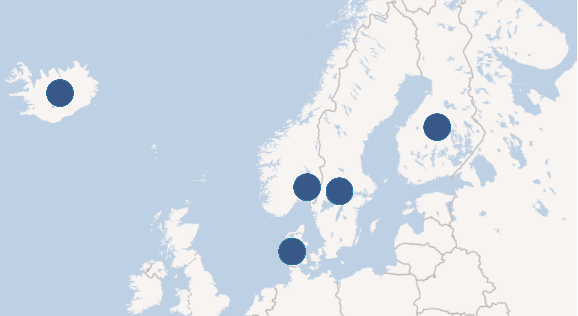
NPRTR group has members from Ministry of Environment in Finland, the Danish Environmental Protection Agency (Miljøstyrelsen), Finnish Environment Institute (SYKE), the Swedish Environmental Protection Agency (Naturvårdsverket), Norwegian Environment Agency (Miljødirektoratet) and the Environmental Agency of Iceland (Umhverfisstofnun). The group has annual meetings and maintains regular communication when needed.
Related goals of co-operation
Nordic co-operation has contributed to minimising the risks that chemicals and the chemical substances in products pose to human health and environment. | |
Nordic work has encouraged companies manufacturing and using chemicals to focus on substitution, so that substances of very high concern are phased out as far as possible. | |
x | Nordic work has contributed to increased knowledge on hazardous substances and the development of methods for assessing and managing the risks relating to groups of hazardous substances. |
Nordic work has contributed to increasing the level of ambition of efforts relating to chemicals in the EU and globally. | |
Nordic co-operation has contributed to the dissemination of knowledge to consumers about hazardous substances. |
Publications
No publications 2019–2024
3.10. Nordic Product Register
 | Nordic product register group (NPG) focuses on information about the use of chemicals in products on the market in Nordic countries. Information is essential for evaluating exposure, supporting surveillance, and other efforts crucial to authorities at regional, national, and local level. The group develops, maintains, and markets the Nordic SPIN database and the Nordic product registers, harmonises datasets in the registers, promotes the international use of data, as well as develop tools aimed at optimising the use of the data. |
Activities and benefits
Nordic product registers are central registers of information on chemical substances and products. National legislation requires manufacturers and importers to declare the information about chemicals placed on the market to the national chemical product registers. Data in the registers is used as support for risk assessments, statistical calculations, substance flow analyses and enforcement. Data is also used to get insight to new trends and estimate impacts of legislation. Moreover, some registers have message interphase through which companies can be informed about current issues concerning chemicals, for example updates of candidate list of substances of very high concern.
Achievements and impact
The Nordic product registers are among the most comprehensive product registers in the world regarding completeness of information and the number of registered products and substances. EU wide registers concern substances on the market whereas Nordic registers contain information where substances are used. The Nordic product registers contain valuable information on the actual use of chemical preparations and substances on the market in terms of
- volumes,
- number of products,
- composition of products and the function,
- industrial categories where the substance can be found.
NPG develops also national product registers in Nordic countries. The co-operation has introduced new tools for data handling as well as resulted into improved data accessibility, transparency, and usability of the data.
A success story – SPIN database
Nordic level | EU/EEA level | Global level |
Database for substances in preparations in the Nordic countries (SPIN) is the main project of NPG. SPIN is the result of a Nordic initiative to gather non-confidential, summarized information from the Nordic product registers concerning chemical substances in different types of products and industrial areas on the common system. The intention behind the database SPIN is to make data from all the national registers publicly available (when possible, adhering to confidentiality rules) on one place free of charge.
SPIN database has been available since year 2000, containing information about substances on the market in Denmark, Finland, Norway, and Sweden.
The information published in SPIN includes, for example,
- the number of products containing the certain substance,
- the annual amount of the substance on the market in tonnage,
- industrial categories and use categories of the substance use,
- the annual tonnage within these categories and the presence or absence of the substance in consumer products.
Providing information about substances available on the Nordic market and their quantities is important for health and environmental protection. Database is designed to provide information on the use and distribution of substances in Nordic countries to several authorities, researchers, organizations, businesses, NGO’s as well as to the public. SPIN is useful tool for the national authorities as support for risk assessments and supervision activities, as well as in efforts to prevent injury to health and environmental damage resulting from chemicals. Data can be used also by researchers for statistical calculations or substance flow analyses. SPIN contributes information on chemical substances and their usage patterns also in international context such as ECHA and the OECD.
Group setup
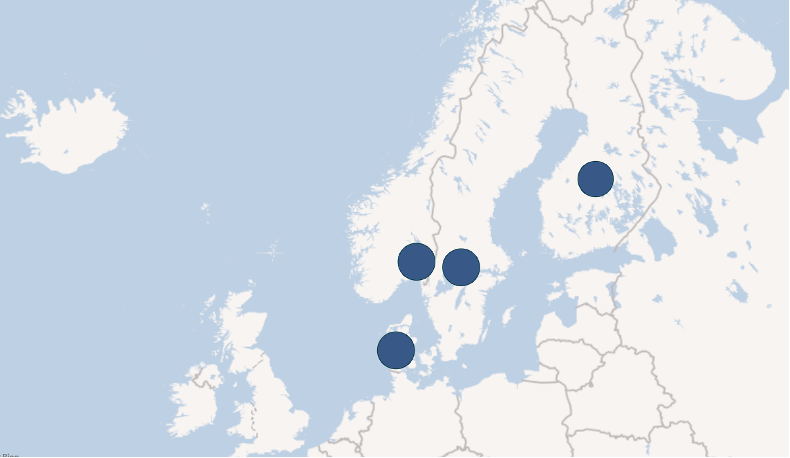
NPG has members from the Danish Working Environment Authority (Arbejdstilsynet), the Swedish Chemicals Agency (KemI), Norwegian Environment Agency (Miljødirektoratet) and Finnish Safety and Chemicals Agency (TUKES). Steering group has meetings twice online and one physical workshop annually. Participants of the meetings include NPG steering group members from every product register as well as other specialised experts relevant for the topics of the meeting.
Related goals of co-operation
Nordic co-operation has contributed to minimising the risks that chemicals and the chemical substances in products pose to human health and environment. | |
x | Nordic work has encouraged companies manufacturing and using chemicals to focus on substitution, so that substances of very high concern are phased out as far as possible. |
Nordic work has contributed to increased knowledge on hazardous substances and the development of methods for assessing and managing the risks relating to groups of hazardous substances. | |
x | Nordic work has contributed to increasing the level of ambition of efforts relating to chemicals in the EU and globally. |
Nordic co-operation has contributed to the dissemination of knowledge to consumers about hazardous substances. |
Publications
No publications.
3.11. Nordic Risk Assessment
 | Nordic project group for risk assessment (NORAP) focuses on risk and hazard assessment and risk management with chemicals, including endocrine disruptors, combination effects and social costs. The group’s work contributes to the objectives and priorities in the co-operation programme on the development of methods, advice and guidelines for risk assessment and risk management in connection with the implementation of EU and other international chemicals legislation. |
Activities and benefits
The Nordic risk assessment group (NORAP) has supported national authority work with REACH restrictions, classification and packaging and Stockholm convention of persistent organic pollutants (POPs). The group has organised workshops to increase knowledge of the authorities and supported national competence building on topics such as quantitative structure-activity relationship (QSAR; tools used in risk assessment) and New Approach Methods (replacement technologies for use in assessing chemical or drug toxicity). For projects, project leader from NORAP has taken a responsibility to coordinate the project with a consultant. Each project had a steering group with members included outside of NORAP group. The projects have often focused on different regulatory aspects of PFAS.
Achievements and impact
NORAP has focused on restriction work in PFAS chemicals. The project reports have been and sent to the Basel, Rotterdam, and Stockholm Conventions on hazardous chemical management. The group has also produced relevant reports which has been used in the context of national restrictions and opinion forming. For example, the report “Cost of inaction” are still used by environmental NGOs. The competences build on New Approach Methods and QSAR workshop has helped increased knowledge within these fields. Both are used in the daily work of competent authorities as well as ECHA.
A success story- PFASs in the Nordic environment:
Nordic level | EU/EEA level | Global level |
NORAP group has done several PFAS related projects over the years. The latest projects "Analytical methods for PFAS in Products and the environment" and "Analysis of needs for enforcement of PFASs" summarized available methods for PFAS-analyses and evaluated and described the regulatory needs for enforcement of restricted PFASs.
The aims of the projects were to inform decision makers, the scientific community, general stakeholders (e.g. NGOs) and relevant scientific projects such as Partnership for the Assessment of Risks from Chemicals (PARC) on the status of PFAS analysis in primarily articles and chemicals products. The projects reported what concrete measures are needed in order to obtain reliable PFAS-analyses. The reports themselves provide valuable input to ongoing PFAS restriction processes under REACH and the Stockholm Convention/POPs-regulation.
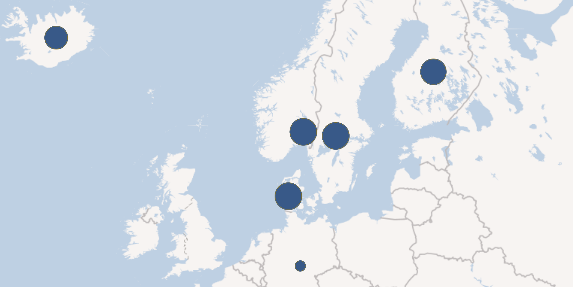
Group setup
NORAP has 1–2 members from Denmark, Norway, Sweden, Finland, and Iceland. The group organised 2–3 online meetings and 1 physical meeting annually. The aim of the meetings was to discuss on relevant substance issues and organizing project work.
Related goals of co-operation
x | Nordic co-operation has contributed to minimising the risks that chemicals and the chemical substances in products pose to human health and environment. |
Nordic work has encouraged companies manufacturing and using chemicals to focus on substitution, so that substances of very high concern are phased out as far as possible. | |
x | Nordic work has contributed to increased knowledge on hazardous substances and the development of methods for assessing and managing the risks relating to groups of hazardous substances. |
Nordic work has contributed to increasing the level of ambition of efforts relating to chemicals in the EU and globally. | |
Nordic co-operation has contributed to the dissemination of knowledge to consumers about hazardous substances. |
Publications NORAP
Borg, D. and Larsson, K. (2024). Policy Brief: Development of methods for PFAS analyses in articles and chemical products is needed. Nordic Council of Ministers, Nord 2024:011. Available at: https://www.norden.org/en/publication/policy-brief-development-methods-pfas-analyses-articles-and-chemical-products-needed
Goldenman, G., Fernandes, M., Holland, M., Tugran, T., Nordin, A. and McNeil, A. (2019). The cost of inaction - A socioeconomic analysis of environmental and health impacts linked to exposure to PFAS. Nordic Council of Ministers, TemaNord 2019:516. Available at: http://norden.diva-portal.org/smash/get/diva2:1295959/FULLTEXT01.pdf
Krause, M., Stoesser, J., Reis de Carvalho, A., Hanozin, E., Jacobs, G., Voorspoels, S. and Polcher, A. (2024). Analysis of needs for enforcement of PFAS in articles and chemical products. Nordic Council of Ministers, TemaNord 2024:510. Available at: https://www.norden.org/en/publication/analysis-needs-enforcement-pfas-articles-and-chemical-products
Schöpel, M., Jacobs, G., Jordens, J., van Ermen, G., Voorspoels, S. and Krause, M. (2022). Analytical Methods for PFAS in Products and the Environment. Nordic Council of Ministers, TemaNord 2022:510. Available at: https://www.norden.org/en/publication/analytical-methods-pfas-products-and-environment
Wang, Z., Goldenman, G., Tugran, T., McNeil, A. and Jones., M. (2020). Per- and polyfluoroalkylether substances: identity, production and use. Nordic Council of Ministers, NA2020:901. Available at: http://norden.diva-portal.org/smash/get/diva2:1392167/FULLTEXT02.pdf
3.12. Nordic Screening of Chemicals
 | Nordic group for screening of chemicals focused on knowledge of the prevalence and spread of harmful chemicals in the Nordic Region and the Arctic. The group screened new chemicals that may have potentially adverse effects on health and the environment. The Nordic Screening Group (NScG) publishes details of its work, including results, on its website (www.nordicscreening.org). |
Group set-up and benefits
The main activities of the joint Nordic Screening Group were to execute joint screening projects on emerging pollutants and to arrange workshops focusing on Nordic environmental issues as well as knowledge-sharing and providing a network between Nordic colleagues. The group hosted workshops contributing to increased knowledge on chemicals. Co-ordinated screening studies were handled by the NScG which had representatives from each of the Nordic countries and welcomed additional members.
The coordinated campaigns where samples from all the Nordic countries were included in the projects. This approach increased the scientific quality of a study by e.g. eliminating the inter-laboratory uncertainty, when all the analyses are performed by the same laboratory. Joint Nordic screening provided results that are easy to compare with neighbouring countries enhancing the data usability. This was also a cost-effective way to increase knowledge on chemicals. The group provided a network between experts to make collaboration easy, sharing experiences, and knowledge transfer.
Achievements and impact
The main output from the group was to identify emerging pollutants in the environment and to provide data on chemicals to support EU regulations and international conventions. The group produced new knowledge on chemicals in the Nordic environment and published the results as TemaNord reports and on the group’s website (www.nordicscreening.org). Another output was to increase awareness and collaborations between science and policy through arranging workshops on emerging issues relevant for the Nordic and Arctic area.
The results of the screening studies have been submitted to e.g. the Stockholm convention. As an example, the joint Nordic Screening Group was among the first to screen for siloxanes. Siloxanes are a group of substances, which are used in various products, such as in sealants, coatings, electronics, cosmetics, and personal care products. Some siloxanes have persistent, bioaccumulative and toxic properties. Because of the widespread use and persistence, the screening in the Nordic environment was considered important. The results were followed up nationally and reported to international conventions and some siloxanes are now regulated in EU.
A success story- PFASs in the Nordic environment:
Nordic level | EU/EEA level | Global level |
The project was conducted to provide new knowledge on PFAS. The aim was to monitor an extensive list of conventional and emerging PFASs in a wide variety of environmental matrices from the Nordic countries and compare the results with measured total extractable organic fluorine in order to account for any unknown organofluorine compounds.
More than 100 samples were analysed from a range of different matrices, including bird eggs, fish, marine mammals, terrestrial mammals, surface water, wastewater treatment plant effluents and sludge, and air. New methods were tested, and almost 100 PFAS compounds were included, some of these are only rarely measured.
The project had good timing, as the results demonstrated the need for wide restrictions and the results could be used in the work on PFAS restriction. The results have contributed to the work on PFAS restrictions in the EU as well as globally.
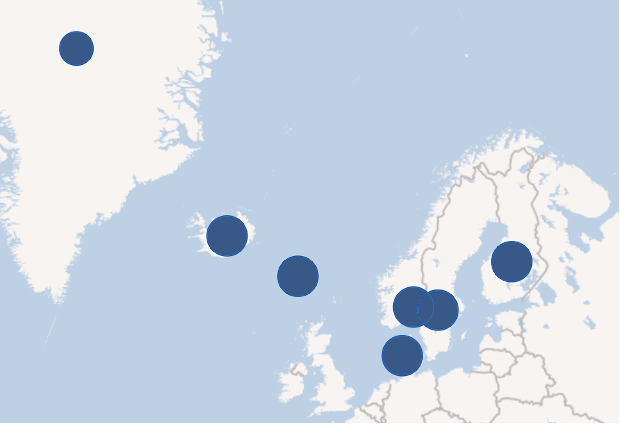
Group setup
Current members of the group are from Finnish Environment Institute (SYKE), the Swedish Environmental Protection Agency (Naturvårdsverket), the Swedish Chemicals Agency (KEMI), Norwegian Environment Agency (Miljødirektoratet), Danish Centre for Environment and Energy – DCE, for the Danish Environmental Protection Agency, the Environmental Agency of Faroe Islands (Umhvørvisstovan) and the Environmental Agency of Iceland (Umhverfisstofnun). The group met up online every month and meet physically once every year, to discuss progress, new projects, and share national monitoring and screening news. Managing the group was a joint effort of members from institutions in different Nordic countries.
Related goals of co-operation
x | Nordic co-operation has contributed to minimising the risks that chemicals and the chemical substances in products pose to human health and environment. |
x | Nordic work has encouraged companies manufacturing and using chemicals to focus on substitution, so that substances of very high concern are phased out as far as possible. |
x | Nordic work has contributed to increased knowledge on hazardous substances and the development of methods for assessing and managing the risks relating to groups of hazardous substances. |
x | Nordic work has contributed to increasing the level of ambition of efforts relating to chemicals in the EU and globally. |
Nordic co-operation has contributed to the dissemination of knowledge to consumers about hazardous substances. |
Publications
Andreasen, B., van Bavel, B., Fischer, S., Haglund., P., Rostkowski, P., Reid, M., Samanipour, S., Schlabach, M., Veenaas, C. and Dam, M. (2021). Maximizing output from non-target screening. Nordic Council of Ministers, TemaNord 2021:526. Available at: https://pub.norden.org/temanord2021-526/
Bohlin-Nizzetto, P., Borgen, A. and Nipen, M. (2023). Chlorinated paraffins in urban air in Nordic Countries. Nordic Council of Ministers, TemaNord 2023:015. Available at: https://www.norden.org/en/publication/chlorinated-paraffins-urban-air-nordic-countries
Hanssen, L., Schmidt, N. and Nikiforov, V. (2024). Screening of compounds in tire wear road run off. Nordic Council of Ministers, TemaNord 2024:525. Available at: https://www.norden.org/en/publication/screening-compounds-tire-wear-road-run
Kärrman, A., Wang, T. and Kallenborn, R. (2019). PFASs in the Nordic environment: Screening of Poly- and Perfluoroalkyl Substances (PFASs) and Extractable Organic Fluorine (EOF) in the Nordic Environment. Nordic Council of Ministers, TemaNord 2019:515. Available at: https://norden.diva-portal.org/smash/get/diva2:1296387/FULLTEXT01.pdf
Schlabach, M., Borgen, A., Bæk, K. and Kringstad, A. (2022). Screening of Chlorinated Paraffins, Dechloranes and UV-filters in Nordic Countries. Nordic Council of Ministers, TemaNord 2022:519. Available at https://www.norden.org/en/publication/screening-chlorinated-paraffins-dechloranes-and-uv-filters-nordic-countries