STRUCTURAL DOMAINS
EQUITY IN EDUCATION
Ensure inclusive and context-aware learning environments
Education should be the foundation of equality, not a reproducer of disadvantages. All children and youth, regardless of background, must have equal access to inclusive, culturally aware, and high-quality education.
- Integrate intercultural competencies and anti-racism practices into teacher training.
- Embed diverse narratives and histories into national curricula.
- Ensure equitable access to early assessment, native language instruction, and differentiated support.
- Monitor and counteract implicit bias in classroom dynamics and school policy.
A school that does not see its students will not be seen by them. Education must reflect the real lives and futures of all young people, not just the majority.
It is essential that policymakers and educators embrace diversity as a strength, for only then may classrooms serve as inclusive learning environments in which all children are recognised, respected, and experience a genuine sense of belonging.
Ensure inclusive and context-aware learning environments
Education should be the foundation of equality, not a reproducer of disadvantages. All children and youth, regardless of background, must have equal access to inclusive, culturally aware, and high-quality education.
- Integrate intercultural competencies and anti-racism practices into teacher training.
- Embed diverse narratives and histories into national curricula.
- Ensure equitable access to early assessment, native language instruction, and differentiated support.
- Monitor and counteract implicit bias in classroom dynamics and school policy.
A school that does not see its students will not be seen by them. Education must reflect the real lives and futures of all young people, not just the majority.
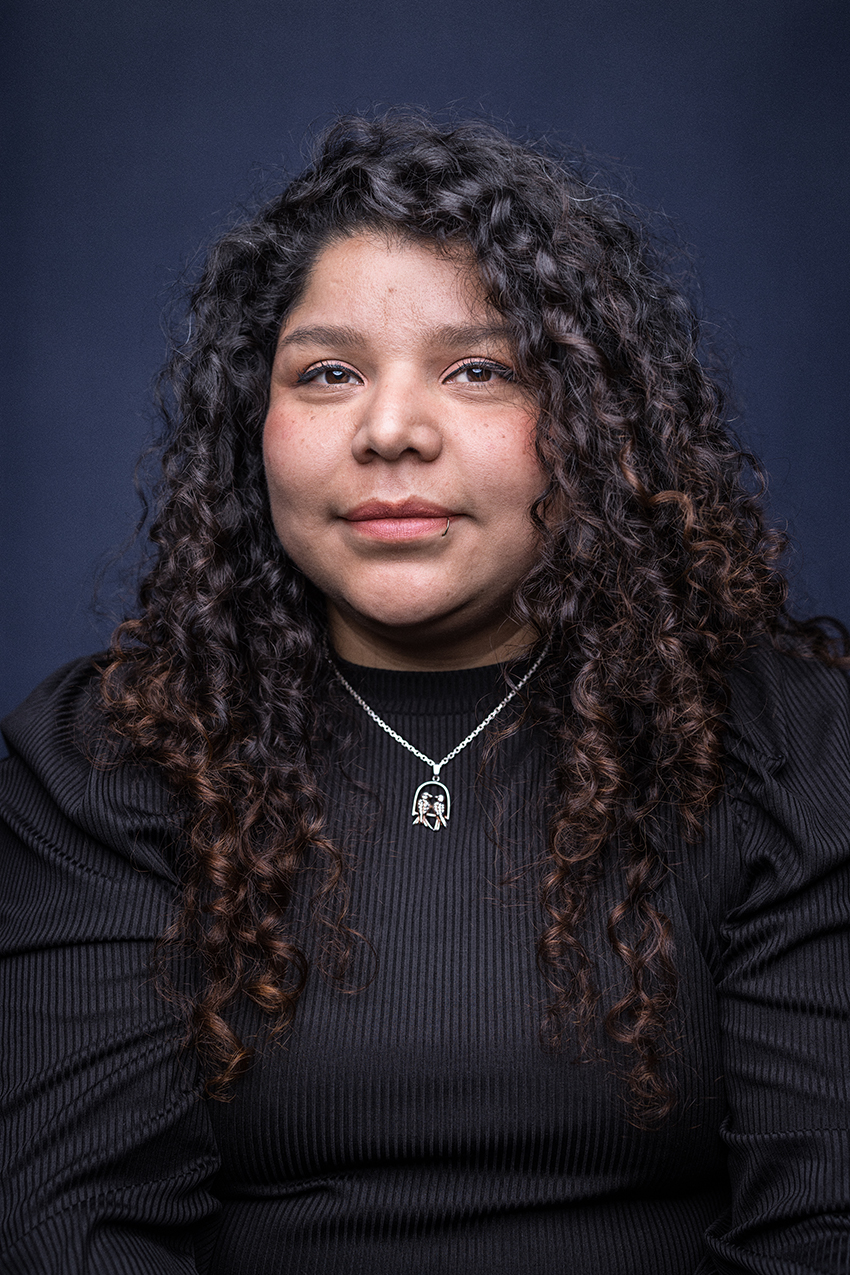
It is essential that policymakers and educators embrace diversity as a strength, for only then may classrooms serve as inclusive learning environments in which all children are recognised, respected, and experience a genuine sense of belonging.Sylvia Magnussen
PARTICIPATION MEANS POWER
Make youth councils and democratic tools meaningful
Youth with migrant backgrounds must be supported to move from consultation to real influence. Their experiences are not marginal; they are central to shaping a sustainable future.
- Diversify and fund youth councils, ensuring representation across ethnicity, gender, and residency status.
- Include civic education and democratic skills in formal and informal learning spaces.
- Support youth led initiatives with access to mentorship, funding, and decision-making platforms.
- Remove institutional barriers that block young people from accessing political influence.
Inclusion means power. Youth cannot be expected to feel part of a society they are excluded from shaping.
Young people deserve more than a symbolic seat at the table. Real participation gives us the power to shape decisions that affect our lives. Through democratic empowerment and education, let’s pass on the baton to future generations and secure our democracy.
Make youth councils and democratic tools meaningful
Youth with migrant backgrounds must be supported to move from consultation to real influence. Their experiences are not marginal; they are central to shaping a sustainable future.
- Diversify and fund youth councils, ensuring representation across ethnicity, gender, and residency status.
- Include civic education and democratic skills in formal and informal learning spaces.
- Support youth led initiatives with access to mentorship, funding, and decision-making platforms.
- Remove institutional barriers that block young people from accessing political influence.
Inclusion means power. Youth cannot be expected to feel part of a society they are excluded from shaping.
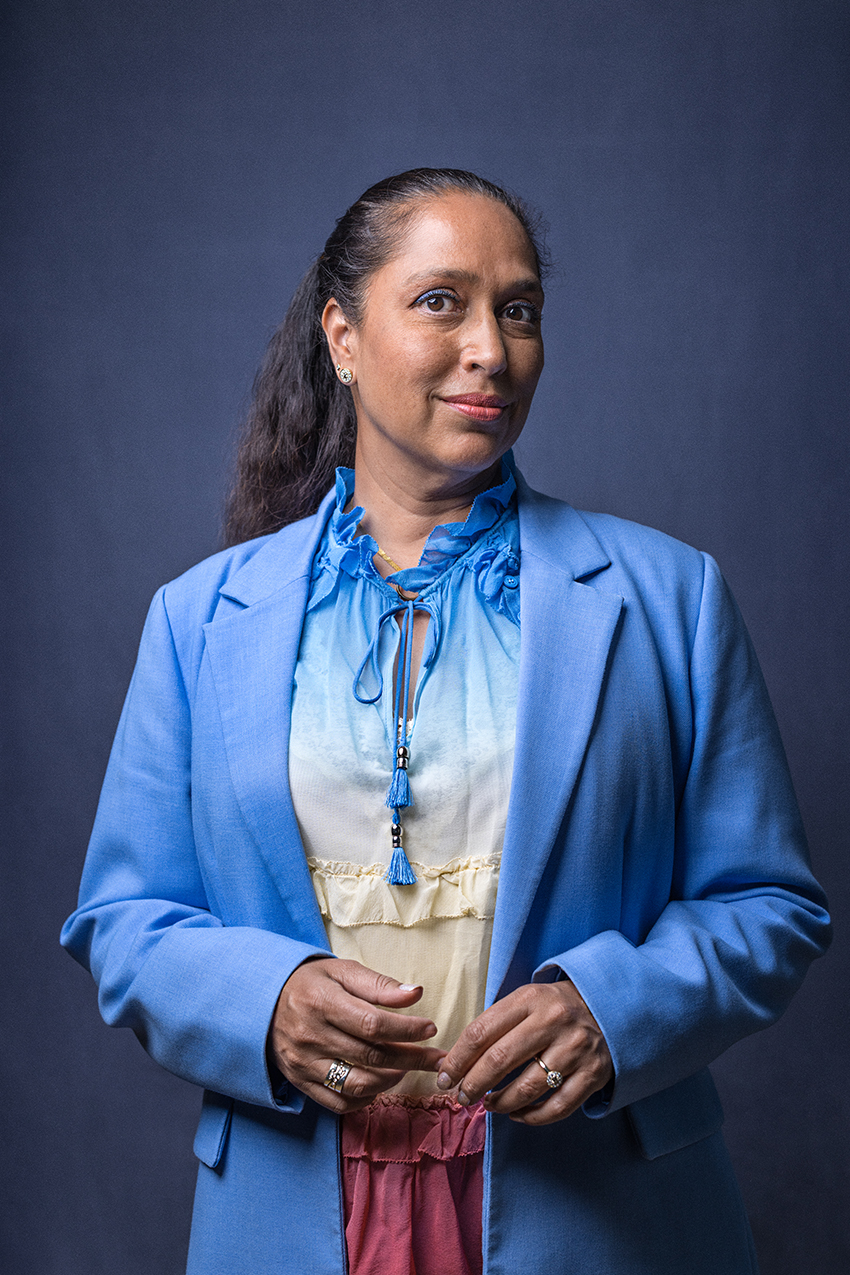
Young people deserve more than a symbolic seat at the table. Real participation gives us the power to shape decisions that affect our lives. Through democratic empowerment and education, let’s pass on the baton to future generations and secure our democracy.Rushy Rashid Højbjerg
REPRESENTATION MATTERS
Embed diverse voices at all levels of decision-making
Institutions, both public and private, should mirror the populations they serve. This means investing in long-term change in recruitment, retention, and narrative setting.
- Create pathways for minoritized professionals into leadership, boards, and decision-making roles across sectors.
- Embed diversity targets and structural support within recruitment and development policies.
- Diversify public communication, campaigns, and representation across industries.
- Support safe spaces for professionals from underrepresented backgrounds to thrive and influence institutional culture.
When people see themselves in power, they believe in it. Trust grows when leadership reflects the realities of those they serve.
By embedding the voices of minorities and migrants across decision-making processes, we recognize that representation is essential for creating equitable and inclusive outcomes.
Embed diverse voices at all levels of decision-making
Institutions, both public and private, should mirror the populations they serve. This means investing in long-term change in recruitment, retention, and narrative setting.
- Create pathways for minoritized professionals into leadership, boards, and decision-making roles across sectors.
- Embed diversity targets and structural support within recruitment and development policies.
- Diversify public communication, campaigns, and representation across industries.
- Support safe spaces for professionals from underrepresented backgrounds to thrive and influence institutional culture.
When people see themselves in power, they believe in it. Trust grows when leadership reflects the realities of those they serve.
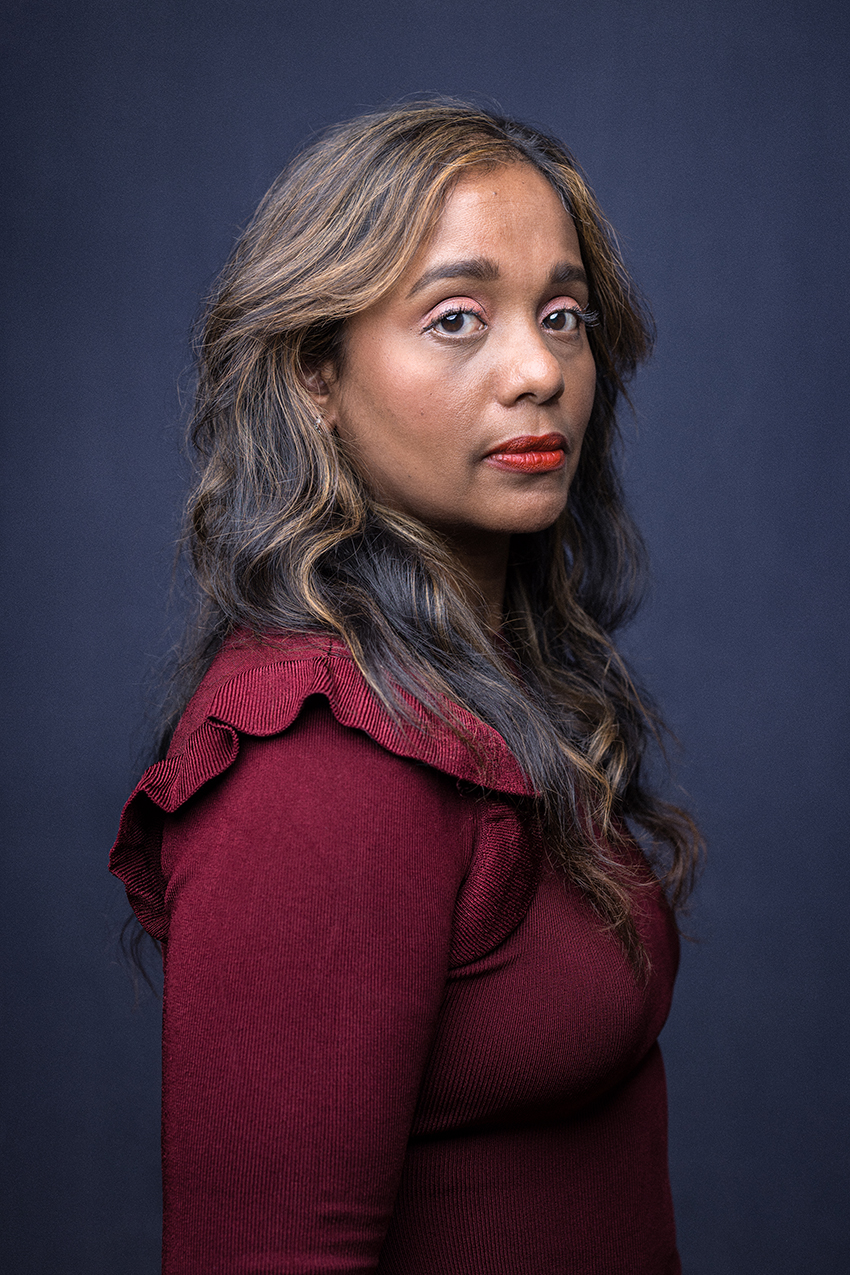
By embedding the voices of minorities and migrants across decision-making processes, we recognize that representation is essential for creating equitable and inclusive outcomes.Runa Preeti
EQUAL ACCESS, NOT PARALLEL PATHS
Ensure fair access to public services, activities, and institutions
Access must be designed, not assumed. Young people and their families must be able to navigate public services, community programs, and systems based on rights without relying on prior knowledge, language fluency, or informal networks. Digital platforms and physical spaces must be built for inclusion from the start.
- Audit services and programs to identify indirect exclusion, digital gaps, and cultural mismatches.
- Develop accessible digital platforms in multiple languages that provide timely and relevant information, especially for parents and newly arrived families.
- Embed inclusion requirements in sports, culture, youth, and education policies to ensure that shared spaces remain genuinely open.
- Fund community-based outreach and support initiatives that bridge knowledge and access gaps in both urban and rural settings.
Parallel systems often reproduce unequal outcomes. True equality means making public life understandable and available to all in the right language, at the right time, through the right channels.
I believe equity in the Nordics is strengthened by removing barriers and ensuring equal access to public services, institutions, and opportunities nurturing a more inclusive community.
Ensure fair access to public services, activities, and institutions
Access must be designed, not assumed. Young people and their families must be able to navigate public services, community programs, and systems based on rights without relying on prior knowledge, language fluency, or informal networks. Digital platforms and physical spaces must be built for inclusion from the start.
- Audit services and programs to identify indirect exclusion, digital gaps, and cultural mismatches.
- Develop accessible digital platforms in multiple languages that provide timely and relevant information, especially for parents and newly arrived families.
- Embed inclusion requirements in sports, culture, youth, and education policies to ensure that shared spaces remain genuinely open.
- Fund community-based outreach and support initiatives that bridge knowledge and access gaps in both urban and rural settings.
Parallel systems often reproduce unequal outcomes. True equality means making public life understandable and available to all in the right language, at the right time, through the right channels.
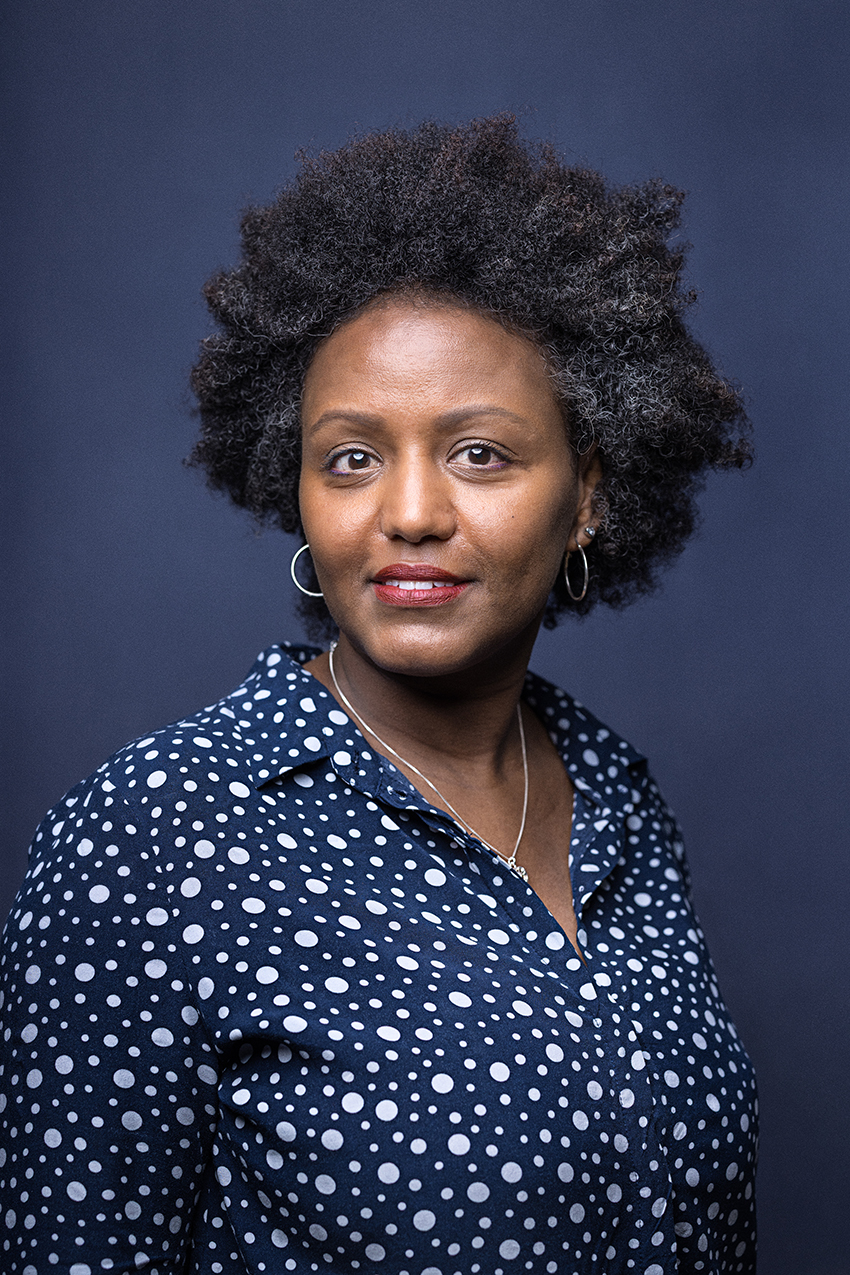
I believe equity in the Nordics is strengthened by removing barriers and ensuring equal access to public services, institutions, and opportunities nurturing a more inclusive community.Sofia Achame-Räisänen
ADDRESS YOUTH VULNERABILITY
Ensure fair access to public services, activities, and institutions
Across the Nordic region, too many young people from migrant backgrounds are disconnected from education, work, and society. Some are drawn into crime, others disappear into silence. Behind these outcomes are not individual failures, but systemic ones, including school exclusion, family breakdown, untreated trauma, and a sense of not being wanted. Prevention must be firm, early, and rooted in legitimacy. Reintegration must offer a real alternative to rebellion.
- Launch targeted cross sector prevention programs in areas with high youth exclusion and exposure to crime.
- Establish early intervention teams that include schools, youth workers, social services, and police with shared responsibility.
- Fund second chance pathways focused on education, employment, and peer-based community reentry.
- Confront school-based exclusion, family level violence, and masculine identity pressure as key structural drivers.
- Engage youth directly in designing what safety, belonging, and opportunity look like on their terms.
Exclusion does not happen overnight. It builds when institutions look away, when schools punish without understanding, when young people are not seen as worth investing in. The answer is not blame, but legitimacy and leadership. Young people must be held to standards, and so must the systems around them.
I encourage all stakeholders, decisionmakers and grown-up people to support the cultivation of social ecologies of belonging that will allow our youth in the Nordics to flourish and thrive as active and responsible citizens.
Ensure fair access to public services, activities, and institutions
Across the Nordic region, too many young people from migrant backgrounds are disconnected from education, work, and society. Some are drawn into crime, others disappear into silence. Behind these outcomes are not individual failures, but systemic ones, including school exclusion, family breakdown, untreated trauma, and a sense of not being wanted. Prevention must be firm, early, and rooted in legitimacy. Reintegration must offer a real alternative to rebellion.
- Launch targeted cross sector prevention programs in areas with high youth exclusion and exposure to crime.
- Establish early intervention teams that include schools, youth workers, social services, and police with shared responsibility.
- Fund second chance pathways focused on education, employment, and peer-based community reentry.
- Confront school-based exclusion, family level violence, and masculine identity pressure as key structural drivers.
- Engage youth directly in designing what safety, belonging, and opportunity look like on their terms.
Exclusion does not happen overnight. It builds when institutions look away, when schools punish without understanding, when young people are not seen as worth investing in. The answer is not blame, but legitimacy and leadership. Young people must be held to standards, and so must the systems around them.
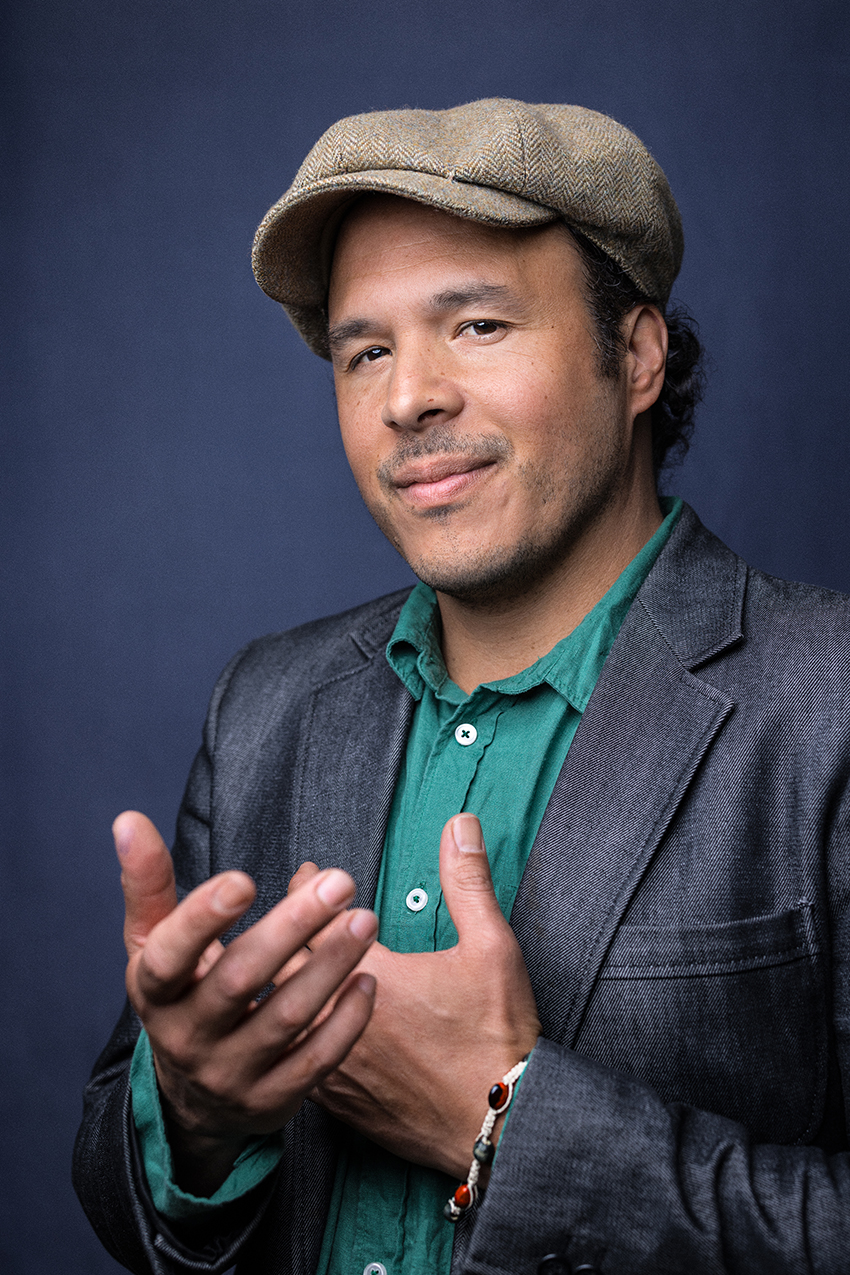
I encourage all stakeholders, decisionmakers and grown-up people to support the cultivation of social ecologies of belonging that will allow our youth in the Nordics to flourish and thrive as active and responsible citizens.Juan Camilo Roman Estrada