SOCIAL AND RELATIONAL DOMAINS
THE PRESSURE PILLAR
Support youth navigating conflicting expectations
Second-generation youth often carry the weight of two worlds. At home, they may face strong cultural and moral expectations. In society, they encounter norms, judgments, and silent demands to assimilate. This constant balancing act creates pressure that can affect mental health, belonging, and self-confidence. Integration policies must acknowledge and address this invisible load.
- Introduce culturally sensitive mental health services in schools and community spaces that are safe and trusted.
- Train youth workers and educators to recognize and respond to identity related stress, loyalty conflicts, and emotional overload.
- Fund youth led initiatives that provide room for self-expression, reflection, and identity exploration.
- Support intergenerational conversations and mentorship programs that ease tension and build mutual understanding.
The pressure young people face is often unspoken, but it shapes every decision they make. We must stop asking them to choose between their family and their future, or between faith and belonging. Our task is not to lighten their identity, but to lift the weight.
Young migrants face high expectations across cultures. I foster safe spaces and mentorship to support their identity, belonging, and emotional growth – true integration goes beyond school and academic success.
Support youth navigating conflicting expectations
Second-generation youth often carry the weight of two worlds. At home, they may face strong cultural and moral expectations. In society, they encounter norms, judgments, and silent demands to assimilate. This constant balancing act creates pressure that can affect mental health, belonging, and self-confidence. Integration policies must acknowledge and address this invisible load.
- Introduce culturally sensitive mental health services in schools and community spaces that are safe and trusted.
- Train youth workers and educators to recognize and respond to identity related stress, loyalty conflicts, and emotional overload.
- Fund youth led initiatives that provide room for self-expression, reflection, and identity exploration.
- Support intergenerational conversations and mentorship programs that ease tension and build mutual understanding.
The pressure young people face is often unspoken, but it shapes every decision they make. We must stop asking them to choose between their family and their future, or between faith and belonging. Our task is not to lighten their identity, but to lift the weight.
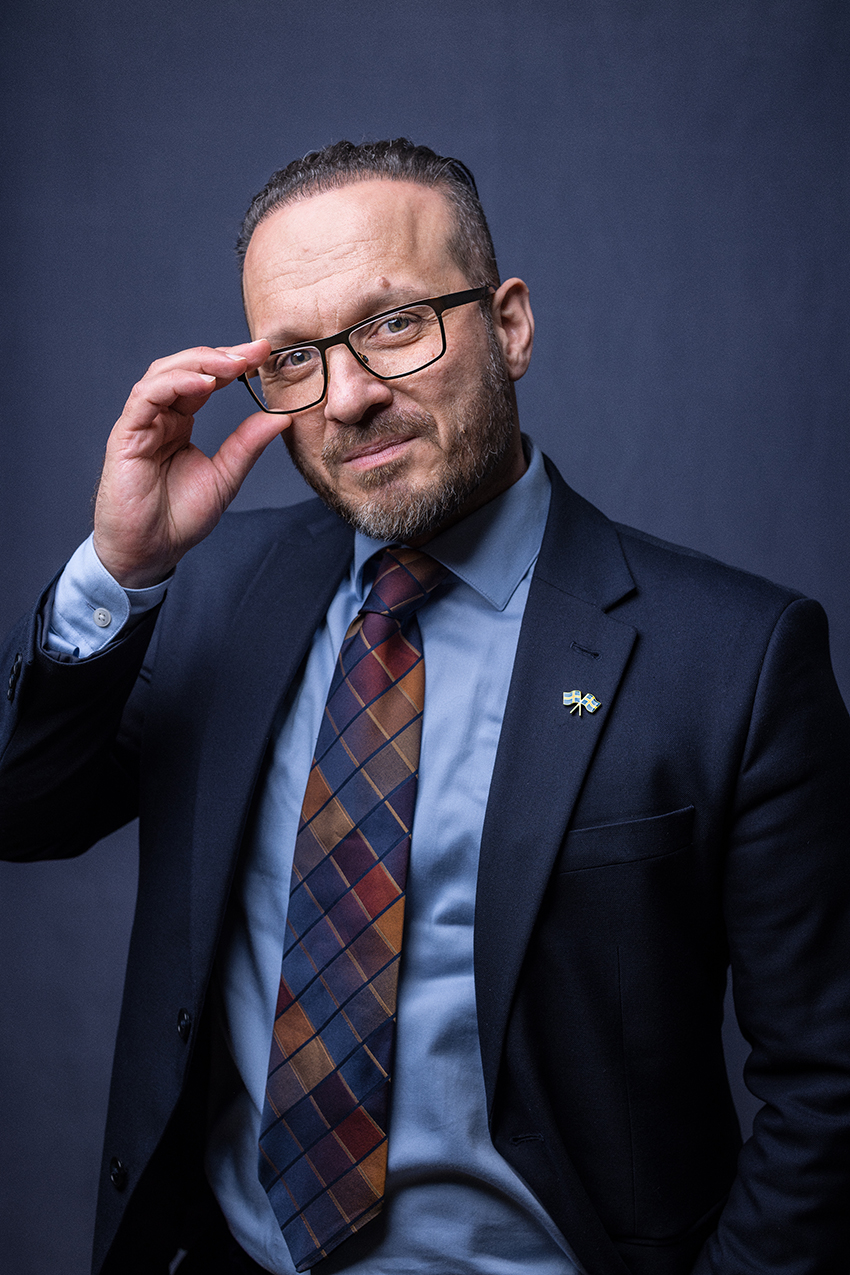
Young migrants face high expectations across cultures. I foster safe spaces and mentorship to support their identity, belonging, and emotional growth – true integration goes beyond school and academic success.Sermon Shaba
IDENTITY AND BELONGING
Make space for multiple identities and complex roots
Belonging is not about fitting in. It is about being accepted as you are. Young people with migrant backgrounds often carry layered identities shaped by language, heritage, religion, and experience. These are assets, not complications. Yet in many social and institutional spaces, this complexity is either ignored or treated as a barrier. Integration must celebrate multifaceted identity, not erase it.
- Support schools and youth spaces to actively work with identity, belonging, and representation in everyday life.
- Fund cultural and artistic initiatives that reflect diasporic narratives, multilingual realities, and spiritual heritage.
- Address public and policy narratives that equate national belonging with conformity or erasure.
- Involve young people in co-creating environments where it is safe to be whole.
Too often, young people are asked to choose between parts of themselves. Between what feels true and what feels accepted. When we make space for full identities, we do not just support individuals, we build a society where everyone can belong without leaving anything behind.
Identity and belonging mean making space for multiple identities and complex roots, ensuring everyone feels included and connected, by embracing language, culture, and community to ensure everyone feels seen, valued, and connected.
Make space for multiple identities and complex roots
Belonging is not about fitting in. It is about being accepted as you are. Young people with migrant backgrounds often carry layered identities shaped by language, heritage, religion, and experience. These are assets, not complications. Yet in many social and institutional spaces, this complexity is either ignored or treated as a barrier. Integration must celebrate multifaceted identity, not erase it.
- Support schools and youth spaces to actively work with identity, belonging, and representation in everyday life.
- Fund cultural and artistic initiatives that reflect diasporic narratives, multilingual realities, and spiritual heritage.
- Address public and policy narratives that equate national belonging with conformity or erasure.
- Involve young people in co-creating environments where it is safe to be whole.
Too often, young people are asked to choose between parts of themselves. Between what feels true and what feels accepted. When we make space for full identities, we do not just support individuals, we build a society where everyone can belong without leaving anything behind.
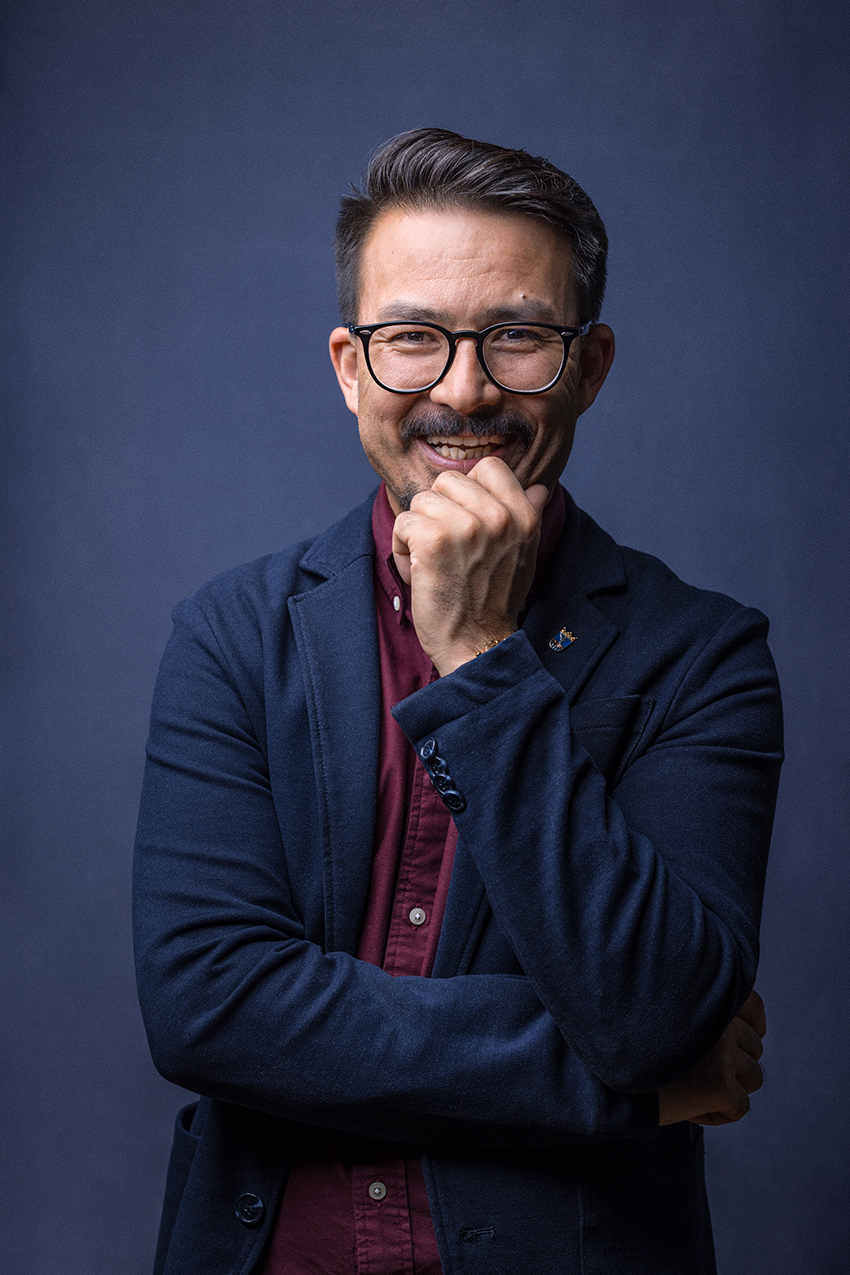
Identity and belonging mean making space for multiple identities and complex roots, ensuring everyone feels included and connected, by embracing language, culture, and community to ensure everyone feels seen, valued, and connected.Jassin Rezai
COMBAT EVERYDAY RACISM
Address structural and internalised forms of exclusion
Belonging is not about fitting in. It is about being accepted as you are. Young people with migrant backgrounds often carry layered identities shaped by language, heritage, religion, and experience. These are assets, not complications. Yet in many social and institutional spaces, this complexity is either ignored or treated as a barrier. Integration must celebrate multifaceted identity, not erase it.
- Support schools and youth spaces to actively work with identity, belonging, and representation in everyday life.
- Fund cultural and artistic initiatives that reflect diasporic narratives, multilingual realities, and spiritual heritage.
- Address public and policy narratives that equate national belonging with conformity or erasure.
- Involve young people in co-creating environments where it is safe to be whole.
Too often, young people are asked to choose between parts of themselves. Between what feels true and what feels accepted. When we make space for full identities, we do not just support individuals, we build a society where everyone can belong without leaving anything behind
To dismantle everyday racism, we must transform the systems (at all levels) that divide us, heal and restore dignity in everyone so that we can recognize our shared humanity.
Address structural and internalised forms of exclusion
Belonging is not about fitting in. It is about being accepted as you are. Young people with migrant backgrounds often carry layered identities shaped by language, heritage, religion, and experience. These are assets, not complications. Yet in many social and institutional spaces, this complexity is either ignored or treated as a barrier. Integration must celebrate multifaceted identity, not erase it.
- Support schools and youth spaces to actively work with identity, belonging, and representation in everyday life.
- Fund cultural and artistic initiatives that reflect diasporic narratives, multilingual realities, and spiritual heritage.
- Address public and policy narratives that equate national belonging with conformity or erasure.
- Involve young people in co-creating environments where it is safe to be whole.
Too often, young people are asked to choose between parts of themselves. Between what feels true and what feels accepted. When we make space for full identities, we do not just support individuals, we build a society where everyone can belong without leaving anything behind
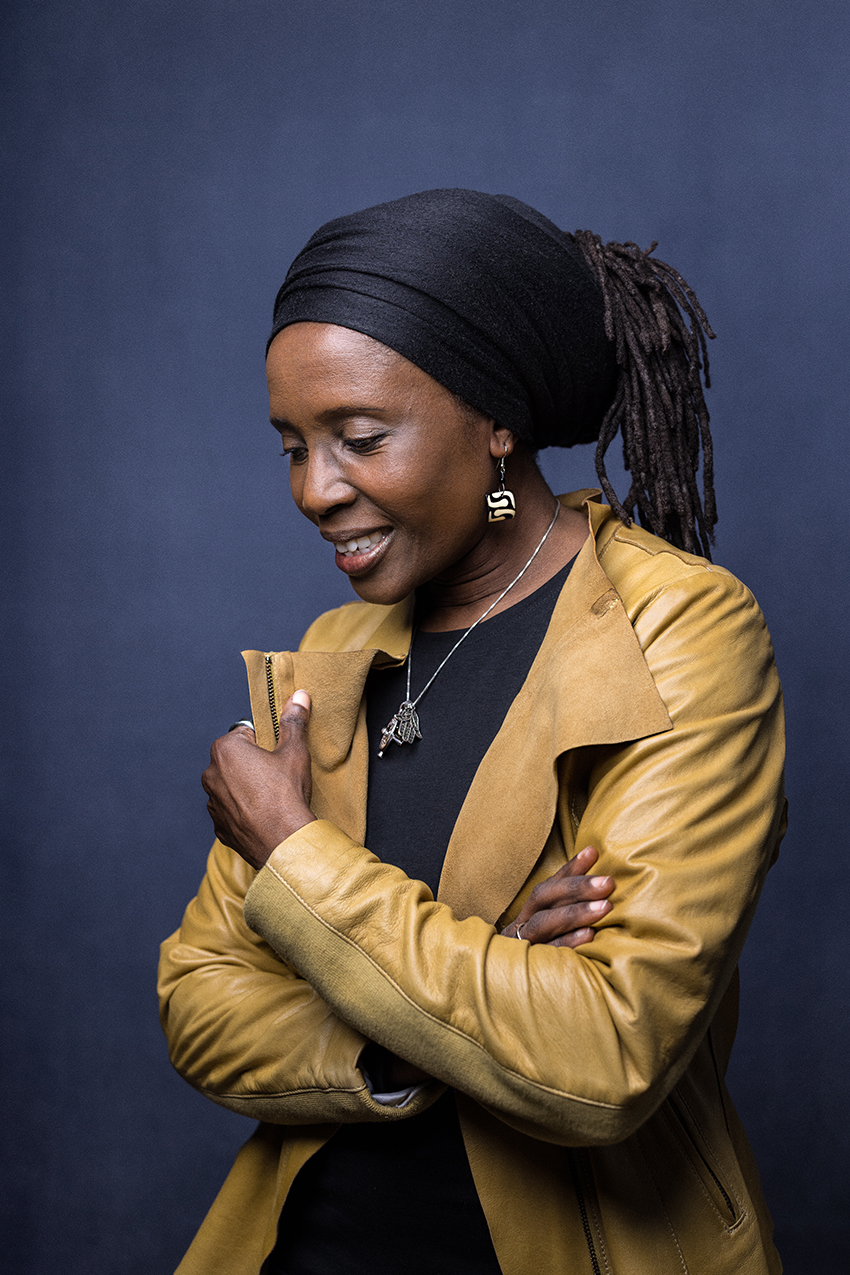
To dismantle everyday racism, we must transform the systems (at all levels) that divide us, heal and restore dignity in everyone so that we can recognize our shared humanity.Sarifa Moola-Nernæs
INTERGENERATIONAL DIALOGUE
Strengthen connection between generations as a resilience strategy
Families carry deep knowledge, memory, and moral grounding. But they are also shaped by migration, change, and loss. Generational gaps can become sources of misunderstanding, silence, or conflict, especially when youth feel they must choose between values. Strengthening intergenerational trust builds resilience not only in families but in entire communities.
- Support safe spaces where parents and young people can speak openly about expectations, change, and identity.
- Fund community-based programs that explore cultural heritage, life transitions, and value formation.
- Train professionals to understand and navigate intergenerational dynamics in education, counselling, and family support.
- Promote public narratives that honor both continuity and transformation across generations.
When dialogue breaks down, disconnection grows. But when generations listen to each other, they do more than share stories. They build continuity, adaptability, and mutual strength. Intergenerational connection is not just cultural preservation. It is future building.
The home is where the identity, values, and narratives of the new migrant generation are first shaped, and by strengthening families across generations, we build stronger, more resilient communities.
Strengthen connection between generations as a resilience strategy
Families carry deep knowledge, memory, and moral grounding. But they are also shaped by migration, change, and loss. Generational gaps can become sources of misunderstanding, silence, or conflict, especially when youth feel they must choose between values. Strengthening intergenerational trust builds resilience not only in families but in entire communities.
- Support safe spaces where parents and young people can speak openly about expectations, change, and identity.
- Fund community-based programs that explore cultural heritage, life transitions, and value formation.
- Train professionals to understand and navigate intergenerational dynamics in education, counselling, and family support.
- Promote public narratives that honor both continuity and transformation across generations.
When dialogue breaks down, disconnection grows. But when generations listen to each other, they do more than share stories. They build continuity, adaptability, and mutual strength. Intergenerational connection is not just cultural preservation. It is future building.
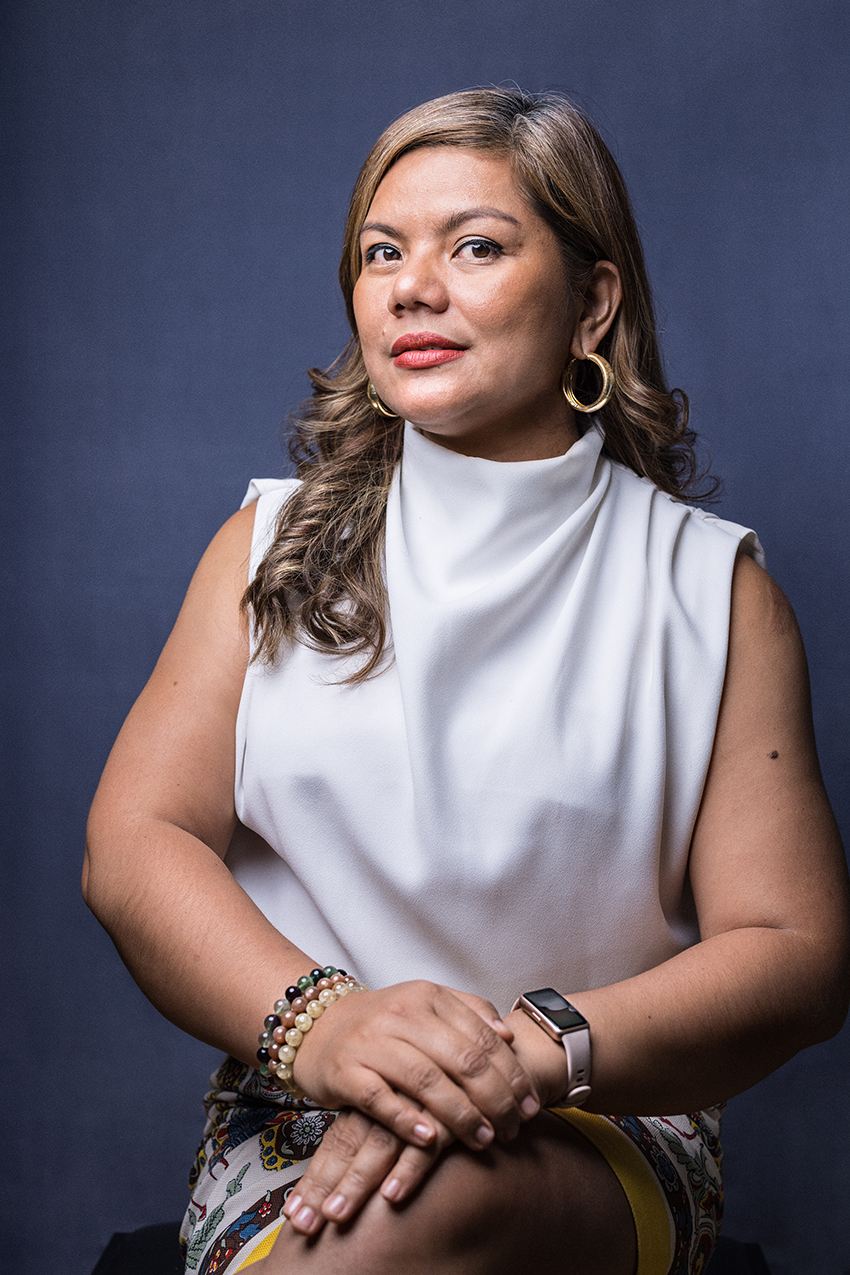
The home is where the identity, values, and narratives of the new migrant generation are first shaped, and by strengthening families across generations, we build stronger, more resilient communities.Ann Marie Cunanan
CULTURAL PARTICIPATION FOR ALL
Open the door to expression and belonging
Culture is not a luxury, it is a basic condition for identity, connection, and confidence. Yet many young people and families from migrant backgrounds are shut out from full participation. Financial barriers, lack of representation, and unspoken norms of exclusion prevent equal access. Cultural participation must be recognized as a central pillar of integration, not an optional extra.
- Support access to music, theatre, dance, literature, and visual arts regardless of income, status, or language.
- Ensure public institutions reflect and invite diverse cultural narratives, artists, and leadership.
- Expand funding for grassroots and community-based projects that foster expression, creativity, and recognition.
- Build partnerships between schools, municipalities, and cultural platforms to reduce access barriers and promote inclusion.
When cultural spaces are closed, the message is clear that this is not for you. But when young people can see their stories, sounds, and ideas in public life, they gain more than visibility. They gain dignity, confidence, and a deeper sense of belonging.
Let us not lean into stereotypes and assume this immigrant group likes one thing and the other another. Invite everyone to all cultural events. Create opportunities and make available free venues for all kinds of cultural expression. All these initiates acceptance of differences and highlights similarities. This is how we build the feeling of belonging.
Open the door to expression and belonging
Culture is not a luxury, it is a basic condition for identity, connection, and confidence. Yet many young people and families from migrant backgrounds are shut out from full participation. Financial barriers, lack of representation, and unspoken norms of exclusion prevent equal access. Cultural participation must be recognized as a central pillar of integration, not an optional extra.
- Support access to music, theatre, dance, literature, and visual arts regardless of income, status, or language.
- Ensure public institutions reflect and invite diverse cultural narratives, artists, and leadership.
- Expand funding for grassroots and community-based projects that foster expression, creativity, and recognition.
- Build partnerships between schools, municipalities, and cultural platforms to reduce access barriers and promote inclusion.
When cultural spaces are closed, the message is clear that this is not for you. But when young people can see their stories, sounds, and ideas in public life, they gain more than visibility. They gain dignity, confidence, and a deeper sense of belonging.
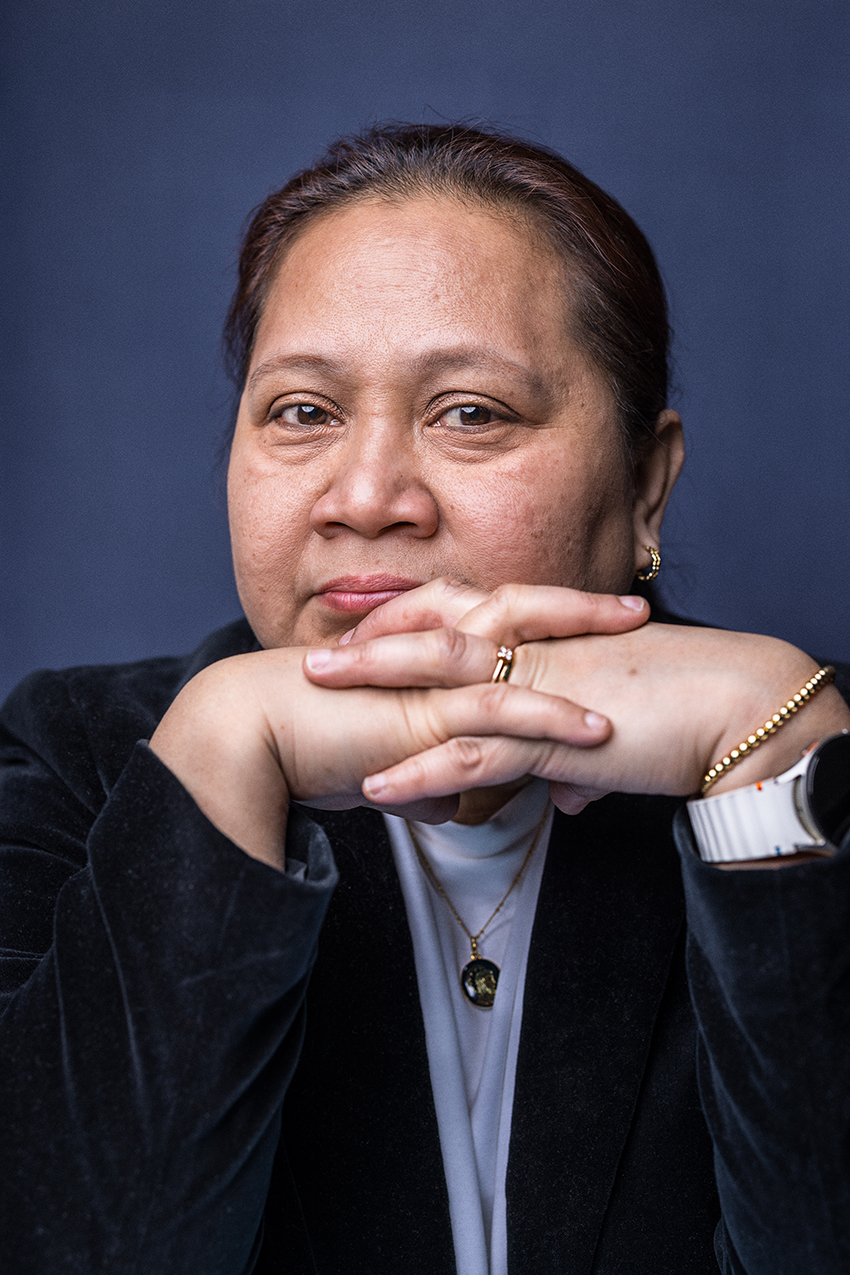
Let us not lean into stereotypes and assume this immigrant group likes one thing and the other another. Invite everyone to all cultural events. Create opportunities and make available free venues for all kinds of cultural expression. All these initiates acceptance of differences and highlights similarities. This is how we build the feeling of belonging.Marvi Gil