Existing waste prevention measures are mostly based
on voluntary commitment
An overview of current measures and steering instruments for waste prevention and reuse in the Nordics showed that measures are mostly infromative and based on voluntary commitment of producers, consumers and the society.
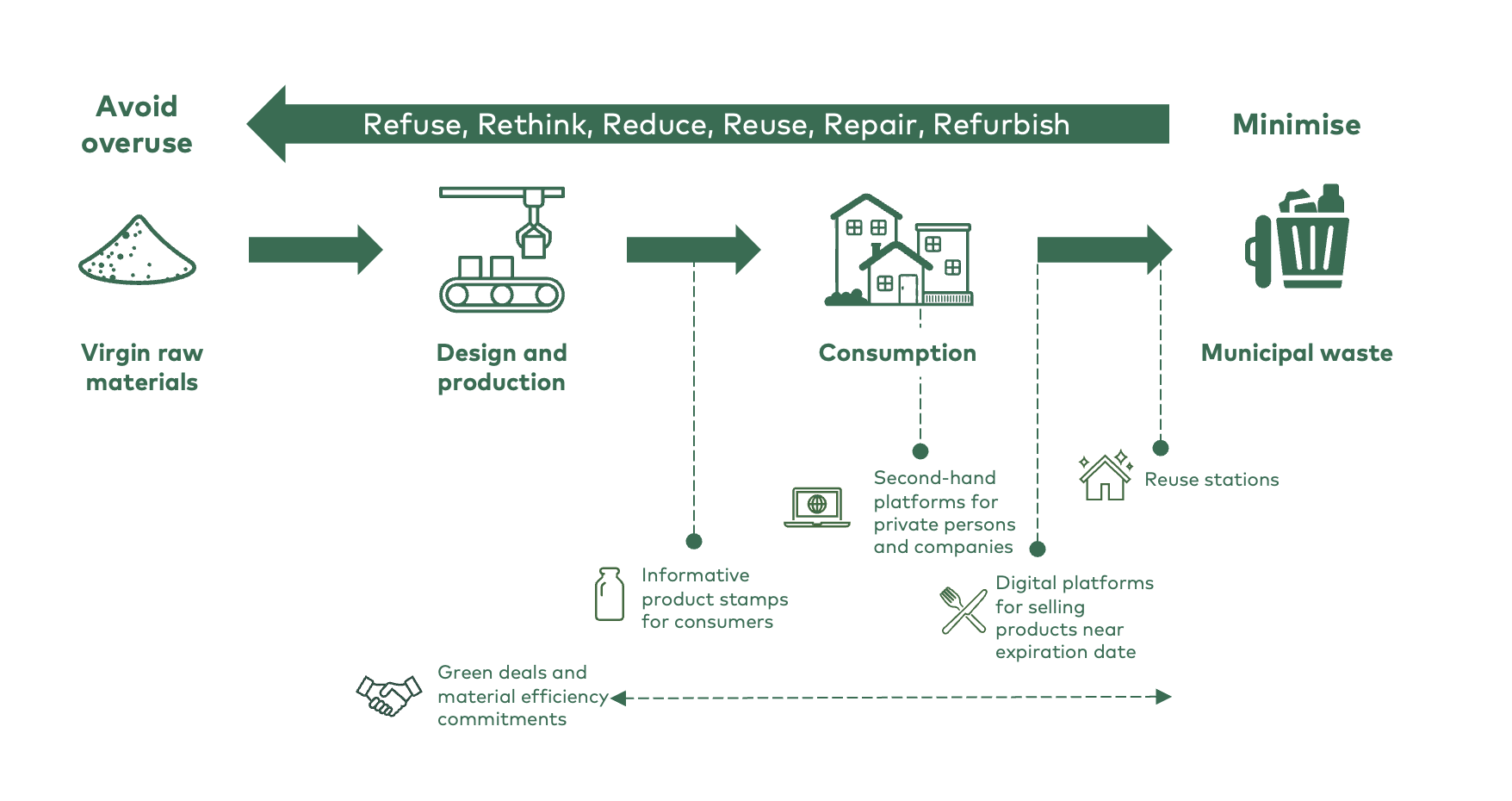
Figure 2. Examples of effective and feasible waste prevention measures in the Nordics.
Some good and scalable examples include (Figure 2):
 | Green deals and material efficiency commitments: Commitments made by industry and industry organisations aiming to enhance resource efficiency, sustainability and decrease environmental impacts in value chains. Example: The Material Efficiency Commitment of the food and packaging industries and the food retail sector in Finland. It includes goals such as a 50% reduction in food waste by 2030, decreasing plastic in containers, and promoting package reuse. |
 | Reuse stations: Municipalities can provide reuse stations for used items that are not damaged. It is free to pick up items from these stations. Example: Pop-up reuse stations in Stockholm. |
 | Second-hand platforms for private persons and companies: Providing market places for selling products for reuse. Examples: Finn.no in Norway is the largest second-hand platform in Norway for both private persons and companies. It is exceptionally broad in scope, including everything from properties to various commodities. |
 | Digital platforms for selling products near their expiration date: Aiming to minimise the waste of the food and commodity sectors. Example: the Too good to go app in Norway, or ResQ in Finland. Food waste is reduced from restaurants, cafés and hotels by selling surplus foods and drinks through the app. |
 | Informative product stamps for consumers: Aiming to help the consumer to understand that some foods and drinks are good to use after the expiration date. Example: “Best before but not bad after” stamp on Norwegian milk cartoons. |
 | Green deals and material efficiency commitments: Commitments made by industry and industry organisations aiming to enhance resource efficiency, sustainability and decrease environmental impacts in value chains. Example: The Material Efficiency Commitment of the food and packaging industries and the food retail sector in Finland. It includes goals such as a 50% reduction in food waste by 2030, decreasing plastic in containers, and promoting package reuse. |
 | Reuse stations: Municipalities can provide reuse stations for used items that are not damaged. It is free to pick up items from these stations. Example: Pop-up reuse stations in Stockholm. |
 | Second-hand platforms for private persons and companies: Providing market places for selling products for reuse. Examples: Finn.no in Norway is the largest second-hand platform in Norway for both private persons and companies. It is exceptionally broad in scope, including everything from properties to various commodities. |
 | Digital platforms for selling products near their expiration date: Aiming to minimise the waste of the food and commodity sectors. Example: the Too good to go app in Norway, or ResQ in Finland. Food waste is reduced from restaurants, cafés and hotels by selling surplus foods and drinks through the app. |
 | Informative product stamps for consumers: Aiming to help the consumer to understand that some foods and drinks are good to use after the expiration date. Example: “Best before but not bad after” stamp on Norwegian milk cartoons. |