6. Design and implementation of a shared food literacy curriculum
Schools and daycare institutions serve as critical environments where children develop their understanding of food, learn – or don’t learn – about healthy eating habits, and ultimately establish life-long dietary preferences. The offering of freshly cooked, high-quality meals in daycares and schools should be a top priority, but it is equally essential to prioritise food education. While there are some good practices in place in the Nordics to glean inspiration from, the overall picture is that food education is an area in need of much greater attention.
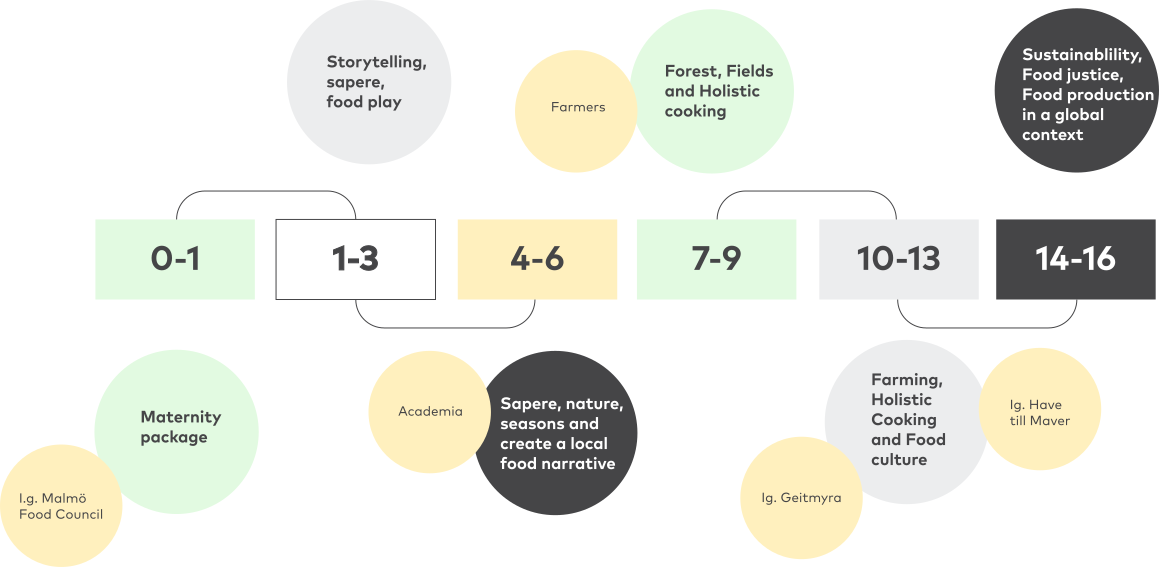
We propose a joint Nordic effort to develop a coherent food education programme and curriculum with a 14-year time span from nursery school to the end of lower secondary school (i.e. 9th or 10th grade), to be adopted by the Nordic governments. The goal of the programme should be for the children to attain a high level of food literacy, to achieve agency as consumers and to leverage food and cooking as a basis for social development and a subject matter for learning in other areas, including language, maths and biology with downstream effects like the improvement of dietary choices and health.
Key to the development and implementation of the programme and curriculum is a broad partnership that, in addition to the relevant academic partners, includes food producers and entrepreneurs, food activists, businesses and chefs that can chart the landscape to be experienced by children on the journey created by the programme.
Literally everyone has a relationship with food. Whether you are a chef, or a parent putting meals on the table for your family, or a child trying to cook for the first time. Everyone can participate within their capacity. I believe food is a wonderful tool for change
Hanne-Lene Dahlgren, founder, Team Tomorrow, Norway
The vision is that every person growing up in the Nordic region ultimately has hands-on experience with many aspects of food production and cooking and obtains an understanding of the connection between people, the planet and food, with the aim that the next generation of Nordic citizens will eat better, be healthier and make more sustainable choices. Increased co-operation between the Nordic countries in this arena, including sharing best practices, will be crucial to the success of this initiative.