
The structure of Work Package 5: Competences for Reuse in Construction and Programme Secretariat

Competences for Reuse in Construction
Creating Links and Engaging Stakeholders
Programme Secretariat

To accelerate the green transition path the construction sector is on, we need to learn from each other and together create new knowledge and the needed skills. This is only possible when we have a strong collaboration across the whole value chain and across borders. Work Package 5 has contributed with hands-on educational materials that are already being used in several countries. Furthermore, we have ensured that the vast knowledge generated in all the work packages has been shared with other stakeholders who are also on the green transition path – both across the Nordic region, Europe and beyond.Helle Redder Momsen, Head of Secretariat and leader of Work Package 5
Enhancing the Competences for Reuse in Construction
The shift towards sustainable construction practices demands new skills, such as knowledge of resource-efficient building techniques, how to utilise materials that are already there or could be reused somewhere else and how to build for disassembly.
There is a significant need for updated training programmes and educational curricula to equip students and workers with the necessary green skills. With new legislation limiting the climate and resource impact from construction, the adoption of sustainable materials and new ways of building, there is a need for workers to continuously update their skills.
Vocational Schools as a Foundation for the Green Transition
Addressing these challenges is crucial for the construction sector to successfully transition to greener practices and contribute to broader environmental goals. Through the project Competences for Reuse in Construction, Work Package 5 is contributing to strengthening teachers at vocational schools in their knowledge of reuse, sustainability, and circularity. The project was initiated in January 2023 and carried out in collaboration with Norion Consult and Videnscenter for Håndværk og Bæredygtighed (Knowledge Centre for Handcraft and Sustainability).
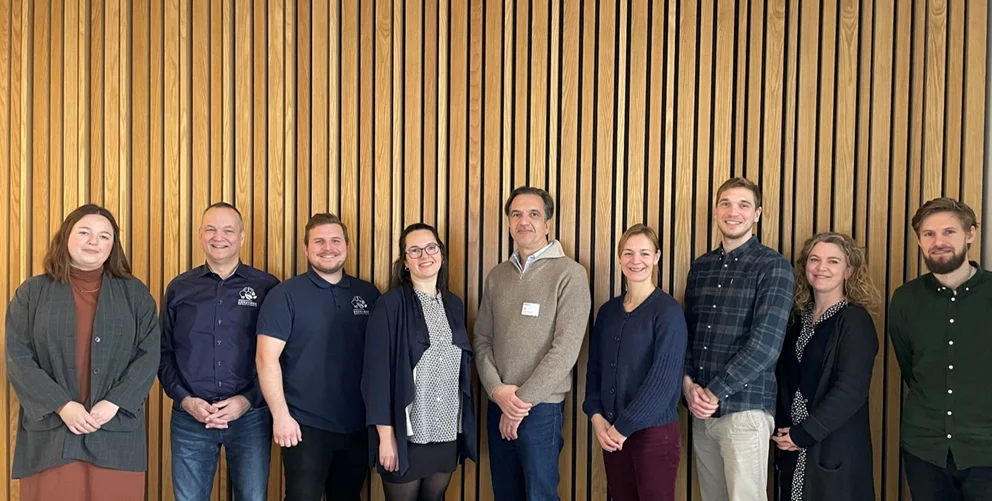
Group photo of the project team from the first meeting, January 2023
Policies Enabling Reuse in Construction
The first and foundational step in the project was to investigate what educational materials on reuse already existed in the Nordic countries. This resulted in a comprehensive mapping of the current educational material related to sustainable construction. No material was found on how to build with reused products, hence this became the focus of the teaching material.
To enable the take up of building with reused construction products, a report was made mapping and analysing the legislative barriers and potentials for reusing building materials in the Nordic building regulations. The report identified the following four key Enablers for the Reuse of Construction Products:
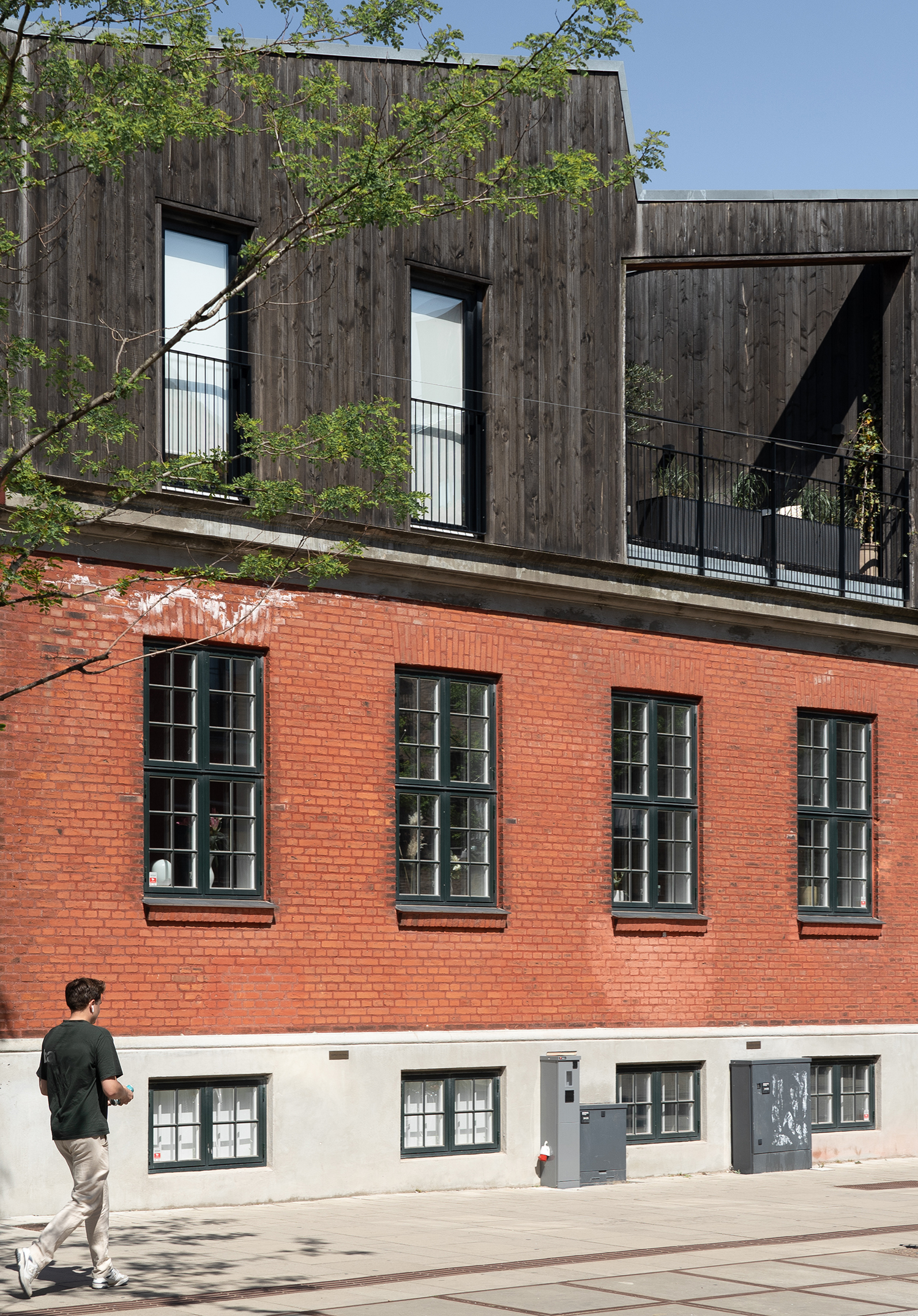
Århusgade in Nordhavn, Copenhagen 2024

Improved Building Design
Design for circularity properties includes designing for flexibility and adaptability, designing for disassembly, and designing long-lasting buildings. By introducing legislative requirements for circular design, the potential to reuse buildings, construction products and materials in the buildings’ end-of-life are increased. This contributes to waste and emission reductions and reduced use of raw materials.
Required Documentation of the Environmental Impact of New Construction
Circular construction practices are promoted by requiring documentation of the total green house gas emissions from new construction. For example, this can contribute to promoting renovation and using low-carbon materials such as reused construction products. When no EPDs (Environmental Product Declaration) are available for used construction products, emissions from the relevant modules in the life cycle assessment should be assigned to zero rather than to similar emissions as in new products. Otherwise, reuse will be disincentivised. As data on reused construction products and the preparation of reuse is developed, these emissions can be included to provide more accurate information.
Carbon Limit Values
The construction industry is responsible for a large portion of the total global carbon emissions. Setting carbon emissions limit values encourages using low-carbon materials such as reused construction products and secondary raw materials. This will create incentives for circular construction, thereby reducing the carbon footprint of buildings and infrastructure.
Clear Definitions
New policy initiatives and targets must refer to a clear definition of reuse that differentiates from recycling. In general, all new policies on circularity must be followed by sufficient interpretation guidance and practical examples.
The report also resulted in a closer dialogue amongst the Nordic construction authorities, whom saw a common importance in ensuring that reused products would be part of the revised Construction Product Regulation from the EU.
The Educational Materials: Skills4Reuse
After the mapping and analysis, the free educational platform Skills4Reuse was developed and disseminated to Nordic vocational schools. Skills4Reuse consists of three courses: An introduction to sustainability, and two courses focusing on the reuse of wood and brick. The material includes text, assignments, videos, quizzes and practical building exercises.
Screenshots from the webpage of Skills4Reuse: Front page, categorise, and an example of an assignment
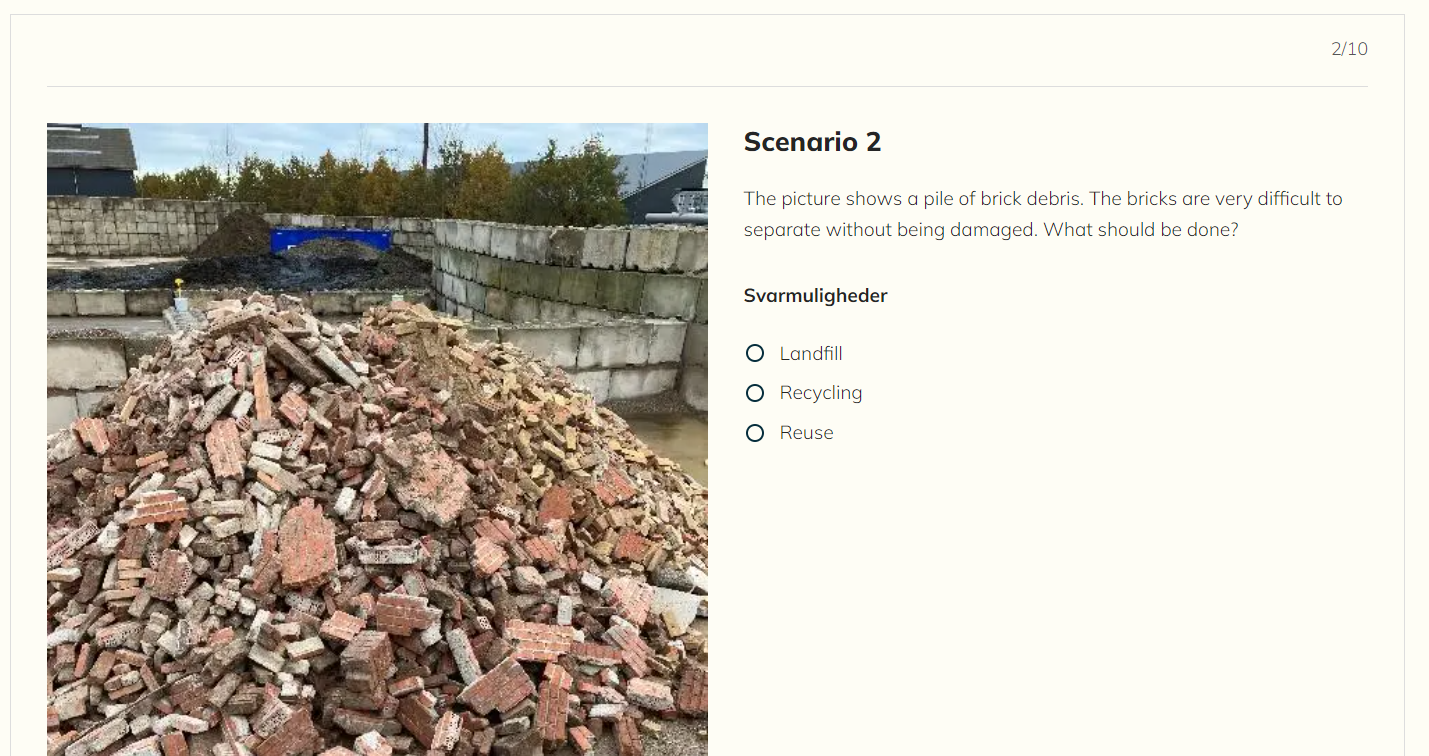
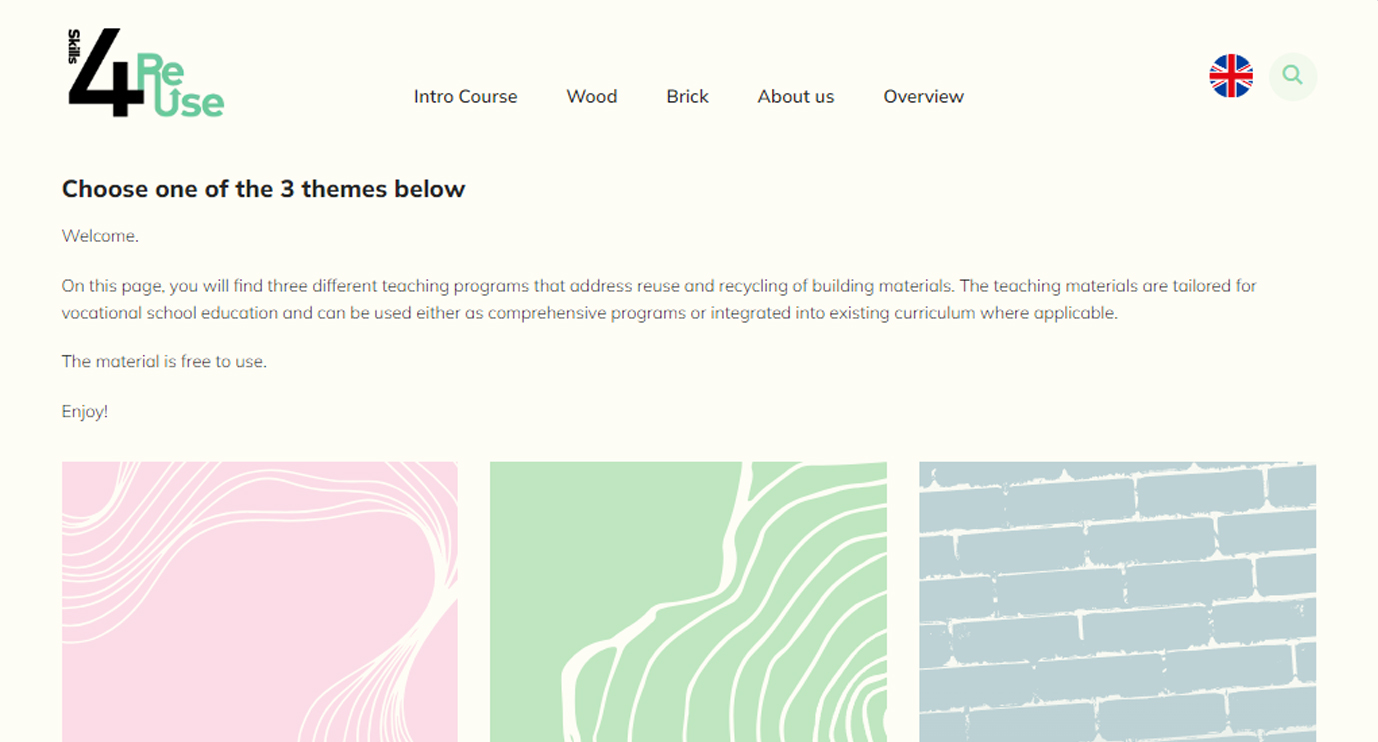
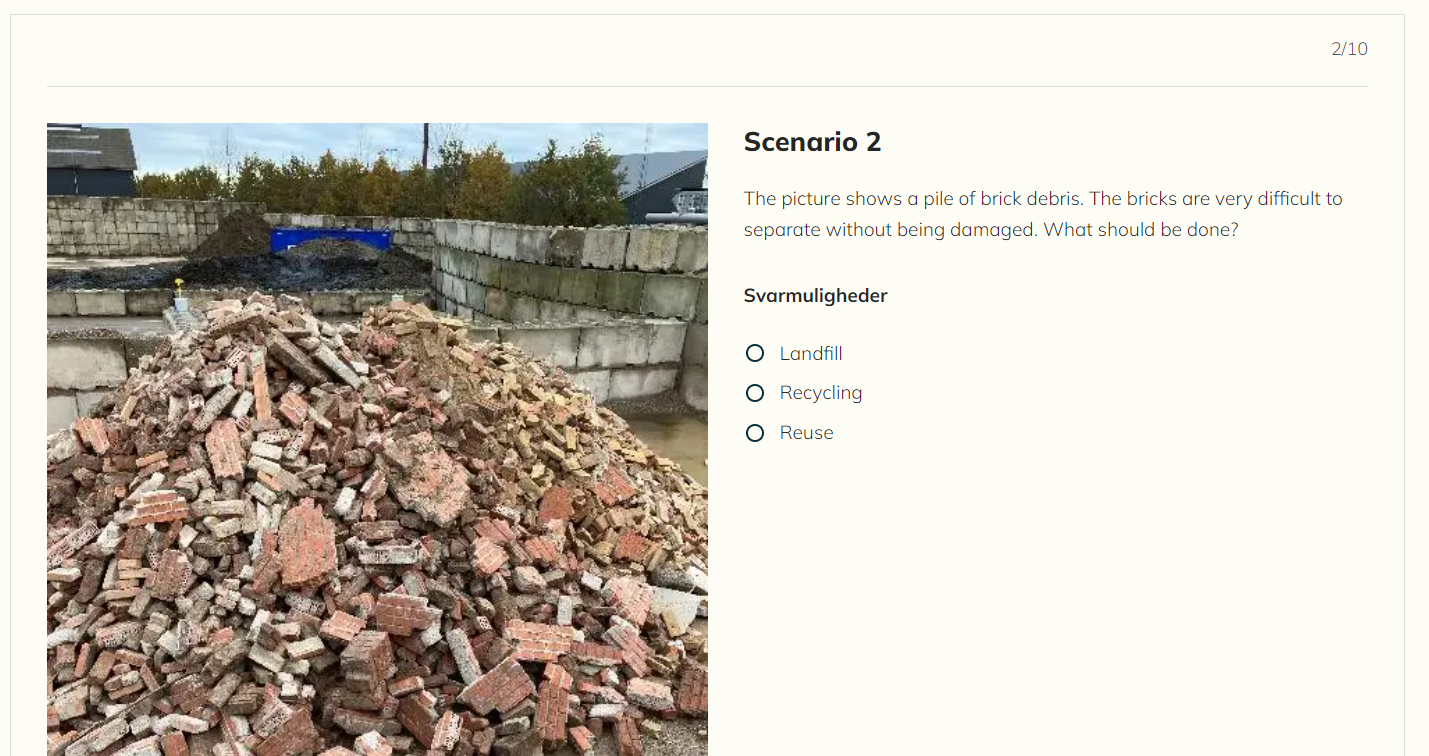
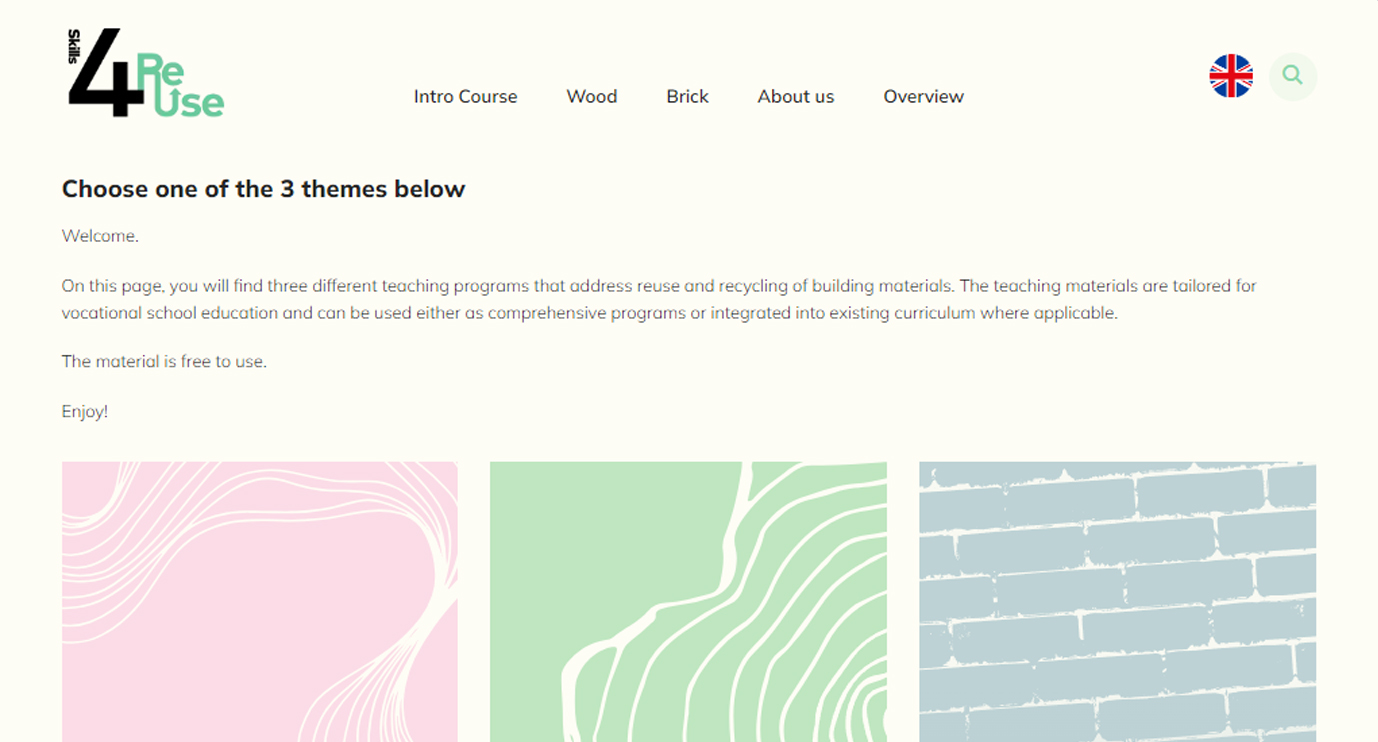
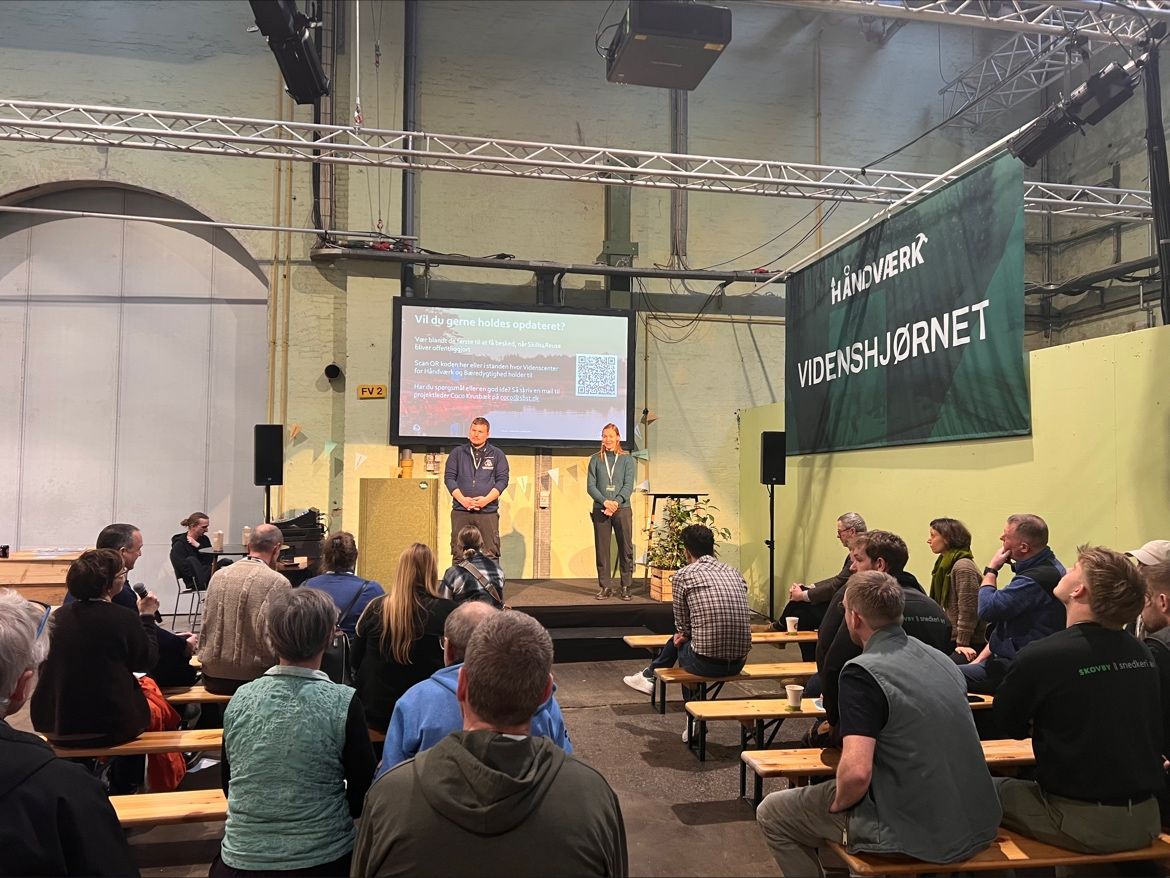
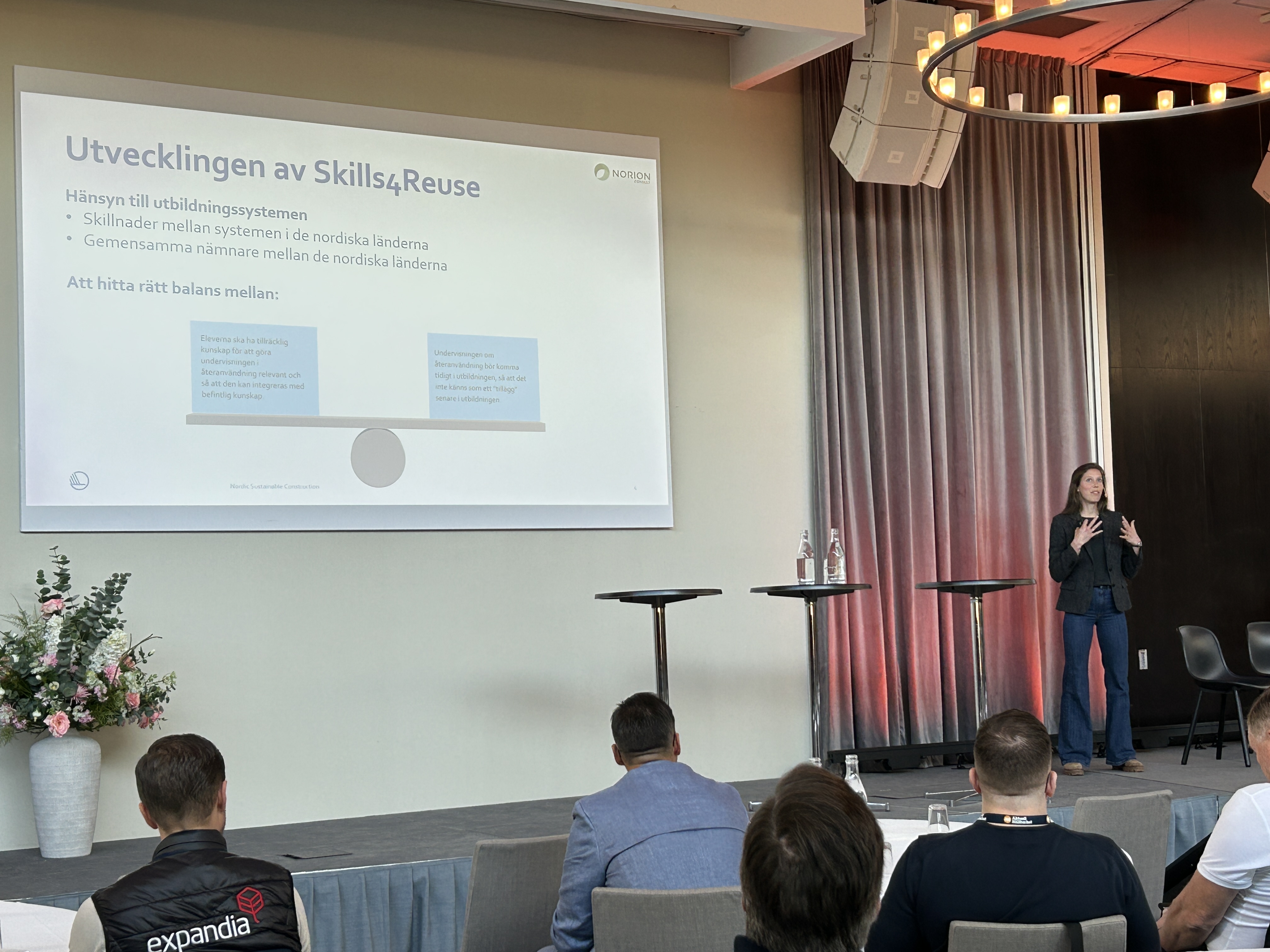
In connection with the dissemination of Skills4Reuse, the team behind this has participated in a variety of events including the HÅNDVÆRK festival, conferences for vocational teachers, and Byggforum. Here are some statements from students and educators after testing Skills4Reuse:
“There are teacher’s guides available with learning targets and everything! A true gift to the educator.– Teacher
It has a good introduction to topics such as LCA that can be complicated to understand. When the students are working with the assignments, it gives me the freedom to look around and offer my assistance to those who get stuck.– Teacher
The material deals with what concerns me as a craftsman and that interested me.– Student
The fact that the material constantly draws parallels to our workday, that’s what keeps me engaged! That’s what we’re here for!– Student
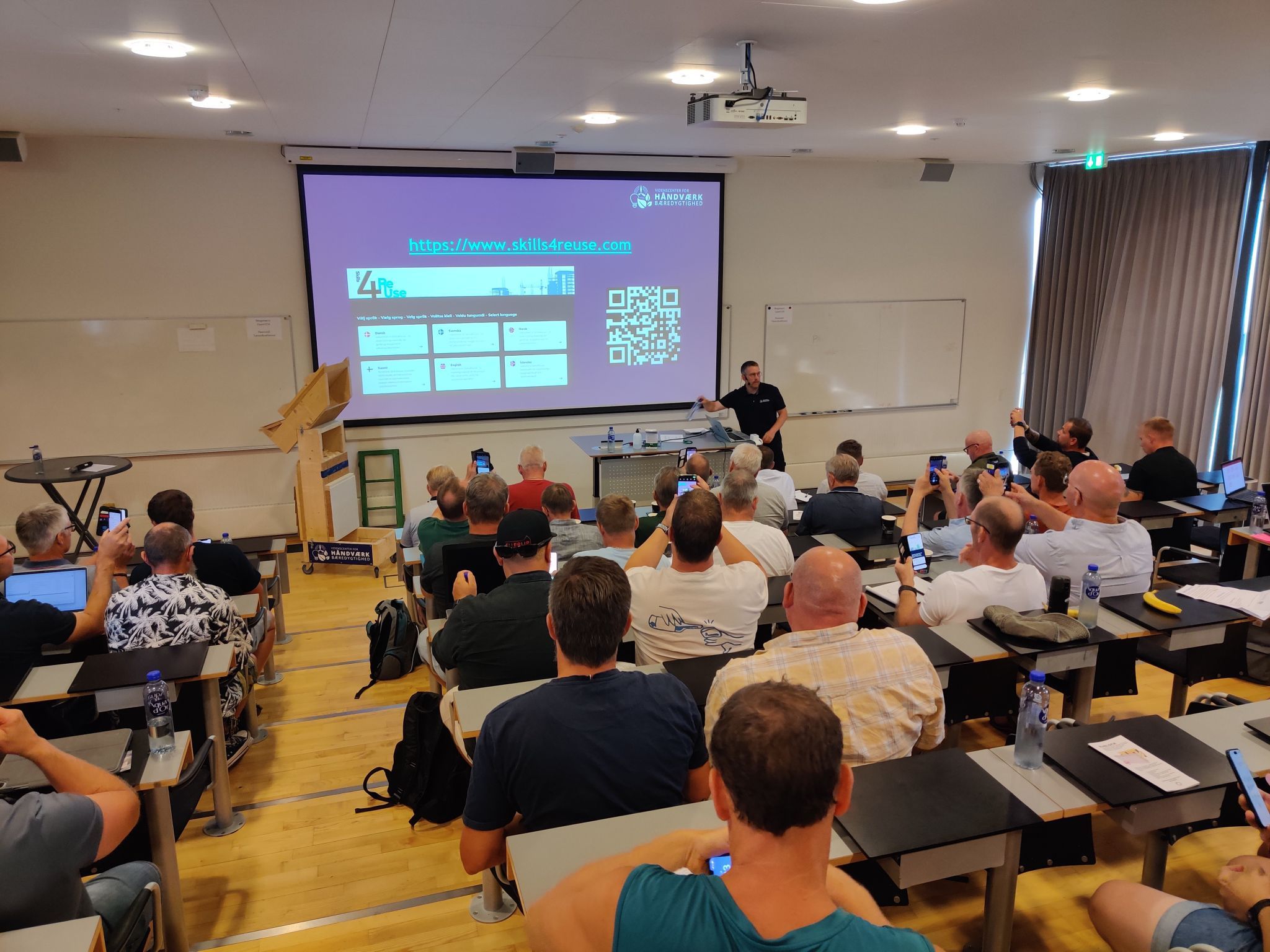
Presenting Skills4Reuse at conferences and teachers’ seminar
Creating Links and Engaging Stakeholders
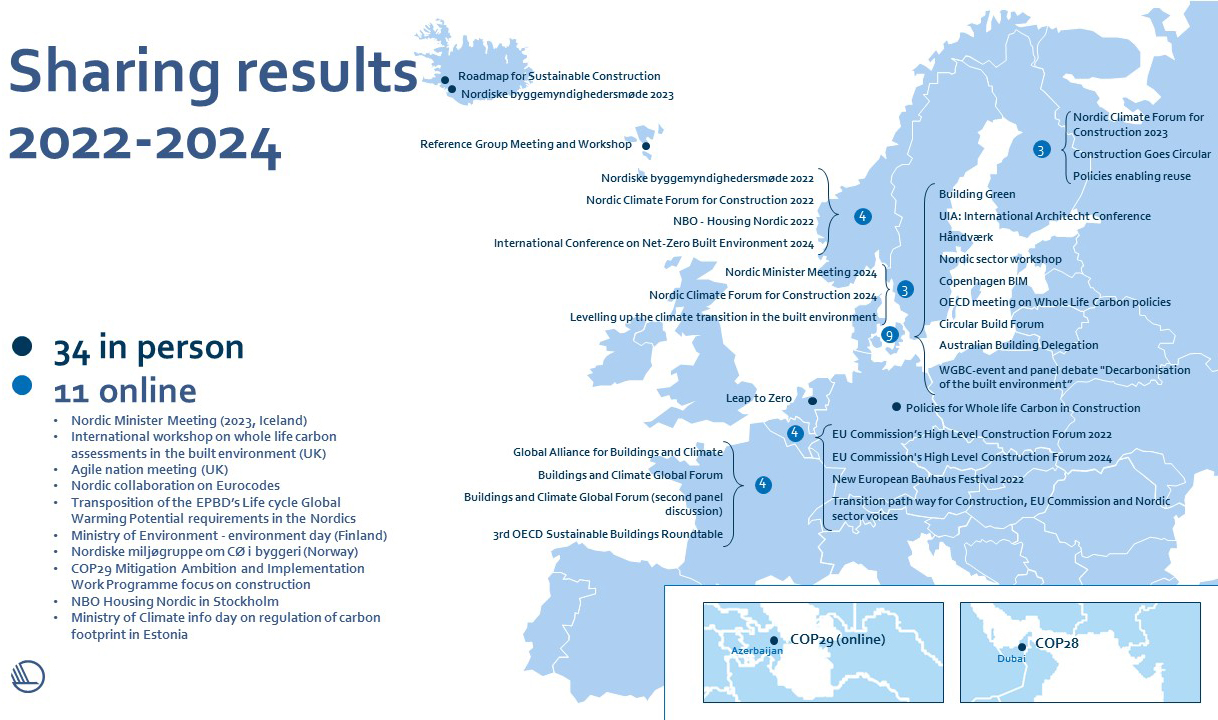
An important task of the Secretariat for the whole programme has been to communicate the results of the programme to relevant stakeholders. To do this, Work Package 5 has presented at events all across the Nordics, in the EU and beyond.
Event Highlights
Nordic Climate Forum for Construction
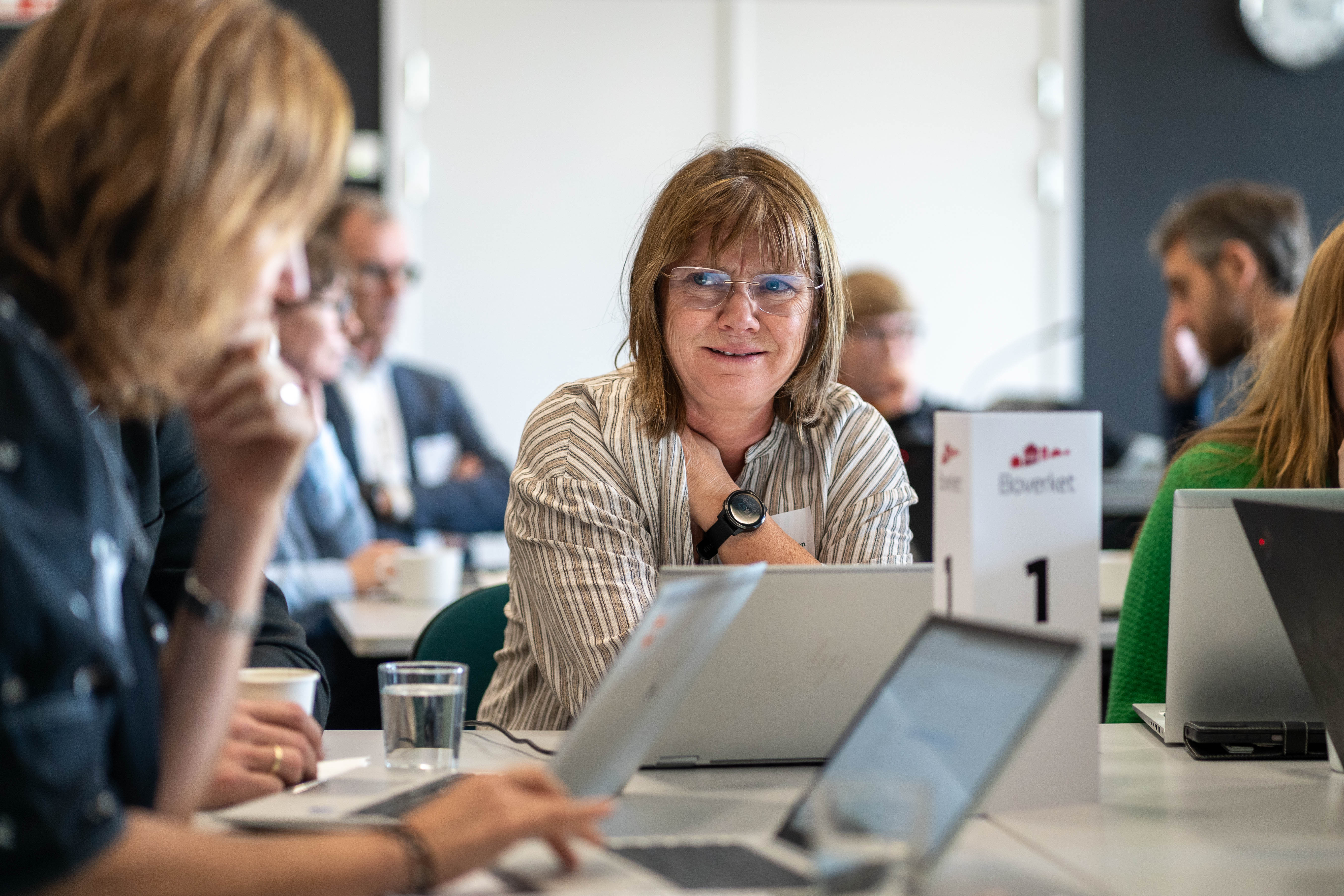
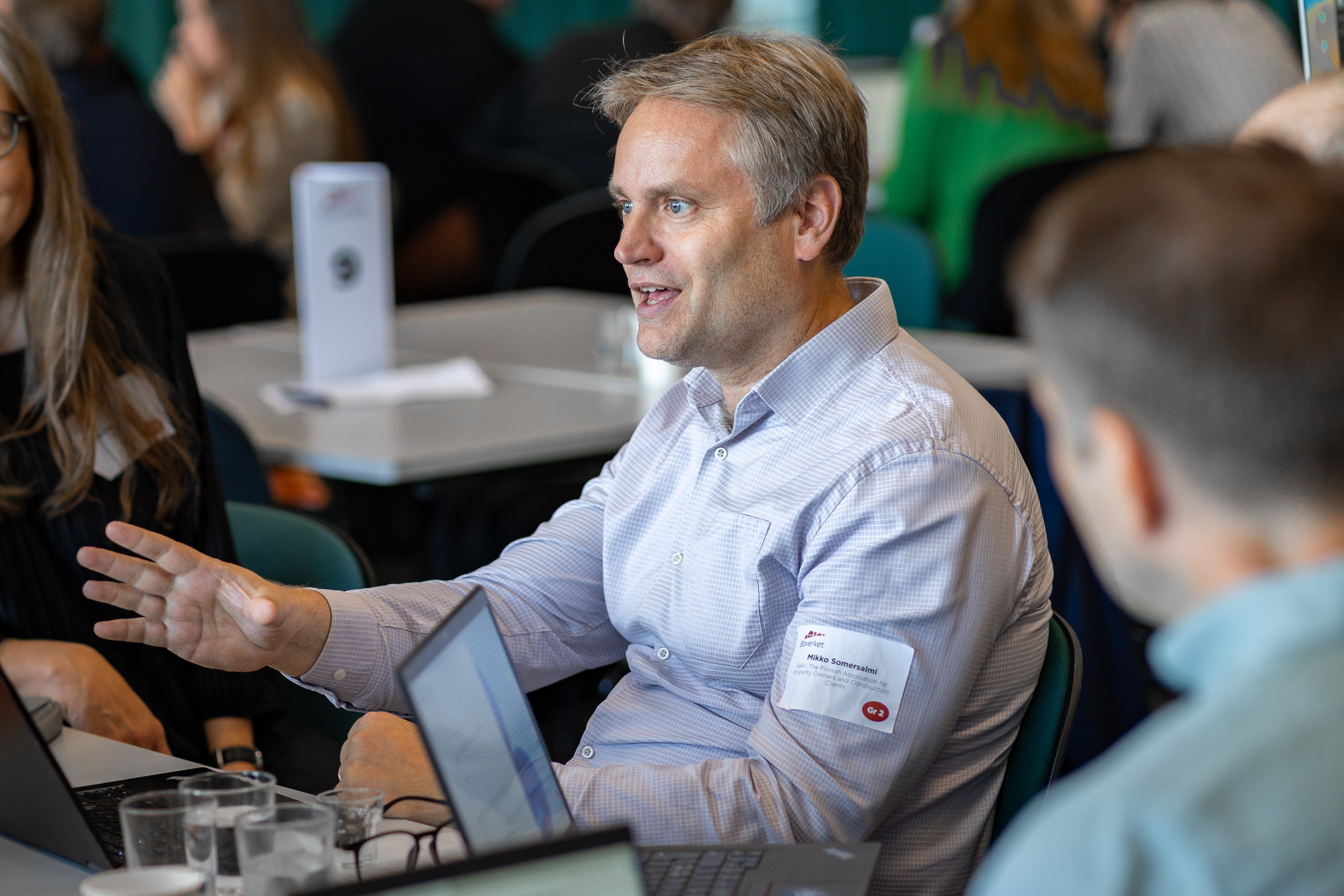
Nordic Climate Forum for Construction is an annual forum that focuses on the climate impact of the construction sector in the Nordic countries and Estonia. The forum brings together scientists, policymakers, industry experts, and stakeholders to discuss and share updates on regulations, best practices, and innovations aimed at reducing the environmental footprint of construction activities.
Sector Workshop
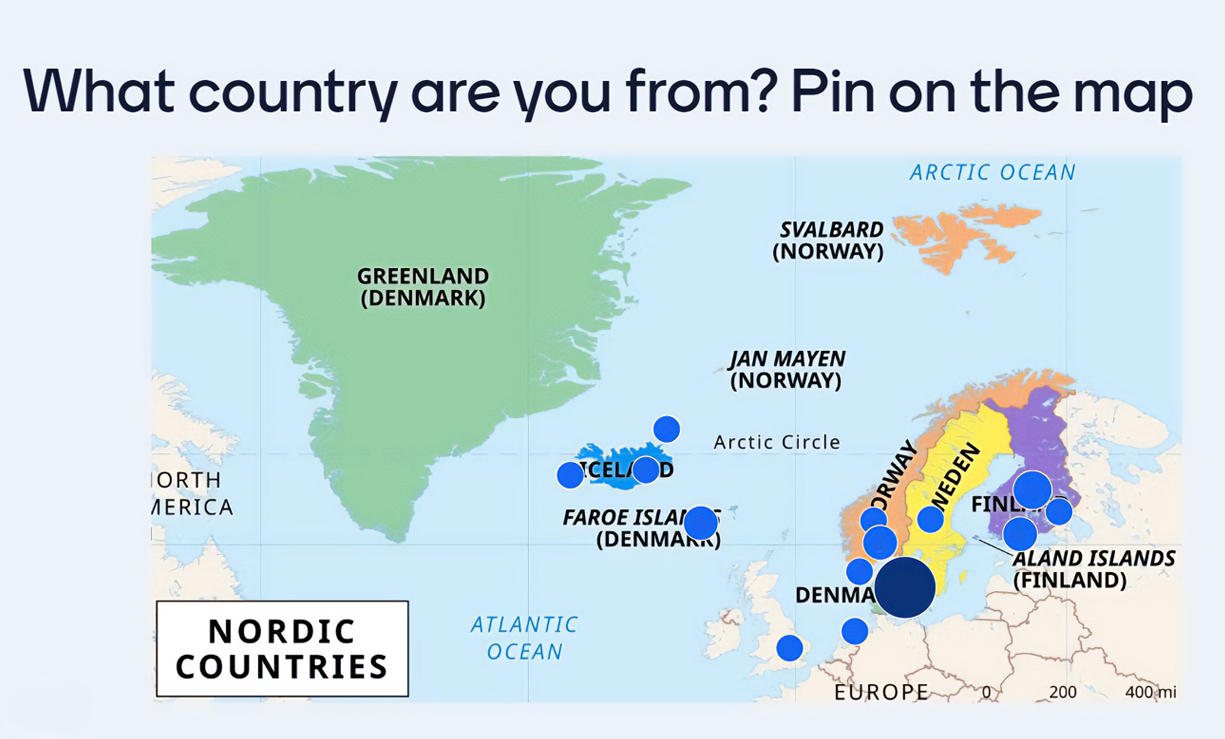
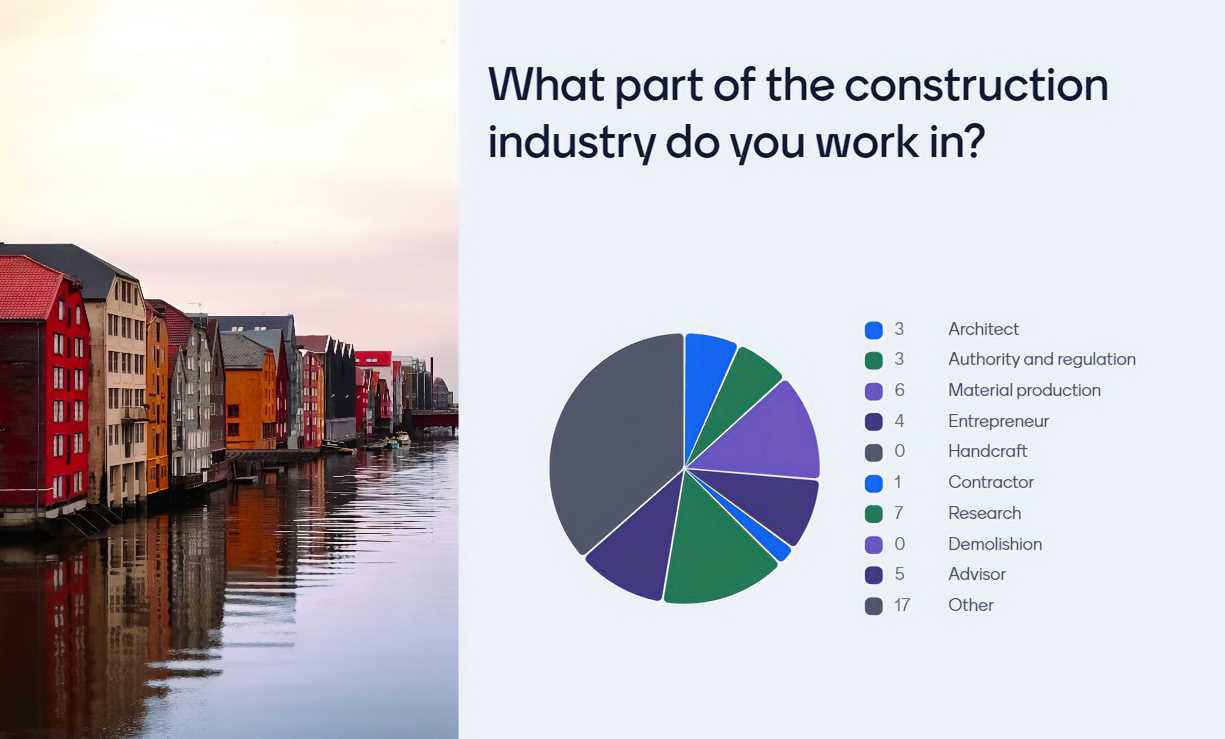
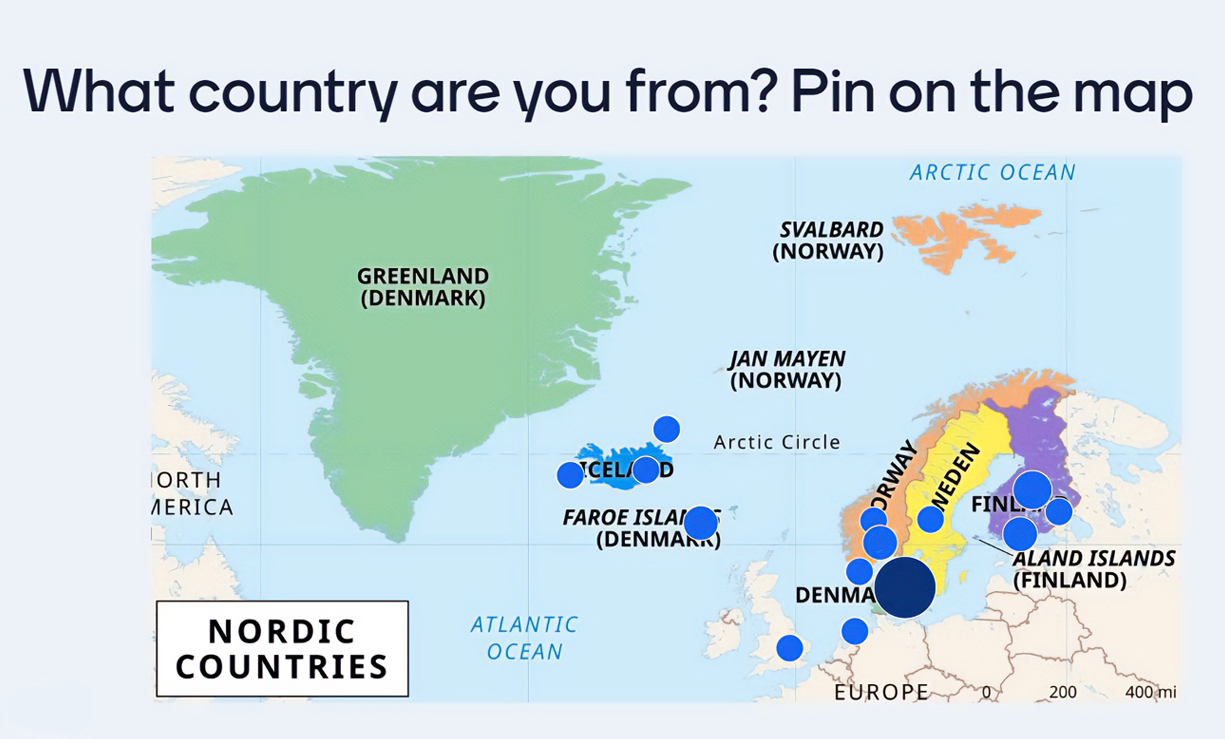
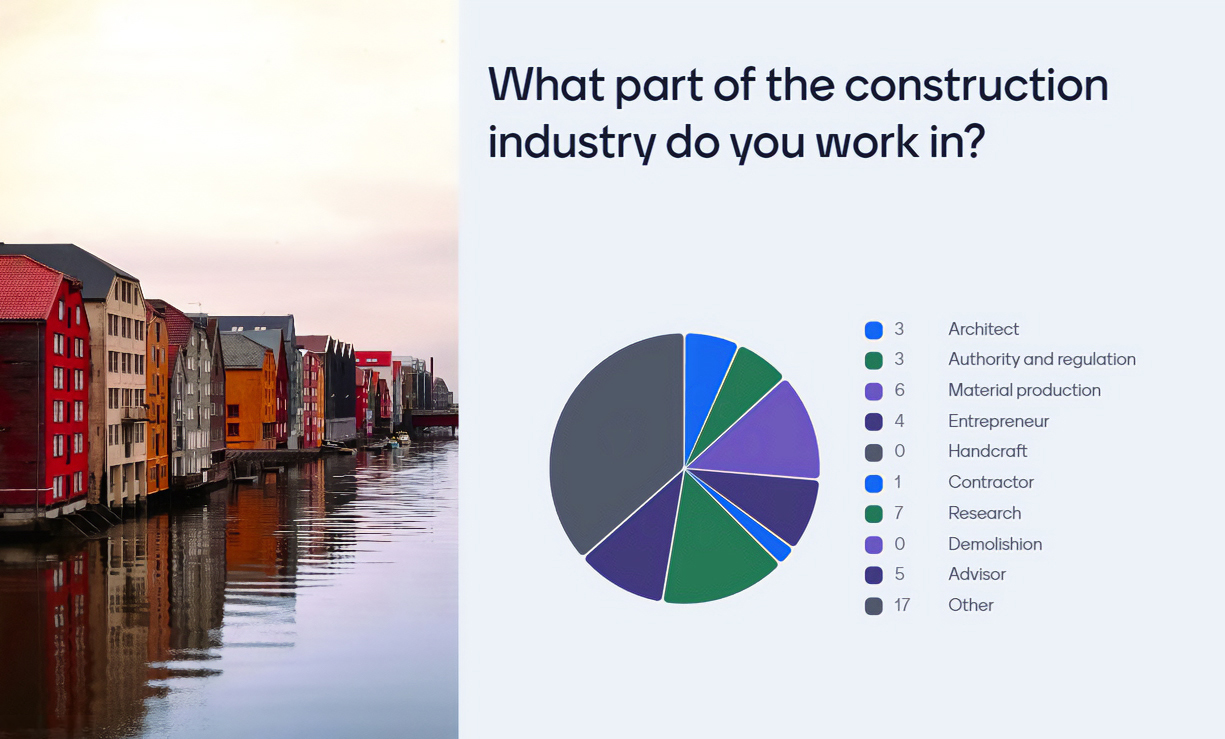
In June 2024, Nordic Sustainable Construction gathered stakeholders from across the Nordic construction sector. The aim was to share their knowledge on trends and initiatives happening in the Nordics, EU, and beyond, and to give input to a new potential Nordic construction collaboration from 2025–2030.
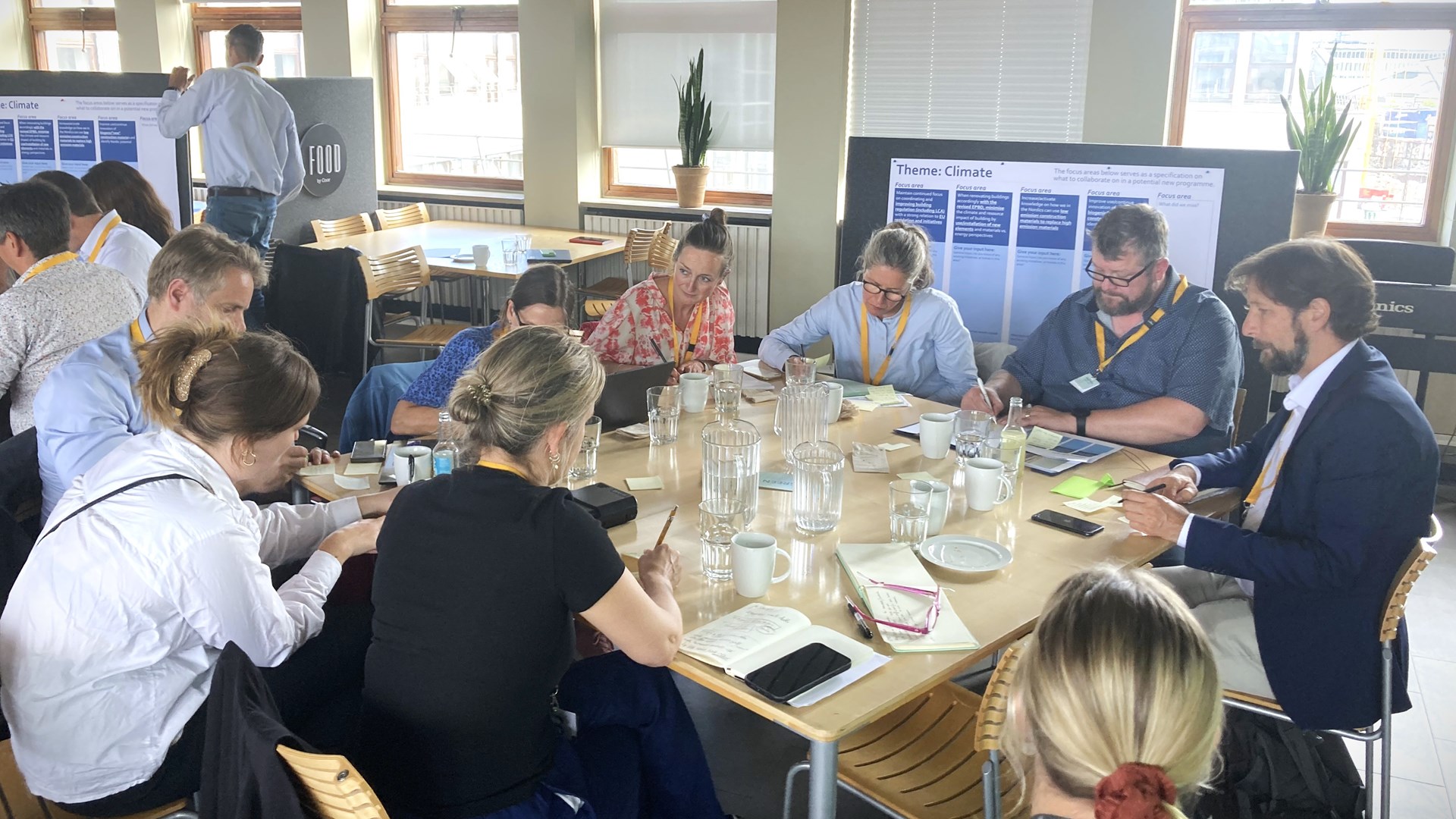

One of the main objectives was to discuss the content of a potential new Nordic collaboration on sustainable construction. Therefore, the participants gave their input on this at a workshop. They discussed four themes defined by the Nordic Ministers of Housing and Construction: Climate, Circularity and Digitalisation. The fourth theme was EU, which was discussed as a cross-cutting theme.
Webinar: Level(s) and the New Energy Performance of Buildings Directive
The European Commission hosted this webinar in June 2024 to highlight the benefits of using Level(s) – the EU assessment and reporting tool for the sustainability performance of buildings. Revisions to the Energy Performance of Buildings Directive in 2024 underlined the benefits of Level(s), since, as part of the revised rules adopted in April, building professionals will need to disclose the global warming potential (GWP) of new buildings on energy performance certificates using a calculation measure drawn from Level(s). The updated rules will come into effect from 2028 for new buildings with a useful floor area larger than 1000 m2. From 2030, they will apply to all new buildings.
Nordic Sustainable Construction presented the status of implementation of regulating embodied carbon throughout the life cycle in the Nordic countries and Estonia and furthermore elaborated on the key lessons learned when putting the demands into regulation and other results from the whole programme.
Interested in learning more?
All the results and information on Whole Life Carbon, circularity, sustainable construction materials, skills, construction sites and much more can be found in the Knowledge Center
You can also follow the programme on LinkedIn
Communication Partners
To ensure that the results from the Nordic Sustainable Construction Programme are reaching the industry, we are collaborating with significant stakeholder voices in each of the Nordic countries. We call them our communication partners.
The communication partners meet four times a year to get an update on the latest results from the programme, share their knowledge and experiences with each other, and get inspired.
The communication partners are:
- Bärkraft (Åland)
- Byggevareindustrien Norway (Construction Products Norway)
- Danish Construction Federation
- DK-GBC (Rådet for Bæredygtigt Byggeri)
- Federation of Icelandic Industries
- GBC Finland
- House of Industry (Faeroe Islands)
- Swedish Construction Federation
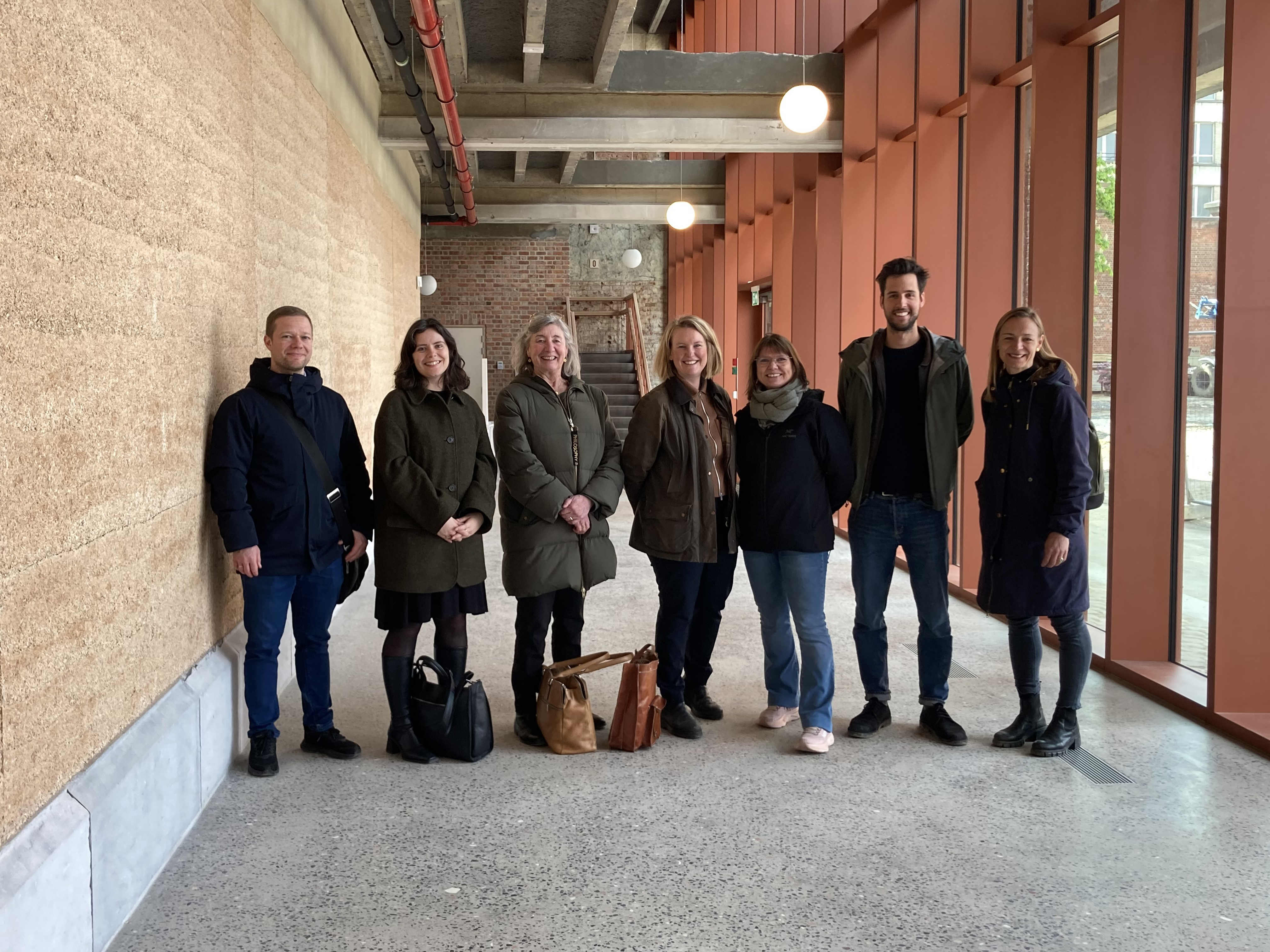
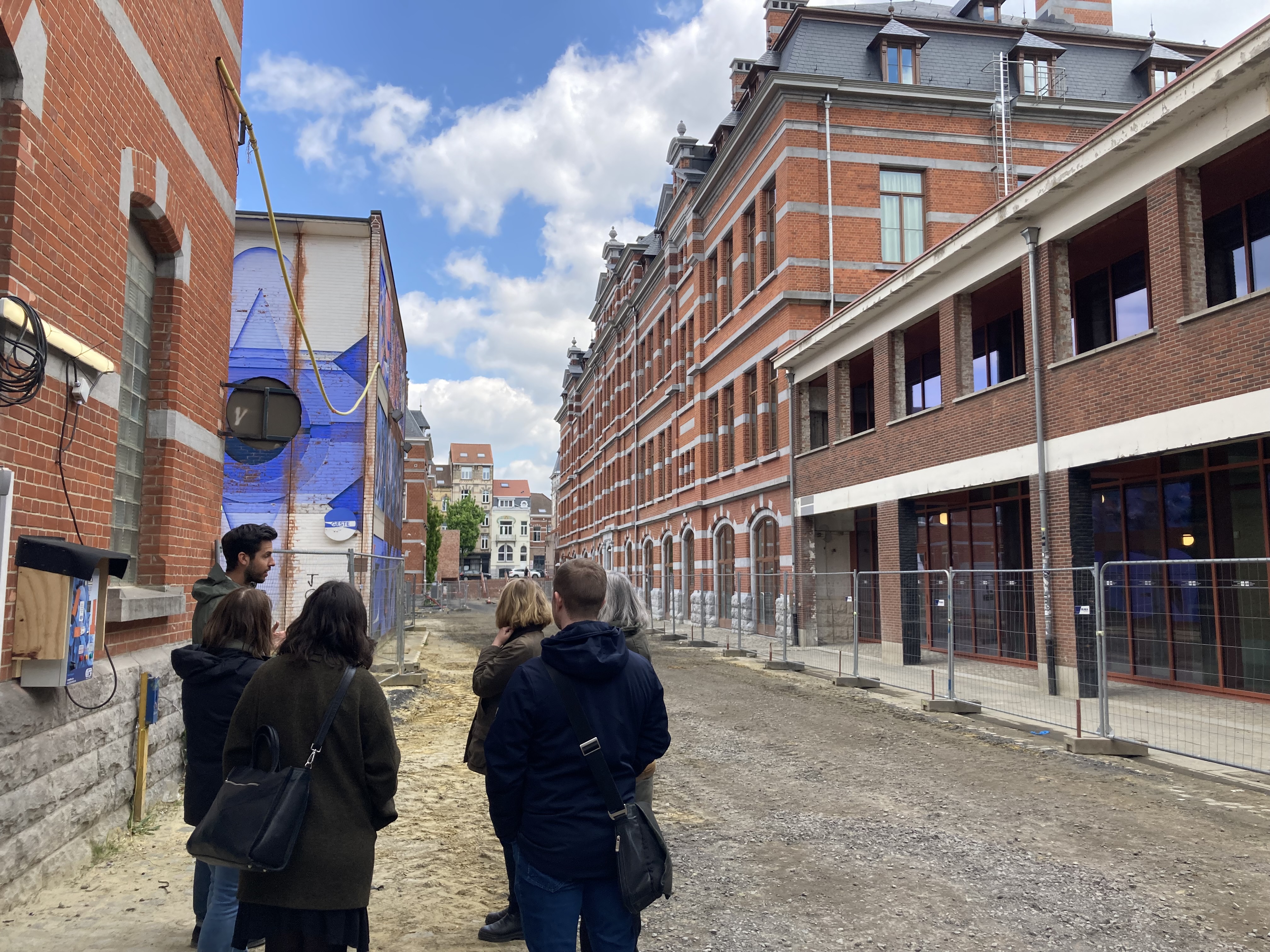
Photos: Nordic Sustainable Construction, Communication partner's site visit, Usquare in Brussels, 2024
One of the key findings in how to accelerate the transition in the construction sector, has been to engage the construction industry. As part of the knowledge exchange Work Package 5 has made an overview of ongoing initiatives where the communication partners have been directly involved.

Overview of Nordic construction sector initiatives, November 2024.
Source: https://www.nordicsustainableconstruction.com/knowledge/2024/september/nordic-sector-initiatives
Overview of Deliveries
Work Package 5
Skills4Reuse
Report: Policies Enabling Reuse in Construction
Mapping of Educational Material
Website: Skills4Reuse
Nordic collaboration on harmonisation and a green optimisation of the national annexes to the Eurocodes
Participation at 11 events online and 34 events with physical attendance to get the results from the programme out
Sector workshop
Nordic Sustainable Construction Symposium
Who Contributed to this Work Package?
Helle Redder Momsen, Marcus Frostholm Røeboe, Coco Falk Krusbæk, Josefine Bach Sevald, Frederik Schelle Hornnes, Sidse Trine Makransky Zimmermann, Nanna Levin Kugler, Mads Simonsen, Niels Bruus Warming, Anders Brodersen Jensen, Berit Ipsen Hansen, Jakob Sonny Jakobsen, Morten Gisselbæk, Selma Avdic, Bjørn Bauer, Rikke Fischer-Bogason, Frida Nørskov, Lea Egebæk Eliasson, Sara Lisa Rømer Egebæk, Franz Berliner, Oliver Hanert, Anders Vestergaard Jensen, Marthe Haugland, Jóannes N. Dalsgaard, Mati Frederiksen, Ingunn Marton, Ólavur Jóannesarson Hansen, Ástrós Steingrímsdóttir, Björn Karlsson, Maria Tiainen, Rasmus Malmborg, Pernille Martiny Modvig, Angelica Åkerman, Nikolaj Sveistrup, Aðalsteinn Ólafsson, Sindre Samsing, Olov Schultz, Jana Bornhäll Finnbogadóttir, Dmitri Mikhalev, Pernilla Granqvist, Nanna Møller Saxtorff.
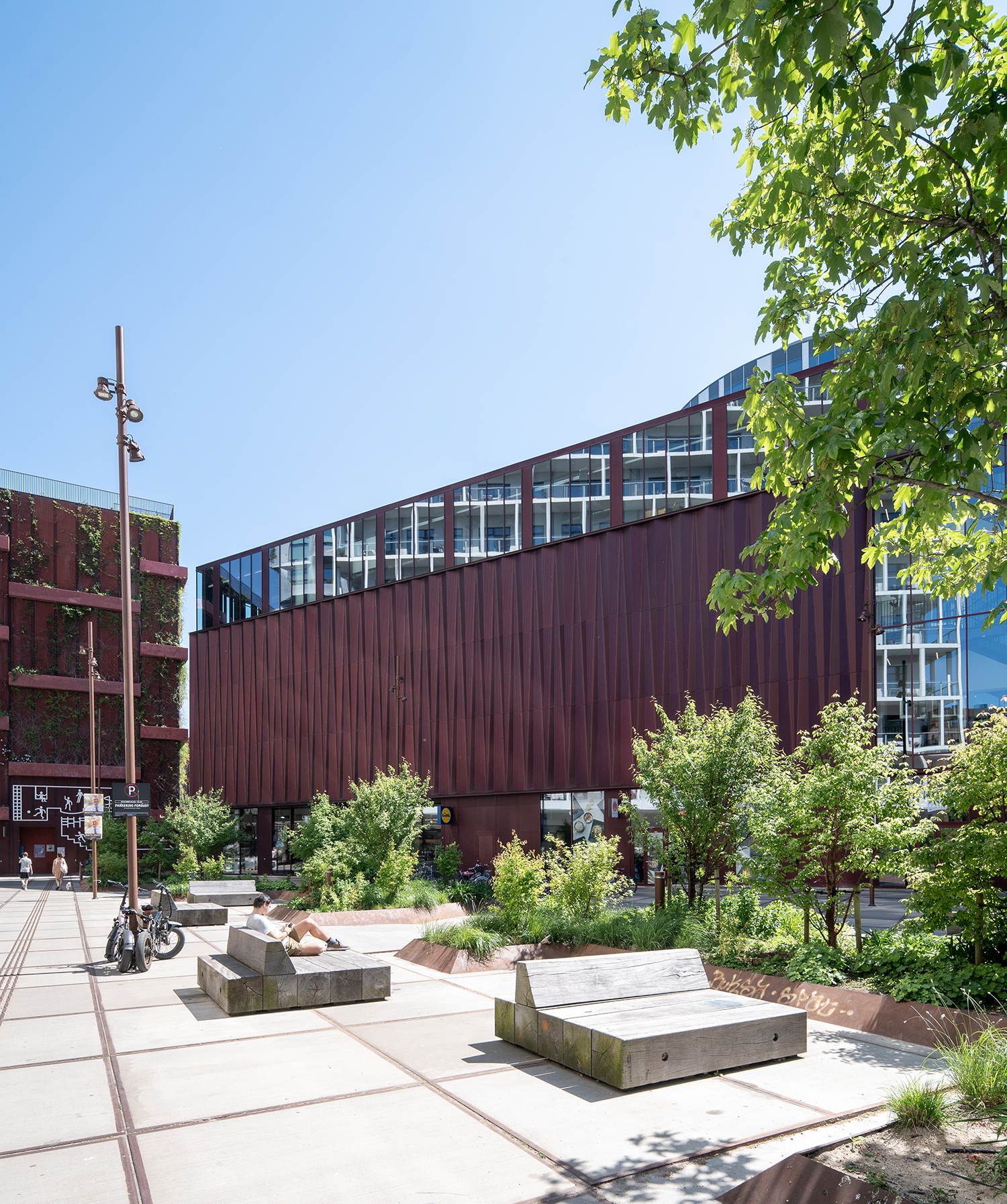
Hamborg Plads, Copenhagen 2024