The structure of Work Package 2: Circular Business Models and Procurement

Nordic Smart City Network
Nordic Blue Building Alliance
Circular Business Model Workshops
Nordic Circular Toolbox
Retrade Platform
Place-Based Architecture
We hope that we will see a rapid uptake of circular business models in the construction industry and that a strong focus on working with businesses and municipalities will foster more circular public procurement and green innovation in the construction sector.Rasmus Malmborg, Head of Programme at Nordic Innovation – Life Science & Health Tech and Sustainable Construction, Leader of Work Package 2
Strengthened Nordic Competitive Capability
With an increased focus on sustainability in the construction sector and our society, it is imperative to explore new ways of building and living that align with our well-being, climate- and environmental goals. The development of new regenerative construction materials with lower environmental impact necessitates innovative solutions at the execution level of the sector. To effectively drive this transition, it is essential to continuously innovate and establish the right requirements in tenders, drawing inspiration from frontrunner cities, to ensure competitive strength in the Nordics.
Low-Carbon Marine Biobased Construction Products
Work Package 2 has investigated and promoted the use of marine biobased low-carbon building materials. The report Marine Biobased Building Materials delves into the possibilities and challenges of using materials such as algae, seagrass, and reeds in construction. Based on a broad alliance of leading companies within the field, the material developed shows that if scaled appropriately and produced with low CO2 footprints, they could serve as viable alternatives to traditional, carbon-intensive materials. Moreover, the report emphasises that the gentle extraction of these materials could have positive effects on marine environments, adding an ecological dimension to their adoption.
The report has been part of sparking the debate about how we use our oceans in a sustainable way and what the possibilities are for finding alternative sources of building materials. The Nordic Blue Building Alliance will use this report as part of further European and international work on the potential of using marine-based building materials.
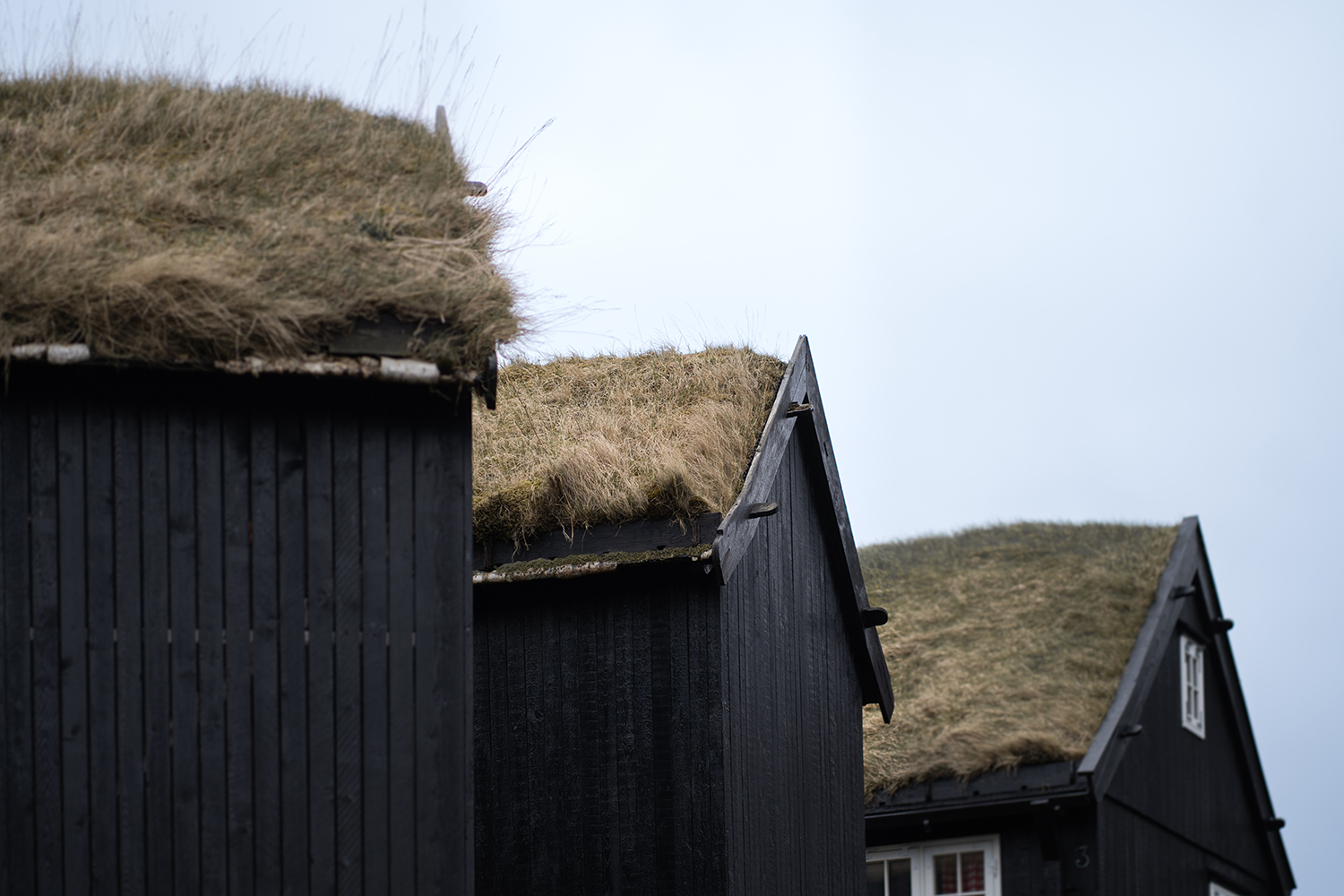
Torshavn, 2024
Tools to Turn Your Business Model from Linear to Circular
Another important delivery from Work Package 2 is the Nordic Circular Economy Playbooks with instrumental tools and examples from the construction sector that companies can use to transition their business into a more circular business. The playbooks provide detailed guidance on overcoming technical challenges, exploring new business models, and scaling sustainable practices across the sector.
35 construction companies joined a series of workshops where the tools were presented to them, and they discussed and worked on how to implement them in their specific context.
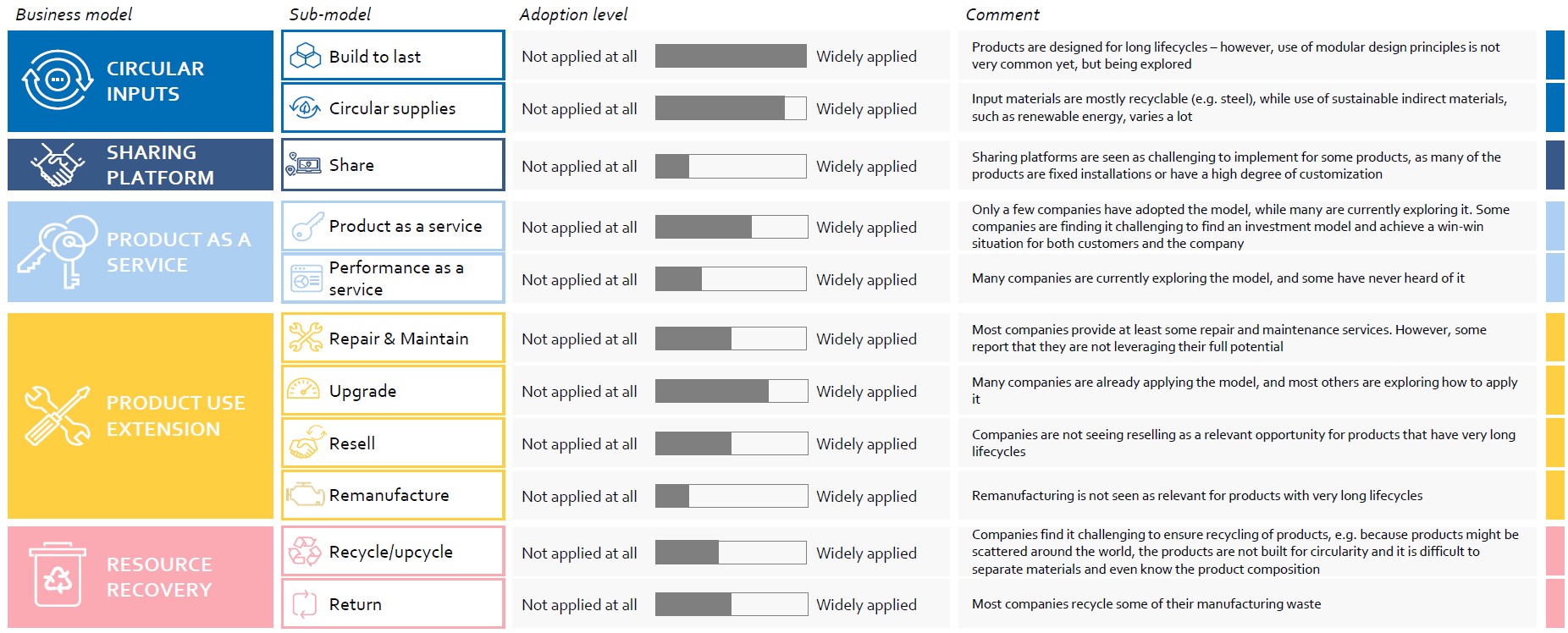
Table: Excerpt from the Nordic Circular Economy Playbook – Circular Business Models for the Manufacturing Industry showing that the current adoption level of circular models in the Nordic manufacturing industry is highest within circular inputs and product use extension.
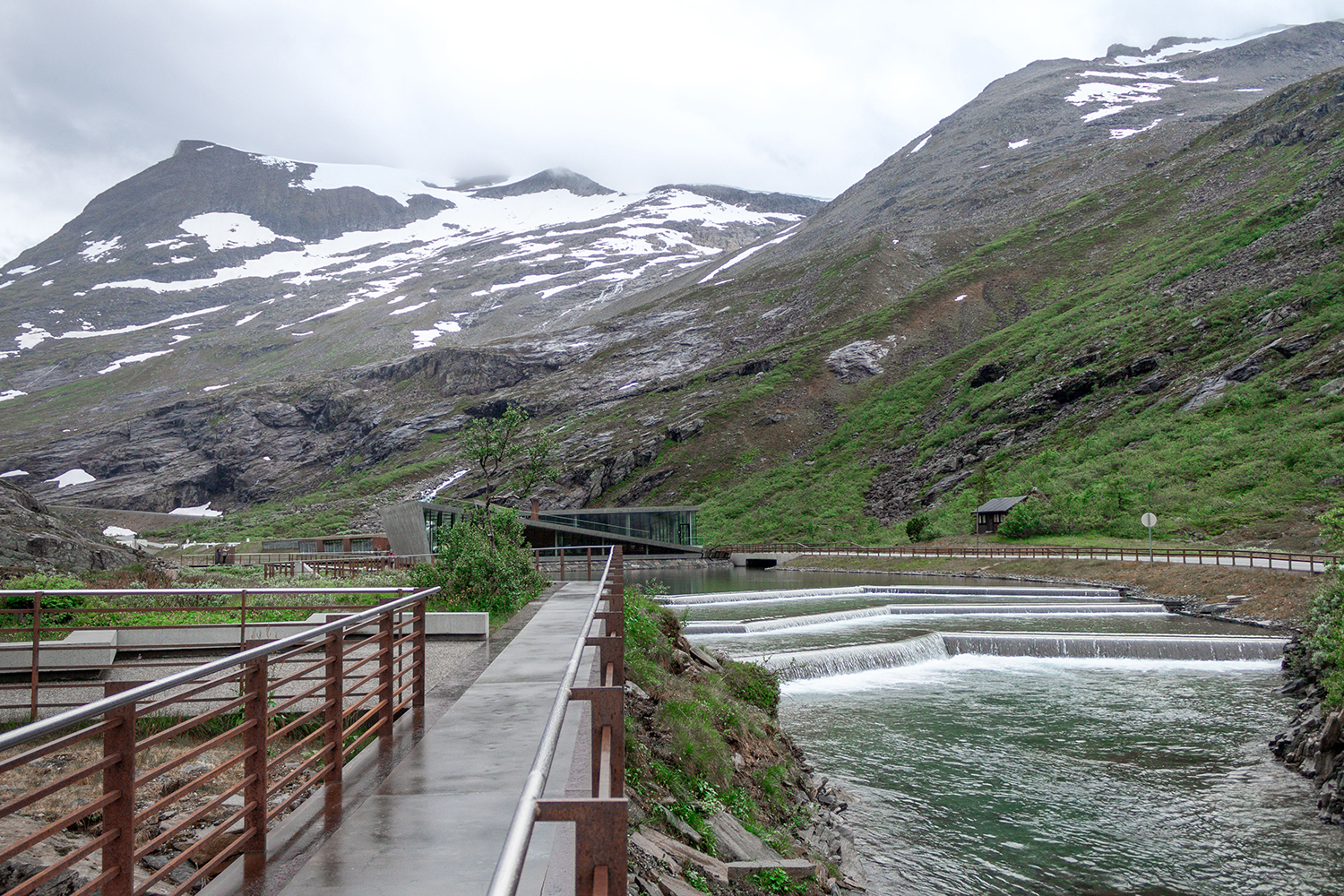
Trollstigen, Norway 2016
We noticed a shift in pace ten years ago when BREEAM-NOR was launched, and more recently with regard to the circular economy. Two years ago, we oriented ourselves towards circularity through the Nordic Circular Programme to learn more, and now we are starting our first circular projects. We must continuously take new steps to contribute to the necessary transformation of the construction industry.Heather Bergsland, Veni
I think that this holistic approach to the circular economy and how to work with it as a quite practical, tool-based approach, has been very useful. It has helped to shape our approach on how to deal with it.Jesper Jerlang, Standardisation Manager, Danfoss Drives
The Power of Procurement
The work package’s involvement in pilot projects in Tampere and Stavanger and, later on, experiences harvested from the City of Copenhagen and Stockholm showcase how circular principles can be successfully integrated into public procurement. These projects are not only a testament to the potential of circular construction practices but also serve as valuable case studies that can inspire and guide other cities on how to procure more circular. Three key recommendations to get started are the following:
- Focusing on life cycles, longevity, and value of materials in use: renovate, reuse, repurpose, maintain the value of materials
- Goal Setting and Accountability: Set ambitious targets, hold city managers accountable, and tie bonuses to meeting circular targets
- Tendering Process: Balance cost and competence, leave room for innovation
A Nordic Market Platform for Reused Construction Materials
The project Re-trade was initiated in mid-2024. The project aims to develop the Nordic re-trade market for circular critical construction materials in a way that can make the value chains in the construction industry more sustainable and make the circular business models for material use and modular building practices profitable and scalable on a Nordic level. By fostering the development of a Nordic re-trade market for circular critical construction materials, it supports the creation of sustainable value chains and promotes modular building practices that are both profitable and scalable. This dual focus on environmental and economic sustainability paves the way for the possibility that the construction industry can meet its climate goals without compromising its competitiveness. The project is still ongoing and you can find more information on our website.
Overview of Deliveries
Work Package 2
Report: Circular Construction in Nordic Cities
Nordic Blue Building Alliance
Technical Handbook: Marine Biobased Building Materials
Nordic Business Tools
Nordic Circular Economy Playbook 1.0 and Nordic Circular Economy Playbook 2.0
Report: Circular Business Models in the Nordic Manufacturing Industry
Workshops on how to make your business model circular
Place-based architecture
Who Contributed to this Work Package?
Accenture, Nordic Innovation, Sitra, Nordic Smart City Network, AFRY Finland, Nordic Circular Hotspot, Natural State, Fund Forward, Center for Cirkulær Økonomi, Hringrasarsetur, Nefco, ARUP, Nordic Blue Building Alliance
The cities of Tampere, Stavanger, Torshavn, Copenhagen and Stockholm
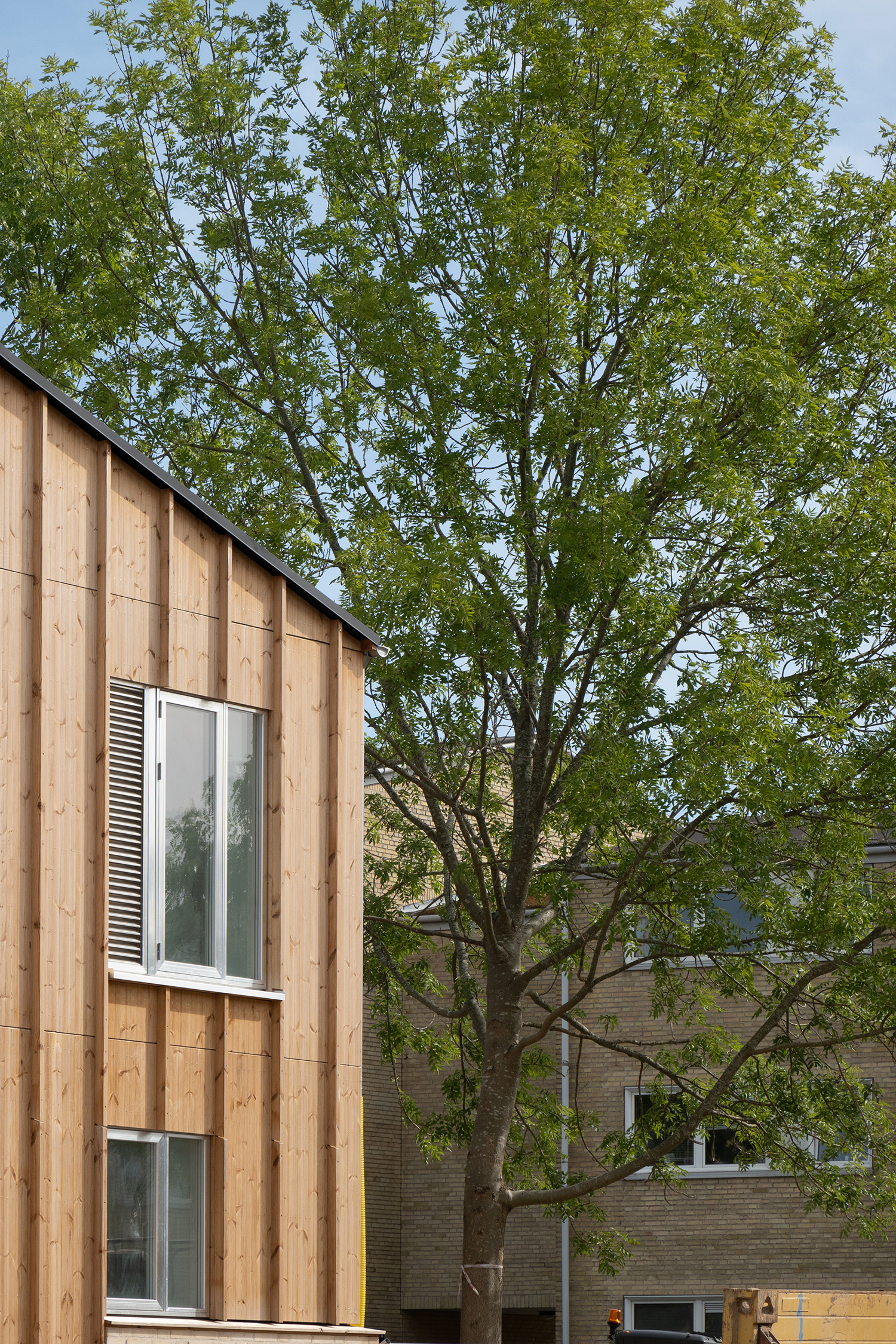
Tingbjerg Copenhagen, 2024