Recommendations
Recommendations, The Material Hierarchy
Background
One of the big global GHG emitters is the construction sector. Our built environment is responsible for 40% of global carbon emissions.
Statistics | Eurostat (europa.eu)
This provides a good reason to address both embodied and operational carbon, on- and off-site biodiversity, and emphasizes the need to prioritize reusing existing building mass and construction products over introducing virgin materials. This approach not only preserves cultural and immaterial values but also reduces negative impacts on climate and biodiversity. Furthermore, a recent report
The report ’Analyse af CO2-udledning og Totaløkonomi i Renovering og Nybyg’ written by Rambøll with support from Realdania can be accessed here: https://realdania.dk/publikationer/faglige-publikationer/komparativ-analyse-renovering-og-nybyg
Despite the benefits of optimized material reuse, barriers to a circular transformation persist due to complexities arising from many non-holistic policy frameworks, conflicting priorities, cultural norms, as well as market-based- and technical obstacles.
The report ‘Policies Enabling the Reuse of Construction Products in the Nordics’ was published by Nordic Sustainable Construction. The report provides an overview of the European and Nordic policy initiatives. You can access the report here: "Policies Enabling the Reuse of Construction Products in the Nordics " (norden.org)
It is important to bear in mind, that as the energy mix changes towards sustainable energy sources, the material hierarchy needs to be revised, as the energy heavy materials such as steel and metal could possibly outperform materials currently considered to be “sustainable” on other parameters such as biodiversity protection. The material hierarchy as described in the following recommendations is therefore not to be read as a universal truth, but, rather, a picture of the optimal approach to sustainable material use within the frames of the current production- and energy system.
I think that the first structural move is to really consider why we build. This includes the question of whether we have to build anything at all.- Kai Reaver, Head of Architecture & Chief Advisor Norwegian Architecture Association, NAL.

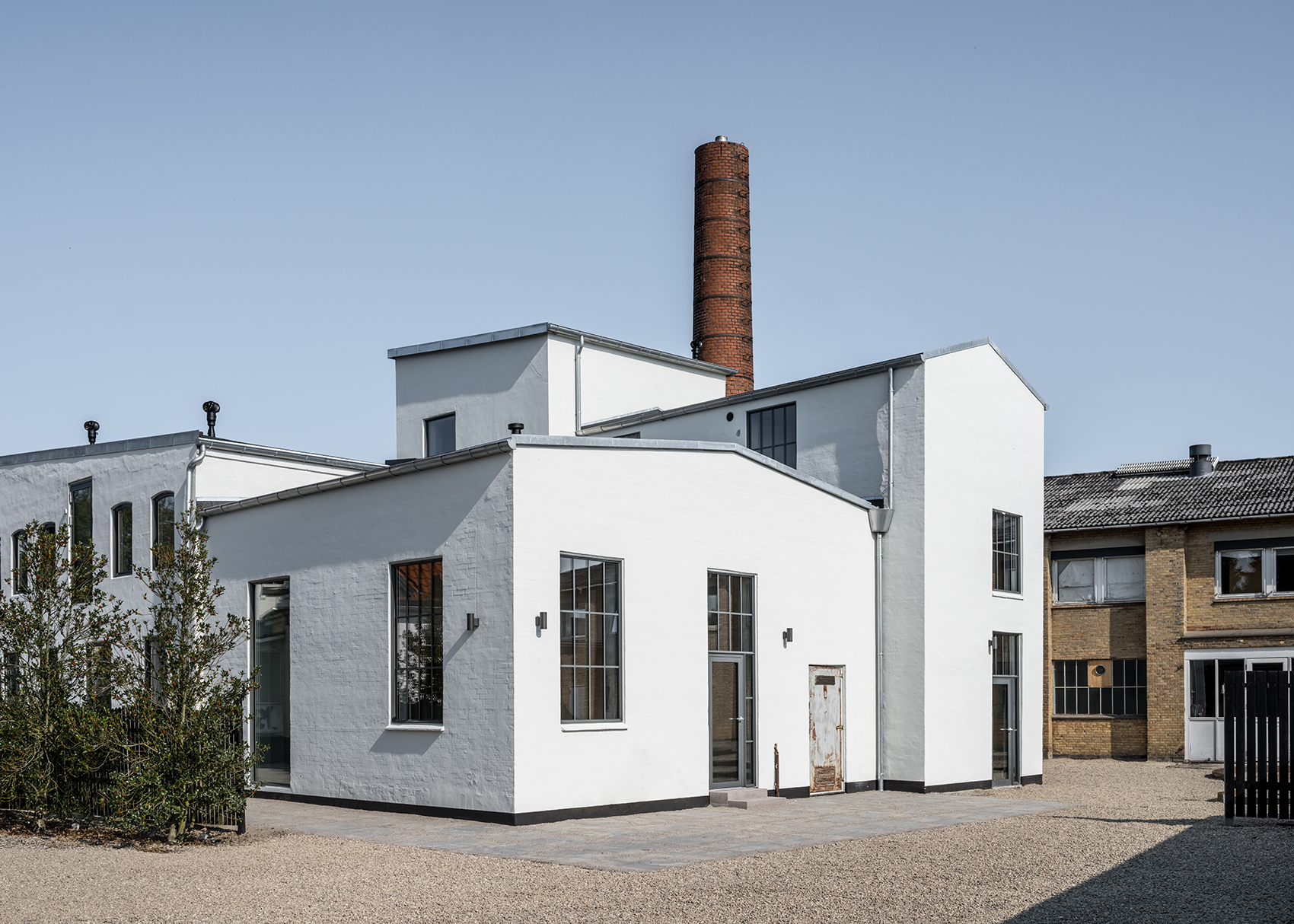
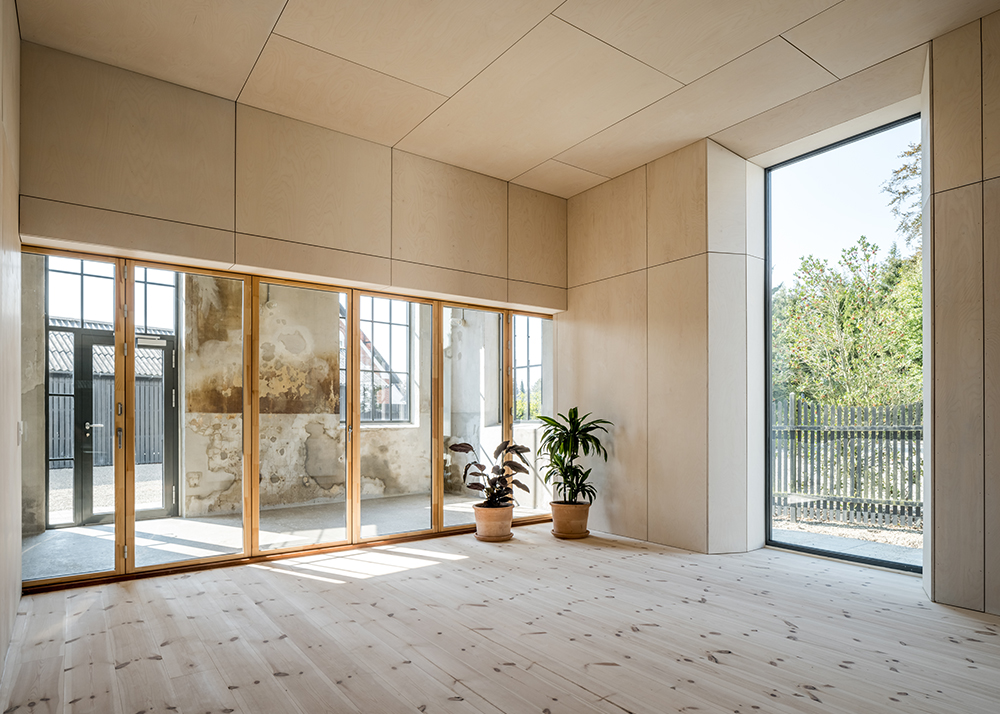
Fabers Fabrikker - A former factory in the small town of Ryslinge now contains four affordable dwellings built using an all-wood modular system. The house-in-house method is a new housing typology that makes it economically viable to reuse the cultural heritage in rural areas. The Faber’s Factories project was done for Faaborg-Midtfyn Municipality by Arcgency in collaboration with Ekolab (engineer) and Aarhus School of Architecture
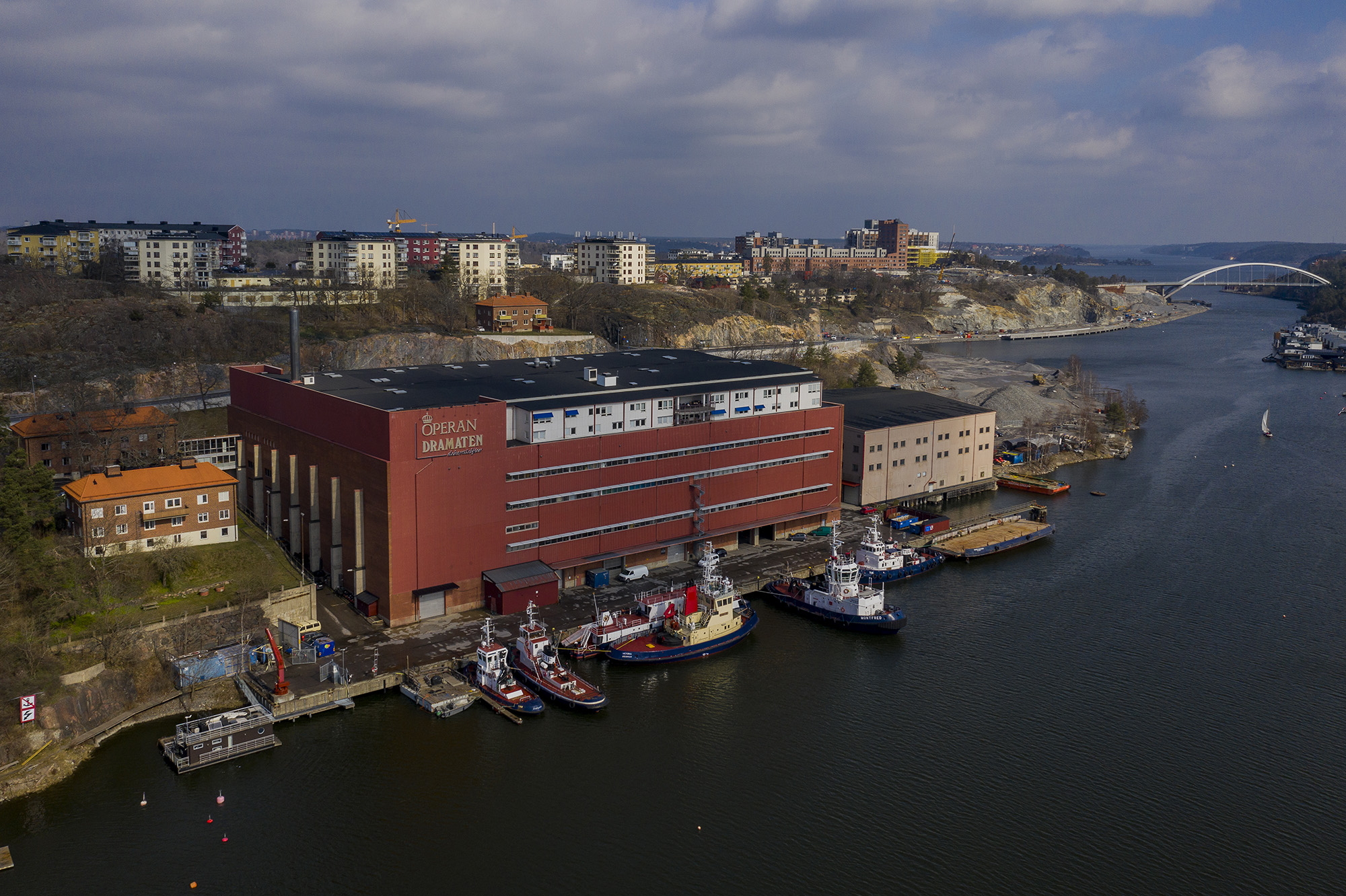
Gäddviken in Nacka, Stockholm. The national theatre, Dramaten, and the Opera will move their workshops from this old coffee roastery, where we Vasakronan is currently planning a conversion to residential housing with the intent to keep as much of the existing building and cut it into smaller residential blocks. Photo: Vasakronan
Transformation Instead of New Built
Limit Demolition Permissions and List all Buildings for Preservation by Default
Advocate for the limitation of permissions to demolish existing building mass by implementing stricter regulations. Instead, propose a policy where buildings are automatically considered for preservation, requiring specific justifications for demolition or propose amendments to existing legislation to ensure that demolition is not the default option for aging or aesthetically outdated structures. This could include financial incentives for developers who choose to renovate rather than build new structures, along with penalties for unnecessary demolition.
These justifications should be based on a thorough examination of the environmental, cultural, and historical impact of replacement rather than restauration and transformation of the existing structure or parts of the existing structure.
These justifications should be based on a thorough examination of the environmental, cultural, and historical impact of replacement rather than restauration and transformation of the existing structure or parts of the existing structure.
Apart from emission- and biodiversity related considerations, each structure bears witness if its time and therefore has historical value regardless of current trends.
Sector: Nordic- and state level policy
Let the Available Supply of Used Materials form the Centre of Design Processes
Available reused components like windows, doors, façade cladding, and other construction materials should shape the design rather than the opposite. This requires access to inventory lists of available materials and building components as well as an easy way of purchasing and reserving these once a decision has been made to include them in a design. A new system and business model for effective marketing and redistribution of existing building components and materials is needed.
Sector: Architects, building owners, developers, education, research
Priority to Retrofitting, Renovation, and Repurposing of Building Stock Designed into Tenders and Competitions as Mandatory Requirements
Implement policies that regulate the use of new materials in construction, favoring recycled and renewable options. Encourage building owners, architects and developers to focus on energy retrofitting, renovation, and repurposing by designing requirements for this into tenders and competitions. Adjust contractor bonuses to incentivize the use of reused materials.
Sector: Municipalities, material engineers, product developers, architects, building owners
The obvious way to proceed is to think of existing buildings as a material bank rather than something you demolish. The resources carry the embodied carbon so we have to think of the building as a temporary collection of materials which will have to be reused again and again.- Arnhildur Palmadottir, Architect, Lendager Island

Reduce Per-Capita Square Meters
Densification within existing building mass by utilizing attics, vacant spaces under commercial lease and by limiting vacant property
To respond to the increasing need for (affordable) housing in larger cities in the Nordics without resorting to building new, carbon heavy housing, renovate and utilize existing attics in larger cities for apartments and utilize vacant homes that are not up-to-date or which are empty as a result of missing residency requirements or vacant spaces under commercial lease into residential units.
Sector: Nordic- and state level policy
Housing Policy Reforms: Subdivision of large apartments and single-family houses for smaller and better-connected homes
Develop policies that facilitate the transformation of single-family homes into multi-household units, addressing the needs of the current demographic landscape, where alternative household types have outnumbered the traditional two-parents-and-two-children family.
Introduce financial products and legal frameworks that support shared housing projects, making it easier for individuals and groups to obtain loans and navigate regulatory challenges.
Introduce financial products and legal frameworks that support shared housing projects, making it easier for individuals and groups to obtain loans and navigate regulatory challenges.
Sector: Policy at state- and municipal level
The bungalows that were built in the 1930s with state building loans and the single-family houses from the 1960s are being torn down today and replaced by much larger single-family houses. This leads to immense overconsumption. The new needs that arise with a changing demographic, where more and more people live alone, and where the old idea of “a family” has been outnumbered by over 30 different new family structures results in an increase of individual households but not in population. If we are to operate within planetary boundaries, we cannot just build new. The good thing is that we have enough houses, and we have enough square meters to share.- Louise Heebøll, architect MAA, founder and owner of Louise Heebøll ApS, founder of the association Del Hus and V!GØR.

Housing support designed to promote communal housing such as collectives or multifamily households
To increase the number of people per square meter, make it possible for students, single parents, or individuals to receive housing support in communal living arrangements.
Sector: Policy at state- and municipal level
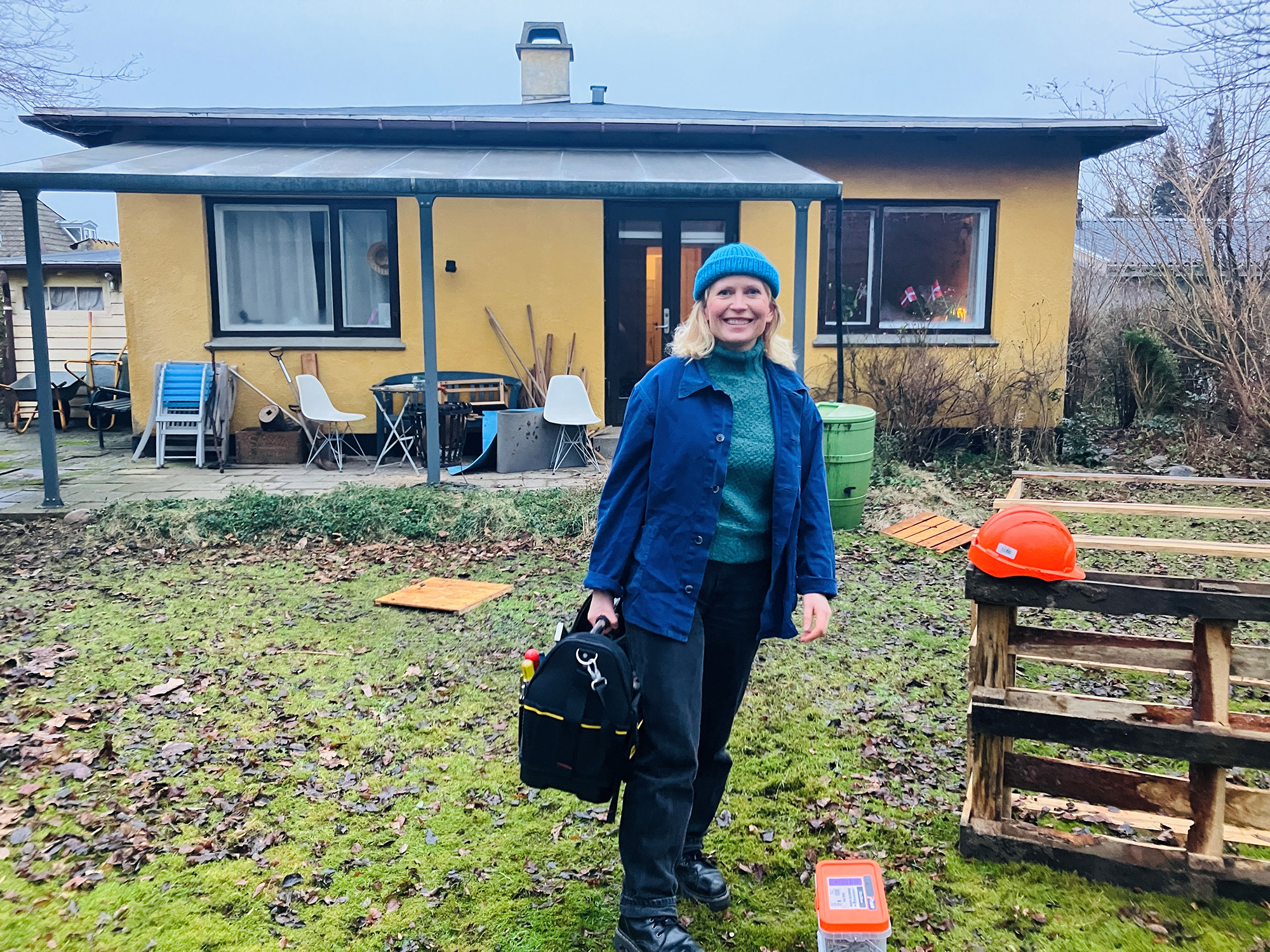
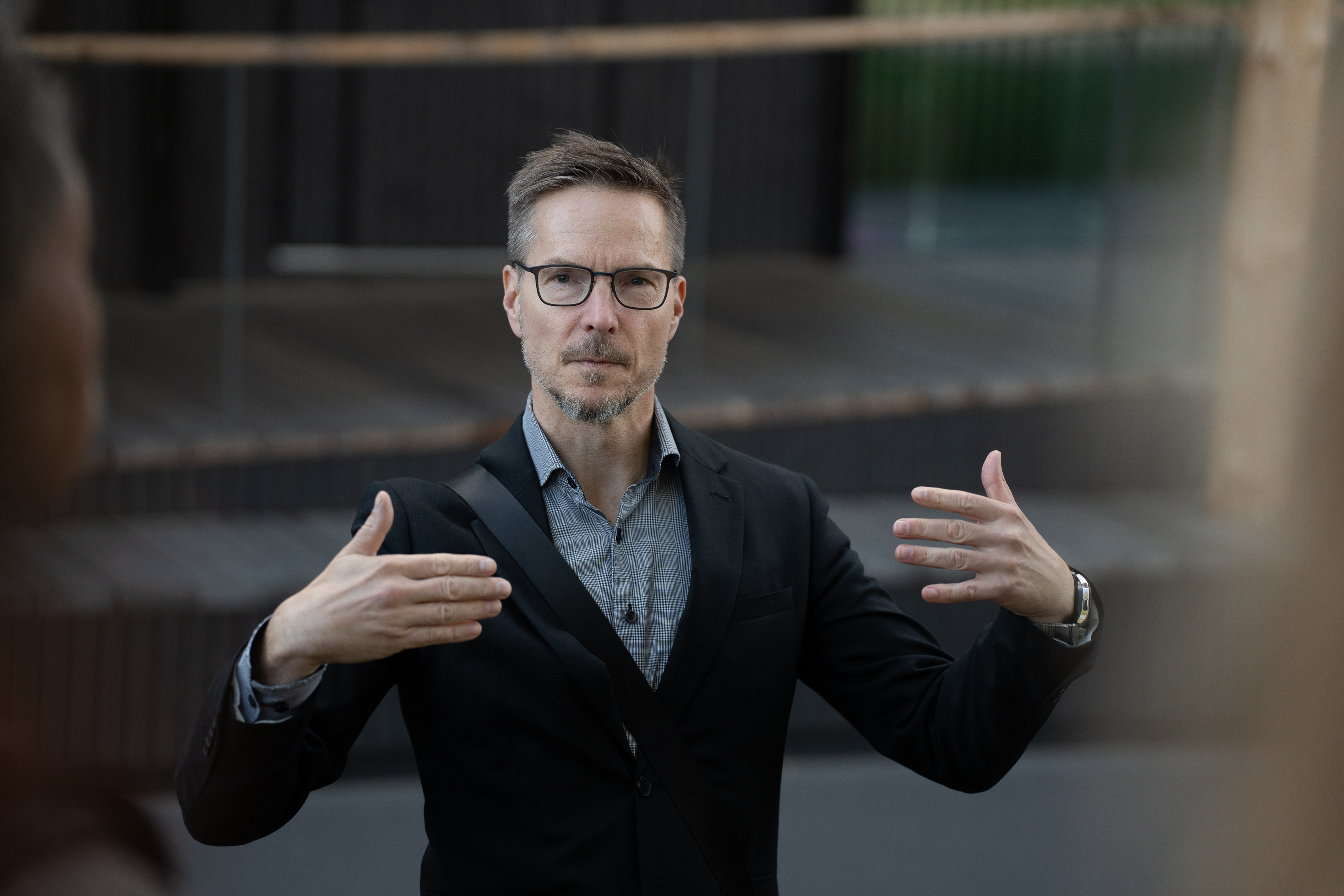
Louise Heebøll in front of her first project in the movement DelHus. DelHus is on a mission to support the process of dividing old single family homes in two or more households to create space for new and interesting housing forms and opportunities for new types of community in (the sometimes tired) suburban neighborhoods. The process offers many challenges, both in terms of legislation and building techniques and financing. DelHus has set out to finding ways to overcome these challenges.
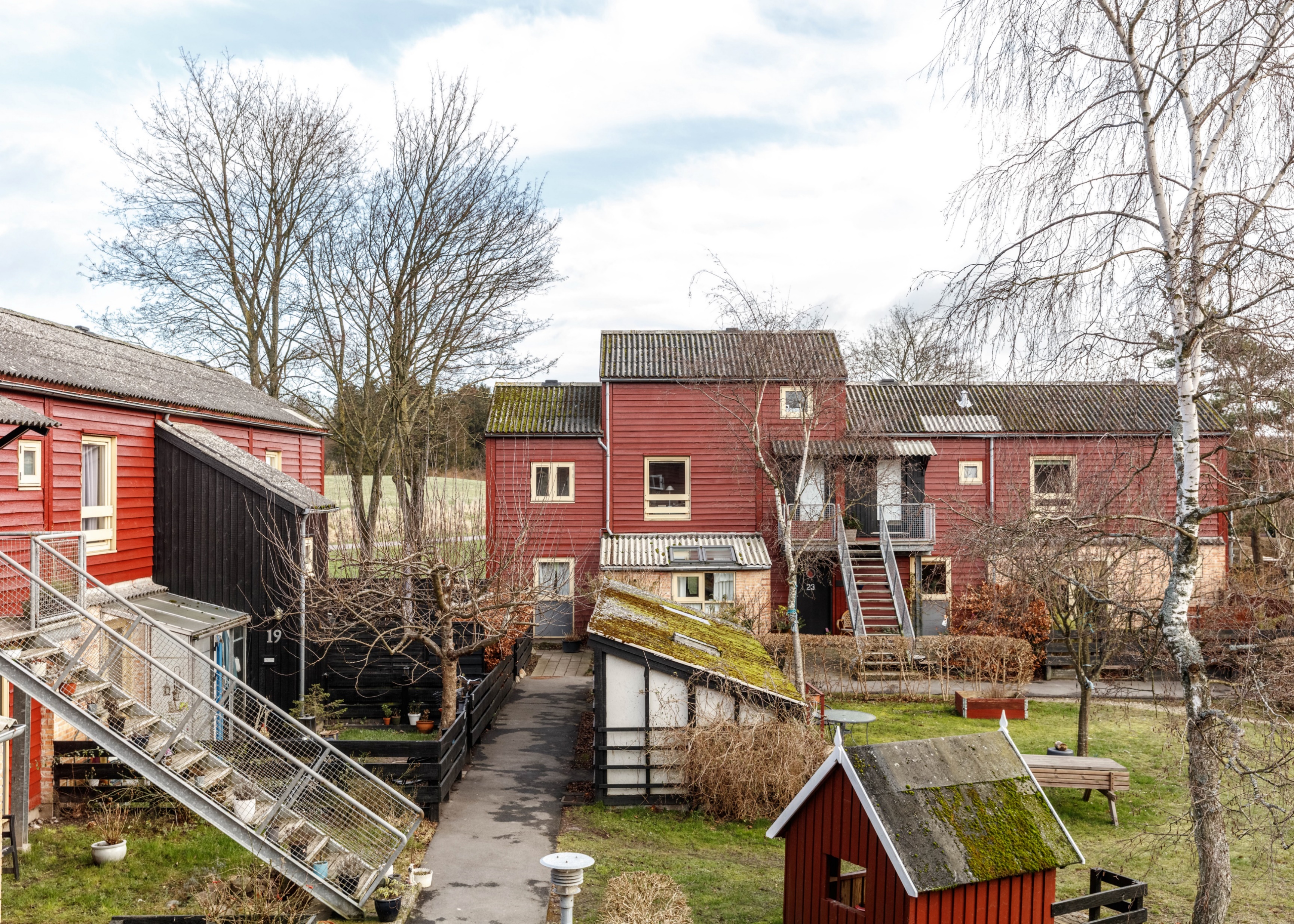
Tinggården is a public housing experiment near Herfølge in Denmark. Since its establishment in 1978, the development has set a precedent for dense, low-rise housing in Denmark. Tinggården is the story of a public housing experiment that, through its architecture, reinstated resident democracy in the local community and successfully achieved its mission.
Education, Data, and Knowledge Sharing
Bridging the Data Gap to Pave the Way for Informed, Long-term Decision Making.
There is a lack of data on emissions and biodiversity impacts of construction. Widespread knowledge about sustainable solutions is also lacking. Addressing these gaps is crucial for informed decision-making. This includes separating actual emissions from compensatory actions and improving control of waste from the construction industry. The key word here is prioritization. We could have this data readily available within a couple of years if the effort is prioritized and allocated.
Establish a platform for sharing data and research findings across Nordic countries (and beyond) to facilitate circular development and the adoption of sustainable practices on a larger scale.
Sector: Policy at state- and municipal level
Requirement for Continuous Education on Sustainability to all Employees in the Construction Sector
Introduce requirements for employers in the construction sector to offer training for their staff to update their knowledge on sustainability. LCA, material economy and properties, transformation and retrofitting of existing buildings should be central.
Sector: Policy at state- and municipal level
Support Courses in Design for Transformation and Retrofitting of Existing Buildings in Curricula for Vocational Educations as well as Academic Educations with Reference to the Construction Sector
Support the introduction of courses in design for transformation and retrofitting of existing buildings with focus on both planning, material strategy, practical implementation, design, aesthetics and use as well as cycle assessment and carbon accounting in curricula for vocational educations as well as academic educations with reference to the construction sector.
Sector: Nordic- and state level policy, academia
If we hold on to a cultural fetish of designing new buildings that are not aesthetically relevant outside the architectural profession, then we will become irrelevant, a museal trade like typesetters or blacksmiths.- Pasi Aalto, Centre Director NTNU Wood, Department of Architecture and Technology, Norwegian University of Science and Technology

Introduction of Courses in Designing Systems and Business Models for Collection and Redistribution of Recirculated Material in Engineering Schools, Business Schools and Architecture Schools
Propose the introduction of new courses in designing systems for collection and redistribution of used materials focusing on designing new business models, assessment and classification of properties and safety, design new insurance models and risk management procedures for reused materials. These courses should be offered at engineering schools, business schools and architecture schools.
Sector: Nordic- and state level policy, education
Introduction of Courses in Careful Demolition/Disassembly in Vocational Educations
Propose the introduction of new courses in careful demolition/disassembly of existing buildings with the aim to retrieve as many building parts as possible for reuse. This course should be offered through vocational educations.
Sector: Vocational education
Intensify Use of Existing Building Mass by Promoting Multifunctional and Flexible Design Principles based on Existing Structures and Reuse of Materials
Advocate for intensifying the use of existing building mass by promoting multifunctional and flexible design principles that take a point of exit in the structure to be transformed and in the available material bank.
Sector: Architects, building owners, developers, education, research
A glazed shiny steel-frame skyscraper no longer stands as a symbol for progress and wealth, but as a monument over fossil-linear economy.- Matti Kuittinen, Associate Professor, Aalto University
Biobased Building Materials
First Priority: Reused; Second Priority: Biobased; Third Priority: New Components Designed for Disassembly and Many Cycles of Reuse
Advocate for the use of bio-based building materials in both new construction and retrofit projects when virgin material cannot be avoided. Following the principles of 1. Reuse, 2. Reduce and 3. Recycle, unavoidable inclusion of carbon heavy virgin material such as steel and concrete for specific purposes what other material types do not serve the purpose, new components should be designed for disassembly and reuse.
Sector: Architects, building owners, developers, education, research
Smoother Paths for Biobased Materials to Achieve Certification, Fire- and Safety Testing and Market Approval
Focus on clearing the way to market for known and new biobased materials. This can be done through smoother paths to certification, fire- and safety testing and market approval, i.e cheaper and leaner fire testing and leaner and streamlined and more accessible pathways for material producers and innovators to obtain Environmental Product Declarations (EPDs) for their products. Simplifying the process would not only encourage more companies to certify their materials but also foster innovation in sustainable product development.
Sector: State level legislation
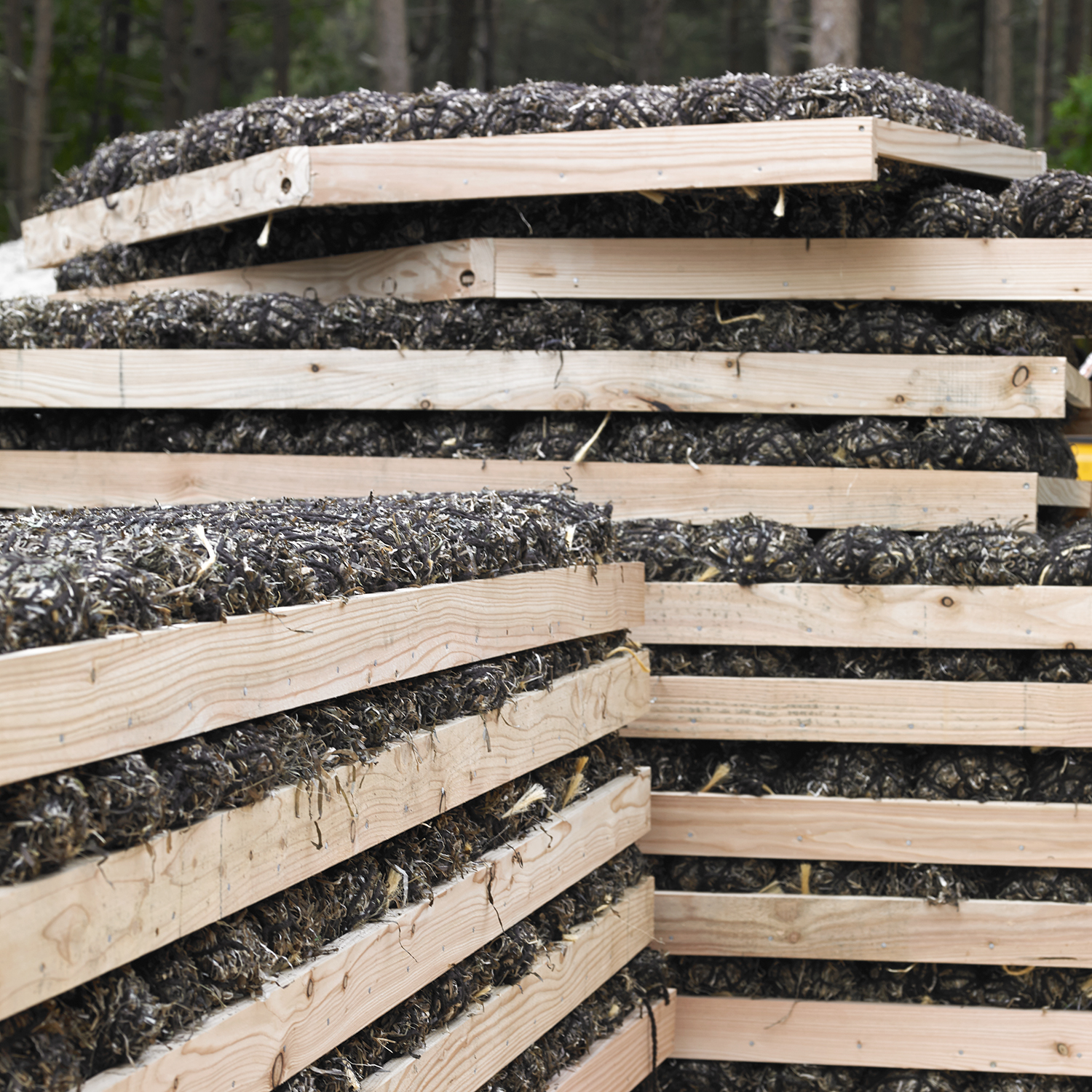

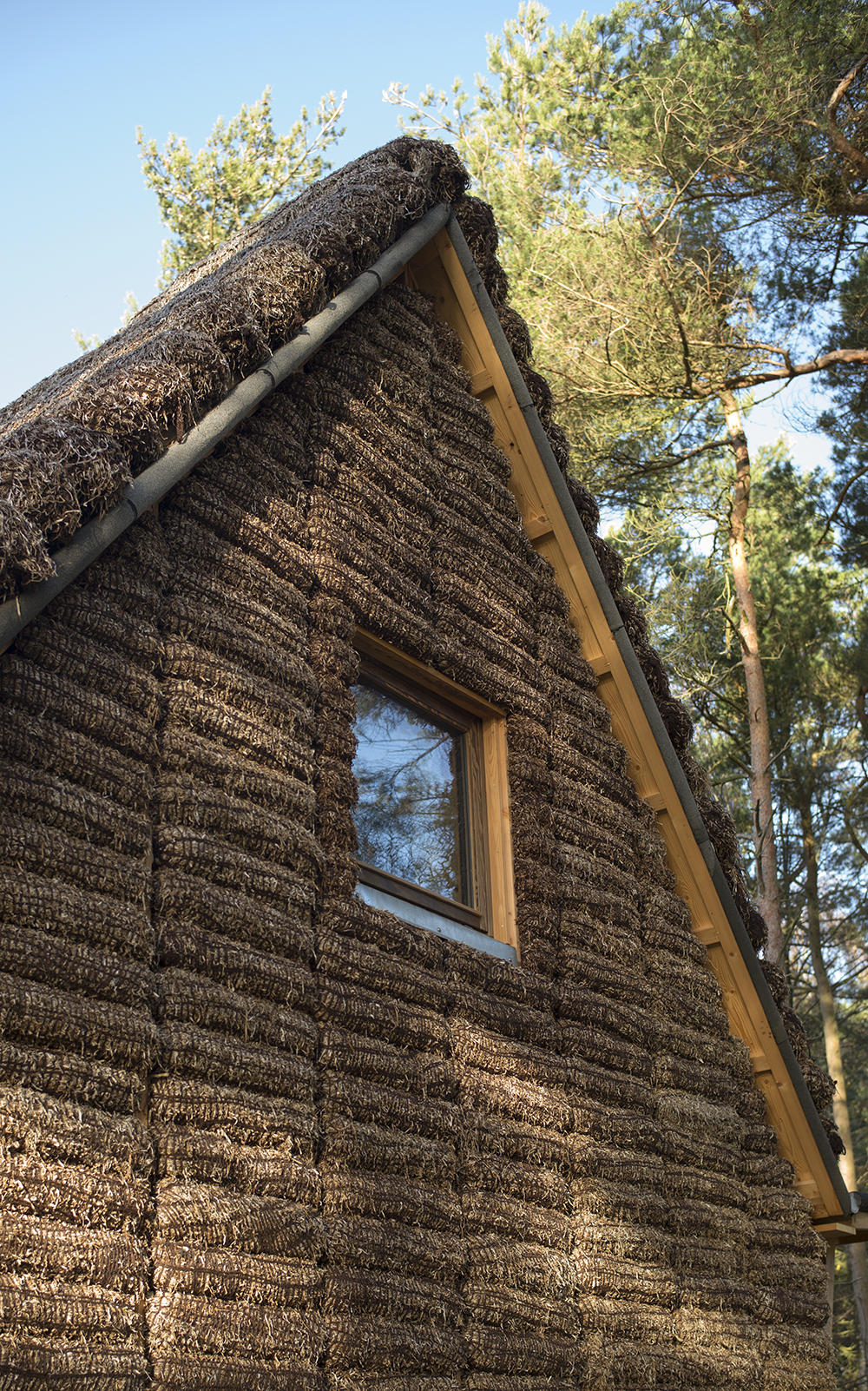
We know a plethora of biobased construction materials, some from traditional construction methods and some from more recent material innovation. But many biobased construction materials face barriers to market adoption, despite their environmental benefits. These materials often lack crucial certifications, such as Environmental Product Declarations (EPDs), and are not yet fully tested for fire resistance or durability, limiting their approval in building codes. Additionally, the extensive costs of scaling production and meeting rigorous regulatory requirements further hinder their deployment. The challenges are not only technical but also regulatory, with current building codes not fully accommodating the unique properties of biobased materials.
Biobased Building Materials in Modern Building Design – Challenges, opportunities and limitations seen from a Fire Safety Perspective - Master i Brandsikkerhed (dtu.dk); Barriers and opportunities of fast-growing biobased material use in buildings | GlobalABC;
Tax on Carbon Emissions Associated with the Production and Use of Construction Materials
Encourage a shift towards sustainable material choices and practices by reflecting the true cost of carbon emissions in construction. This could be done by designing a policy framework that assigns a tax on carbon emissions associated with the production and use of construction materials. This framework would support the implementation of the limit values frameworks which are currently under varying levels of implementation in the Nordic countries.
Sector: State level legislation
LCA Requirements on all Added Materials in Transformation/Retrofitting Projects
In cases of retrofitting or partial transformation of existing building mass, the amount of added virgin material should be justified by comparable assessments of structural integrity, energy efficiency, and community impact and environmental impact assessments including embodied energy, carbon footprint and biodiversity footprint. Here, reused or biobased material should have priority.
Sector: State level legislation, research
The first step is to accept, that there are in fact planetary boundaries. We cannot keep building new because we are running out of resources. It is as simple as that.- Mark Hughes, professor of wood technologies, Aalto University

The wins
The experts we consulted have highlighted several significant advantages that could arise from shifting focus from new construction to the transformation of existing building stock.
Enhanced Job Market: By prioritizing transformation over new builds, the construction sector stands to benefit from a more dynamic and engaging job market. Unlike the current assembly tasks involved in new construction, renovation and transformation work require advanced craftsmanship and specialized skills. This shift could elevate the overall quality of labour in the industry, making it more appealing to skilled workers and fostering a greater sense of professional pride and development.
Social Impact: A move toward transformation would also have positive social implications. The demand for skilled labour would increase, thereby helping to counteract wage dumping and reducing reliance on unorganized, imported labour. This approach promotes fair labour practices and strengthens the local workforce, contributing to a more stable and equitable job market.
Competitive Market Landscape: From a market perspective, focusing on transformation could help level the playing field in the construction industry. As renovation projects often require unique solutions tailored to specific buildings, companies would need to compete based on quality, innovation, and expertise rather than simply cost efficiency. This could drive higher standards across the industry, benefiting both businesses and consumers.
Reduced Neighbourhood Disruptions: For communities, the benefits of prioritizing transformation are clear. Renovation projects generally cause fewer disruptions compared to new construction, leading to reduced noise disturbances and less heavy traffic around construction sites. This would enhance the quality of life for residents living near such projects, fostering greater community acceptance and support for development initiatives.
Environmental and cultural Sustainability: Prioritizing transformation over new builds would also result in both cultural and environmental gains. The diversity in urban aesthetics would increase as the cultural heritage of buildings would blend in with new building architecture and circular aesthetics. Undeveloped areas in cities would be filled with nature, and biodiversity would increase. By reducing reliance on concrete production and mass-produced building materials, the construction industry could lower the country's total CO2 emissions. The decrease in gravel extraction and raw material mining would preserve natural resources, while protecting off-site biodiversity.
Innovative Housing Solutions: Focusing on transformation would also lead to more flexible and inclusive housing solutions. As square metres cease to be abundant, more households would begin to share spaces under the same roof, new living arrangements would emerge, creating diverse and dynamic communities. The increased flexibility in using shared spaces, such as sports halls or workshops, would encourage better utilization of existing buildings and foster a stronger sense of community. A shift towards renovation over new construction would support a more sustainable and adaptable urban environment, catering to evolving social needs while promoting efficient use of space and resources.
Architectural and Engineering Innovation: Finally, this shift would place architects and engineers at the forefront of the industry’s evolution. Their role would become increasingly crucial as the creative minds behind identification of the potentials of existing structures and plan for the practical transformation of these. This not only enriches the architectural landscape but also ensures the preservation and enhancement of existing cultural and historical assets.
Among the positive outcomes of a transition to circular processes and material in development projects, is that we would get a better building sector and at the same time happier communities.- Anna Denell, Chief Sustainability Officer, Vasakronan

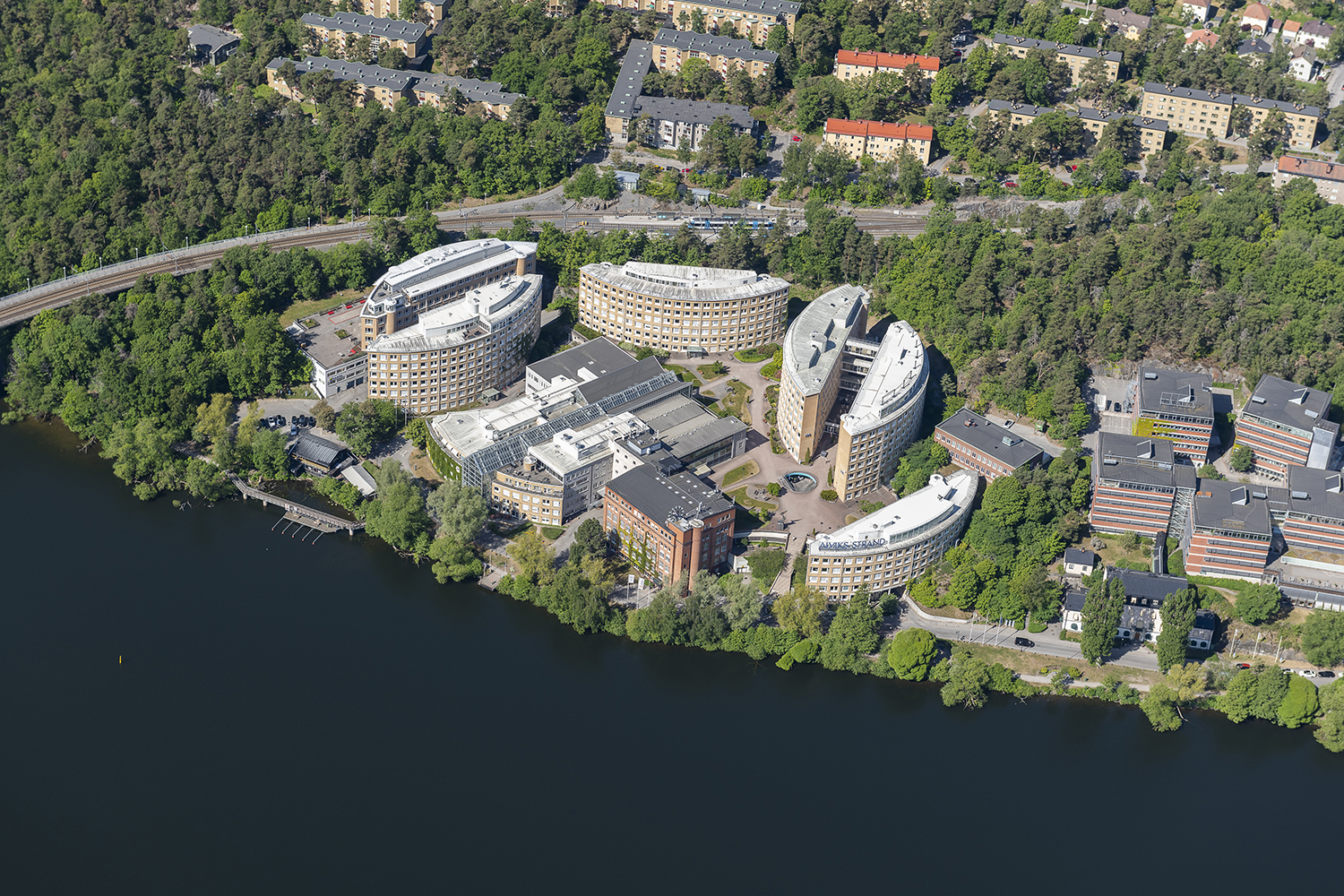
Alviks Strand, a former office area by the water, west of Stockholm city center is a possible future redevelopment project for Vasakronan to convert approximately 65 000 square meters of office space into housing.
Recommendations, Place Based Architecture and Planning
Background:
In the Nordic countries, public policy, values, and a tradition of political consensus provide a solid foundation for place-based planning. Decentralization, transparent governance, and policies supporting equal opportunities contribute to a high quality of life. While “place-based architecture” is a fairly clear term, confusion arises with terms like “placemaking in architecture.”
Placemaking involves architects and stakeholders in shaping a place’s identity, emphasizing social spaces. However, it raises questions about who benefits and the long-term impact after development.
Place-based architecture, encompassing strategies for ecological, economic, and social sustainability, responds to site, draws on local traditions, and fosters community. It represents a culmination of half a century of theory and practice, aiming to create a built environment aligned with the principles of critical regionalism and sustainable site-sensitive architecture.
Place-based architecture has been identified as an important transformation-path to engage architecture as a catalyst for community shaping and promoting sustainable behaviour patterns. The goal is to minimize the environmental footprint of buildings and infrastructure, create spaces for local biodiversity, encourage sustainable lifestyle choices, fortify communities, and safeguard local cultural, aesthetic traditions, and values.
Placemaking holds an important key to unlocking the cultural shift required to drive a systemic transformation of society towards compliance with the planetary boundaries.

Andøy municipality is in a challenging position, balancing large national and international initiatives with a local community that is not equipped to receive newcomers in a way that ensures they become a resource and a natural part of the Andøy community.
With support from the DOGAs Gnist programme
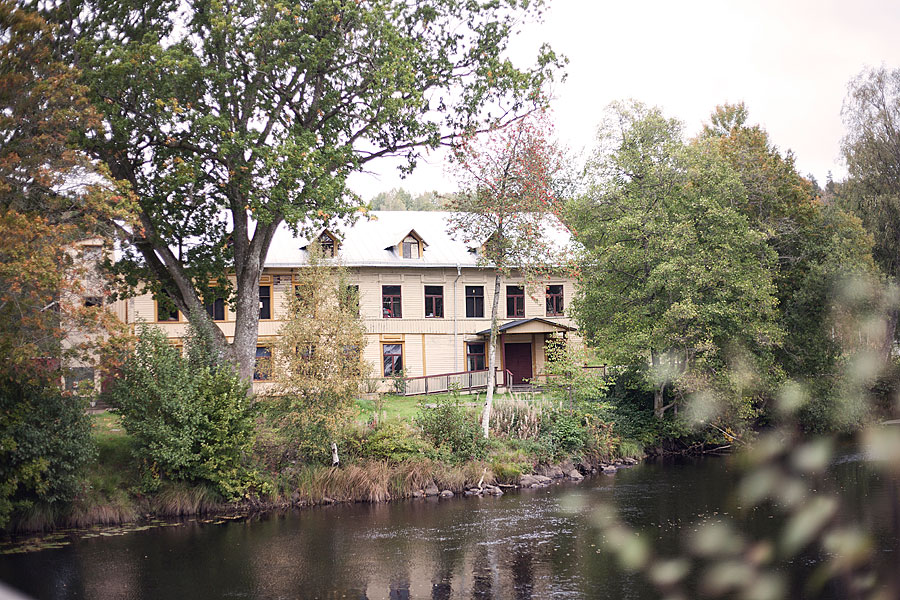
Community development of “the Yellow House” in Uddebo, Västra Götalands län, Sweden.
Uddebo stands out as one of Sweden’s finest examples of a hyper-local development, with a deep involvement of the village population, to turn a financial downward spiral upside down, and reversing the movement pattern from going out to going in to the community of Uddebo.
The “Yellow House” played a crucial role in the development of the village of Uddebo, serving as a gathering place where people could come together and be creative. The whole community rallied to save the house and transform it into a new meeting spot. Now, the three-story timber house built in 1892 is filled with activities. Café, concerts, film screenings, quizzes, market, flea market, free shop, woodworking shop, canoe rental, and art projects.
Impact Assessment Throughout the Whole Value Chain
Make the Cost and Effect of the Material Chains Visible
To encourage local and place-based material production and use we need efficient tools to expose and break the chain links of climate- and biodiversity footprint of materials including extraction, scale and transport. Integrate ALL the emissions in the climate calculations from extraction over transport to use and maintenance. Encourage a financialization system that provides a Nordic place-based architecture, production and distribution of local sustainable materials and circular buildings methods.
Sector: Municipal- and state level policy, academia
Account for Total Impact of a Building as part of Assessment for Permits
Advocate for a comprehensive approach to construction that considers the total impact of a building's use, including its climate footprint and contribution to sustainable behaviour, promoting regulations that prioritize environmental considerations.
Sector: Municipal- and state level policy
Balanced Densification
Sustainable Densification to Reduce per Capita Emissions, Fight Loneliness and Promote Social Connectivity
Prioritize urban planning policies that advocate for well-designed density and connectivity, emphasizing the substantial well-being and productivity benefits associated with optimized space use. This would foster community interactions, reduce loneliness, and enhance overall urban living. Policies should prioritize architectural designs that integrate with local cultural, material, and environmental contexts. This includes supporting the use of local materials, traditional construction methods, and designs that reflect the community's heritage and identity.
Sector: Municipal- and state level policy
Diversify Property Ownership Structures by Encouraging Mixed Ownership Models
Encourage mixed ownership models, including cooperatives (andelstanken), to diversify property ownership structures. This can foster a sense of community ownership and responsibility, contributing to the overall sustainability of the built environment. Community owned homes could be a model for community building both in urban and rural areas.
Sector: Municipal- and state level policy
Use Regional and Municipal Policy Mechanisms to Reduce Unused Square Meters and Optimize the use of Existing Building Stock in Rural Areas
There is a need to tighten oversight and regulation area use and second home ownership. Rural communities should be kept active and functioning through holistic regulation and planning when it comes to collective transportation, infrastructure like access to schools, leisure activities and other social activities, meaningful work and so on. This should be done in case-by-case regulation with considerations in the needs of the specific community context be it urban or rural. Adjust markets, use taxing and other regulation such as residency requirements to control the market in the direction of sustainable conduct.
Sector: Municipal and regional administration
What we need to work towards is balanced densification. Through several years, we have regarded it as progress that we have increased the average square meters pr capita and seen an increase in more than one home per family. But the planet cannot sustain this development, not even with sustainable construction methods and circular materials and the remoteness between people result in increased loneliness and disconnect in our social structures. Balanced densification is therefore both sustainable seen from a planetary and a social perspective.- Julia Okatz, Director Natural Resources and Urban solutions, SYSTEMIQ

From the Bottom and Up
Support and Sustain Community Driven Initiatives to Become Permanent Drivers for Social Cohesion
Strengthen local knowledge to empower individuals to take action. Recognize that the best solutions to global problems often emerge locally, emphasizing the need to support and enhance local knowledge and initiative for effective, community driven change.
Sector: Municipal- and state level policy, civil society
Protect Local Communities from Large Commercial Interests
Implement measures to protect local communities from large commercial entities that may negatively impact the fabric of the community. This includes safeguarding against financial interests that may overrule public and cultural interests and result in gentrification and new building projects to always win in urban planning.
Sector: Municipalities, urban planners, state level policy, civil society
Flexible Regulation to Allow for Grassroot Experimentation
Create conditions that make it possible to start small and simple, encouraging grassroots initiatives. This could be done by providing exemptions from standard legislation for smaller, experimental projects that can present a strong case for community building and sustainability without compromising safety considerations.
Sector: Municipalities, building owners, urban planners, developers, grassroots movements, civil society
Everyone wants “cultural glitter and values to new construction projects, but the real key is nurturing the grass-root perspective, in order to harvest strong communities who make place for new unestablished creativity.- Mads Peter Laursen, Institut for (X), Aarhus, Denmark

Local needs are defined locally, and not distanced from the place – and that local resources always can be found – there is never nothing in a place.- Malin Kock Hansen, DOGA

Aesthetics and Local Material Banks
Funding Mechanisms to Support Prototyping and Experimentation in Building Innovation
Establish funding mechanisms to support trial and error in building innovation, recognizing the importance of continuous escalation in research and development for new aesthetic and functional approaches.
Sector: Finance, philanthropy, academia, state level policy
Flexibility in Regulation to Promote use of Local/Traditional Material Bank and Aesthetics
Encourage the utilization of local biobased or naturally available resources such as straw, clay, rock, seaweed and wood to underline local aesthetics in construction projects, promoting sustainable practices that align with the unique characteristics of the region.
Sector: Municipal- and state level policy
Ambitious Holistic Political Approach to Legislation the Construction Sector across Heritage, Planning, Energy and Culture
Advocate for a centralized regulatory framework that consolidates oversight of cultural heritage, energy, and planning. Streamline efforts into one coordinated administration to ensure a cohesive and integrated approaches. Take a proactive political stance in reshaping the construction sector. Encourage a departure from solely relying on the market as the solution for all challenges, emphasizing the need for broader, sustainable strategies.
Sector: State level legislation
There is a “hole in the heritage discussion”, where most 20th Century architecture, like the brownfield areas, is thrown out and torn down without discussion. It is easy to see the value of an old timber building, but not the value in more recent concrete buildings that embody a lot of material value but does not trigger a cultural response.- Borghildur Sölvey Sturludottir, City Architect, Reykjavik, Iceland

Modernize Existing Assessment Tools to Meet Requirements to Stay within Planetary Boundaries
Re-evaluated and update the existing national tools and methods to map and assess the architectural, cultural-historical, and landscape values of cities and buildings to encompass climate-, social-, biodiversity challenges. (An example could be the Danish SAVE method
Sector: Municipal- and state level policy, research
Social and Physical Infrastructure
Support and Funding to Promote Social Infrastructure in Rural Communities
Prioritize the development of social infrastructure, including community centres, gathering spaces, meaningful leisure activities and other facilities that enhance social cohesion. Recognize the role of social infrastructure in building resilient and sustainable communities that foster sustainable behaviour and consumption patterns.
Sector: Municipal administration, civil society and local businesses
Strong Priority on Collective Infrastructure and Communal Space Use
Develop infrastructure that enables commuting for individuals of all ages, emphasizing flexibility over extensive transportation systems. Create pedestrian-friendly spaces and accessible public transportation options that cater to diverse age groups.
Sector: Municipal administration, civil society
Landscape Integration and Climate Adaptation in all Projects
Mandate the inclusion of landscape architecture from the early stages of development to ensure that buildings harmonize with their natural surroundings, enhancing environmental quality and creating a sense of place while at the same time making sure that they are adapted to future climatic conditions like rising groundwater, cloudbursts, heatwaves and flooding.
Sector: Building owners, developers, architects.
Land Politics, Flexible Funding and Ownership
Regulate second home markets to prevent negative impacts on local communities. Use municipal landownership to control housing types and use. Explore flexible funding models for housing projects, especially in small municipalities.
Sector: State level administration
Planning for and with ecosystem services is smart and often cost-effective but this strategy is rarely included.- Thomas Hahn, Associate professor, principal researcher, PHD, Stockholm Resilience Centre, Stockholm University
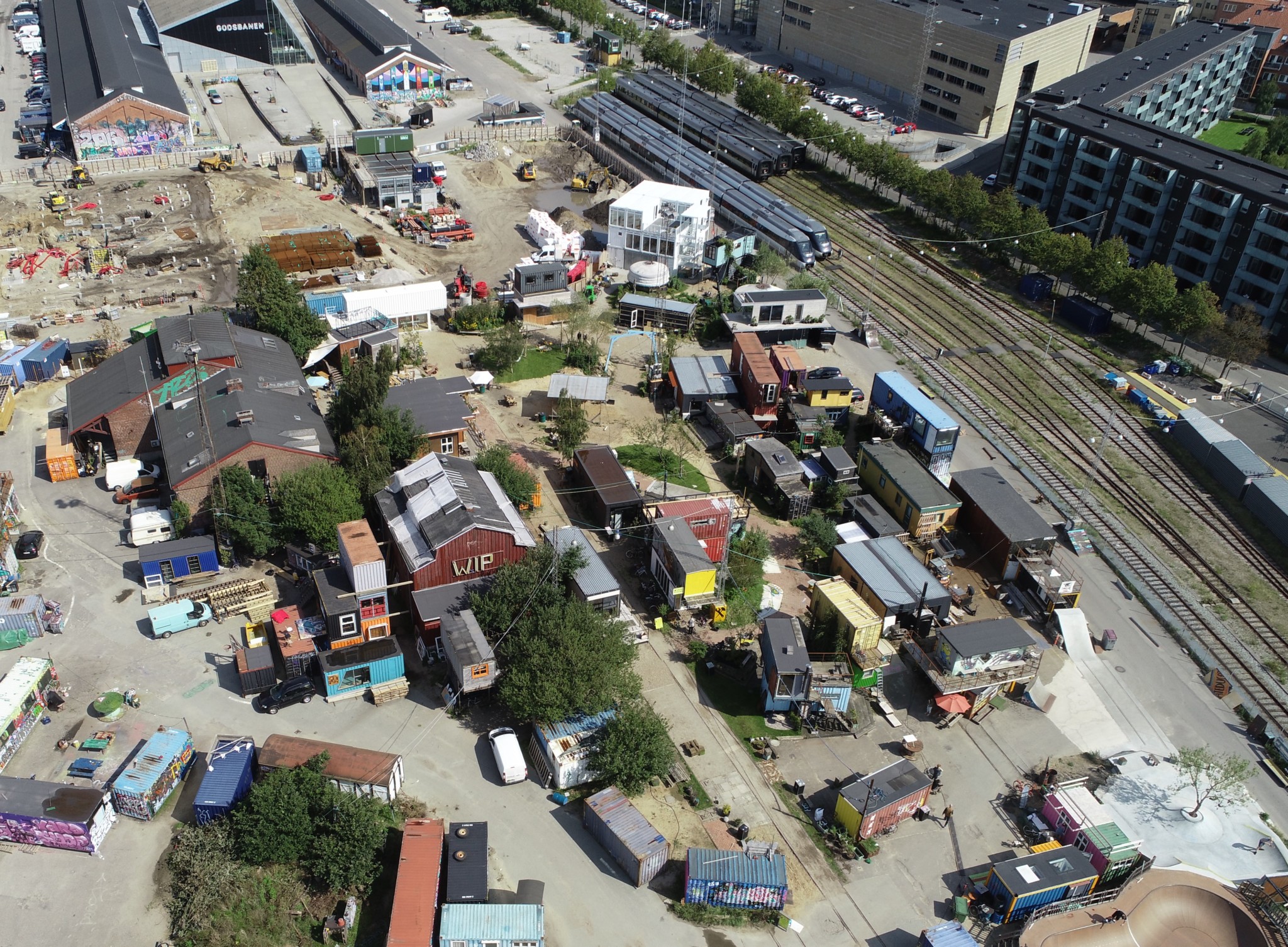
Figure 30
The Institute for (X) is a cultural and educational platform founded in 2009, as an independent and non-profit cultural association. The initiative emerged from citizen initiatives in a central area in Aarhus, where designers, musicians, artists, entrepreneurs, and craftsmen work side by side. The area houses workshops and office spaces created by about 90 projects, 50 companies, and 35 associations, engaging around 400 members. Institute for (X)’s purpose is to facilitate cultural and creative grassroots initiatives in Aarhus and contribute to creating a more inclusive city, with a particular focus on social environments. (X) also actively collaborates with Aarhus municipality to promote the city’s overall development, and the city's Architecture School moved there as neighbors a few years ago, fostering significant exchange.
The Wins
The experts have throughout the process pointed towards a number of benefits which they anticipate as a positive side effect that will arise when more focus is given to sustainable densification, optimizing existing building stock, diversifying property ownership, supporting community-driven initiatives, and fostering flexibility in regulation, offers several significant societal benefits:
Reduced Environmental Impact: Sustainable densification and the optimization of existing building stock reduce per capita emissions by minimizing the need for new construction, which is resource intensive. This approach also supports the reuse and adaptation of existing structures, contributing to a lower carbon footprint and more efficient land use.
Strengthened Social Cohesion: By fostering social connectivity through well-designed communal spaces and collective infrastructure, sustainable densification addresses the growing challenge of loneliness. Encouraging community-driven initiatives and diverse ownership structures, such as cooperatives, further enhances social bonds and a sense of belonging among residents.
Economic Revitalization of Rural Areas: Optimizing underutilized spaces, particularly in rural areas, breathes new life into communities at risk of decline. Reducing unused square meters and repurposing existing buildings helps prevent the emergence of "ghost towns" and supports local economies by creating new opportunities for investment and development.
Promotion of Cultural and Aesthetic Diversity: Providing flexibility in regulations allows for the use of local and traditional materials, preserving cultural heritage and promoting regional aesthetics. This approach not only enriches the visual landscape but also supports local industries and craftsmanship, contributing to cultural sustainability.
Increased Resilience and Climate Adaptation: Integrating landscape and climate adaptation strategies into all projects ensures that communities are better prepared for the impacts of climate change. By aligning development with environmental sustainability and using municipal land ownership to control housing types, these measures contribute to the creation of resilient, future-proof communities.
The objective is to see water and adaptation as an opportunity to create multiple benefits in urban landscapes, attending to both human and non-human species.- Katrina Wiberg, Landscape architect, Associate Prof, Aarhus School of Architecture, Arkitektskolen Aarhus

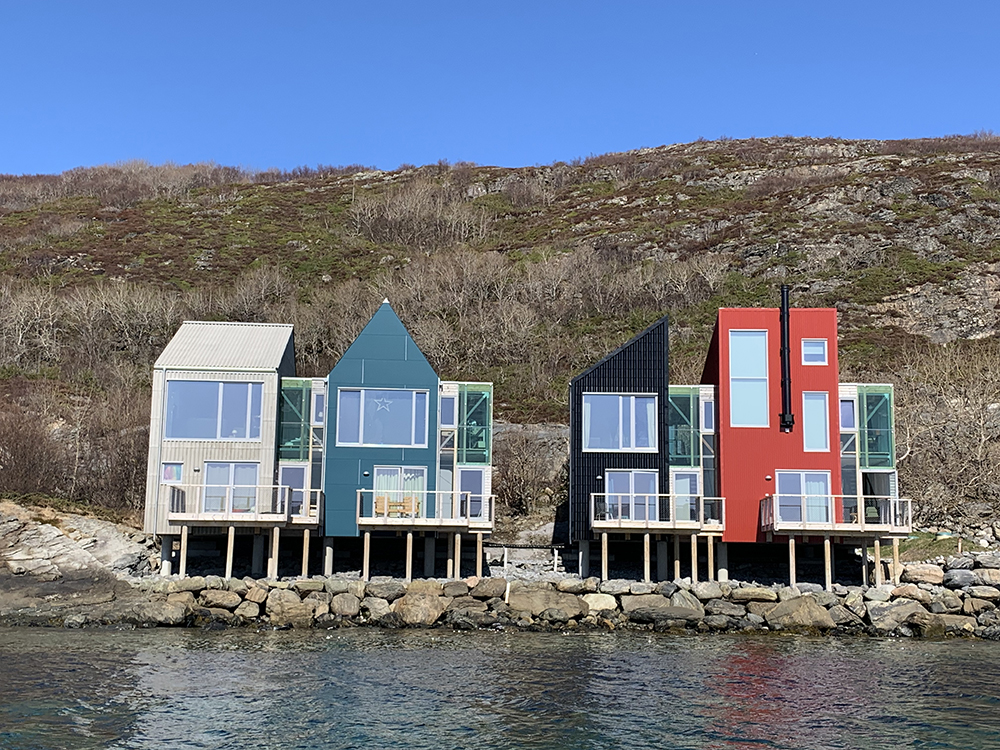
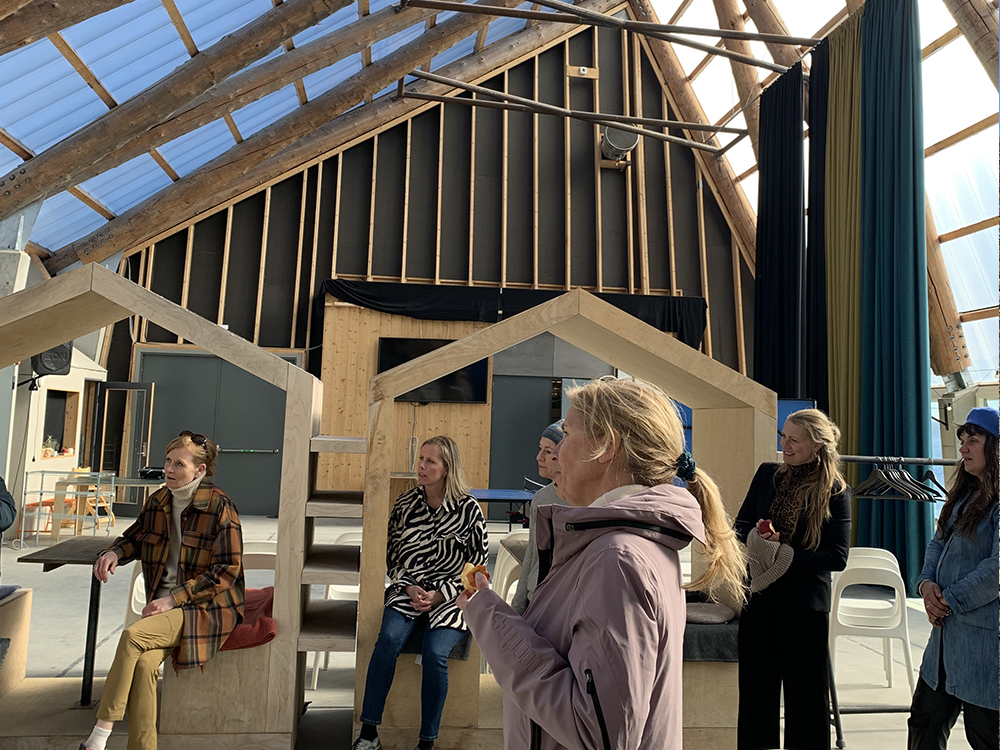
Stokkøya is a small island on the West coast of Central Norway. The inhabitants here have decided to revive their community and founded Bygda 2.0 as a frame for developing a sustainable, modern and attractive small village that brings the virtues of the city together with the beauty and simplicity of rural life. Together, they have created a "microcity" that focusses on architecture, meeting places, food, art and culture.
Bygda 2.0 works for a social, ecological and economic development of the district, which can contribute to increasing the amount of people choosing the village as a place to live and work. The project aims to create a dynamic context for life, businesses and research activities, artists-in-projects as well as encourage economic equality economy. The building Bygdaboxen serves as the community center for the islanders.
Recommendations, Underrepresented Interests in Architecture
Background
The ground beneath our feet is not just a physical foundation but a critical resource that has sustained human civilization throughout history. However, in the contemporary context, this resource is increasingly under threat due to conflicting interests, both in the fields of architecture and land use planning and in the field of agriculture.
The scarcity of cultivable soil, compounded by the pressures of urbanization and industrialization, has highlighted the paradoxical relationship between land and power. The loss of land is often equated with a loss of power, yet the true value of land extends far beyond its surface, deeply intertwined with ecosystems that support life.
In the current practice of democracy, the concerns of non-human entities such as nature, the planet, the biosphere, and animal populations which are all crucial for the long-term well-being and sustainability of human life, often take a backseat to the immediate interests of the electorate. Priorities like tax reforms, employment policy, infrastructure improvements, healthcare, and social services tend to dominate attention during elections and democratic decision-making processes.
While we have lately started seeing growing focus and ambition on the area with for instance the recent passing of the EU Nature restoration Law, the establishment of councils and committees, and the integration of sustainable development goals to ensure the incorporation of long-term interests into legislation and decision-making, there are instances where economic considerations, driven by GDP growth or specific industry interests, overshadow these concerns. This tends to lead to a disproportionate emphasis on short-term gains at the expense of long-term sustainability in applied policy.
To address these challenges, we need new models of knowledge that can help us understand and visualize the complex interactions between human activity and natural systems. Visualization, as a tool, plays a crucial role in making these interactions visible, allowing us to grasp the scale of human interventions and their consequences.
As demonstrated in recent studies and documentaries, the misuse of land under the guise of sustainable development has been laid bare, revealing the urgent need for informed and wise decision-making based on trusted research. The future of our life on this planet depends on our ability to balance immediate human needs with the long-term sustainability of the natural processes in our biosphere.
The more you study soil issues, it becomes clear that the situation is quite alarming. (...) Consumers should know more about the effect of soil use on the climate impact of products which is currently not fully included in life cycle analyses.- Kristiina Lång, Research Professor, Natural Resources Institute Finland (Luke)

Cultural Paradigm Shift
Cultural Shift through lifelong Training in Systems Thinking
Develop educational programs and awareness campaigns to foster a cultural shift, emphasizing the emotional and cultural importance of nature. Make sure that training in systemic thinking and the understanding of long-term consequences of current actions become part of curricula in everything from elementary school to post-graduate education.
Sector: State-level policy, elementary school, high school, higher education, research, civil society
From Human-centric to Life-centric Design Policies
Advocate for a shift from human-centric to life-centric design and architecture. In policy making make sure that the importance of giving space back to biodiversity, promoting sustainable practices that prioritize the well-being of all forms of life is designed into all processes.
Promote urban development strategies that integrate nature-based solutions (NBS) to restore balance between human activities and natural ecosystems. This includes prioritizing water management, forest conservation, and enhancing living conditions for all species. Urban planning should begin with understanding the land’s ecological prerequisites and involve local communities in the process.
Sector: State-level policy, elementary school, high school, higher education, research.
We need to shift from working with what's called Human-centric architecture to Life-centric architecture. Humanity has placed itself at the centre of design and architecture, displacing other forms of life. We must give space back to biodiversity.- Signe Kongebro, Henning Larsen Architects

Public Awareness and Community Engagement
Promote public awareness campaigns and facilitate community involvement in the planning process to ensure that construction projects are aligned with local ecological conditions and needs. Engaging communities helps build support for biodiversity-friendly development and ensures projects are socially and environmentally responsible.
Sector: State- and municipal policy, civil society
Regenerative Development and Procurement Practices
Encourage governments and municipalities to adopt procurement policies that prioritize regenerative development and resource efficiency. Policies should align economic incentives with environmental objectives, ensuring that development projects support ecosystem restoration and long-term sustainability.
Implement site-specific, synergetic approaches to urban and rural development that enhance natural processes. This involves detailed ecological research and the use of innovative, localized methods to promote biodiversity and long-term ecological health.
Sector: State- and municipal policy
Democratic Integration of the Interests of Future Generations
Platforms for Serious Youth Inclusion in all Policy Design Processes
Create platforms for meaningful youth inclusion in decision-making processes related to architecture and construction. Provide speaking opportunities, influence, and power to the younger generation, recognizing their ideas, energy, and willingness to drive positive change.
Sector: State- and municipal policy, civil society
Actively Involve the Youth in Decision-making Processes Related to Sustainability in Construction
Establish platforms for the younger generation to contribute ideas and energy. Include their perspectives in legislation and policy discussions through a much higher degree of user/citizen involvement in decision making processes and design of legislation. Make sure that there is a significant representation of youth in all citizen/stakeholder involvement processes.
Sector: State- and municipal policy, civil society
We, the youth would love to join in. We just don’t have the mandate, power and privilege to influence that you have. So please include us! We have the ideas, the energy and the will to change how we live. Ask us. Give us speaking time! Then step up and use your influence and power to change the world instead of waiting for us to change it.- Frida Roper, Student, Circular Engineering, Maastricht University, Netherlands
Democratic Representation of the Interests of Non-human Entities
Two-way-trust between Government and Citizens/Stakeholders
Re-evaluate and reinforce existing legislative tools that support long term interests. Recognizing that the replacement of older governance models has often led to a neglect of fundamental principles, there is a need to empower the revitalization of democratic ideals. This approach acknowledges that the effectiveness of governance is closely connected and dependent on the trust between the government and its citizens. Therefore, efforts should be directed towards restoring the government's faith in its own public and fostering a renewed commitment to building legislation on the citizens rather than on market- and financial interests.
Sector: State- and municipal policy, civil society
It takes a long time to pass good legislation. Making the best of the legislation we have, will in many cases get us to where we need to be faster. Many of our current problems can be traced back to a government’s lost faith in its own public.- Ove Kenneth Nodland, Senior Manager, Sustainable procurement, Inventura Advokat, Norway

Serious Integration of Consideration for Planetary Boundaries in All Legislation
Current construction legislation addresses a wide array of factors crucial for ensuring safety, health, and accessibility. While these aspects are undeniably important, they often take precedence over concerns related to planetary boundaries. These include a need for reduced material use, a shift to biobased materials and an increase of using existing materials. The biggest threat to our health and safety, however, is climate change and the subsequent collapse of the natural systems which sustain human life. Therefore, it is crucial that we introduce a taxonomy or hierarchy in requirements and legislative considerations emphasizing the overarching priority of adhering to planetary boundaries. Whether it pertains to the administration of fire regulations, ensuring accessibility, or safeguarding health, all considerations should be approached in a manner that respects and aligns with planetary boundaries.
Sector: State- and municipal policy
From Consumerism to Immaterial Growth
Data shows that our way of measuring personal success and wellbeing based on a person’s accumulated wealth or financial possessions is indeed not accurate. In a world that will require downsizing and degrowth there is a need to reimagine what we define as “good life” within planetary boundaries.
As part of this work, there is a need to redefine the notion of “value” beyond monetary terms when it comes to adjust investment incentives in the construction sector and to expand the utilisation rate of existing buildings.
Sector: Education, philanthropy and culture, civil society
At the end of this road towards sustainability we will probably arrive at de-growth and significantly reduced consumption by individuals, organisations and governments.- Pasi Aalto, Centre Director NTNU Wood, Department of Architecture and Technology, Norwegian University of Science and Technology

Biospehere Protection and Land Use
Enhanced Legal Frameworks for Land Protection
Advocate for the strengthening of legal protections for land and natural resources, particularly in regions where current laws favor exploitation over conservation. Local and national policies should incorporate comprehensive planning that prioritizes long-term sustainability and ecosystem services over short-term economic gains.
Sector: Cross-national, state- and municipal policy
Soil Sustainability and Regenerative Agriculture
Promote regenerative agriculture practices that maintain and enhance soil fertility, with a focus on integrating broader ecosystem services into land use planning. National and EU-level policies should support the protection of agricultural soil, learning from successful models in countries like Germany and the Netherlands.
Sector: Cross-national, state- and municipal policy
EU and Nordic Collaboration for Sustainable Land Use
Strengthen collaboration within the EU and Nordic regions to adopt and implement stringent land protection measures. The Nordic countries should align more actively with EU policies to enhance land protection and ensure sustainable management of natural resources in the face of climate change.
Sector: EU-, state- and municipal policy
Climate Adaptation and Water Management
Integrate climate adaptation strategies into urban and coastal planning, particularly in areas vulnerable to rising sea levels and storm surges. Encourage the adoption of blue-green infrastructure and nature-based solutions to manage water-related challenges, enhance spatial resilience, and provide multifunctional benefits.
Include the valuation of ecosystem services, such as flood protection and pollination, in local and national economic calculations. Policies should reflect the long-term benefits of preserving these services, counterbalancing the tendency to prioritize short-term financial gains.
Sector: Cross-national, state- and municipal policy
It is all about a change of values. We need to make decisions today that will be responsible also for our great grandchildren.- Matti Kuittinen, Associate Professor, Aalto University
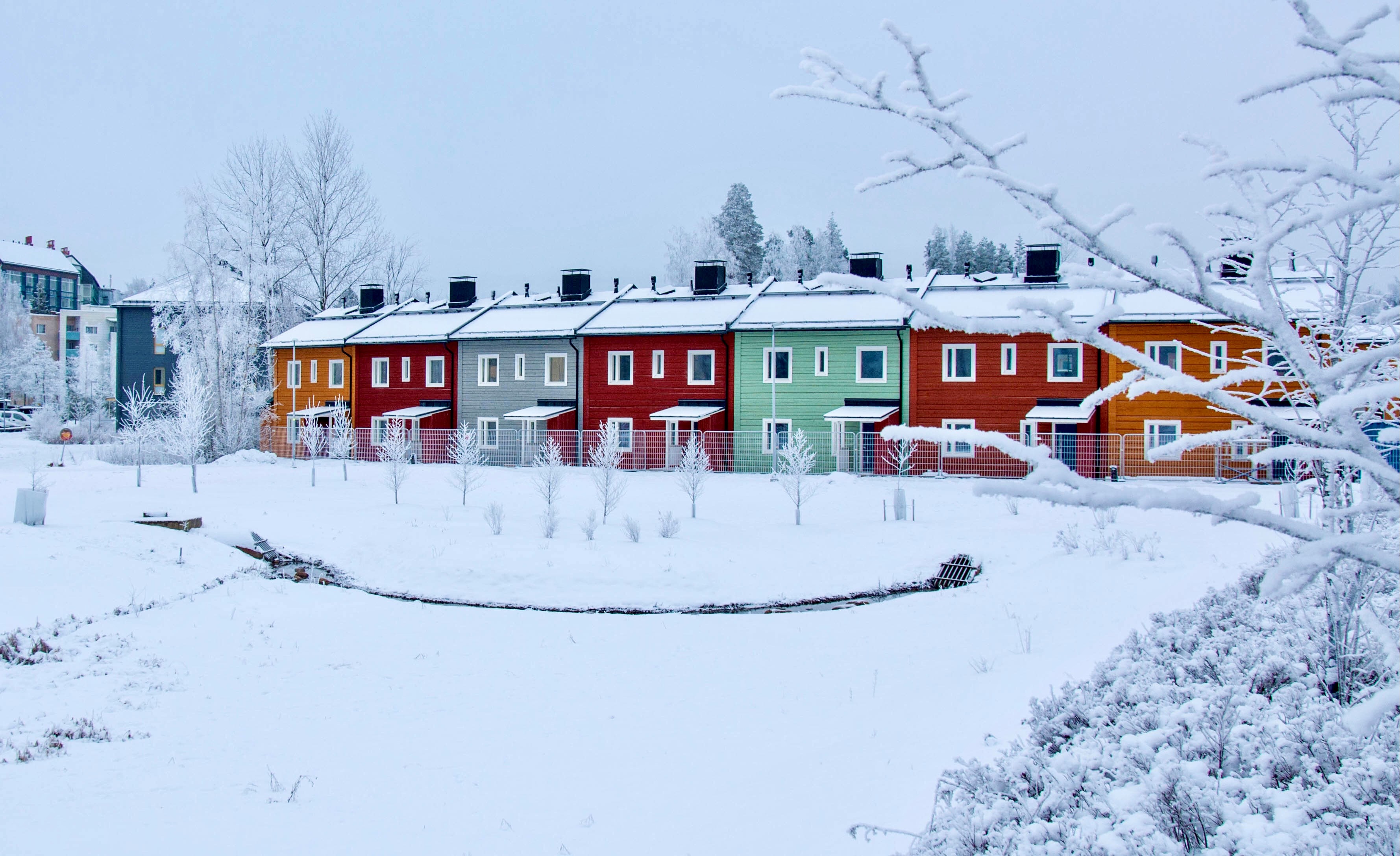
The traditional Finnish log construction technique, known for its handcrafted quality, is an ideal approach for Paris Proof building standards. This method uses simple, natural, minimally processed timber, which boasts a high carbon storage capacity and low embodied carbon. Buildings constructed with this technique are fully reusable, either as individual components or as a whole structure. In today's context, this modular method is more relevant than ever, offering effective solutions to meet current and future climate targets in construction.
In 2023, Rakennusasiantoimisto Aarre Oy completed a pilot project in Helsinki: a row house consisting of seven homes (Haapaperhosentie 27, Helsinki). Remarkably, the project's carbon handprint is twice as large as its carbon footprint (embodied carbon). Despite its raw timber ("Bois Brut") architectural style, the project was voted “the Most Beautiful Newbuild” of 2022
The Wins
The experts we consulted have highlighted several advantages that could arise from implementing these recommendations, including enhanced environmental sustainability, increased public awareness, resilient economies, inclusive decision-making, and a cultural shift towards long-term ecological health.
Environmental Sustainability: The obvious win from shifting from human-centric to life-centric design policies and integrating nature-based solutions, urban development can harmonize with natural ecosystems would lead to healthier environments, improved biodiversity, and a reduction in carbon emissions, contributing to the fight against climate change.
Enhanced Public Awareness and Inclusive Decision Making: By creating platforms for meaningful youth involvement and ensuring democratic representation of non-human entities, policies would better reflect the long-term interests of society, including future generations. This would result in a democratic landscape shaped by an electorate better trained and equipped to using their democratic rights in a way that benefits their own long-term interests through more informed and active citizen participation in sustainable development, fostering a collective responsibility towards the environment
Resilient Economies: Encouraging regenerative development and resource-efficient procurement practices can align economic activities with environmental objectives. This would not only mitigate environmental impacts but also create stable, green jobs and stimulate innovation in sustainable technologies.
Cultural and Educational Transformation: Implementing lifelong training in systems thinking and integrating sustainability into educational curricula can cultivate a cultural shift towards valuing long-term ecological health over short-term gains. This would help society transition to more sustainable practices in everyday life and decision-making.
Renewed Relevance of Democracy as a System: Democracy exists in various degrees or shades of democratic representation of the population. Our democratic system is a very young form of governance and to grow old, it will need to revise it and constantly update it to match current reality. The climate- and biodiversity crisis is an opportunity to reform and update our democratic system to be functional both in a global, regional and national context.
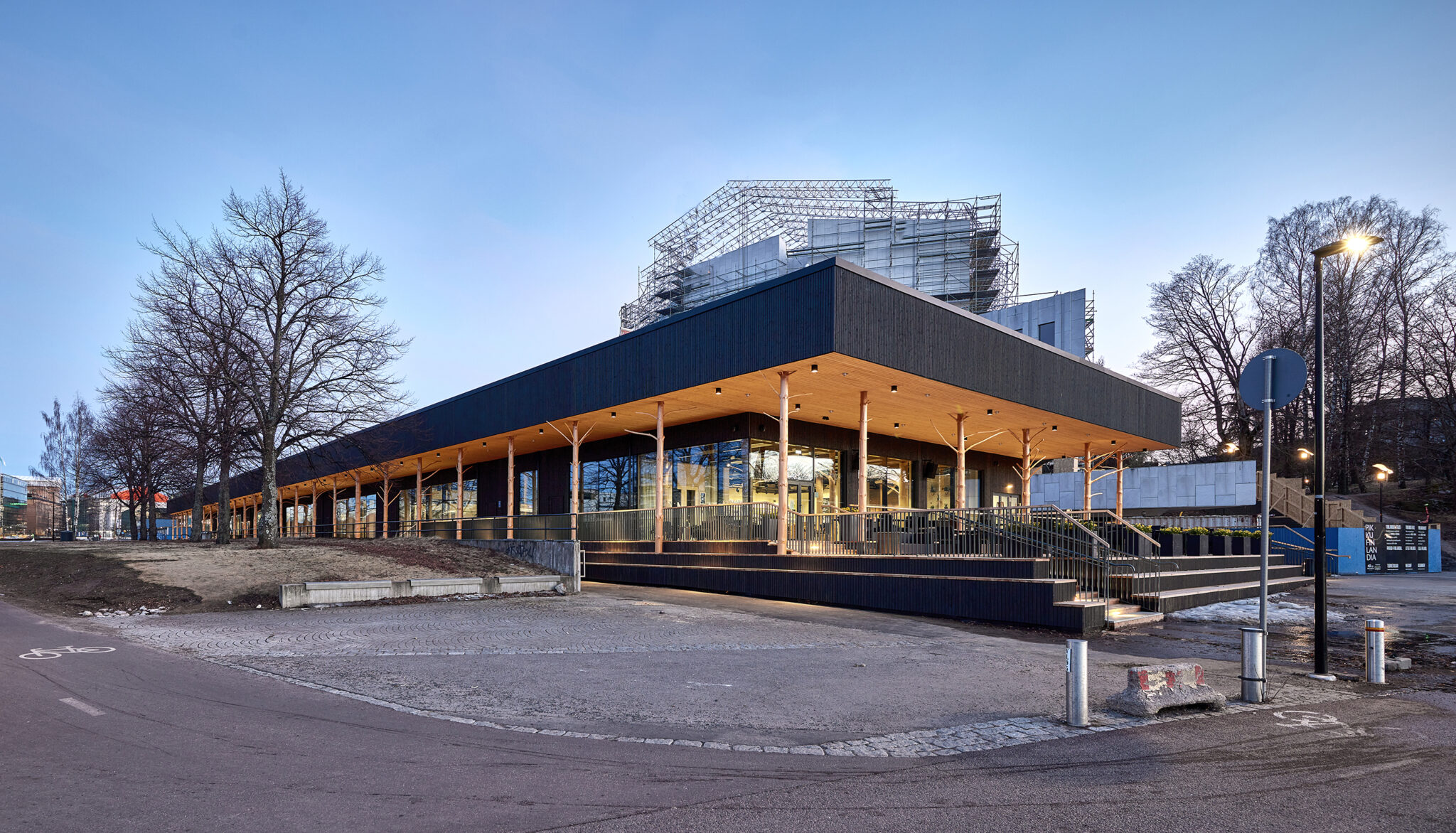
Pikku-Finlandia is a temporary event center that will be used during the refurbishment of Finlandia Hall. After this, it will be moved to another location, to be used for example as a school or kindergarten. The building was designed by a group of architecture students from Aalto University as part of their studies. For its size and architecture, Pikku-Finlandia is an exceptionally ambitious example of a building designed for reuse. It also demonstrates that architecture students have the ability to carry out such a large and complex construction project. The building is made up of prefabricated, wooden modules, as a result of which it can be moved to a new location. The systematic structure enables several different uses and ways to position the building on different plots.
Pikku-Finlandia Studio (Jaakko Torvinen, Havu Järvelä, Elli Wendelin), City of Helsinki
Pikku-Finlandia Studio (Jaakko Torvinen, Havu Järvelä, Elli Wendelin), City of Helsinki
Recommendations, Legislation for Sustainable Architecture
Background
The development of EU- and national policies increasingly supports the reuse of construction products by improving data quality, reporting, waste management, energy performance, etc. However, the reuse of construction products is still not directly required but rather, are presented as guidelines for optional initiatives. Apart from the lack of political push, the complex network of policies, originally designed with other objectives such as fire safety, structural integrity, energy performance in the use phase, acoustic properties, accessibility and safety in mind, unintentionally influence the opportunities for reusing construction products and building components and indirectly affect the market and building culture in a status quo reinforcing direction.
The report "Policies Enabling the Reuse of Construction Products in the Nordics " (norden.org) identifies and describes a number of these barriers to adopting reused or uncertified biobased materials in Nordic and EU legislation.
Often these undeniably important considerations stand in the way of other considerations such as reduced carbon emissions per square meter. An example could be that safety considerations often require increased material use per quare meter and with this, increased environmental footprint. Furthermore, there are few or no incentives or support mechanisms to promote circular business models in place in the Nordics and EU.
Barriers and incentives for circular business models are described in the report “Circular Business Models in the Nordic Manufacturing Industry – Current Status and development” written by Accenture as part of the program Circular Business Models by Nordic Innovation.
To remove some of these barriers there is a need to review and design legislation in a holistic way considering all interdependent considerations and bringing in the “end-users” of the legislation in the design process to ensure efficiency and to screen for unintended barriers.
As the European Union shifts priorities with the European Green Deal, there is a good moment to enhance legislative support for reusing construction products. The Nordic countries can capitalize on this by fostering collaboration and innovation on systems, incentive structures and business models for a more efficient retrieving, storing and redistributing of existing material resources, particularly by harmonizing policies, methodologies, and definitions related to reusing construction products.
We know the building industry is accelerating the biodiversity crisis, but we don't yet have the right knowledge foundation or legislation in place to mitigate further destruction(...) We live on a finite planet, and we have a global economic system that is dependent on unsustainable growth. This is the root cause of all our issues.” (...) “there is a tendency to make decisions to protect ourselves here and now, without considering the long-term implications of continuing with business-as-usual.- Dani Hill-Hansen, Reduction Roadmap, Sustainable Design Engineer and Architect at EFFEKT, project manager and team member of the Reduction Roadmap initiative

Level Playing field with Planetary Boundaries at the Centre
From Consumerism to Immaterial Growth
Data shows that our way of measuring personal success and wellbeing based on a person’s accumulated wealth or financial possessions is indeed not accurate. In a world that will require downsizing and degrowth there is a need to reimagine what we define as "good life" within planetary boundaries. As part of this work, there is a need to redefine the notion of "value" beyond monetary terms when it comes to adjusting investment incentives in the construction sector and to expanding the utilization rate of existing buildings. This requires research, education on all levels and outreach work to reimagine a new cultural acceptance of a paradigm where immaterial values such as social capital, personal time and sufficiency rank higher than wealth and material accumulation.
Sector: Research, all levels of education, civil society
All Decision-making and Planning Processes weighed against Long-term Forecasting with Planetary Boundaries at the Center
Balancing short-term project completion and financial return expectations with long-term sustainability goals is a challenge. It is important to prioritize long-term impacts, reduce environmental pressures, and consider the value of the built environment beyond monetary terms. The transition to sustainable construction requires time and societal acceptance.
Sector: cross-national, state- and municipal governance, finance
89 percent of the population are willing to make sacrifices if it helps the climate crisis. What we need is legislation that ensures equal conditions for all actors in the sector!- Signe Wenneberg, Climate activist, speaker, author and journalist, Denmark

Bridging the Data Gap to Pave the Way for Informed, Long-term Decision Making
There is a lack of data on emissions and biodiversity impacts of construction. Widespread knowledge about sustainable solutions is also lacking. Addressing these gaps is crucial for informed decision-making. This includes separating actual emissions from compensatory actions and improving control of waste from the construction industry. The key word here is prioritization. We could have this data readily available within a couple of years if the effort is prioritized and allocated. Examining and documenting the existing building stock is an essential prerequisite for transitioning to a circular economy. Better control and reduction of waste from the construction industry is also necessary.
Sector: Cross-national, state- and municipal governance
Re-evaluation of Construction Necessity
Implement stringent climate requirements for existing buildings. Prioritize renovation and repurposing over new construction, particularly in regions with stable populations.
Encourage policies that prioritize rethinking the need to build. Promote alternatives like renovation and repurposing to avoid unnecessary construction, reducing environmental impact.
Sector: Cross-national, state- and municipal governance
Strengthen Legal Protections for Critical Land and Ecosystems
Reform legal frameworks to ensure stronger protections for land with high biodiversity value, including agricultural soils and natural habitats. This is closely in line with the EU Nature conservation law and includes implementing stricter regulations on land conversion and prioritizing land use that maintains or enhances ecosystem services.
Sector: Cross-national, state- and municipal governance
User Involvement and Continuous Review and Revision in Policy Development
Co-design and Direct Involvement of Affected Users in Policy Development and Legislation Processes
Establish a mechanism for continuous review and revision of the legislation both across ministries and in collaboration with the users or affected parties of the legislation in question to ensure continuously adapting to evolving sustainability standards, advances in science, innovation and data to pave the way for up-to-date and best practices in the construction industry.
Encourage institutions to become more agile in response to rapid changes and evolving scientific knowledge, ensuring that policies remain effective in addressing the climate crisis.
Sector: Cross-national, state- and municipal governance, finance, civil society
Even in the prospect of a violently changed and uninhabitable world, we find ourselves agreeing more on our existing economical system than we agree on anything else – even saving the planet.- Nel Schipull, Architect MAA, DGNB-Auditor, Ph.D., partner at Vandkunsten Architects

Review Individual Pieces of Legislation in Connection to Each Other considering all Interdependent Consequences to Screen for Unintended Barriers towards a Primary focus on Planetary Boundaries
Review individual pieces of legislation in connection to each other considering all interdependent consequences to screen for unintended barriers to the overarching consideration which should be dedicated to emissions reduction and planetary boundaries. This should be done in close collaboration with the “end-users” of the legislation to ensure accurate mapping of barriers and pitfalls. Review and potential redesign of legislation should be done in close collaboration with affected stakeholders.
Sector: All legislation processes
Our ministries should talk more to each other. Agricultural and forestry ministries are responsible for most of the regulation of land use. But the ministries for Building and infrastructure, the Ministry of Environment, and the Ministries for Energy systems – all of these are related to land use.- Kristiina Lång, Research Professor, Natural Resources Institute Finland (Luke)

Pave the way for Known Solutions and Existing Materials
Design Effective Systems and Business Models for Used Material Recirculation and Distribution
Establish mechanisms to provide an overview of reusable resources. Encourage innovation by creating opportunities for testing and developing new solutions and business models for disassembly, sorting, storage and redistribution of used building components and materials. Create and enforce regulations that prioritize the reuse of materials, reducing reliance on new resources. Streamline processes like CE marking to enhance the value of reused materials.
Sector: Cross-national, state- and municipal governance, research, higher education, finance
Regarding reused materials, the major challenge will be with suppliers. We need to have an overview of quality, safety, and what is available.- Poul-Erik Olsen, CG Jensen
No time for reinventing the wheel – pave the way for the use of existing and known sustainable solutions and materials at scale
Prioritize problem-solving over the development of new tools, standards, legislation, and innovations. Focus on clearing the way for implementing sustainable solutions and materials that are already known and effective but currently cannot enter or re-enter the market at scale. This can be done through smoother paths to certification, fire- and safety testing and market approval.
Sector: All legislation processes
Ensuring Accountability in Emissions Reporting
Total Emissions Integrated in LCA
Include demolitions in the life cycle assessment (LCA) for new construction. Although demolitions account for 6-20% of the construction
Mandate the documentation of total greenhouse gas emissions for new construction to promote circular practices. This requirement encourages the use of low-carbon materials and promotes renovation. In cases where Environmental Product Declarations (EPDs) for reused construction products are unavailable, assigning zero emissions to relevant life cycle assessment modules, rather than assuming similar emissions to new products, prevents disincentivizing reuse.
Sector: Cross-national, state- and municipal governance
Transparent Standards, Mitigating External Influence
Establish transparent and unbiased standards for calculating product emissions to counter the undue influence of external factors, such as special interests of large industry players. Prohibit the use of offsetting as a means to artificially adjust the footprint of emissions-heavy products, ensuring accuracy and accountability in emissions reporting.
Sector: Cross-national, state- and municipal governance
Legislation can never be an excuse to not achieve quality of the built environment. You have to find solutions for problems, and this is what architects do.- Ruth Schagemann, President of the Architects’ Council of Europe (ACE)

Incentivize Transformation rather than New Construction
Tax on Carbon for Building Materials and Building Permits
Implement a unified taxation framework that treats renovation and new construction equally to incentivize the transformation of existing building mass over demolition to avoid disproportionate tax burdens on transformation processes of existing buildings compared to new construction where the empty plot is not taxed until the building is brought into use. The tax system should provide economic incentives for projects that prioritize reuse and renovation.
Sector: Cross-national, state- and municipal governance, finance
We seriously need to reconsider the premises of architecture. We should design buildings for people, but not at any cost. Not at the expense of the planet and biodiversity. We must build less. Architecture will not be about building new buildings but about using the buildings we already have.- Matti Kuittinen, Associate Professor, Aalto University
Price Regulation for Reused Materials
Introduce distinct policies and incentives to help the manufacturing industries put circular economy higher up on their business agenda, e.g., incentives for using recyclable materials in production. This could be done by lowering the price of recycled material and demand sourcing companies to document the content of material to trace the level of recycled material.
Sector: Cross-national, state- and municipal governance, finance
Economic Benefits to Incentivize Building Owners to Preserve Buildings
State level needs to apply a framework-based approach to legislation that will allow municipalities freedom to give room for new practices to respect the principle of place-based development for instance to eliminate the coverage fee for property owners during renovation projects, both in the development and construction phases, so it is at level with new construction. Additional incentives such as reduced VAT or an extended deduction scheme can also contribute to supporting the transition.
Sector: Cross-national, state- and municipal governance, finance
Safety and Risk
Hierarchy of Considerations with Priority to Planetary Boundaries before All Else
Set a balance between safety levels and resource input in construction. Establish standards that ensure the highest possible safety without excessive resource requirements. Consider planetary boundaries as the primary consideration when determining safety levels in construction.
Integrate environmental performance and sustainability criteria throughout the life cycle of products by expanding harmonized standards for specific product categories and developing specialized harmonized technical specifications that specifically address reused products.
Sector: Cross-national, state- and municipal governance, research, finance
Nordic Collaborations and Harmonization
Foster collaborations among cross-Nordic organizations and promote shared approaches to standards. Develop common supplier markets, shared solutions, and maximum CO2 standards per square meter to overcome hindrances to innovation caused by different practices in various countries.
Sector: Cross-national, state- and municipal governance
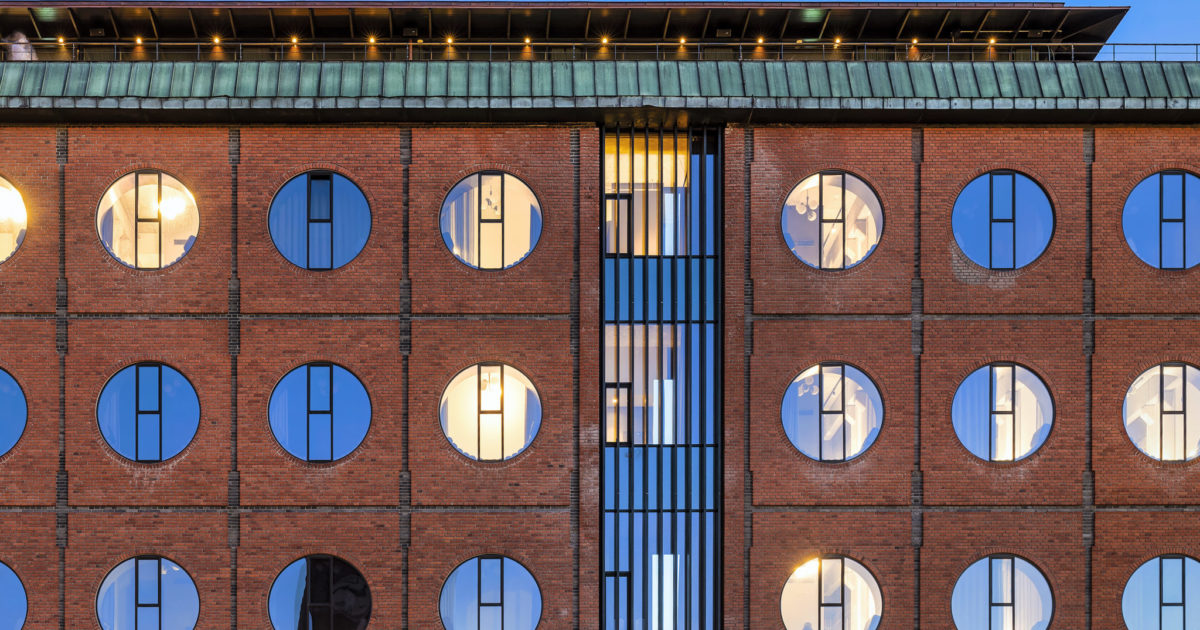
Hotel Ottilia, Carlsberg City, Copenhagen, Denmark.
Two of Carlsberg City's most distinctive buildings, Maltmagasinet, originally designed by Vilhelm Dahlerup in the 1880s, and Lagerkælder 3, designed by Svenn Eske Kristensen in the 1960s, form the framework of Hotel Ottilia today after an extensive transformation. These distinctive historic buildings have been meticulously transformed into a modern luxury hotel with respect for their distinctive features and history. Arkitekt: Arkitema
The Wins
The experts and stakeholders we consulted identified several societal and economic benefits that could arise as side effects of implementing the climate-focused policy recommendations for the construction industry.
Cultural and Heritage Preservation: Prioritizing renovation over new construction helps preserve historical and cultural landmarks, strengthening community identity and ensuring the continuity of cultural heritage.
Innovation and Economic Growth: Emphasizing reuse and recycling stimulates the development of new business models and industries focused on sustainable construction practices. This fosters innovation, creates job opportunities, and drives economic growth within the green economy.
Long-Term Economic Resilience: Aligning construction practices with sustainability goals ensures the industry's resilience to future regulatory and resource-related challenges. This approach can also enhance property values, as buildings that meet high sustainability standards are increasingly in demand.
Accelerating Climate Target Achievement: By implementing these policy recommendations, the Nordic countries can make strides towards meeting their climate targets. This is a critical outcome, as both the electorate and the construction sector itself are increasingly demanding political action on climate issues.
Fostering Innovation and Global Leadership: Establishing a regulatory framework that compels the construction sector to innovate and compete on parameters such as climate and biodiversity goals will position the Nordic construction industry at the cutting edge of global innovation. This will not only advance sustainability in the Nordic region but also create a valuable knowledge base and experience that can be exported globally, enhancing the Nordics' reputation as leaders in sustainable construction...
Road Map – Who Does What?
Stakeholder Roles in Implementing Recommendations for the Nordic Construction Sector
Our current economic system forces us to keep producing because it is based and dependent on GDP growth. It is not possible to decouple emissions and use of resources from growth with the pace needed if we want to reach the Paris Agreement. As the last 40 years have shown us - the green transition cannot be another traditional business adventure where society's output grows as a whole. The politicians´ task is to push and support companies and governments to unfold and produce within planetary boundaries in order for people to access what they need.- Elise Sydendal, Climate Activist in The Green Youth Movement Denmark

The Nordic Council of Ministers
Given that the main focus in the report and the nature of the recommendations are not strictly connected to legislation, but rather to politics that drives cultural changes, the Nordic Council of Ministers can play a central role in forming a frame for action and driving the promotion of these recommendations by setting the direction for innovative policy development and exchange across the Nordic countries. Just like it has been the case for the Nordic Council of Ministers in likeminded cooperation with the New Nordic Food program as one of the most significant and successful efforts in driving cultural changes. The Council of Ministers could develop a framework that aligns with the principles of i.e. sustainability, circular economy, regenerative leadership and ecological balance. This framework could serve as a guiding document for national and municipal governance, helping to inspire and develop good practices across the region. The Council of Ministers can also facilitate cross-border collaborations, enabling the sharing of knowledge, resources, and strategies to ensure that the construction sector in the Nordic countries evolves in a cohesive and sustainable manner in accordance with EU policies and scientific guidelines from the IPCC and similar.
National Government Agencies
National Government Agencies, including relevant ministries such as Environment, Energy, Housing, and Finance, will be instrumental in translating the Nordic Council of Ministers’ framework into actionable policies. Their roles include:
Policy Adjustments: Developing and revising national regulations to integrate sustainability, circular economy principles, and life-centric design into the construction sector. Furthermore, to develop national legislation more in the direction of frameworks allowing for place-based development.
Regulatory Oversight: Ensuring compliance with new standards, particularly in areas such as carbon emissions, material use, and land protection.
Funding Allocations: Allocating financial resources to support innovation, research, and the adoption of sustainable practices. This includes funding for retrofitting existing buildings, promoting biobased materials, and supporting community-driven projects.
Cross-Entity Collaboration: Facilitating collaboration between various government departments, municipalities, research institutions, and the private sector to ensure a coordinated approach to implementing the recommendations.
Municipalities
Municipalities will play a critical role in implementing the recommendations at the local level through:
Permissions and Tendering: Municipalities will need to revise their permission processes to prioritize sustainable practices, such as the reuse of materials, energy efficiency, and landscape integration. They should also include more sustainability criteria in their tendering processes, ensuring that contractors and developers adhere to environmental standards. This should be done in close dialogue with national authorities in order to develop a proper legislative frame for giving this responsibility to the municipalities.
Land-Use Strategies: The legislative framework needs to be developed to allow for municipalities to develop and enforce land-use strategies that promote sustainable urban and rural development. This includes protecting valuable natural areas, encouraging densification in urban areas, and optimizing the use of existing buildings, especially in rural regions.
Community Engagement: Municipalities should actively involve local communities in the planning process, ensuring that development projects align with local needs and ecological conditions. They can also support community-driven initiatives that enhance social infrastructure and promote sustainable living.
Research and Academia
Research institutions and academia are essential in providing the knowledge base and innovation needed to transform the construction sector. The Nordic Cooperation should be active to secure funding and program opportunities in this regard, and the national research council needs to give priority.
Hence, the role of research and academia should include:
Research and Innovation: Conducting research on sustainable construction practices, new materials, and the impacts of construction on biodiversity and climate. This research should be applied to developing new technologies, materials, and processes that reduce the environmental footprint of construction.
Evaluation and Assessment: Providing methodologies and tools to assess the sustainability of buildings and construction practices, including life cycle assessments and environmental impact assessments. They should also update existing tools to incorporate climate, social, and biodiversity challenges.
Collaboration with Industry: Working closely with the private sector to test and refine new sustainable solutions and ensure they are market ready. Academia can also help bridge the gap between theoretical research and practical application.
Education
Education at all levels is crucial for driving the cultural shift needed to change behaviour in housing, construction, and living habits. The recommendations in the field of education should be seen as a practical impact of the Education for Sustainable Development, hence it needs to be integrated in national Education for Sustainable Development strategies.
Elementary and High School: Integrate sustainability and systems thinking into curricula to instil an early understanding of the importance of ecological balance and long-term thinking. This will help develop a generation that values sustainable living.
Vocational Education: Emphasize training in sustainable construction practices, including material reuse, biobased materials, and careful demolition techniques. This will ensure that workers entering the construction industry are equipped with the skills needed for the future. Continued education for the existing construction workforce is also crucial.
Higher Education: Offer specialized courses and degrees focused on sustainable architecture, engineering, and urban planning. Continued education programs should also be available to professionals seeking to update their skills in line with new sustainability standards.
Lifelong Learning: Promote lifelong learning opportunities to ensure that all members of society can contribute to and benefit from the transition to sustainable construction practices.
Private Sector
The private sector is a key driver of innovation and implementation in the construction sector. Their roles include:
Investments in Sustainability: Companies should invest in sustainable technologies, materials, and processes that reduce the environmental impact of construction. This includes developing and promoting biobased materials, modular construction techniques, and energy-efficient designs.
Partnerships: Collaborate with governments, research institutions, and civil society to develop and scale sustainable solutions. This includes participating in pilot projects, contributing to research and development, and sharing best practices.
Corporate Responsibility: Adopt corporate sustainability strategies that align with the recommendations, including reducing carbon emissions, minimizing waste, and prioritizing the reuse of materials. Companies should also be transparent in their reporting on sustainability efforts.
Financial Sector
The financial sector has a significant role in enabling the transition to sustainable construction practices. Their roles include:
Funding and Investment: Provide financing for projects that adhere to sustainability criteria, such as green bonds, loans with favourable terms for sustainable construction, and investment in research and innovation. The financial sector should also support the development of new business models that prioritize circular economy principles.
Risk Management: Integrate sustainability into risk assessment processes, recognizing that projects that do not align with planetary boundaries may pose long-term financial risks. This includes adjusting credit ratings and investment strategies to favour sustainable projects.
Incentivization: Create financial incentives for developers and builders to adopt sustainable practices, such as lower interest rates for projects that meet high environmental standards or tax benefits for using recycled materials.
Civil Society and Communities
Driving social and cultural changes needs to be based on a strong engagement of civil society and citizens. Hence the call for sustainable development is also a call for changing the democratic practices especially with regard to citizens involvement and ownership. The role of the civil society and communities is therefore both as advocates but just as much as partners that need to be involved and given the right and possibility to be responsible.
Civil society and community groups play a crucial role in advocating for the potential of place-based sustainable development. These groups experience the negative consequences of global challenges—such as unsustainable development, climate change, biodiversity loss, and pollution—most directly. Moreover, it is within these communities that a strong sense of pride, fostered through engagement and ownership, emerges as one of the most powerful drivers of change. Hence, civil society plays a strong role for bottom- up activities advocating for and monitoring the implementation of the recommendations. Their roles include:
Advocacy: NGOs and community organizations should advocate for stronger environmental protections, sustainable construction practices, and the inclusion of community voices in planning processes. They can also lobby for policy changes at the local, national, and regional levels.
Monitoring: Civil society can play a watchdog role, ensuring that governments and businesses adhere to sustainability commitments. This includes monitoring the impact of construction projects on local environments and communities and holding stakeholders accountable.
Grassroots Implementation: Communities should be empowered to initiate and lead local projects that align with the recommendations, such as community-driven housing developments, local material banks, and social infrastructure projects. Civil society organizations can provide the necessary support and resources to help these initiatives succeed.
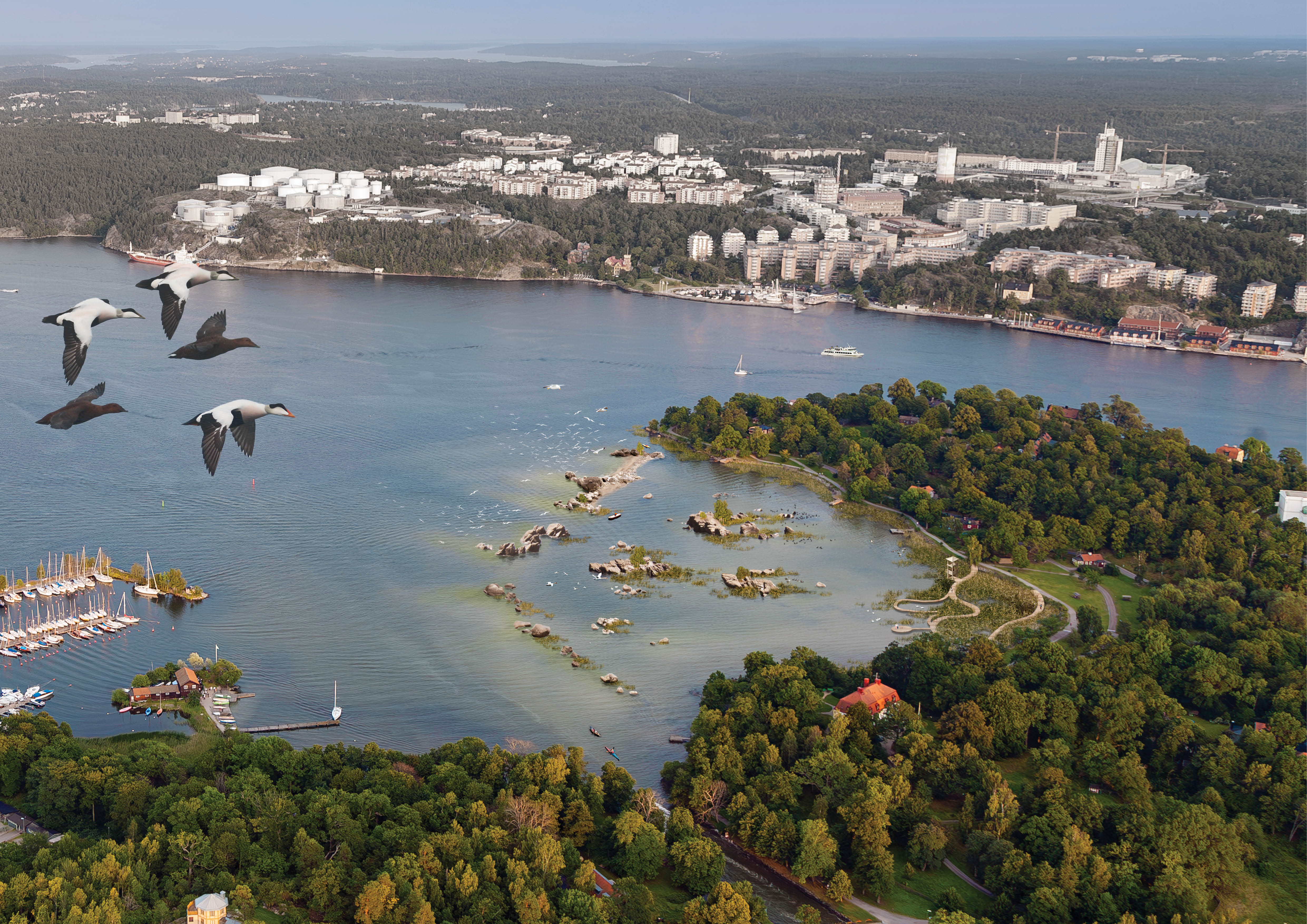
Vision of a new lagoon in Stockholm inner archipelago – Picture Gaia arkitektur