Theoretical starting points
The theoretical perspectives and tools used in this study are feminist constructivist policy analysis, theoretical and conceptual discussion in critical research on men and masculinity, and a triangular model for understanding different orientations and emphases in politics and movements concerning men and masculinity.
Problem – cause – solution
Political scientist Carol Bacchi is a prominent figure in feminist policy analysis and has developed an approach for analysing policy proposals from a constructivist perspective (e.g. Bacchi & Goodwin, 2016). Bacchi argues that we normally identify a social problem and then try to develop solutions to that problem through politics. Gender inequality in the labour market or men’s violence against women are examples of social problems from the field of gender equality policy, and the task of politics is to come up with solutions to these problems. However, Bacchi argues that the descriptions of a problem and its causes are not self-evident, rather they can be understood and constructed in a variety of ways. Policy proposals and action plans introduce solutions, but they also reveal explicit or implicit understandings of the problems and causes they are intended to address. Bacchi and Goodwin give the example of policy proposals to encourage children to become more physically active:
If, for example, activity regimes for children are introduced as a way to reduce childhood “obesity”, the “problem” is constituted as children’s inactivity. By contrast, if regulations are introduced to limit the amount of advertising of fast food during prime time children’s television, the “problem” of “obesity” is represented to be aggressive or, perhaps, even unethical advertising. (Bacchi & Goodwin, 2016: 16–17)
The solutions proposed in policy recommendations are therefore always closely linked to specific understandings of problems and causes. In relation to the issues of gender equality and masculinity that are the focus of this text, one example could be increasing the share of women in male-dominated industries in the labour market: is it understood as a problem of inspiring girls and women to make different educational choices or a problem of breaking down an exclusionary, male-dominated culture? The analysis in this study is based on Bacchi’s critical perspective on how problems, causes and solutions are constructed in policy texts. Particular interest is directed towards the presentation of ‘masculinity’ as a problem: for example, is masculinity primarily an obstacle for women or for men themselves?
Perspectives and concepts in masculinity research
Critical studies of men and masculinity (CSMM) – like gender research as well as humanities and social sciences research in general – is multi-perspectival in nature. This means that despite certain common views and norms (gender is not an uncomplicated biological fact but rather permeated by cultural and social practices in which issues of power and inequality are central), there are ongoing scientific discussions in which different views clash. One example is research on masculinity and men’s violence against women, in which some perspectives focus on how men who have committed violence minimise or justify their actions, while other perspectives emphasise the importance of trying to understand why certain men become violent and how they can change to adopt non-violent behaviours (Berggren et al., 2021).
Also, in the more general discussion about men and masculinity, different perspectives and approaches are taken (Berggren, 2020; Pease, 2025). While some focus on how men as a group reproduce their superiority, favouring concepts such as men’s practices instead of abstractions such as masculinity, others believe it is important to talk about masculinities in the plural to capture differences and disparities within the category of men. While some develop new concepts to capture positive developments, such as inclusive masculinity and caring masculinities (Anderson, 2009; Elliott, 2016), others emphasise that even positive elements can be used in new strategies that actually reproduce inequality in themselves, such as hybrid masculinities (Bridges & Pascoe, 2014). While some want to develop better, more positive and healthier forms of masculinity, others want to break down categorisations and untangle men, masculinity, women and femininity from each other.
This study examines the concepts and metaphors used in the discussions of masculinity within the reports and how the use of concepts in the material relates to scientific discussions of theory and concepts.
Emphases in the politics of masculinity
When it comes to masculinity and politics, sociologist Michael Messner (1997) has developed a useful model to illustrate common differences in focus and emphasis. Messner’s Triangle model was developed based on a study of men’s movements in the United States in the 1990s, but it is also applicable more generally in relation to issues of masculinity and gender equality policy (Hearn, 2024). One corner of the triangle, which focuses on issues of justice between women and men, is labelled stopping men’s privileges/seeking gender justice. The second corner focuses on how norms and ideals of masculinity constrain men themselves, prioritising the costs of masculinity. The third corner focuses on differences between groups of men, highlighting men’s differences. Inspired by masculinity researchers Marie Nordberg (2006) and Keith Pringle (2006), the first two corners are here labelled ‘the problems men create’ and ‘problems men experience’ respectively, which also ties in with Bacchi’s problem focus. The third corner is labelled ‘differences between men’.
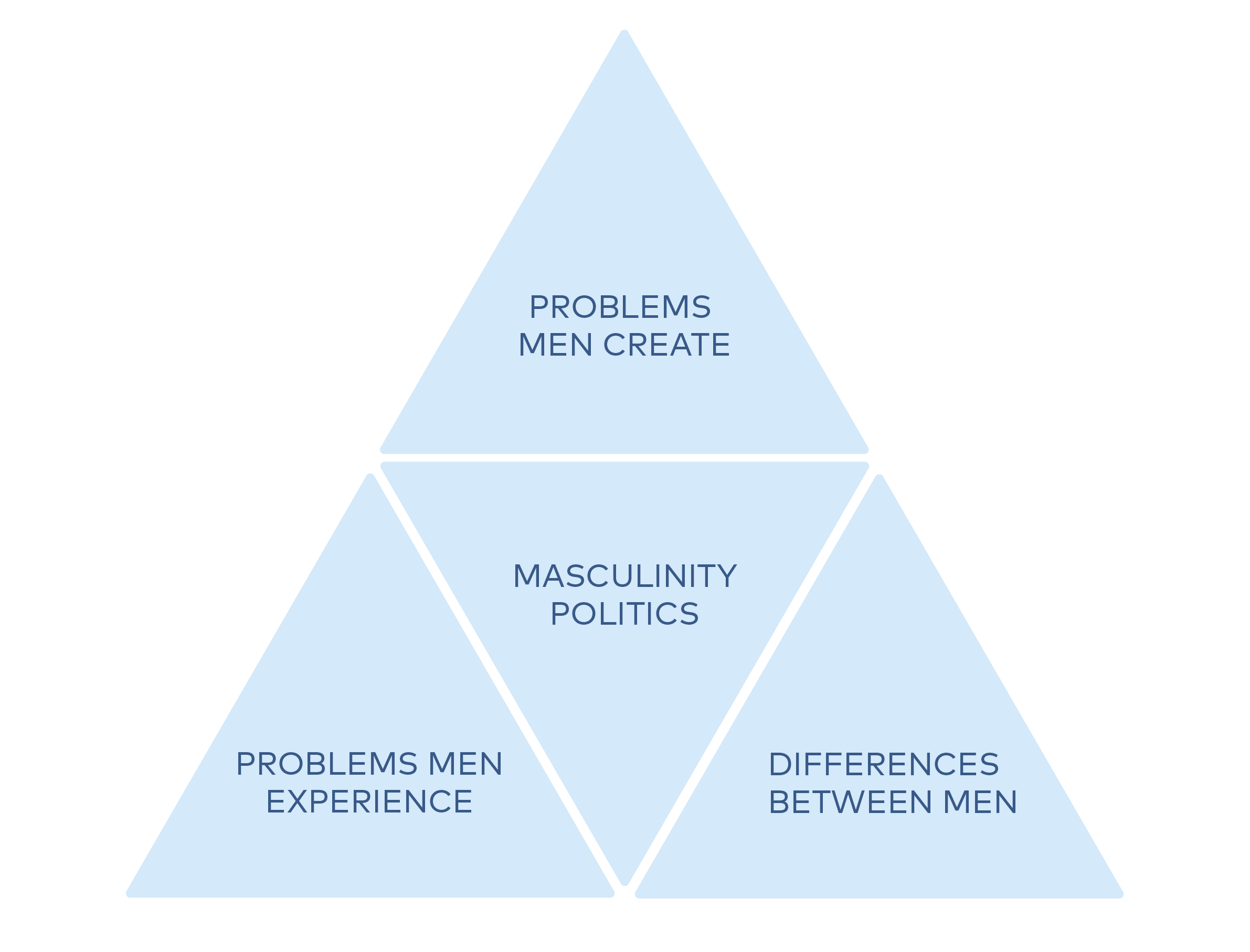
Figure 1. Messner’s Triangle with modified labels
The modified Messner’s Triangle is used in this study to illustrate the differences between interpretations in the report material.
The following sections present the results and analysis divided into two parts:
- The section Naming men and masculinity focuses on how the concepts of men and masculinity are presented in the reports and how the use of these concepts relates to current research.
- The section Emphases of masculinity politics analyses questions of orientation and how masculinity is constructed as a problem.