2. Acute plastic discharges: the problem, types, their composition and sources
2.1 A brief introduction to the problem of plastic pollution and its impacts in general
2.1.1 Amounts, nature, composition and impacts
It is estimated that since 2018, around 359 million tonnes of plastic is produced globally per year (Napper and Thompson, 2020) and it is expected that production will double in the next 20 years (European Commission, 2018; Napper and Thompson, 2020). The OECD states that even in 2019, 460 million tonnes of plastic was produced leading to 353 million tonnes of plastic waste. Of this waste, about 50% ends up in landfill, 22% is not managed at all and only 9% of the plastic waste is recycled (OECD, 2022). The other percentages were not mentioned by the sources. Recent estimates suggest that since 2019, about 22 million tonnes of plastic materials enter the environment each year. Of this amount between 6.1 (OECD, 2022) and 8 million tonnes (Napper and Thompson, 2020) of mismanaged plastic waste enters the oceans every year and there is evidence of increasing quantities over time. A 2021 study estimated that more than 17 million metric tons of plastic enters the oceans, which makes up 85% of marine litter (United Nations, 2022a).
2.1.2 Sources and pathways of plastic pollution
Sources of plastic marine litter are diverse, and can be land-based, riverine, sea-based and even airborne (Mannaart et al, 2019). Most of the sources of plastic waste are land-based, due to the fact that its production, consumption and dumping mainly takes place on land. Landfills, inadequate waste management practices, fly-tipping, domestic and industrial effluents and sewer overflows also play a significant role (Veiga, 2016), both as a source and a pathway. Other sources include untreated municipal sewage, construction and demolition, ship-breaking yards, and agricultural activities (Werner, 2013). The main sources of plastic debris found in the ocean are land-based, coming from urban and storm water runoff, sewer overflows, littering, inadequate waste disposal and management, industrial activities, tyre abrasion, construction and illegal dumping. Ocean-based plastic pollution originates primarily from the fishing industry, nautical activities and aquaculture (IUCN, 2021). A large part of plastic pollution is non-acute. Rivers are the main pathways for the transport of marine litter from land and especially for its land-sea interaction (Mannaart et al., 2019). Meijer et al. (2021) estimates that more than 1000 rivers account for 80% of global annual plastic emissions, which range between 0.8 million and 2.7 million metric tons per year. Of those, small urban rivers are among the most polluting ones.
2.1.3 The Definition of Acute Plastic Pollution
The nature of plastic pollution is presented in the previous section. The focus of this report, however, is on a part of plastic pollution, acute plastic pollution, but what is that actually? The Norwegian Pollution Control Act, chapter 6, paragraph 38, defines acute pollution as follows: “For the purpose of this Act, acute pollution means significant pollution that occurs suddenly and that is not permitted in accordance with provisions set out in or issued pursuant to this Act” (Ministry of Climate and Environment of Norway, 2023). Another definition is: “acute pollution means significant pollution that occurs suddenly and demands immediate response to protect human health and the environment” (Lawinsider, 2023).
An important issue is the size limit of the plastic objects described. One could, for example, apply the 5 mm size limit used for microliter, or leave it out of the description. In the description that is applied in this report this limit is not included, allowing a rather broad range of items to be addressed. Despite the fact that literature often refers to plastic pellets to be causing acute plastic pollution, the definition implies that the objects’ size could include both other small but larger plastic items as well. Concerning smaller objects think of plastic powders and flakes and regarding larger ones, biocarriers are an example. For the purpose of this document, acute plastic pollution is defined as:
Acute Plastic Pollution (APP):
Pollution caused by the sudden and unexpected release of a large amount of small plastic items that requires immediate response to protect human health and/or the environment.
2.2 Acute plastic pollution, emphasizing plastic pellets: the nature of the problem
2.2.1 Nature, composition and amounts
As stated above, a special type of plastic pollution and especially acute plastic pollution is caused by the loss of plastic pellets. Plastic pellets are a specific group of plastic items within the overarching group of marine plastic litter. They are small granules of usually a few millimeters across, so sit readily within the group termed as microplastics. Together with plastic flakes and powders, they are considered to be an industrial raw material. Most of the consumer products made of plastics are comprised of plastic pellets that are melted down, molded, and then remolded into shape as required (Polyvisions, 2022). Plastic pellets are made of refined crude oil and other additives (MARFO, 2022), so they can be composed of a range of plastic types like e.g., polyethylene and many others. The composition of plastic marine litter matters, because this determines a part of the impact on the environment. Plastics Europe state that the most abundant plastic type demand in Europe in 2019 is PE (Polyethylene), in either high, medium or low-density varieties, making up 31% of the total plastic demand (Plastics Europe, 2021). The second most abundant type is PP (Polypropylene, used mostly for packaging materials).
The acute plastic pollution on the shores of Norway and Sweden in 2020 consisted of these PP pellets. Research on the coastal areas around Texas in the USA showed that over 80% of the pellets are made of polyethylene, corroborated by the analysis of the pellets on the beaches of Sri Lanka, after the acute plastic pollution disaster from Motor Vessel X-Press Pearl in 2021 (de Vos et al., 2021). In that case, mostly low- (LDPE) and some high- (HDPE) density polyethylene was found. The rest is mostly polypropylene (PP), polyester, polystyrene, polyethylene-vinyl acetate, and polyvinyl chloride (Jiang et al., 2022). With regard to quantities lost, it is estimated that globally 230,000 tonnes of pellets enter the environment annually (Eunomia Research and Consulting Ltd., 2016). The European Union alone produces between 58‐70.6 million tonnes of plastic pellets per year (Hann et al., 2018). This equates to up to 1,400 billion pellets entering the environment per year (OSPAR, 2018). Furthermore, there is estimated that the three biggest sources of pellet losses are producers, intermediary facilities and converters/processors. The estimated total pellet losses in Europe amounts per year to between 16,888 tonnes and 167,431 tonnes (Han et al., 2018; OSPAR, 2018).
2.2.2 Impacts
It is obvious that considerable amounts of plastic pellets enter the environment, but what effects do they have?
- Pellets can be present on land (Operation Clean Sweep, 2022a), enter freshwater and marine environments (Environmental Protection Agency Victoria, 2022) and lagoons (Partow et al., 2021).
- Pellets can cover and/or mix with sediments, especially when present on sandy beaches (Foekema et al., 2021; Partow et al, 2021; Kystverket, 2020a).
- Plastic pellets washed up on shores could create secondary pollution and expansion of the pollution to land during removal and cleaning operations (Partow et al., 2021).
- When large numbers of plastic items enter the sea the levels of those could remain elevated for a considerable period of time, even years. This applies also to plastic pellets, as is suggested by finds of pellets washed-up on beaches (University of Groningen, 2023; Natuurmonumenten, 2020).
- Pellets can attract and carry chemical pollutants on their surfaces (Environmental Protection Agency Victoria, 2022).
- Plastic pellets can create additional pollution and risk to the environment and/or health when burnt or/and mixed with other substances (Partow et al, 2021).
- Pellets can enter the food chain, causing aquatic and marine animals that eat those to become sick or die, and can impact human health. (Environmental Protection Agency Victoria, 2022)
- Furthermore, plastic could also function as a vector of dispersion for marine species with an invasive potential (García-Gómez et al., 2021). This may also apply to pellets.
2.2.3 Sources and pathways for dispersion
There are many reports on pellets loss during transport, storage and production. Some examples: the Swedish Environmental Research Institute (IVL) issued a report in March 2016 on: “Swedish sources and pathways for microplastics to the marine environment”. The report estimated the total loss of industrially produced plastic pellets in Sweden in connection to manufacture and handling to between 300 and 530 tons per year, but the volumes discharged to the sea were described as unknown. It quotes two earlier reports (Franeker and Law, 2015; Morét-Ferguson et al., 2010) that are claiming that the amount of pellets found in the oceans has decreased by approximately 75% over the last decades, but it also quotes another report (Norén, 2007) about a very high concentration of pellets in an industrial harbour in Sweden. Although acute plastic pollution from ships at sea is not explicitly addressed in the IVL report, the authors point out that “industrial plastic pellets and powders are transported in different types of containers by train, truck or boat from manufacturers to processors. Some material will be spilled while loading or reloading, during transport or at the processing facilities”…”There is however no published data on the amounts of released pellets or prevented release of pellets…” (Magnusson et al., 2016).
In 2018, the University of Gothenburg presented a report on plastic pellet spills from a polyethylene production site in Stenungsund on the Swedish west coast, claiming that millions of pellets enter the surrounding waterways annually. That plastic spills also occur during transport, storage, loading and cleaning. Furthermore, that the main pollution is local but long-range transport may also be possible. Additionally, that there is a regulatory framework that could to a high degree prevent the pollution and that there was an urgent need to increase the responsibility and accountability of these spills (Karlsson et al., 2018). A paper from Danish NGO Plastic Change and international NGO Fauna & Flora in 2018 includes reports from field studies conducted close to plastic production facilities, where pellets had been detected in the environment in six out of seven locations (Plastic Change, 2018).
2.3 Acute Plastic Discharges
2.3.1 Acute plastic discharges at sea
2.3.1.1 Incidents in the Nordic region
The Trans Carrier incident
On 23 February 2020 the container ship M/V Trans Carrier sailed into severe weather in the North Sea about 120 nautical miles south-west of Esbjerg. The ship was on its way from the INEOS factory in Rotterdam to the Norwegian pipeline manufacturer Pipelife in Surnadal. Suddenly, the ship was hit by several large waves and as a result 14 containers moved sideways. One container was damaged and its contents, 13.2 tonnes (equal to 620 million pellets) made of polypropene were partly released into the sea. The company who managed the ship, Stødig Ship Management, Part of SeaTrans Group, Norway, reported the incident to the Norwegian Coastal Administration to the port of destination, Tananger in Norway. Furthermore, the ship owner’s insurance company was informed as well (Oslofjordens friluftsråd, 2021a).
Initially, the amount of lost pellets was underestimated and there was also an internal misunderstanding at the coastal administration about the location of the incident. As a result, no further measures were taken (Gard, 2022).
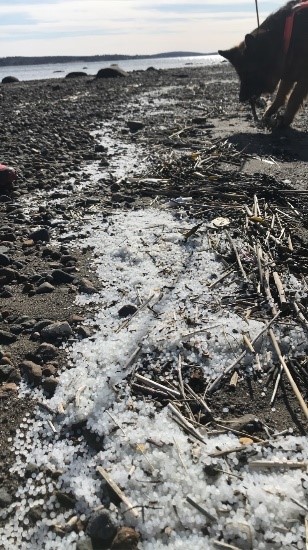
Figure 1. Plastic pellets on the Norwegian coast after the Trans Carrier incident
Source: Norwegian Coastal Administration
Source: Norwegian Coastal Administration
Since plastic pellets are not covered by MARPOL, there are no legal requirements for their storage and packing. Thus, the spill was not considered a potential environmental risk and subsequently the company did not have any specific procedures for transportation of pellets (Oslofjordens friluftsråd, 2021b). As of three weeks after the incident, increasing amounts of plastic pellets were discovered on shores in Scandinavia. This happened mainly in the Oslofjord area in Norway, but also on the Swedish west coast and to a limited extent in Jutland, Denmark.
In the Oslofjord area, cleanup operations were initiated by the municipalities concerned and coordinated by Oslofjordens friluftsråd. This is the Oslofjord Outdoor Recreation Council, a cooperation of the 23 municipalities and three regions situated along the Oslofjord. An interactive map was launched where the public could report finds of pellets. Soon after its launch, hundreds of reports were made. Due to the long distance between the locations where pellets were found and the place of the incident (550 km), the findings were at first not connected to the Trans Carrier incident. A few weeks later, pellet samples from three different sites in the Oslofjord area were analysed by Norner, the Polymer Institute of the Norwegian Material and Plastics Industry. The results were presented on the 15 April, and identified by Operation Clean Sweep, a voluntary programme in the plastics industry, as coming from the Trans Carrier incident. This was acknowledged by the shipowner, Sea-Cargo, in a press release of 3 May 2020 (Oslofjordens friluftsråd, 2021a). Since the amount of pellets on the beaches increased as did the scale of the cleanup operation, Norwegian ministries declared on 7 May the incident to be “acute pollution” as defined in section 38 of the Pollution Act. This led to the launch of a so-called “national action”. Oslofjordens Friluftsråd coordinated the action on behalf of the Norwegian Coastal Administration. The shipowner involved actively in the process and took the financial responsibility for the cleanup action in Norway. Several NGOs were engaged in the work as well as private cleanup companies. A joint technology team was set up between involved parties, including the ship management (Kystverket, 2020a). Throughout the year, 165 locations in the Oslofjord area were cleaned. The cleanup took 10,000 hours of work (Oslofjordens friluftsråd 2021a).
In Sweden, an estimated 2.5 tonnes of pellets were cleaned up, while the amount in Norway was 4.2 tonnes. Despite the relatively large amount, the Swedish approach was different from the Norwegian one. The pollution found was not considered “acute pollution” and therefore the cleanup was integrated into existing cleanup schemes. This meant neither national coordination was applied nor was support from the polluter received. The Swedish Coast Guard has the following comment in its annual report for 2020: “It can also be concluded that, regarding emissions of hazardous substances, there can be a problem defining if an action shall be regarded as environmental rescue service. One example where the Coast Guard and the Rescue services were posed with a new question arose in May 2020. Then, polyethene pellets washed ashore on the Swedish west coast after the release of 13 tonnes of pellets from a damaged container on a ship at sea off the Danish coast. The responsible Swedish authorities decided that emission control was not to be regarded environmental rescue” (Kustbevakningen, 2020).
After more than a year the national action in Norway stopped on 31 May 2021. At that time, less than half the amount of pellets was recovered (Oslofjordens friluftsråd, 2021a). The Norwegian Coastal Administration reports that the shipowner had shown responsibility in the cleanup phase. It paid all expenses for the cleanup through its insurance company, bought equipment for the cleanup and contributed to developing new methods to clean the coast in the most efficient way (Kystverket 2022a). According to the National Maritime Authority, the incident falls outside Norwegian jurisdiction since it did not happen in the Norwegian economic zone and the ship was flying a foreign (Bahamas) flag despite being owned and operated by Norwegian companies (Oslofjordens friluftsråd 2021b). Furthermore, the incident coincided with the fact that in March 2020, many dead and dying eider ducks (Somateria mollissima) were found in the outer Oslofjord area. Altogether 104 dead common eiders were collected by local staff from the Norwegian Nature Surveillance (SNO) and shipped to the Norwegian Institute for Nature Research (NINA) in Trondheim for further analysis and autopsy. However, plastic pellets were found in only two of the examined birds and then only in small quantities. It was therefore concluded that the intake of plastic pellets by eiders only occurred to a small extent and cannot explain the increased winter mortality of eiders in the outer Oslofjord in spring 2020 (NINA, 2020). Another study was made on 633 fish of nine different species, where no pellets were found. The Coastal Administration concluded that the pollution had not caused direct harm to the wildlife (Kystverket 2022a).
In June 2020, during a Norwegian Parliament meeting, an MP asked the Minister for Climate and the Environment what the Government planned to do to prevent similar incidents in the future. The Minister stressed the international nature of the problem and said that it would be important to follow up in IMO under the action plan against plastic littering (Stortinget, 2020). A report from the Coastal Administration, summarizing experiences of the cleanup action, concludes that “clean-up of plastic pellets/nurdles is certainly possible, but is time consuming and extensive. It is important to survey thoroughly, followed by a clean-up shortly afterwards. Mapping software was used to record locations of stranded pellets, progress in clean-up operations and amount of collected pellets. Different vacuum cleaners and sifting methods worked satisfactorily and were widely used. Suction trucks were used to remove large accumulations of pellets. An excavator, in combination with a water bath to separate pellets, was used at one site and worked efficiently. It is important to test new methods and focus on technology development and special machines/tools that can be used. A cost-benefit assessment is important with regard to the level of clean-up operations” (Kystverket, 2020a).
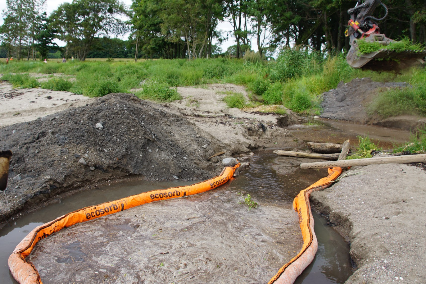
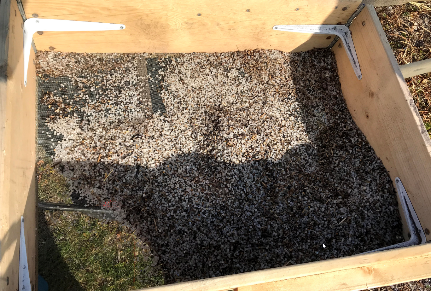
Figure 2.a & b Plastic pellet containment and collection on Norwegian shores after the Trans Carrier incident
Source: Norwegian Coastal Administration
Lessons learned from the clean-up operation in Norway as presented in IMO, 2022, PPR/9/15/2 are:
- It is important that an incident with plastic pellets, is covered by the definition of acute pollution in any national pollution control acts. This allows to promptly designate the responsibility to the appropriate governmental agency.
- The clean-up operation was led by the same governmental agency that is responsible for handling other forms of acute marine pollution. The approach and emergency plans used when working with larger oil spills also works with this kind of pollution.
- It is also important to have a single contact point for communication with the responsible polluter, insurance companies and other stakeholders, as it makes it easier to establish common goals for the operation, secure compensation of cost, etc.
- Clean-up after a spill of plastic pellets/nurdles is possible but it is an extensive and time-consuming exercise. It is important to survey the affected areas thoroughly, immediately followed by clean-up. Plastic pellets are remobilized much more easily than oil by tides, currents, high waves and heavy rain. Mapping software was used to record locations of stranded pellets, the progress in clean-up operations and the amount of collected pellets. Different vacuum cleaners and sifting methods worked satisfactorily and were widely used.
- Suction trucks were used to remove large accumulations of pellets. An excavator, in combination with a water bath to separate pellets, was used at one site and worked efficiently. It is important to test new methods and focus on technology development and special machines/tools that can be used. Cost/benefit assessment is important with regard to the level of clean-up operation.
- Information from the public through social media was also very important. The public could use the open mapping tool and register their findings accompanied by photos. As part of the work following the Trans Carrier incident, a report was written (Dolva et al., 2020) summarizing the experiences from the plastic pellets pollution incident, with focus on shoreline clean-up operations.
Locations of pellets
The beaches where pellets were expected to wash ashore were inspected. Outcomes of inspections must mainly be considered of a temporary nature since the weather can change the location of pellets rapidly. During these inspections the following conclusions regarding pellet distribution on beaches in Norway were drawn. The distribution was determined by (Dolva et al., 2020):
- Sea currents.
- Weather conditions in general (during bad weather and in the case of early deposits, plastic pellets washed up far beyond the edge of the beach).
- Wind conditions when washed ashore (due to their low specific gravity, pellets are affected by the wind and are moved around on hard surfaces when there is no vegetation).
- Heavy rain (this could wash pellets down from the beach to the sea).
- The presence of vegetation, which will immobilize pellets for a while.
- The presence of biological material, which can make pellets heavier.
- High water line/floodmark (pellets usually accumulate in a narrow belt above the high-water line).
- Waste accumulation sites will probably also be the sites where pellets will be present.
Pellet collection and removal
Since the weather conditions can influence the presence of pellets greatly, clean-ups need to start soon after inspections. In the case of the Trans Carrier incident the following removal methods were applied:
- Manual sieving
- Tractor sieving
- Vacuum cleaners
- Leaf vacuums (reverse leaf blowers)
- Sucking vehicles
- Flotation (e.g., water baths)
- Machine tumbling
- Trap systems in streams/pools
- Others small scale methods like hand picking
Of these, the primary methods applied were vacuum cleaners, leaf vacuums and sieving (Dolva et al., 2020).
Finnbirch incident
In November 2006, the container vessel Finnbirch sank in the Swedish part of the Baltic Sea between Öland and Gotland. The cargo consisted of hazardous goods, and 70 tonnes of polymer pellets on the main deck. According to a report from 2008, the cargo was not collected as it was not considered a major environmental risk (Räddningsverket, 2008). Focus in this case was on the potential oil spill. About 200 out of the 520 cubic meters of oil present leaked into the environment at the time of the accident. The rest was recovered during operations in 2007 and 2019/2020 (Sjöfartstidningen, 2020). No information was retrieved on the fate of the 70 tonnes of plastic pellets the ship was transporting when it sunk, nor on whether they are still there or have leaked into the environment. This case illustrates the long-time character of potential pollution from sea accidents.
2.3.1.2 Relevant incidents outside the Nordic Region
MSC Zoe incident, the Netherlands
In the evening of 1 and the morning of 2 January 2019, the Ultra Large Container Ship MSC Zoe lost 342 containers with an estimated amount of 3,257 tons north of the Dutch and German Wadden Sea Islands (Van Duin et al, 2019). The ship is one of the world’s largest container ships (BSU et al., 2020), and has a total theoretical container capacity of 19,224 TEU, corresponding to a deadweight of approximately 200K tons and is sailing under Panamanian flag (Panama Maritime Authority, Dutch Safety Board, Federal Bureau of Maritime Casualty Investigation Germany, 2019). It was en route from Sines, Portugal to Bremerhaven, Germany. Due to its severity, the accident is classified as a very serious marine casualty as defined by the Casualty Investigation Code of the International Maritime Organization (IMO) and European Union Directive 2009/18/EC (Panama Maritime Authority, Dutch Safety Board, Federal Bureau of Maritime Casualty Investigation Germany, 2019.).
Most of the contents of the lost containers consisted of consumables and associated packaging materials. One container contained 22.5 tons of pellets, with a diameter of 4 millimeters. Those washed up on the beaches after the event and were difficult to remove from the environment due to their small dimensions (Panama Maritime Authority, Dutch Safety Board, Federal Bureau of Maritime Casualty Investigation Germany, 2019). After the incident, large numbers of plastic pellets were found on the Eastern Dutch Wadden Islands and the shores of the three Dutch Provinces Noord-Holland, Fryslân and Groningen (Foekema et al., 2021).
A number of containers contained chemicals and batteries. Floating objects spread with wind and sea currents, while others ended up on the seabed. Mainly plastic objects washed ashore on the coast of the Wadden Islands the days following the accident. Large-scale coastal clean-ups and salvage operations at sea were successful to the extent that the bulk of the lost cargo was recovered (Panama Maritime Authority, Dutch Safety Board, Federal Bureau of Maritime Casualty Investigation Germany, 2019).
Not only the amount of the cargo that fell overboard determined the severity of the consequences, the location where it happened was also of great importance. MSC Zoe lost its cargo in the vicinity of the Wadden Sea, both being a UNESCO World Heritage Marine Site and a Natura 2000 site which is a high level nature conservation status in the European Union (BSU et al., 2020). Furthermore, the vulnerability of the Wadden Sea was officially recognized in 2002 by IMO by the designation of the Wadden Sea which is shared by Denmark, Germany and the Netherlands as a Particularly Sensitive Sea Area (PSSA). International recognition of this kind of area as a PSSA offers the possibility of adopting additional protective measures within the mandate of the IMO, such as routing measures. In addition, as of 2009, the Wadden Sea is listed by UNESCO as World Heritage site which obliges the States of Denmark, Germany and the Netherlands to collaboratively ensure the protection and conservation of this natural heritage (Panama Maritime Authority, Dutch Safety Board, Federal Bureau of Maritime Casualty Investigation Germany, 2019).
An interesting issue was the interaction between the organisations responsible for emergency response and clean-ups at national, regional and local level. The Dutch Ministry of Infrastructure and Water Management, the “Safety Regions” of Provinces Noord-Holland (Noord), Fryslân and Groningen and the municipalities of the affected region had to work together (Van Duin et al, 2019). A “Safety Region” is an umbrella organization that has a coordinating role in a specific assigned Dutch region during calamities. To coordinate the approach of calamities during the first period of an event like this, each of the Islands has a Coordination Team Wadden Islands (CoWa). This includes representatives of the municipality, police, fire brigade, ambulance unit and when needed the Royal Netherlands Sea Rescue Institution (KNRM), Ministry of Infrastructure and Water Management and the Forestry Department. Soon after the disaster, the mayors of the island municipalities were informed, and the municipal organisations were involved together with the CoWa teams and local volunteers. In some cases “beach cleaners” (large tractors with a special waste collection device attached) were deployed. Hundreds of volunteers from the mainland were transported to the islands by the regular ferries for free to help clean as well. The Dutch military was brought in to help cleaning Schiemonnikoog Island.
Apart from large amounts of debris, this island’s coastline was extensively polluted with plastic pellets (NOS, 2019). The dispersion of pellets was mapped using both scientific techniques and citizen science. On 11 January 2019, the Dutch University of Groningen launched an interactive map to register pellets finds at the Dutch coastline. The map can be found at www.waddenplastic.nl (University of Groningen, 2023). According to the nature management organisation “Natuurmonumenten”, the research showed that 24 million plastic pellets washed ashore in the easterly part of the Wadden Sea area, 5.5 million of these landing on Schiermonnikoog Island’s North Sea beach. This location became the pellets hotspot in the region, where plastic pellets washed ashore for more than a year after the incident (Natuurmonumenten, 2020). Collecting the pellets manually was very difficult and in order to collect those more effectively a large beach vacuum cleaner that was attached to a tractor was deployed.
After about one week, large amounts of debris (including large numbers of plastic items) were collected by the mixed teams of volunteers and professionals on the different islands:
- Vlieland Island: 60 tonnes collected, costing 30,000 euro and 1000 man hours
- Terschelling Island: 250 tonnes, no hours presented.
- Ameland Island: 350 tonnes, no hours presented.
- Schiermonnikoog Island: 250 tonnes were collected, in comparison, the island’s own annual domestic waste production is 400 tonnes (Van Duin et al, 2019).
By mid-November 2019, 87% of the containers and 75% of the cargo had been found and removed. It is expected that the majority of the remaining lost content can no longer be traced and cleaned up (Panama Maritime Authority, Dutch Safety Board, Federal Bureau of Maritime Casualty Investigation Germany, 2019).
The association of coastal municipalities, KIMO the Netherlands and Belgium, has coordinated the Fishing for Litter scheme in Dutch waters. This scheme supports fishermen to take waste they collect in their nets at sea to shore. A considerable proportion of this waste is plastics. KIMO takes care of the on-shore collection, transport and processing, but also of the funding of the operations. One of the authors of this report (M. Mannaart) coordinates the scheme and was directly involved. Directly after the container loss there was expected that a huge spike in the amount of marine litter collected by the fishermen in the area would occur. That was why negotiations with the Dutch Ministry of Infrastructure and Water Management were started for support. Support was received, from ports in the northern part of the country as well. And this proved to be true, as the amount of marine litter collected in the Dutch North Sea increased significantly. The amounts of marine litter collected in the period 2016–2018 (before the MSC Zoe incident) were respectively: 246, 288 and 338 tonnes annually. After the incident, the collected amounts during 2019–2021 were respectively: 567, 648 and 756 tonnes. The increase after 2018 is remarkable and the amounts of marine litter are lower, but still elevated to this day. This is an indication that suggests that when large amounts of cargo (including pellets) are lost, their presence in the marine environment is measurable for at least a number of years. Causality is difficult to prove which is depending e.g., on the number of fishermen participating in the clean-up scheme, locations where is fished et cetera. However, a fact is that after the disaster significantly more waste was and is collected (M. Mannaart, personal comments) and the experiences on the beaches of Schiermonnikoog Island point also in that direction (Natuur-monumenten, 2020). The entire clean-up operations that included both salvage of containers at sea and beach-clean-ups were complex because of the different environments (sea and land), the large amounts of debris and the vast area and the number of organisations involved. Despite the extensive operation having its challenges, the acute part of the problem was solved in the end. The incident and the governmental responses and cooperation were discussed by the governmental organisations during an event organized by KIMO the Netherlands and Belgium on 17 November 2021 (Mannaart et al., 2022).
The Merchant Marine General Directorate, Panama, the Dutch Safety Board, Netherlands, and the Bundesstelle für Seeunfalluntersuchung, Germany made a number of recommendations to their responsible administrations in their capacity as representative of the flag states in the various committees of the IMO, which are presented integrally here (Panama Maritime Authority, Dutch Safety Board, Federal Bureau of Maritime Casualty Investigation Germany, 2019):
- Revise the existing technical and legal regulations for container ships regarding the design limits of cargo securing equipment, approved loading and stability conditions and the consideration of shallow water effects and speed on ship motions and resulting accelerations and forces. In doing so, especially the following provisions and aspects are to be taken into account:
- IS-Code (Off-design stability conditions for very large containerships and Second Generation Intact Stability started in May 2020)
- Code of Safe Practice for Cargo Stowage and Securing for very large containerships
- Container safety convention (CSC) and ISO 1496-1 Freight containers - Specification and testing respectively
- IMO Circular MSC.1/Circ. 1228 dated 11 January 2007, Revised guidance to the master for avoiding dangerous situations in adverse weather and sea conditions whether it works at all sea conditions.
- Stability booklet, include that all loading conditions should be checked on high accelerations/forces.
- Cargo securing manual, include design limits of the cargo securing equipment in accordance to the design accelerations. In doing so, the aforementioned authorities should act in such a way that results attained by existing international working groups are incorporated.
- Generate an obligation on all container ships:
- To install electronic inclinometers or similar (inertia) systems to measure and display this information in real-time to the captain/crew, and
- To install sensors on critical locations on the ship in order to measure accelerations and to provide this information in real-time to the captain/crew in order to allow them to monitor these;
- And for ships with mandatory equipped VDR to record actual roll angle, roll period and accelerations for the purpose of safety investigations.
- Evaluate and assess possible technical solutions that can assist the captain/crew in the detection of the loss of containers and propose international standards for implementation of such solutions.
- The following recommendation to the ship-owning company were provided:
- In the construction and operation of ships, reduce high acceleration forces, which can cause damage to crew, passengers and cargo, by installing, for example, bilge keels or anti-roll tanks or stabilizers or setting operational stability limits by limiting the operational GM.
X-Press Pearl incident, Sri Lanka
One of the largest plastic pellet spills globally recorded so far was that of the X-Press Pearl, which occurred off the Sri Lanka coast on 20 May – 17 June 2021. The vessel caught fire and sank eventually. Apart from oil, nitric acid, caustic soda, methanol and other substances, an estimated 1,680 tonnes of plastic pellets were lost, which littered 300 km of shoreline. A considerable proportion of the stranded plastics on the shoreline were burnt fragments of various sizes. They were mixed with various types of debris from the ship and its cargo. This caused concerns about contamination and toxicity of the environment in general but also of fish stocks. The nature of the disaster had multiple dimensions that had to be taken into account during management and cleaning-up, including:
- dealing with oil and chemical spills.
- coordinating emergency support from neighbouring and other countries.
- surveillance and salvage of the wreck and containers.
- assessing the environmental damage over the short and longer-term.
- support to impacted economic sectors, particularly coastal fishing communities and tourist industry.
- legal investigation of the incident.
- filing of compensation claims.
To address all challenges as thoroughly as possible, the Cabinet of Ministers of Sri Lanka appointed an Inter-Ministerial Committee of senior government officials headed by the Minister of Justice for an overall coordinated response to the incident. Five sub-committees have been created thereunder dealing respectively with:
- legal action.
- compensation claims.
- environmental impacts.
- fisheries impacts.
- economic damages.
A UN team was deployed to assess and address the disaster. Its key recommendations focused primarily on mitigating the key risks identified including:
- the oil slick emanating from the wreck including a potential major sudden release of bunker oil (‘worst-case-scenario’);
- on-shore oil spill response planning;
- development of a detailed plan to remove the wreck and containers lost at sea;
- the shoreline pellet clean-up strategy; and
- focusing the environmental assessment on key hotspot areas to support decision-making in the emergency phase (Partow et al, 2021).
Massive clean-up operations took place at 48 sites along 180km of impacted coast (Partow et al, 2021). By 14 July 2021 approximately 1,610 metric tonnes of plastics, other debris and contaminated sand were collected. This included larger debris, and various types of pellets and small burnt plastic fragments that were deposited along the beaches. A lagoon was protected from floating plastic pellets by application of booms along two entrance channels, which may have prevented up to 80% of the plastics entering. Mixed pellets and sand were separated by manual sieving and flotation in seawater which was both highly labour intensive. Trailing of mechanical recovery techniques was planned, including the use of vacuum cleaners, mechanical sieving, trommels and beach graders. Burnt plastic fragments caused specific challenges due to their irregular shape and brittleness. Secondary pollution of pellets was created during storage and transport of sediment with pellets during clean-up work. As a result of the pollution caused by the ship, a spike in reported deaths of sea turtles and dolphins and whales was reported. The disaster had a substantial impact on Sri Lankan coastal fishing communities, especially those that were (or were suspected) of being impacted by the pollution. Coastal fishing was initially banned along an 80-km littoral stretch adjacent to the incident. A UN research team assisted the national authorities and in their report many recommendations on further research activities were done, including a long term-plastic beach clean-up programme with a community-based approach (Partow et al, 2021). Based on the experiences, a report from IPEN, a global network of NGOs for a toxics-free future, recommended the international community to classify plastic pellets as hazardous substances and called on coastal countries to ratify the hazardous and noxious spills (HNS) convention (Rubesinghe et al., 2022).
After the experiences of the actions in Sri Lanka, the recommendations of the UN-team regarding the plastic pollution clean-up include:
- Chemical analyses of the pellet and burnt plastic mix to assess the level of their contamination should be conducted as a matter of priority.
- The results of the chemical assessment should inform the characterization of the plastic waste as hazardous or non-hazardous.
- If found to be hazardous, additional waste criteria testing (e.g., leachate analysis) should be carried out to determine the appropriate disposal method.
- If found to be non-hazardous, then the potential for the reuse and recycling of the plastic waste should be prioritized.
- On-site separation of the plastic waste should be maximized to reduce sand collection, transport and storage.
- Beach sediment analysis should be conducted to quantify the presence of small burnt plastic particles (<3 mm) that may not be recovered during clean-up operations.
- Develop clean-up methods to recover small burnt plastic particles (<3 mm) (e.g., adaptation of the flotation method to capture small burnt particles).
- Recover floating pellet and burnt plastic pollution in the inlet channels of one of the affected lagoons (Negombo lagoon) to prevent incoming pollution dissemination deeper in the lagoon and mangroves.
- Improve pellet storage at the backshore of the beach to avoid secondary pollution (e.g., protecting the temporary storage areas by placing a tarpaulin or equivalent under the bags).
- Improve handling and transportation of pellet bags particularly from the beach to the main road to avoid secondary pollution (e.g., establish defined routes, use wheelbarrows for transportation).
- Set specifications to guide the microplastic clean-up effort and help assess the environmental impact of clean-up techniques to determine when to stop cleaning and prevent additional environmental damage.
- Develop a long-term plastic beach clean-up programme along the coastline to collect chronic beach pollution by plastic debris, including that from the X-press Pearl. A community-based approach for waste collection should be considered. (Source: Partow et al, 2021).
2.3.1.3 Other types of acute plastic pollution
Biocarrier spill in Iceland
In Iceland in 2017 there was a leakage of biocarriers from a fish farm on land, biocarriers that are used in the cleaning system. The fish farm is on the coast and the plastic reached the sea through the sewage system. The biocarriers ended up on a beach with clay, but the winds moved much of it to a grassy area. It has been a challenge to clean up after the incident. The industry developed a plan on how to do it. The environment agency assessed and approved the plan. Students in the area were engaged to do the work, but although there have been repeated cleanup operations every year, it is still not completely solved (Interview with Katrín Sóley Bjarnadóttir and Halla Einarsdottir on 13 Dec 2022).
There has been a similar incident in Denmark (Interview with Frank Jensen on 23 Nov 2022).
2.3.2 Sources and amounts of pellet loss
A number of events are presented in the previous sections that show examples of considerable amounts of lost pellets. But what is the loss globally per year? The global loss of pellets is estimated at 230,000 tonnes that enter the environment annually (Eunomia Research and Consulting Ltd., 2016). In Europe alone, the pellet losses are estimated to be between 16,888 tonnes and 167,431 tonnes per year (Han et al., 2018). Since the three main sources of pellet losses are producers, intermediary facilities and converters/processors, there might be assumed that a considerable portion of this will be lost on land. The estimation of pellet pollution in rivers is more challenging, but something can be said about its fate. According to Van Emmerik & Schwartz (2020) the fate of plastics in freshwater systems is strongly dependent on three processes, which are 1. the transport, 2. the accumulation, and 3. the degradation processes. This means that not all plastics discharged in rivers eventually end up into the ocean, at least not of the sizes and shapes present when released at source.