LOW-CARBON CLINICS
The purpose of the Low-Carbon Clinics is to facilitate discussions surrounding decarbonisation initiatives for building projects across the Nordic countries and Estonia. By focusing on real-life projects, these clinics aim to address the actual challenges and potential solutions associated with the decarbonisation agenda. The clinics are offered at no cost and are conducted by local experts from each participating country. These experts are well-versed in local and national requirements and developments that may impact projects. Given the complexity of these topics, discussions are conducted in the participants' native languages to ensure open and effective communication.
During the clinics, local experts will provide guidance on decarbonisation strategies and initiatives. The primary objective is to stimulate engaging discussions and inspire participants to take actionable steps toward decarbonisation for their specific projects. Participation in the clinics is voluntary, and advice provided is free of charge, which places the responsibility for implementing discussed initiatives on the participants.
Project owners were encouraged to register for participation in the Low-Carbon Clinics. Following the registration deadline, projects were selected for inclusion in the clinics. The aim was to represent projects from all participating countries and to encompass a diverse array of project typologies and construction materials.
A general procedure was outlined for the clinic facilitators to follow and to obtain consistent content for knowledge sharing. The general procedure was assisted by tailored discussions for each clinic to highlight different project and stakeholder challenges and solutions.
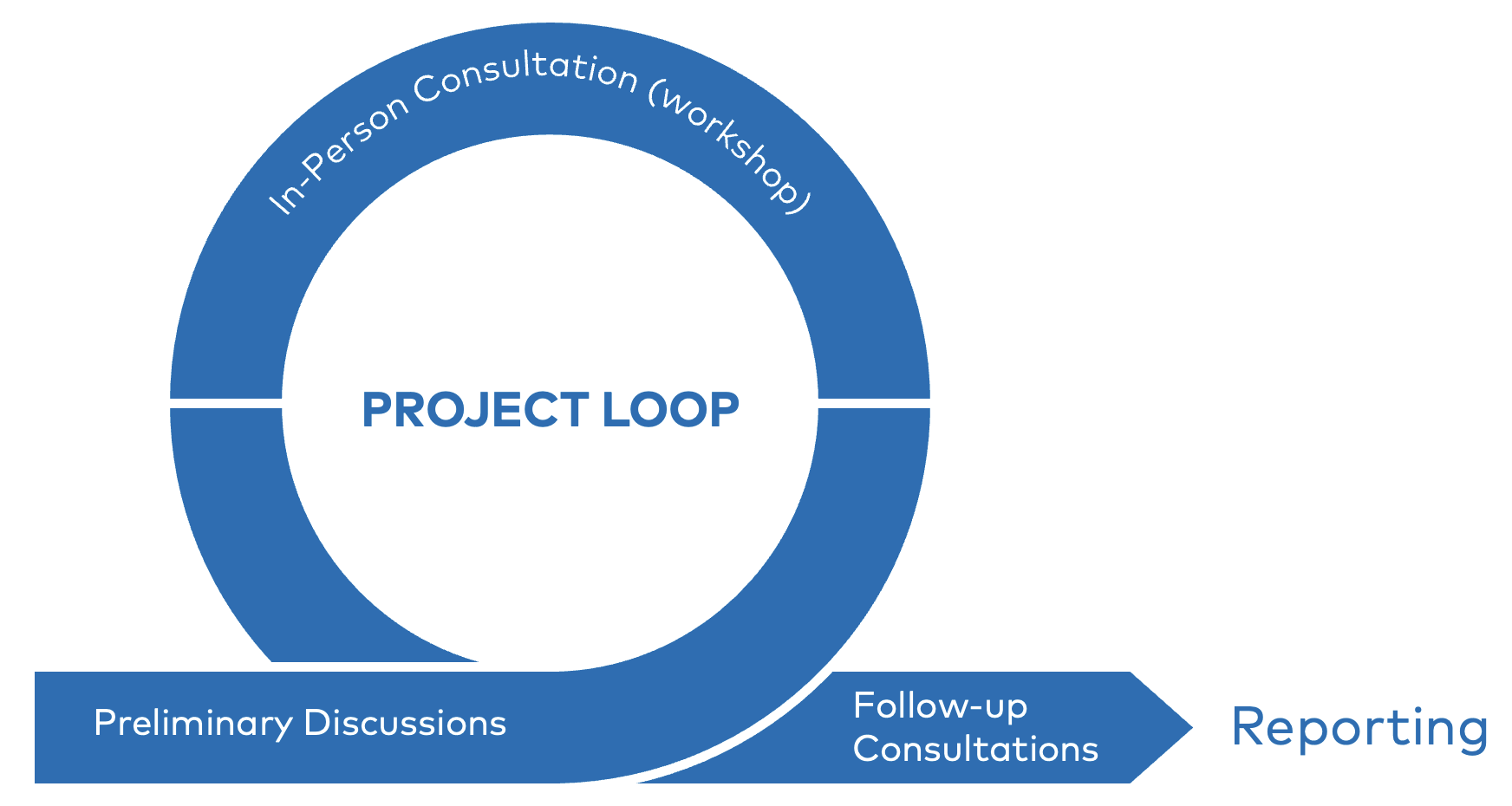
Figure 1. General procedure for the clinics
Preliminary discussions
Preliminary discussions with clinic participants were conducted to gather insights and tailor the workshop agenda to meet the specific needs of each project. These discussions took place through various formats, including online meetings, phone calls, or email correspondence. The key outcome of these preliminary discussions was to ensure that the content of the workshop was relevant and insightful for both the project and the participants.
In-person consultation (workshop)
Based on the preliminary discussions and the defined project scope, in-person meetings were arranged. These meetings involved engaging directly with clients to discuss their specific projects, and provide tailored advice and feedback. A comprehensive analysis of the project was conducted to identify the most significant opportunities for decarbonisation. The discussions focused on strategies for achieving these goals, as well as identifying potential implementation barriers. Areas with the greatest emissions reduction potential and opportunities readily achievable were explored.
Follow-up consultations
Continued support was provided through a follow-up session. During these sessions, the facilitator assisted participants in evaluating and refining their low-carbon strategies.
Reporting
Local experts serving as clinic facilitators documented the decarbonisation discussions, challenges and initiatives from each clinic. The documentation served as the foundation for subsequent reporting and analysis presented in this report.