

Contents
This publication is also available online in a web-accessible version at:
https://pub.norden.org/politiknord2022-741/
From the Prime Minister and the Minister for Nordic Co-operation
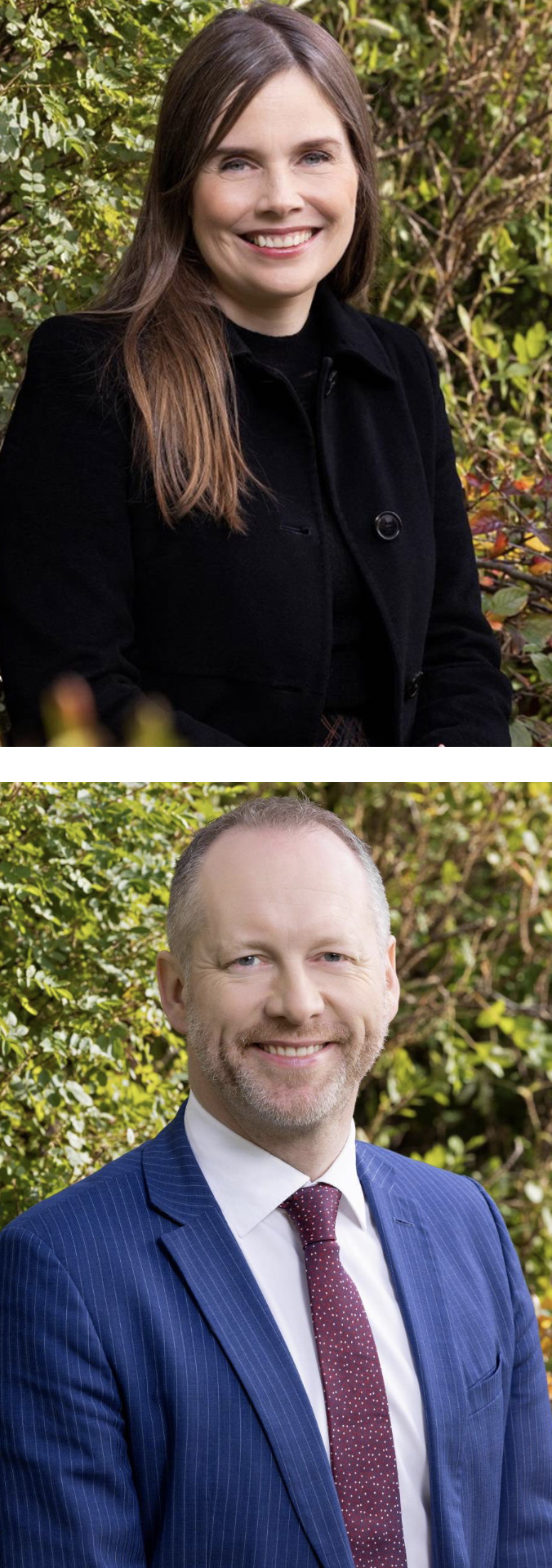 Prime Minister Katrín Jakobsdóttir and Minister for Co-operation Guðmundur Ingi Guðbrandsson
Nordic co-operation is based on strong cultural and social ties. We exchange opinions, seek common solutions to the challenges of today and the future, and share our experiences and knowledge.
The Nordic nations are at their strongest when they join forces. Not only does Nordic co-operation deliver results - it also brings us enjoyment and builds bridges between inhabitants of the region, in areas such as gender equality, the environment and universal welfare in our societies.
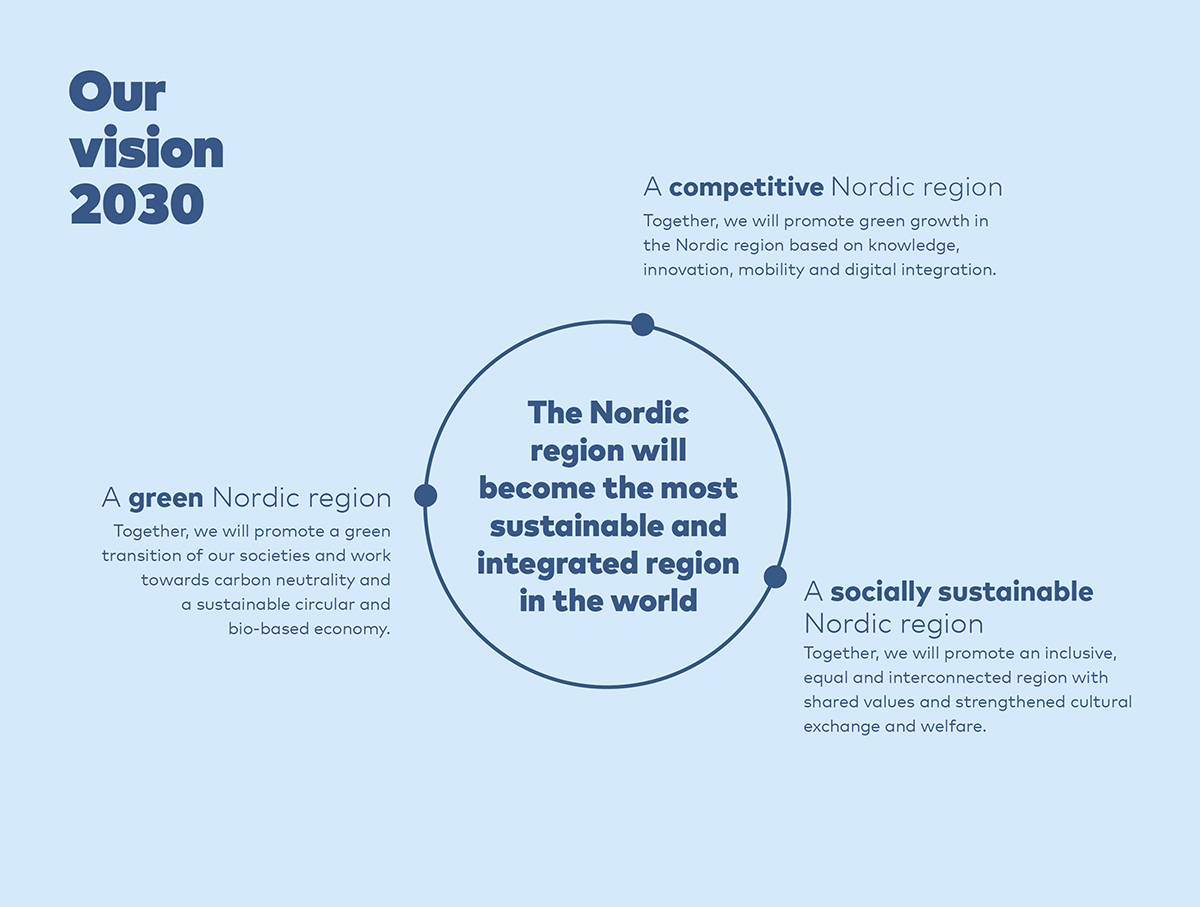
There is widespread support for Nordic co-operation in the Nordic Region and for generations of people, this is how it has always been. We may have a tendency for taking this collaboration for granted, for Nordic co-operation requires time and effort and should not be taken as a given. It is the result of discussion, work, and joint decisions which, taken together, make us stronger as one region. The future vision for Nordic co-operation up until 2030 of becoming the most sustainable and most integrated region in the world, is an example of such a joint decision, which will create numerous opportunities in the coming years.
During Iceland's presidency, we will place diligent work into the three focus areas of the Nordic Council of Ministers' plan of action for a green, competitive and socially sustainable Nordic Region. We will also focus on highlighting the importance of peace as the foundation of human rights, welfare, women's rights and environmental and climate protection.
Maritime issues and a green transformation in the use of marine resources will receive special attention in line with the recent declaration of all the prime ministers of the Nordic Region. In recent years, decisive initiatives have been taken in the Nordic Region regarding an international agreement on the prevention of plastic pollution in the oceans.
During our year in presidency, we will emphasise close co-operation within the Nordic Region in climate matters, especially in the field of energy transition and just green transition, including in the labour market. The advancement of digital development will also continue, and we will focus on finding ways of making new electronic solutions accessible to everyone who may find it difficult to adopt such innovations.
We will also greatly emphasise working together against the setback, which has occurred in the struggle for the rights of LGBTQ people, safeguarding acquired rights and contributing towards increasing the rights of this group.
We will continue to remove unnecessary administrative barriers, thus increasing the region's integration and international competitiveness.
Furthermore, attention will be directed to the fact that the Nordic countries are a creative region and innovation in culture is promoted, as culture and creative industries are playing an increasingly large role in the economy.
Nordic collaboration also extends beyond the Nordic Region, and we are at our strongest when we speak with one voice in the international fora. We are facing diverse and difficult challenges which must be solved across borders. Iceland's presidency will focus on co-operation on these issues between the Nordic countries, both at home and in international collaboration, guided by democracy, human rights and environmental protection.
A Green Nordic Region
Environment
The Nordic Region has indeed been affected by the growing challenges caused by climate change, decreasing biodiversity and environmental pollution in recent years and decades. These challenges have particularly been met with and will continue to be met with active Nordic co-operation in the field of environmental matters.
The most visible aspect of climate change effects is in the Arctic region and in the Northern Hemisphere, and thus in the Nordic Region. In addition to measures aimed at reducing the increase in greenhouse gases in the atmosphere, the Nordic countries are working on projects related to climate change adaptation. During the Icelandic presidency, there will be an opportunity to share experiences and good examples of climate change adaptation in the Nordic Region, among other things by emphasising the diverse challenges faced by small communities in the Arctic area.
There are several indications that the green transition will not result in the reduction of jobs but create new jobs in new areas. We must ensure that the labour market includes people who are qualified to meet the needs of a green transition, while also directing those who are at risk of losing their jobs due to the green transition, to new jobs. Thus, we need to reinforce the foundations of a just green transition for the benefit of all the Nordic countries.
Equality
During this green transition, it is essential that we consider the integration of the gender dimension in line with the Nordic countries’ joint commitment to the “Green and Gender-Equal Nordic Region”, signed at the meeting of the UN Commission on the Status of Women in New York in March 2022. Climate change and gender equality are two of the biggest challenges we face today, which makes it important that the Nordic countries take part in putting these issues on the agenda in a decisive way. In order to ensure a just transition, we must bear in mind that climate change and climate actions affect the genders in different ways.
The results of the first global stocktake on the implementation of the Paris Agreement will become available during Iceland's year of presidency and it will provide basis for the new national goals for the Member States of the agreement. All the Nordic countries have set goals for carbon neutrality, and it is vital that every nation in the world set similar goals as soon as possible.
The countries of the Nordic Region are seeking manifold ways and considering sustainable solutions in order to reduce greenhouse gas emissions, promote sequestration and remove carbon dioxide from exhaust emissions and the atmosphere. During the Icelandic presidency, we will direct attention to the Nordic Region's opportunities regarding the capture and permanent storage of carbon. There are also opportunities to make better use of solutions that consist of storing carbon in the soil by restoring land quality and concrete actions to reduce emissions from agriculture and land use. There are numerous opportunities in the Nordic Region for going even further with sustainable agricultural production and we must seize those opportunities.
The Ocean
The ocean plays a vital role in the Nordic Region and Iceland will stress the importance of maritime issues, in line with the declaration of the Nordic Prime Ministers from August 2022. Iceland will also emphasise co-operation with the West Nordic countries in this area. Increasing the processing of protein from Nordic seafoods creates the opportunity to lessen environmental impact, as the environmental impact from protein production is normally less.
Iceland will also propose better utilisation of under-harvested species in order to meet the goals of increased protein production in the Nordic Region and to investigate how environmental monitoring and resource management may be facilitated.
The Nordic Region was at the forefront of initiating negotiations on an international agreement on reducing plastic pollution. The negotiations will take place in 2022–2024 and it is important to push for an ambitious agreement.
Energy
Energy transition is the basis for a greener Nordic Region and contributes to improved energy security as well. Green energy is constantly becoming more valuable as the demand for it is rapidly growing. Among green energy's potentials are the harnessing of wind power both on land and offshore and in the waters surrounding the Nordic countries and storing energy that may be harnessed in an even more cost-effective way than before. The focus of the presidency year will be on learning and sharing the countries’ experiences in the development of these energy options, while also being able to look to nature conservation and increasing the social harmony that is essential to the advancement of energy performance. The Nordic Region is at the forefront in the use of renewable energy and energy transition and Iceland has a special status regarding the use of geothermal energy. During its year of presidency, Iceland wants to underline the role of renewable energy in increased energy security and in improving conditions for the general population. Improving energy use and harnessing renewable energy enhances energy security and independence from fossil fuel imports.
Sustainability
The Nordic countries have set a sustainable development and circular economy policy which covers everything from the operation of large corporations and resource use to daily activities of the general population. Multi-purpose utilisation of by-products from industry and power plants is an important part of an active circular economy and improved energy performance. Emphasis will be placed on the potential of hydrogen and E-fuels in the energy transition both in heavy transport on land and at sea, especially in fishing vessels. Furthermore, it is essential that we use organic raw material both as fertilisers during cultivation and in order to increase land quality. At the same time, it is imperative that we place focus on prevention in order to impede waste generation, whether in companies or inside people's homes.
In the decades to come, the population's age composition in the Nordic Region will change, with a significant increase in the percentage of older people. This cohort has the energy, experience and knowledge that could be used in a variety of robust ways for the benefit of the environment. At the same time, initiatives in this area could have a positive social impact among the older generation.
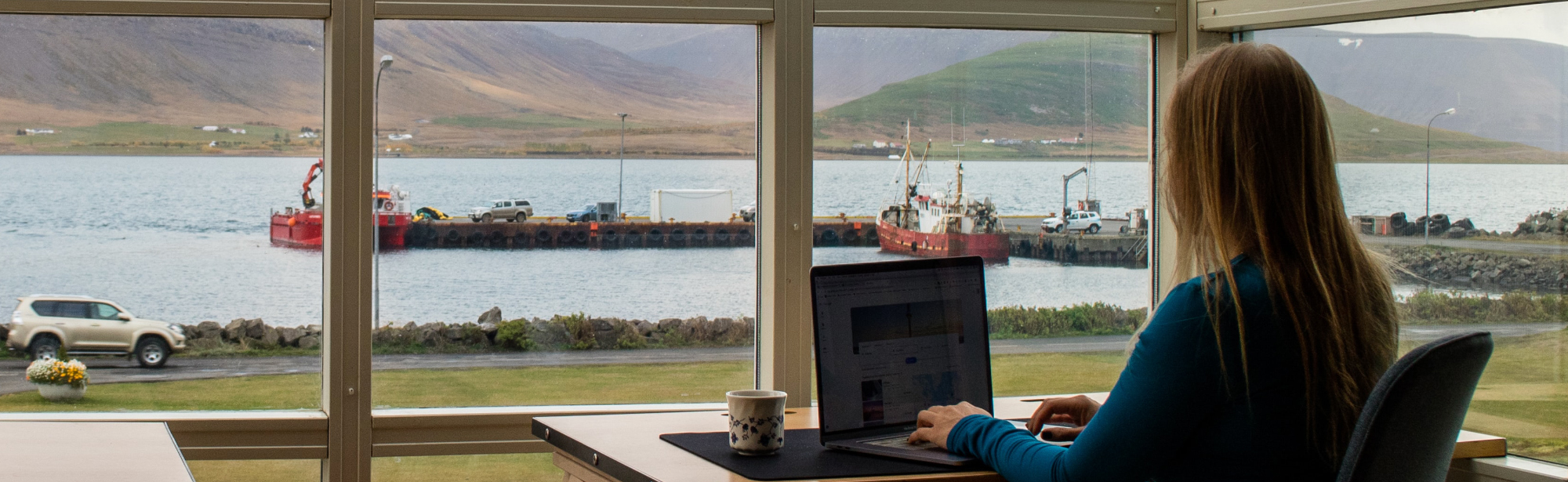

A Competitive Nordic Region
Social development
In order to follow through on plans to increase competitiveness, the Nordic countries have resolved to enhance green growth in the region, inter alia through increased focus on knowledge and innovation and the possibilities of digital development. A strong labour market and mobility within this labour market are also a key factor in achieving this goal. The Nordic countries benefit from travelling together on this journey.
Studying the long-term consequences of COVID-19 in detail is essential. During Iceland´s year of presidency, we will have an opportunity to continue building researcher's access to Nordic health data through a secure digital infrastructure (Nordic commons).
In recent years, young people have had a say in social discussion about the urgent issues we now face, thus playing an important role in holding governments and companies accountable. During the Icelandic presidency, efforts will be made to use new methods and technology to promote the participation of young people in the Nordic Region in public debate by empowering them to create a common forum for discussion, thus boosting the dialogue between them and Nordic governments.
Labour market
The future clearly holds many changes and challenges in the labour market, to which Nordic nations need to be able to respond, without hesitation. It is therefore necessary to create a basis for decision making in line with rapid developments in the labour market. During the Icelandic presidency, building upon the knowledge already created by high-quality Nordic research into this field will receive special attention. During the Icelandic presidency, the effects pandemics have on the labour market will be examined, as well as how we can support a healthy and sustainable working environment for everyone's benefit throughout their working lives, in order to maintain the wealth of experience that exists within the workforce.
Chaired by Iceland, we will place a special focus on the needs of immigrants and people with disabilities and how to facilitate their inclusion in the labour market.
Strong emphasis has been placed on eliminating the gender wage gap in the Nordic Region. Nevertheless, there is still a wage gap in the region that cannot be explained by any other variable than gender. There are several indications that the skills required for traditional women's jobs have been underestimated regarding wages. Chaired by Iceland, the focus will therefore be on the valuation of jobs and the gender-segregated labour market in the Nordic Region.
Digitalisation
Increased integration within the region calls for increased mobility of persons and corporations between the countries, e.g., with the removal of Nordic administrative barriers. Under Iceland’s presidency, consideration will be given to digital solutions, common recognition of professional qualifications and improved tax regulations between the countries in order to enable people to study, work and run companies in countries other than their own.
During the Icelandic presidency, we will continue to strengthen the digital infrastructures that will lay the foundation for the Nordic Region and Baltic States becoming the most integrated region in the world as far as digital service and data communications are concerned. Quite recently, work has been carried out on projects in the field of identification, thereby laying the foundation for increasing the availability of digital services across borders. We will continue to emphasise the development of essential services between the countries, in order to facilitate taking up residency and doing business anywhere in countries within the region. The development of this service is also connected to European projects, such as the EU Single Digital Gateway, EU Digital Wallet and Nordic Smart Government and Business.
Culture
Information technology has also transformed our modern culture. Digital communications have made great progress and greatly increased co-operation across borders and art forms and are an important part of this collaboration.
Rapid developments on the international scene and a growing number, in the population, of people from other cultural areas, call for changes in Nordic co-operation, which, inter alia, includes challenges regarding the integration of immigrants, as well as opportunities for cultural innovation.
It is important that we strengthen and develop culture and the arts in the Nordic Region, by promoting innovation and increasing relations between artists and to Nordic art festivals and art events. Diverse cultural activities are a key part of the economy in the Nordic Region and will weigh even more heavily in the future, as the arts, culture and creative industries are playing an increasingly important role in the economy.
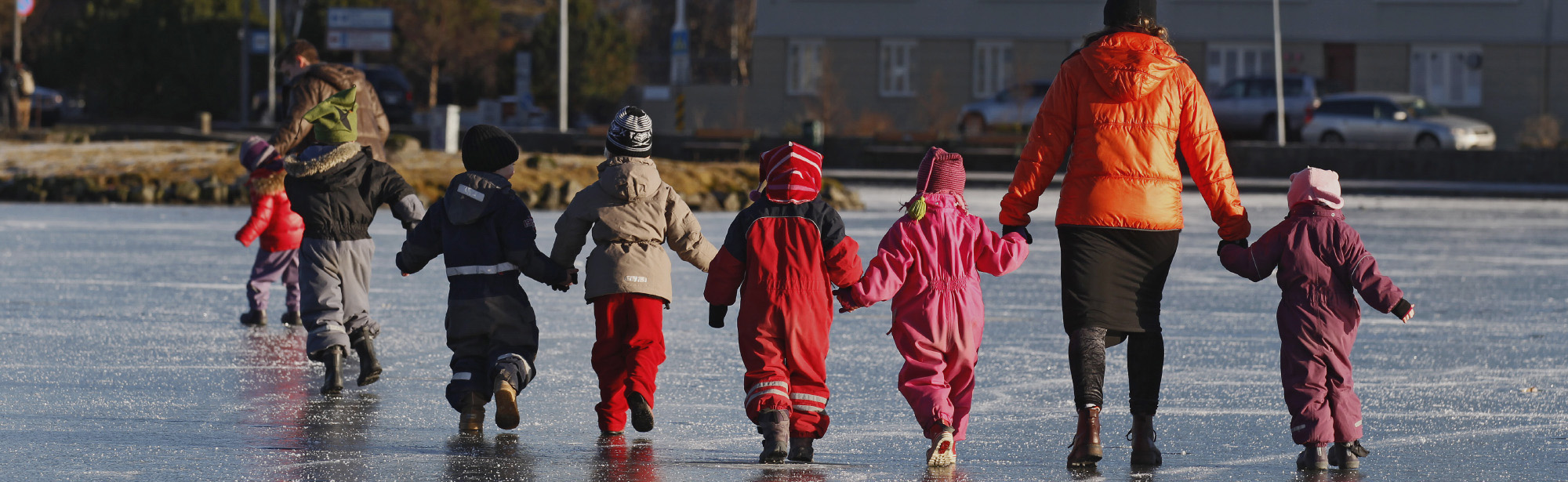

A Socially Sustainable Nordic Region
Health
The Nordic Region scores high on most indicators when quality of life is compared between the nations of the world, as the guiding principle of the Nordic welfare system has shaped Nordic communities for a long time. With their future vision of a socially sustainable region, the Nordic countries set themselves the goal of becoming a coherent region, where common values like strong healthcare, equity, democracy, equality and social welfare are dominant. These values play a key role in creating peaceful societies for the benefit of the countries’ inhabitants.
In light of this, improved public and mental health, particularly for children and young people, digital transformation, innovation in health and welfare matters and protection against antimicrobial resistance, will continue to be important issues during Iceland's year of presidency.
Risk prevention has long since proved its value as a powerful tool for promoting physical and mental wellbeing, especially in the younger population. Nordic communities are currently faced with challenges due to rising average age and the consequences of COVID-19.
In light of the experience from COVID-19, improved health preparedness will be looked into during Iceland's year of presidency. It is important that we strengthen our response in times of danger, such as during a pandemic or other health crises, for example through collaboration on safe delivery, constant production and safe distribution of food and medicine. Work will continue on preparedness in the field of vaccinations and pharmaceuticals.
There will also be emphasis on Nordic co-operation on the use of medication in the Nordic Region and on reducing the use of antibiotics worldwide.
Rights
Ensuring a healthy and sustainable working environment for the benefit of all workers throughout their working lives is essential in order to maintain the wealth of experience within the workforce. During the Icelandic presidency, we will continue promoting a healthy and safe working environment by identifying future challenges in occupational health and safety. There will be a continued emphasis on the fight against human trafficking during the Icelandic presidency and we will continue building on previous work in Nordic co-operation.
By strengthening mutual understanding of the languages of inhabitants in the Nordic Region, we can increase integration within the area, especially where children and young people are concerned. During Iceland's presidency, we will focus on completing the revision of the language declaration, which was started in 2019 at Iceland's initiative.
In the Nordic Region, work is being carried out towards implementing the United Nations Convention on the Rights of the Child and Iceland will, during its presidency, focus on the importance that central and local governments within the Nordic Region join hands in working together on child-friendly societies.
Chaired by Iceland, equality and the rights of LGBTI+ people will be at the forefront. Transgender and intersex issues will be high on our agenda, as these are groups that still have some way to go in order to gain full rights and recognition in society.
Innovation
Over time, the Nordic Region has been at the forefront of innovation and the implementation of technological solutions, and our common goal is to create a single coherent and inclusive region. Therefore, all groups need to be on-board with this extensive digital transformation that is currently taking place. Chaired by Iceland, the emphasis will be on ensuring that new electronic solutions are accessible to disabled people on an equal basis to able-bodied persons.
One of the manifestations of the Nordic welfare system is increased longevity among the elderly, and therefore that group is growing at a faster pace than other age groups. During the Icelandic presidency, we will focus on integrating social and healthcare services, which enable older people to lead independent and active lives for as long as possible and enjoy a high quality of life in their later years. By improving services, we enable more people to live in their own homes and to be active participants in society, instead of having to move into a nursing home or hospital.
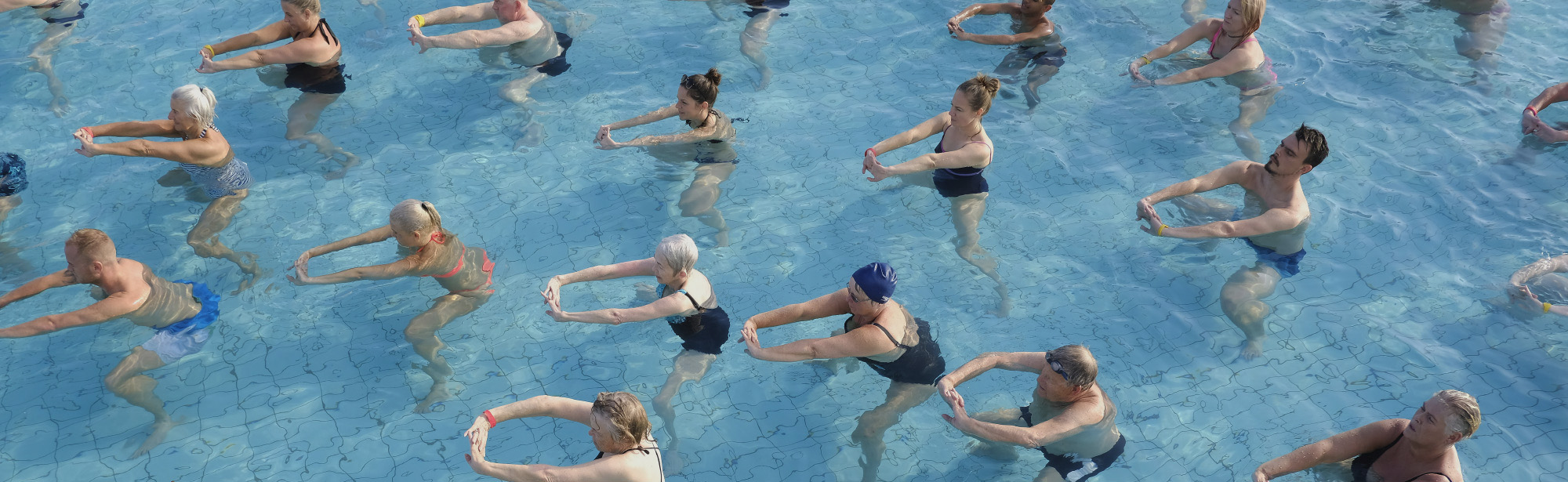

Peace
Peace plays a vital role in turning the Nordic Region green, competitive and socially sustainable. The Nordic Region has collectively emerged at the international level as messengers of peace and encouraged international agreements on peace and disarmament. The effects of Russia's invasion of Ukraine are being felt across Europe and beyond, and the security situation in the West is changed completely. Such circumstances make the solidarity and co-operation of the Nordic nations vitally important.
Violence and the threat of violence is a part of the daily lives of women, LGBTI+ people and other groups, but in times of war this is multiplied and has an even stronger effect on the personal situation of vulnerable groups. Sexual violence against women is the by-product of war and is used ruthlessly as a weapon in armed conflicts. Children, who are separated from their parents, can easily become the victims of human trafficking.
Like war, climate change also drives people away from their homes and into displacement. If present trends continue, climate change will lead to a great increase in migration in the coming years and decades, with a significant rise in the numbers of environmental refugees. The fight against the dangers of climate change is one of the main foundations for welfare and safety, and peace similarly is the basis for being able to fight against climate change, maintain social stability and increase equity.
The collaboration between peace centres and research institutions in the Nordic Region must be made more visible, and the good work that is being carried out there should receive a higher profile. During its year of presidency, Iceland will host an international conference in Reykjavik, highlighting the importance of peace as the foundation for human rights, welfare, women's rights and environmental protection, and connecting this to our emphasis in the Nordic countries’ future vision for the world's most sustainable and integrated region.
About this publication
The Nordic Region – A Force for Peace
Programme for the Icelandic Presidency of the Nordic Council of Ministers 2023
PolitikNord 2022:741
ISBN 978-92-893-7433-0 PDF
ISBN 978-92-893-7434-7 ONLINE
http://dx.doi.org/10.6027/politiknord 2022-741
© Nordic Council of Minsiters 2022
Publiced: 1.11.2022
Cover photo: Visit Iceland. Háifoss, Island.
Layout: Louise Jeppesen
Nordic co-operation
Nordic co-operation is one of the world’s most extensive forms of regional collaboration, involving Denmark, Finland, Iceland, Norway, Sweden, the Faroe Islands, Greenland, and Åland.
Nordic co-operation has firm traditions in politics, the economy, and culture. It plays an important role in European and international collaboration, and aims at creating a strong Nordic community in a strong Europe.
Nordic co-operation seeks to safeguard Nordic and regional interests and principles in the global community. Shared Nordic values help the region solidify its position as one of the world’s most innovative and competitive.
Nordic Council of Ministers
Nordens Hus
Ved Stranden 18
DK-1061 Copenhagen
www.norden.org
Read more Nordic publications: www.norden.org/publications