

- Front page
- Table of context
- Nordic Programme for Co-operation on Disability Issues 2023 to 2027
- Nordic co-operation on disability issues in an international context
- Purpose, objectives, and Nordic benefits
- Focus area: Human rights
- Focus area: Participation
- Focus area: Freedom of movement
- Evaluation
- About this publication
MENU
This publication is also available in a web-accessible online version:
https://pub.norden.org/politiknord2022-734
 Photo: iStock
 Photo: Unsplash
 Photo: iStock
Nordic Programme for Co-operation on Disability Issues 2023 to 2027
Equal opportunities and security regardless of a citizen’s gender, ethnicity, religion, belief, functional capacity, age, or sexual orientation are cornerstones of the Nordic welfare societies. Our social rights provide everyone with equal access to healthcare systems, social services, education, culture, and the labour market.
Human rights and participation are unwavering principles in Nordic co-operation on disability issues. When we look at human rights from an intersectional perspective, we show respect for the person’s unique circumstances in our quest for equality and inclusion and in assessing the risk of a person being discriminated against. How a person is perceived or treated should not be based on just one thing, such as their gender, sexual orientation, ethnicity, or functional ability. Instead, we need to look at the person as a whole.
In the Nordic Region, we strive for sustainable social development based on the opportunities of those living in the region to enjoy individual freedom and self-fulfilment. By working together, the Nordic countries demonstrate the value and benefit of an inclusive society, where digital and physical environments are accessible to, and can be used by, everyone. The application of universal design makes society accessible to everyone, not just those with disabilities.
Disability policy is about building a sustainable society in which no one is excluded. The objective of the disability policy is the inclusion of people with disabilities in all aspects of society. The policy is characterised by a rights perspective which is concretised through the implementation of the UN Convention on the Rights of Persons with Disabilities (UNCRPD). Accessibility is a fundamental prerequisite for people with disabilities to be able to live independently and participate on equal terms in society.
According to Our Vision 2030, the Nordic Region will be the most sustainable and integrated region in the world by 2030. The vision has three strategic priorities: a green Nordic Region, a competitive Nordic Region, and a socially sustainable Nordic Region. Co-operation on disability plays a central role in making this vision a reality. This is especially applicable to “a socially sustainable Nordic Region” in which universal design, accessibility, and inclusion are central perspectives. People with disabilities are a resource in society. Their participation in the labour market and the community is a prerequisite for achieving sustainability policy objectives. In order to achieve the goal of the Nordic Region becoming the world’s most sustainable and integrated region, freedom of movement must also apply to people with disabilities.
The action plan for 2021 to 2024 describes how the Nordic Council of Ministers will work to achieve the goals of the vision. Areas in the action plan that are especially important and which Nordic co-operation on disability contributes to are: the development of the labour market (goal 7), digitalisation and education (goal 8), health and welfare (goal 9), the green transition (goal 10), and inclusion (goal 12).
The three dimensions of sustainable development (green, competitive, and socially sustainable) underpin Nordic co-operation and create the conditions for equal opportunities and security for all. There is a clear link between Our Vision 2030 and the UN's Agenda 2030, in that work on the former helps to achieve the latter and to ensure progress toward the sustainable development goals (SDGs). Based on the message of Agenda 2030 – “Leave no one behind” – it is essential that the Nordic Region successfully integrates the perspectives of gender equality, children and young people, and disability. Processes relating to sustainability policy should also include and benefit those with disabilities. It is therefore important that these perspectives be integrated from the outset and throughout implementation.
International co-operation within the Council of Europe and the UN, as well as within the EU and other organisations, contributes to Nordic added value by way of increased opportunities for discussion, exchange of experience, and co-operation. Co-operation with the Baltic countries is also important.
This programme lays out the Nordic Council of Ministers’ co-operation strategy for disability and is based on recommendations from activities in the previous two action plans and relevant strategy documents for Nordic and international co-operation.
Nordic co-operation on disability is conducted primarily through the Nordic programme for co-operation on disability issues, the Council for Nordic Co-operation on Disability (an advisory body for all official Nordic co-operation), the support scheme for co-operation between Nordic disability organisations, and Nordic deafblind activities. The Nordic Welfare Centre is responsible for supporting the implementation of the programme.
 Photo: iStock
 Photo: iStock
 Photo: iStock
Nordic co-operation on disability issues in an international context
As parties to UN conventions and as part of their co-operation within the Council of Europe and the EU, the Nordic countries and Greenland, the Faroe Islands, and Åland are committed to the inclusion of people with disabilities at an international level. The same is true of the Baltic countries. There is value in the Nordic countries working together, comparing lessons learnt, and sharing good examples in relation to issues of multiple discrimination, minorities, welfare, and demographic development.
United Nations (UN)
The Nordic countries have made commitments to and participate actively in UN efforts to promote human rights. The Universal Declaration of Human Rights (1948) defines what fundamental human rights are. The Universal Declaration consists of 30 articles that together outline our fundamental and universal rights and freedoms.
The Universal Declaration forms the basis of international efforts on human rights. The rights were embodied in a number of conventions, including the International Covenant on Civil and Political Rights (ICCPR) and the Committee on Social, Economic and Cultural Rights (CESCR). Conventions specific to certain target groups identify particularly vulnerable groups and clarify the body’s articles on general human rights of 1948 and how these can be implemented for all. Of particular relevance to this programme for Nordic co-operation on disability issues are: the Convention on the Rights of Persons with Disabilities (UNCRPD), the Committee on the Elimination of Discrimination against Women (CEDAW), and the Convention on the Rights of the Child (UNCRC). The UN’s sustainable development goals in Agenda 2030 are also highly relevant to Nordic co-operation.
Council of Europe
The Council of Europe is an intergovernmental regional organisation whose purpose is to safeguard democracy, the rule of law, and human rights in Europe, as well as to promote greater European co-operation. Today, the Council of Europe consists of 46 member countries. The Nordic countries are members of the Council of Europe, which co-operates on human rights on the basis of the European Convention on Human Rights and Fundamental Freedoms.
The Council of Europe has several publications in the field of disability, and on the situation of women and girls with disabilities in particular. The Council of Europe Convention on preventing and combating violence against women and domestic violence (the Istanbul Convention), which outlines the rights of women and girls to health and safety, is also relevant and has been adopted by all the Nordic countries.
European Union (EU)
In the spring of 2021, the European Commission published a new strategy for people with disabilities: Union of Equality: Strategy for the Rights of Persons with Disabilities 2021–2030. The purpose of the strategy is to ensure that people with disabilities can participate fully and equally in society. The EU and all its Member States have ratified the UN Convention on the Rights of Persons with Disabilities. Strengthening the implementation of the convention is a shared goal promoted through the strategy. The key principles of the strategy are equal treatment and non-discrimination. In 2022, the European Commission will launch the European resource centre AccessibleEU as a flagship initiative, which supports the implementation of accessibility requirements.
The EU accessibility directive (2019/882) which came into effect in the spring of 2019 requires authorities and the private sector to make certain products and services available. The aim of the web accessibility directive (2016/2102) is to make public operators’ websites and mobile applications more accessible to users, especially those with disabilities. The EU’s Employment Equality Framework Directive (2007/78/EC) has a direct influence, as do the commission regulations on passenger rights relating to travel by bus (181/2011), boat (1177/2010), train (1371/2007), and plane (264/2004) within the EEA. The European Union Agency for Fundamental Rights (FRA) has published several reports on the situation of people with disabilities.
 Photo: iStock
 Photo: iStock
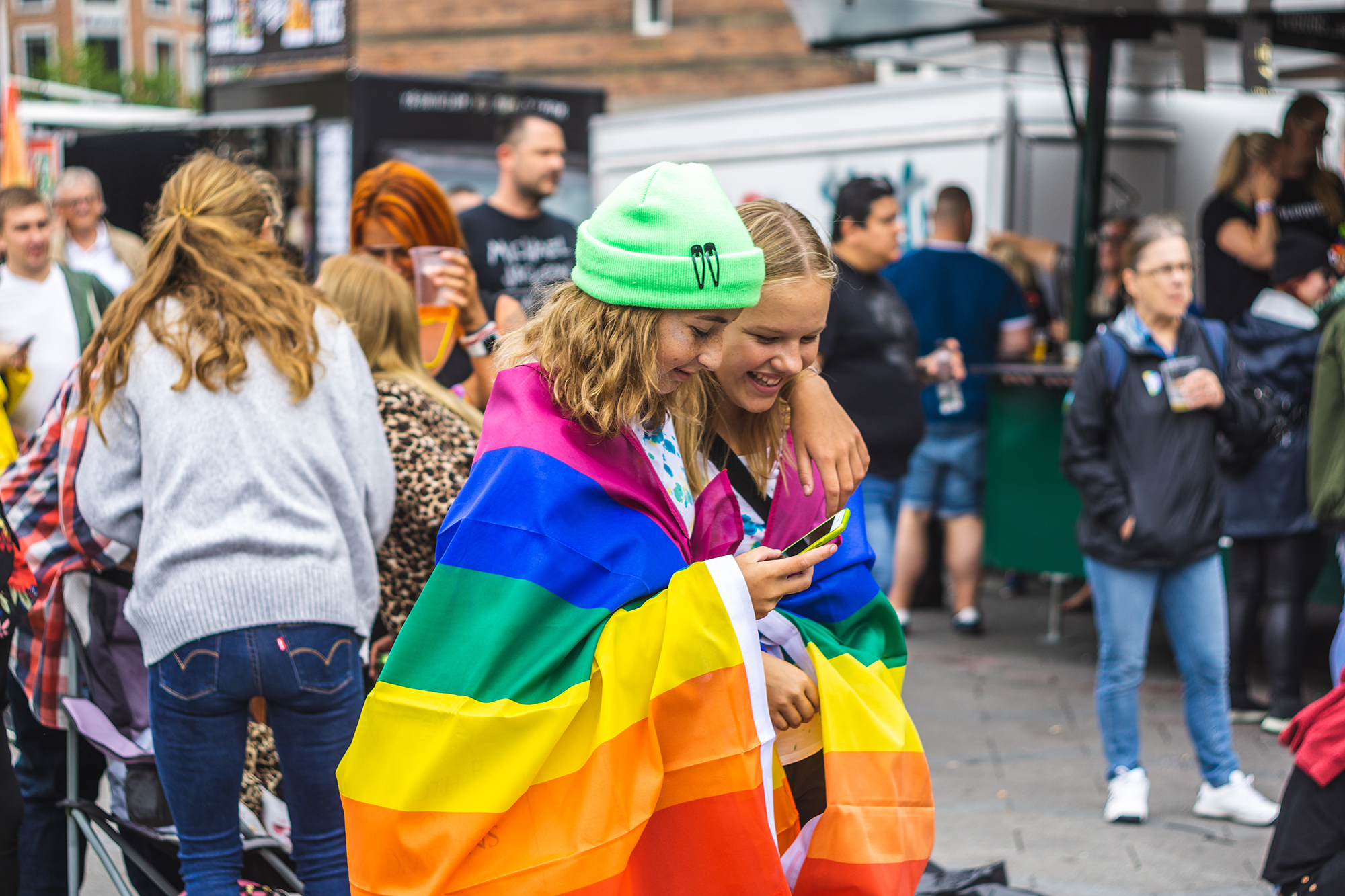 Photo: iStock
Purpose, objectives, and Nordic benefits
- benefits the countries involved and makes a difference for Nordic residents with disabilities
- complements and strengthens current national processes that aim for the inclusion of everyone in all areas of society
- deepens existing synergies and creates new ones with other forms of international co-operation and processes aimed at inclusion
- creates the necessary conditions for the exchange of experiences and development of knowledge for the inclusion of people with disabilities in strategic areas and selected contexts
- raises awareness of the disability perspective
- increases the degree of accessibility of and within the activities of the Nordic Council of Ministers to people with disabilities
- strengthens the perception of the Nordic Region as being innovative, inclusive, and socially sustainable, and as a region in which no one is excluded
- integrates the perspectives of sustainable development, gender equality, and a children’s rights and youth perspective into activities
 Photo: Martin Zachrisson / norden.org
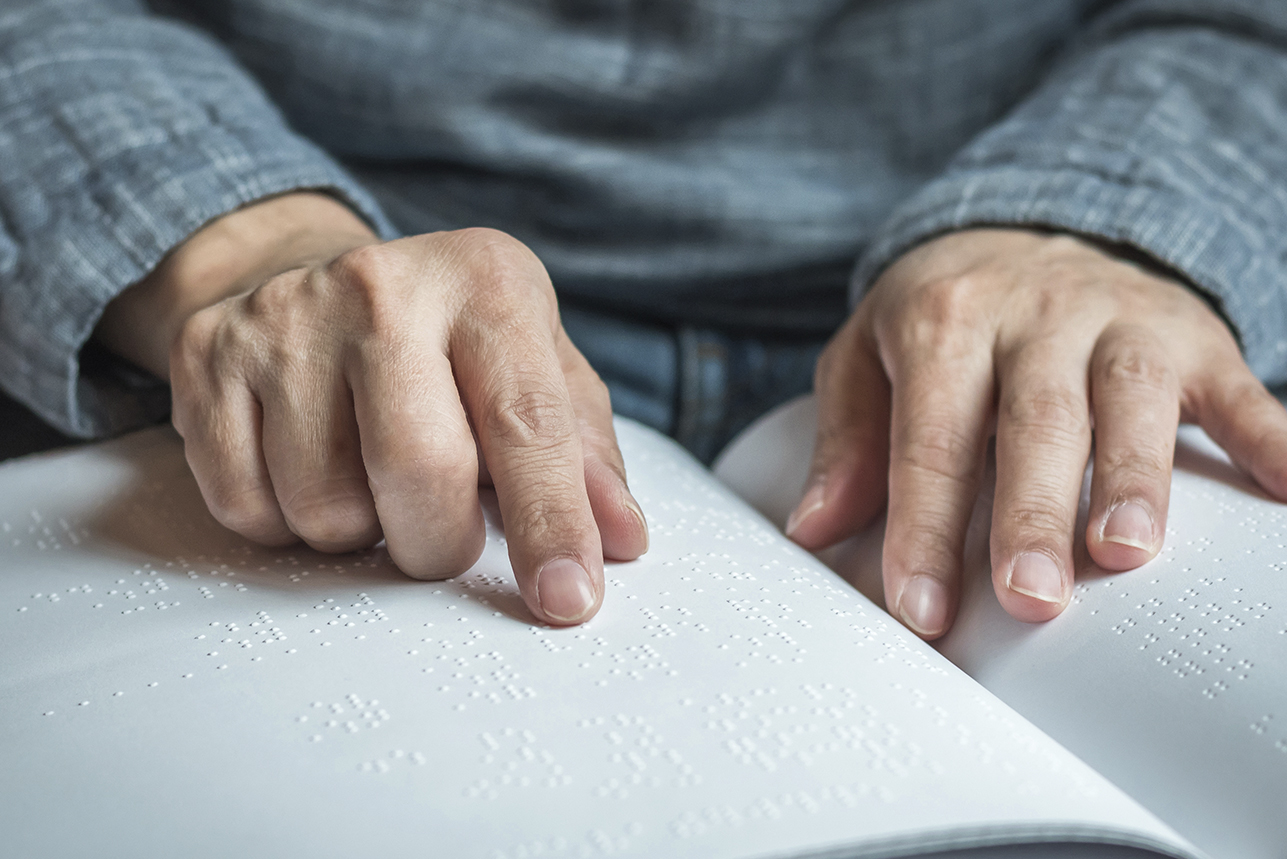 Photo: iStock
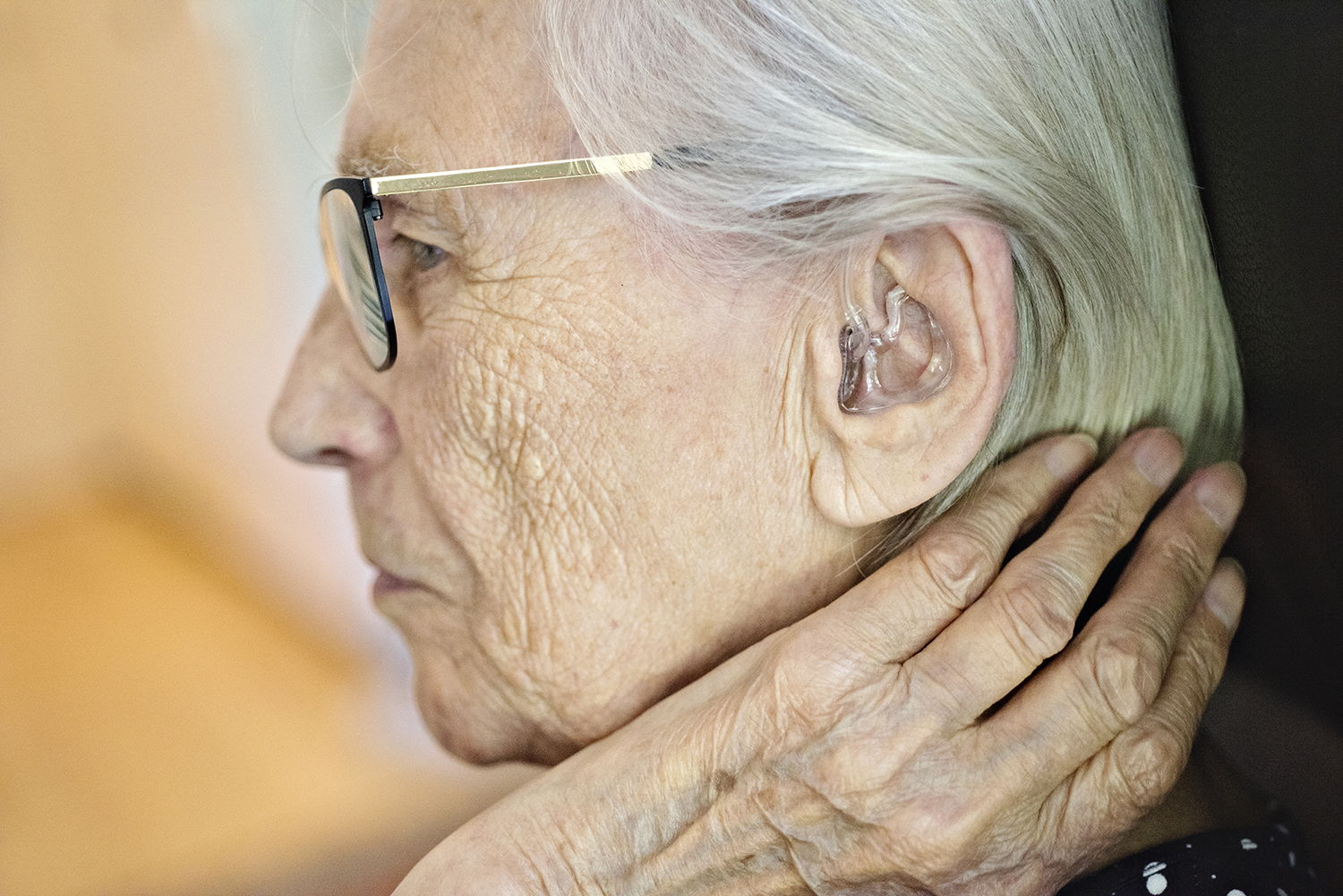 Photo: Maud Grøttland / norden.org
Focus area: Human rights
The United Nations’ Convention on the Rights of Persons with Disabilities (UNCRPD) aims to promote, protect, and ensure that all persons with disabilities have full and equal enjoyment of all human rights and fundamental freedoms, as well as to promote respect for their inherent value. All the Nordic countries have ratified the UNCRPD and implement the convention’s principles and norms. There are several challenges shared by the Nordic countries as well as a common need for greater and better knowledge and positive examples of successful implementation. Activities within the human rights focus area not only support UNCRPD implementation processes but also involve other conventions and efforts relating to human rights and disability in general.
The activities within the focus area contribute to the Nordic Council of Ministers’ action plan for Our Vision 2030, especially with regard to goal 9 on good, equal, and safe health and welfare for all, and to goal 11 on giving Nordic civil society – especially children and young people – a stronger voice and more opportunities to participate in Nordic co-operation, and increasing their knowledge of the neighbouring countries’ languages and culture. The activities also contribute to goal 12: “maintain trust and cohesion in the Nordic Region, its shared values, and the Nordic community with an emphasis on culture, democracy, gender equality, inclusion, non-discrimination, and freedom of expression.”
In addition to the activities within the focus area, efforts relating to human rights are strengthened by way of the support scheme for Nordic co-operation among disability organisations, and the deafblind activities that the Nordic Welfare Centre is responsible for.
Through support schemes for Nordic co-operation between disability organisations, grants are provided for Nordic meetings and conferences relating to field-specific policies arranged by a national or pan-Nordic disability organisation. The support scheme strengthens Nordic co-operation between disability organisations throughout the Nordic Region and contributes to the exchange of experience and building of networks.
Nordic deafblind activities are rooted in the implementation of the UNCRPD for people with a combined visual and hearing impairment, which is a vulnerable and marginalised group in society. Nordic co-operation is a prerequisite for developing knowledge in the area of deafblindness, as each individual country has too small a population of deafblind people to pursue this at the national level. This venture includes training and development work, and the co-ordination of cross-border efforts between enterprises and organisations involved in the field of deafblindness in the Nordic countries. Co-operation is primarily aimed at practitioners, authorities, and research environments. A key task is to co-ordinate the development and dissemination of knowledge in the Nordic Region by way of projects, working groups, seminars, and networks.
Increased knowledge and dialogue relating to human rights and disability
The purpose of efforts within this focus area is to create a platform for the exchange of knowledge, experiences, and good examples for implementing the UNCRPD. These efforts strengthen the skills of those involved in its implementation, and generate knowledge of positive examples of this implementation. Furthermore, these efforts create synergies with other forms of international co-operation and processes aimed at inclusion.
A number of initiatives have already been launched under the previous action plans. The Nordic Welfare Centre is co-ordinating these efforts, which fall within the scope of its mission under its notice of funding from the Committee of Senior Officials for Health and Social Affairs. The Nordic Welfare Centre applies for funding and implements initiatives together with other relevant national, Nordic, and international partners. Reference groups are appointed as required and in dialogue with stakeholders. Reference groups strive to have an even gender distribution and include representatives with an LGBTQI background. The objective is to produce and disseminate knowledge during the programme period that can be used in practice to monitor the implementation of the UNCRPD. During the programme period, annual Nordic events will be held at UN State Party meetings COSP for the UNCRPD.
In order to strengthen the children’s and young people’s perspective in Nordic co-operation on disability issues, an annual expert meeting will be arranged with representatives from interest groups for young people with disabilities. The theme and content of the meetings shall be based on the needs and wishes of children and young people. New methods must also be developed to incorporate a children’s and young people’s perspective into adults’ decisions and the structures that are most often upheld from an adult perspective. In addition to discussions on current issues for children and young people with disabilities, the youth representatives will also receive information about the Nordic Council of Ministers’ programme for co-operation on disability issues and the Council for Nordic Co-operation on Disability.
Follow-up of the implementation of the UN Convention on the Rights of Persons with Disabilities
With the ratification of the UNCRPD, the State Parties report on the implementation to the UN Committee on the Rights of Persons with Disabilities. The compilation of statistics and knowledge on the implementation of the UNCRPD in the Nordic countries, Greenland, the Faroe Islands, and Åland is important. The Nordic Welfare Centre has a renewed mandate to compile knowledge about the implementation of the UNCRPD and follow up on the Nordic countries’ reporting to the UN and the recommendations made by the UN in its review of national implementation.
A survey of current research networks and projects will be conducted during the programme period. This will, in turn, provide information on how rights for people with disabilities in the Nordic countries are facilitated. The survey shall also show the extent to which people with disabilities are involved in research.
Together with national and Nordic actors and research organisations, the Nordic Welfare Centre will also be tasked with carrying out a review of how various international organisations, including organisations for indigenous peoples, are working to follow up on the UNCRPD. The way in which relevant stakeholders, such as the EU Disability Platform, are working with the UNCRPD should also be followed up on.
Although all the Nordic countries have a relatively large quantity of data, statistics, and indicators in order to monitor the situation and the development of living conditions for people with disabilities, the countries measure this in slightly different ways, using different methods and definitions for such groups, which makes a comparative analysis difficult. It is important to produce comparable disability statistics in order to monitor developments and uncover weak areas.
As a follow-up to the recommendations in the report Nordic indicators for co-operation on disability, during the programme period, statistics will be produced and compiled in four areas: discrimination, education, the labour market, and accessibility. The aim of these initiatives is to produce comparable statistics on disability in the Nordic Region, as well as knowledge on the region’s implementation of the UNCRPD. EU co-operation on disability statistics must be followed up on. Co-operation with the Nordic Medico-Statistical Committee (NOMESCO) and the Nordic Social Statistical Committee (NOSOSCO) will be discussed. The implementation of the project will be discussed with the Nordic Council of Ministers for Justice Affairs.
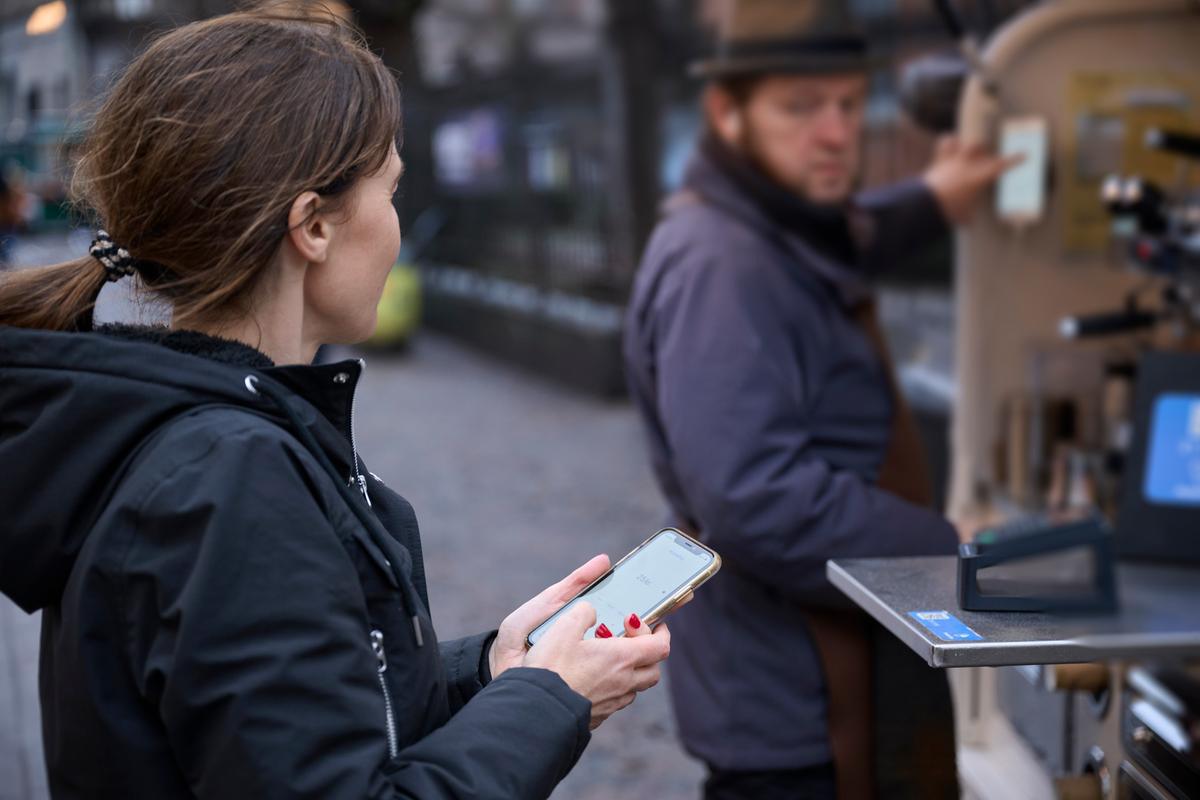 Photo: Ricky Molloy / norden.org
 Photo: iStock
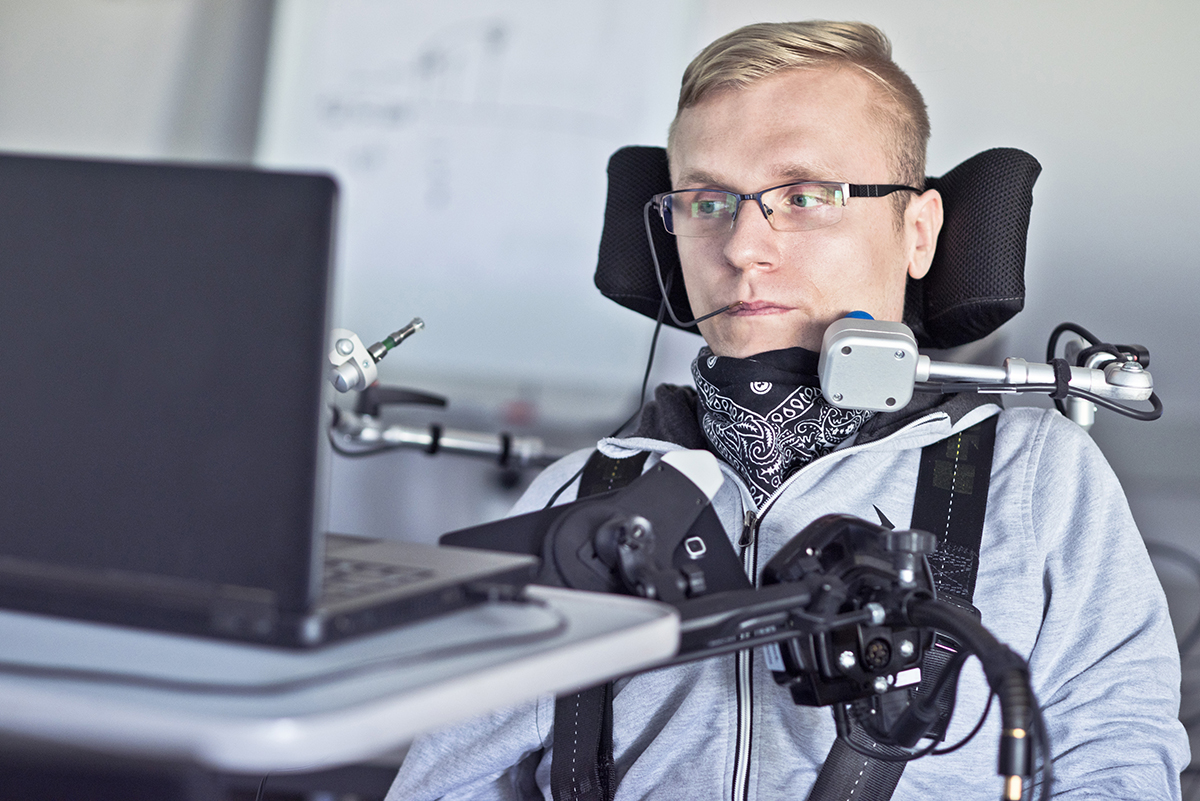 Photo: iStock
Focus area: Participation
The sustainable development of the Nordic welfare model is based on the ability of as many people of working age as possible to be in employment. The labour market is a driving force in Nordic welfare societies and is of central importance to the business sector as well as to individuals. A large and competent workforce, good working conditions, and a good work environment are crucial for creating a green, competitive, and socially sustainable Nordic Region. This requires an inclusive education and labour market policy. It also requires information initiatives and efforts to change attitudes among employers, employees, and society at large in order to provide opportunities for people with disabilities to establish themselves in the labour market. Following on from the report The Future of Work in the Nordic countries: Opportunities and Challenges for the Nordic Working Life Models (2021), the Nordic countries will develop better strategies to counteract the growing social gaps in Nordic societies and labour markets. This is essential if the Nordic countries are to overcome the transition to the future of work in the post-COVID-19 era.
Integration of the disability perspective in the activities of the Nordic Council of Ministers
Exchange of experience in relation to public procurement and people with disabilities
Public procurement and universal design
Public procurement of services for people with disabilities – promising practices in the Nordic Region
Experiences of employment promotion measures in public procurement
Initiatives for the exchange of experiences on public procurement and people with disabilities can be implemented in collaboration with civil society and research organisations in dialogue with national procurement authorities.
Digital competence, universal design, and participation
During the programme period, a project will be launched with the aim of creating a platform for exchanging experiences about the universal design of websites and mobile applications, and about digital competence. Particular emphasis is placed on how the EU’s web accessibility directive (2016/2102) has been implemented in the Nordic Region. The aim of the directive is to make public operators’ websites and mobile applications more accessible to users, especially those with disabilities. Co-operation will be discussed with the Committee of Senior Officials for Education and Research, MR-Digital, and the Committee of Senior Officials for Health and Social Affairs.
An inclusive labour market in the Nordic Region
During the programme period, activities will be conducted that improve knowledge and stimulate co-operation on statistics, methods, initiatives, and projects related to labour market participation and disability. As part of efforts pertaining to an inclusive labour market in the Nordic Region, the project on vulnerable groups in the labour market (2022–2024) will be followed. The project will be implemented by the labour market sector. During the programme period, an investigation will be conducted into the obstacles encountered by people with disabilities when they come to access the labour market in the Nordic Region. As part of the investigation, a survey will be conducted of measures that help to reduce these barriers. The Nordic Medico-Statistical Committee (NOMESCO) and the Nordic Social Statistical Committee (NOSOSCO) will assist with providing statistics in this area. Activities and funding will be discussed with the labour market sector and possibly also the business sector, as well as the education and research sector.
 Photo: iStock
 Photo: Isabella Lindblom / norden.org
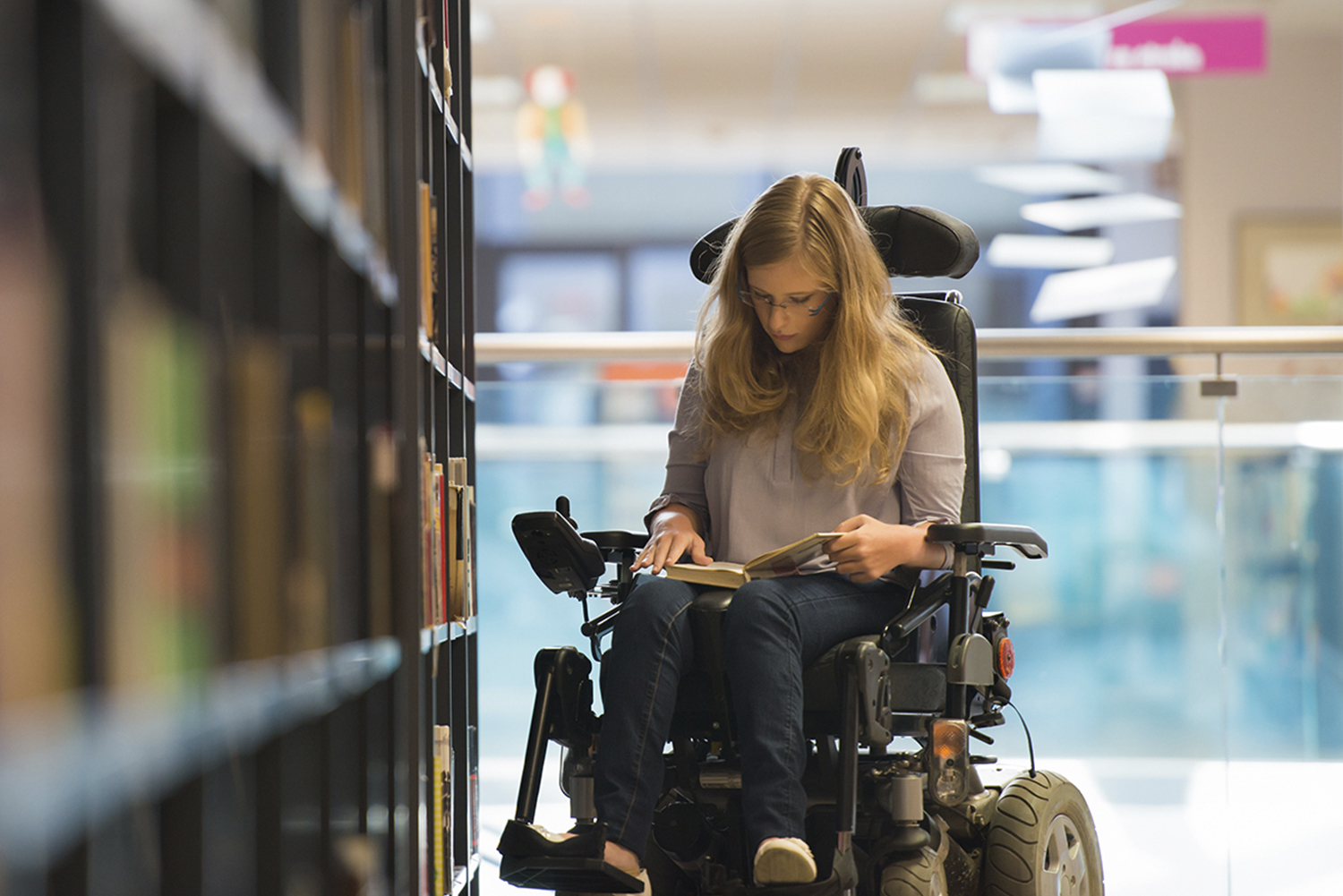 Photo: iStock
Focus area: Freedom of movement
Raising awareness of and breaking down barriers to freedom of movement across country borders is a priority area within Nordic co-operation. The EU is also making special efforts to break down barriers for people with disabilities. Activities in this focus area promote freedom of movement for people who are at risk of being hindered by barriers to freedom of movement due to various laws, rules, and administrative practices in the Nordic countries.
The activities within this focus area contribute to goal 7 of the Nordic Council of Ministers’ action plan: “develop skills and well-functioning labour markets that match the requirements of the green transition and digital developments, and that support freedom of movement in the Nordic Region”, and goal 8: “leverage digitalisation and education to bind the Nordic countries even closer together.”
A disability perspective in Nordic co-operation on freedom of movement
This activity reinforces skills in relation to the disability perspective among stakeholders studying and proposing solutions to freedom of movement issues, and also improves skills in relation to co-operation on freedom of movement among members of the Council for Nordic Co-operation on Disability. During the programme period, the Nordic Council of Ministers will work to establish co-operation for the development of solutions for people with disabilities in the Nordic Region to, for example, undertake short periods of work in another Nordic country. The Council for Nordic Co-operation on Disability supports the implementation of these activities as an expert group.
A progress report on Nordic mobility and disability is being developed. The report focuses on barriers to freedom of movement in the fields of society and the labour market. Revision of the Nordic Convention on Social Assistance and Social Services will be followed up on and its significance for people with disabilities will be analysed.
The NordPlus exchange programme offers extra funds for those who need special support due to disability. The number of students with disabilities who apply for an exchange placement via the NordPlus programme will be monitored during the programme period. Co-operation will be initiated on the marketing of the NordPlus programme through annual meetings for the representatives of young people with disabilities.
Annual seminars are held involving stakeholders in co-operation on freedom of movement. This also includes dialogue with the sign language network with regard to interpretation and mobility. Previous activities on student mobility must be followed up on. Co-operation will continue between the relevant stakeholders responsible for the council of ministers’ agendas in relation to disability and freedom of movement. These include the Council for Nordic Co-operation on Disability, the Freedom of Movement Council, and the Info Norden information service. The activities are conducted within the regular budgets of the co-operative organisations.
Follow-up and development of new digital solutions to overcome obstacles to freedom of movement
At present, there is no mutual recognition of disability status between EU Member States, which leads to difficulties for people with disabilities, as their national disability card may not be recognised in other Member States.
The EU Disability Card ensures equal access to cross-border benefits for people with disabilities, primarily in the areas of culture, leisure, sport, and transport. The card helps to facilitate equal and active participation in society.
Finland and Estonia have been part of a pilot group for the use of the card since 2016. The EU’s strategy for people with disabilities for 2021 to 2030 contains a flagship initiative to make the EU Disability Card available in all member states in 2023. During the programme period, Finland’s and Estonia’s experiences with the card will be followed up on and platforms will be set up for the exchange of information on this topic.
Nordic electronic ID and people with disabilities
The Nordic Region is expected to be the most sustainable and integrated region in the world by 2030. The world is undergoing rapid digitalisation and the integration of electronic identification systems can therefore facilitate contact between those living in the Nordic Region with Nordic public authorities. At the national level, the Nordic countries have well-functioning electronic identification systems. Within Nordic co-operation, a decision has been made that it will make it possible for digital users in the Nordic and Baltic countries to use an eID from their home country to identify themselves when using digital services in other countries in the region.
The services for people with disabilities that could be linked to national electronic ID solutions for use across borders in the Nordic and Baltic countries will be investigated during the programme period. The implementation of the project will be discussed with MR-Digital.
Evaluation
An external evaluation will be conducted in 2024 and 2026. The results will be reported to the Committee of Senior Officials for Health and Social Affairs in connection with feedback on the programme and the work of the Council for Nordic Co-operation on Disability. The evaluator will have contact with the organisations responsible for the project management of each activity. A progress report will be compiled by the Nordic Welfare Centre in its role as the Secretariat to the Council for Nordic Co-operation on Disability for the Nordic Council of Ministers. Progress reports will be presented to the Nordic Council in 2023, 2025, and 2027. The programme will be reviewed after 2024 to ensure compatibility with the new vision action plan.
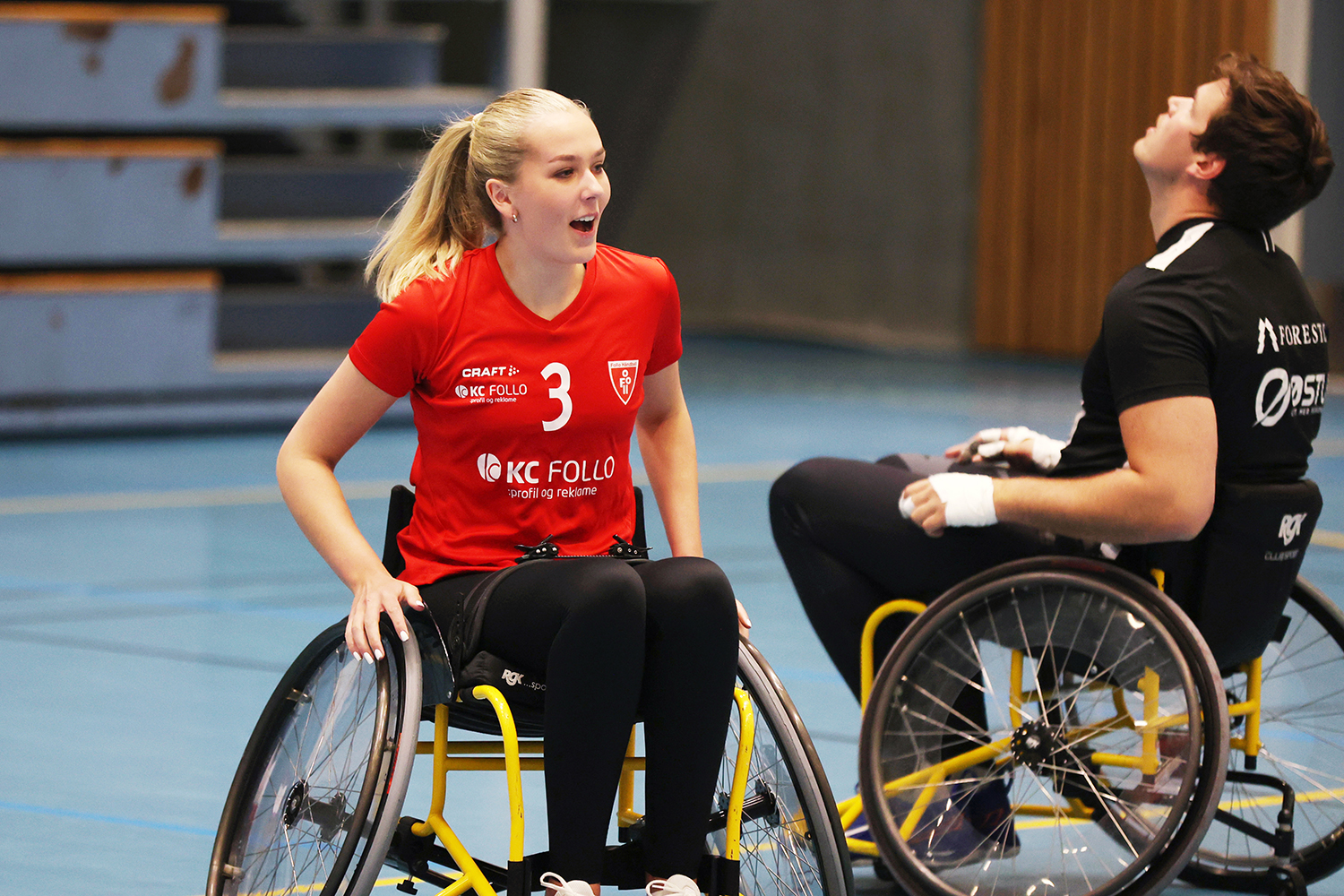 Photo: Tor Solstad
About this publication
Nordic Programme for Co-operation on Disability Issues 2023 to 2027
PolitikNord 2022:734
ISBN 978-92-893-7417-0 PDF
ISBN 978-92-893-7418-7 ONLINE
http://dx.doi.org/10.6027/politiknord2022-734
© Nordic Council of Ministers 2022
Layout: Mette Agger Tang
Cover Photo: Ritzau / Scanpix.dk
Published: December 2022
Nordic co-operation
Nordic co-operation is one of the world’s most extensive forms of regional collaboration, involving Denmark, Finland, Iceland, Norway, Sweden, the Faroe Islands, Greenland, and Åland.
Nordic co-operation has firm traditions in politics, the economy, and culture. It plays an important role in European and international collaboration, and aims at creating a strong Nordic community in a strong Europe.
Nordic co-operation seeks to safeguard Nordic and regional interests and principles in the global community. Shared Nordic values help the region solidify its position as one of the world’s most innovative and competitive.
Nordic Council of Ministers
Nordens Hus
Ved Stranden 18
DK-1061 Copenhagen
www.norden.org
Read more Nordic publications: www.norden.org/publications